Interstitial Cystitis and Painful Sex: Symptoms and Care Options
For many women, interstitial cystitis painful sex is the symptom that finally pushes them to seek a diagnosis — years of frequent urination and pelvic pressure, then intercourse starts to hurt. You are far from alone: roughly 90 percent of people diagnosed with IC are women, and surveys from the Interstitial Cystitis Association suggest around 9 in 10 women with it say it has affected their intimacy.
This guide explains what IC (also called painful bladder syndrome) is, why it causes pain during sex, how doctors tell it apart from mimicking conditions, and the care options that help women protect their comfort and their relationships. Everything below is educational and framed around what clinicians commonly recommend for women facing interstitial cystitis painful sex.
What Interstitial Cystitis Is — and Isn’t
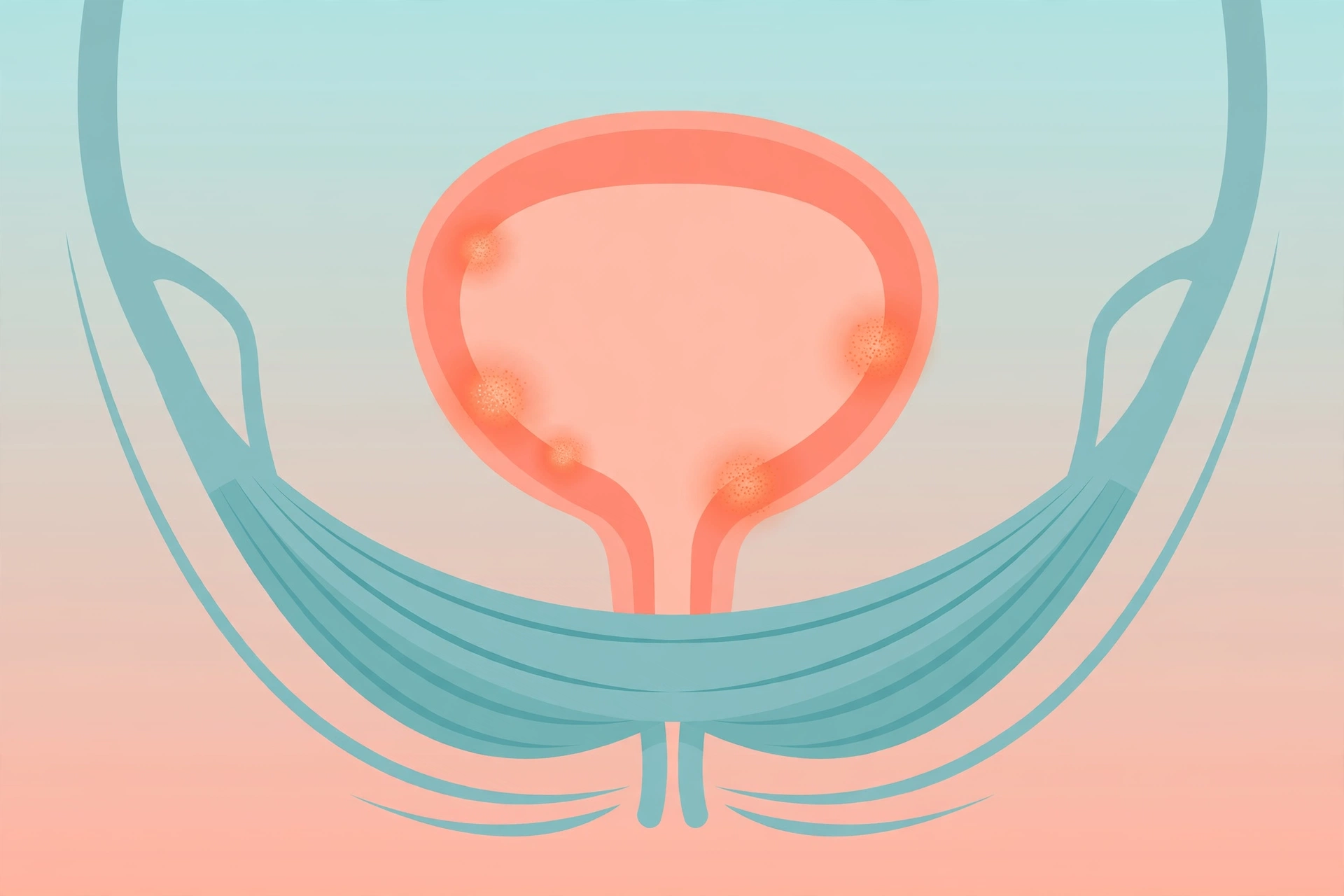
Interstitial cystitis is a chronic bladder condition in which the bladder wall becomes irritated or inflamed, causing pelvic pain, pressure, and urinary symptoms with no infection present. Symptoms often mimic a urinary tract infection — which is why many women hear “recurrent UTIs” before IC is considered. The critical difference: urine tests come back negative and antibiotics do not help.
The hallmark symptoms of interstitial cystitis include:
- Frequent urination — often more than 8 times a day and several times at night
- Sudden, intense urgency, sometimes right after having gone
- Pelvic pain, pressure, or tenderness below the navel
- Pain that builds as the bladder fills and often eases after urination
- A burning sensation during urination
- Pain during intercourse (dyspareunia), sometimes extending to the vagina and vulva
- Symptoms that worsen during menstrual periods
Symptoms wax and wane: stretches of calm alternate with flares, and triggers are personal — stress, certain foods and drinks, the menstrual cycle, and sexual activity rank among the most commonly reported. There is no cure yet, but many evidence-based management options exist, and most women eventually find a combination that works. Recognizing this pattern matters, because resolving interstitial cystitis painful sex almost always starts with identifying and treating the underlying IC.
Why Interstitial Cystitis Causes Painful Sex
Understanding the interstitial cystitis painful sex connection starts with anatomy: the bladder sits directly in front of the uterus and above the front vaginal wall, so pressure during intercourse can irritate an already inflamed bladder and urethra. But anatomy is only the first layer — clinicians describe several overlapping mechanisms behind interstitial cystitis painful sex:
- Shared nerves and muscles. The bladder, pelvic floor, and vaginal tissues share nerve pathways. When the bladder is inflamed, pain signals “spill over,” so stimulation of one area is felt in another — a process called cross-organ sensitization.
- Pelvic floor guarding. Chronic pelvic pain teaches the body to brace. The pelvic floor muscles tighten protectively — often unconsciously — and that tension makes penetration uncomfortable in its own right.
- Nerve sensitization. Months or years of inflammatory signals can make pelvic nerves hyper-responsive, so ordinary sensations register as painful — specialists describe the bladder’s “volume knob” as stuck on high.
- Overlapping vulvar sensitivity. Many women with IC also experience vulvar pain conditions such as vulvodynia, adding burning or stinging at the vaginal opening.
There is also a post-intercourse dimension: many women report a flare — increased urgency, burning, or pelvic ache — in the hours or day after sexual activity, even when the act itself was tolerable. This reliable post-sex flare pattern helps doctors recognize IC, and managing interstitial cystitis painful sex usually means addressing several of these drivers at once.
How Doctors Tell Interstitial Cystitis Apart from Lookalike Conditions
One reason the diagnosis takes years is that several conditions cause painful sex plus pelvic or urinary symptoms. When you describe the interstitial cystitis painful sex pattern to a doctor, part of their job is ruling these in or out:
- Recurrent UTIs — the classic misdiagnosis. Antibiotics that never fully resolve the problem should raise the question of IC. Key differentiator: negative urine cultures and symptoms that persist between episodes.
- Endometriosis — causes pelvic pain, pain with intercourse, and cycle-linked worsening, all shared with IC. The two also frequently coexist.
- Vulvodynia and vestibulodynia — chronic vulvar pain with burning or stinging at the vaginal opening. These overlap heavily with IC and can be treated alongside it.
- Pelvic floor muscle dysfunction — tight, trigger-point-laden muscles can produce painful sex and urinary urgency on their own. Many clinicians treat it as a co-driver of IC symptoms rather than a separate issue.
- Overactive bladder — shares urgency and frequency but typically without the hallmark bladder-filling pain.
There is no single test for IC: diagnosis usually comes when symptoms have lasted more than six weeks and other causes are excluded. A urologist may order a urinalysis, perform a pelvic exam, and sometimes do a cystoscopy — looking inside the bladder with a small camera. Arrive prepared: note when symptoms began, whether sex or your cycle triggers them, and which treatments you have tried.

The Pelvic Floor: The Missing Link Between Bladder Pain and Sexual Pain
If there is one concept most general articles about interstitial cystitis painful sex underplay, it is the pelvic floor: a hammock of muscles supporting the bladder, bowel, and uterus that in many women with IC is simultaneously weak in places and chronically tight in others. That tension is a powerful engine of sexual pain — tight muscles make penetration hurt, make orgasm uncomfortable, and leave a dull pelvic ache afterward. For women living with interstitial cystitis painful sex, this muscular tension is often the most treatable piece of the puzzle.
This is why pelvic floor physical therapy is one of the first treatments many specialists recommend, and it deserves a fuller explanation than the single sentence it usually gets:
- What it involves: a specially trained therapist assesses the pelvic floor — often through external and internal examination — then releases trigger points and restores normal resting tone. Sessions typically include home stretching, breathing exercises, and sometimes guided dilator training.
- Techniques used: myofascial release (sustained pressure on tight muscle bands), biofeedback (real-time feedback on clenching so you can learn to release), diaphragmatic breathing to down-train guarding, and progressive stretching.
- Why it helps sex specifically: by reducing resting muscle tension and teaching the pelvic floor to relax during penetration, therapy addresses the muscular component of painful intercourse — without drugs or procedures.
- Evidence and expectations: clinical studies show pelvic floor therapy can significantly improve IC symptoms, including pain with intercourse, for many women. Most therapists expect progress over weeks to months.
Ask your doctor or urologist for a referral to a pelvic floor physical therapist — it is a distinct specialty from general physiotherapy, and pelvic-pain experience matters.
The Care Ladder: What Doctors Recommend, Step by Step
Guidelines from bodies like the American Urological Association organize care for interstitial cystitis painful sex as a step-up ladder — least invasive options first, adding more only if needed. Treatments are often combined:
| Step | Approach | What it involves | Notes your doctor will discuss |
|---|---|---|---|
| 1 | Diet and lifestyle changes | Avoiding common bladder irritants (caffeine, alcohol, citrus, spicy foods, chocolate); quitting smoking; stress management | A food-and-symptom diary helps identify your personal triggers |
| 2 | Bladder training | Gradually extending the time between bathroom visits on a schedule | May reduce frequency; usually does not reduce pain alone |
| 3 | Pelvic floor physical therapy | Myofascial release, biofeedback, dilator training, home stretching | Often the most helpful step for the sexual-pain component |
| 4 | Oral medications | May include pain relievers, medications used for nerve pain, antihistamine-type options, or pentosan polysulfate sodium (the only oral drug approved specifically for IC) | Benefits and side effects vary — your doctor weighs the trade-offs with you |
| 5 | Bladder instillations | A sterile solution placed directly into the bladder through a catheter to calm the bladder wall | Done in a clinical setting |
| 6 | Nerve stimulation | TENS devices or implanted sacral nerve stimulators that modulate bladder nerve signals | Non-drug option for persistent symptoms |
| 7 | Bladder distention / advanced procedures | Stretching the bladder under anesthesia; surgery is a last resort | Effects often temporary; surgery rarely needed |
Doctors emphasize a few practical points: no single therapy works for everyone, and improvement usually comes from combining steps. Discuss medication benefits, risks, and monitoring with your own clinician — categories are named here for informed conversation, not self-prescription. Because interstitial cystitis painful sex is a valid reason to move up the ladder, mention it explicitly at appointments. Many women find that tracking which steps most ease their interstitial cystitis painful sex helps their clinician tailor the ladder.
A Couple’s Plan for Intimacy: Before, During, and After
The physical strategies below come from clinical guidance and pelvic-health education — to discuss with your doctor or pelvic floor therapist, who decides what is appropriate for you.
Before intimacy, consider:
- Timing intimacy for mild-symptom days — and emptying your bladder first, since a full bladder worsens pain and urgency.
- Relaxation — guided breathing, meditation, or a warm bath — to lower pelvic floor guarding before you begin.
- Testing any new lubricant on its own first to rule out irritation; clinicians generally suggest hypoallergenic, non-irritating options.
- Agreeing with your partner in advance on what you will try, and how you will signal if something hurts.
During intimacy:
- Communication is the key tool: agree that either partner can pause or stop at any time, and that stopping is never a rejection.
- Shorter, gentler sessions with generous lubrication irritate the bladder and pelvic floor less than prolonged activity.
- Clinicians often suggest positions that put less pressure on the bladder, such as side-lying.
- Keep expectations flexible: non-penetrative closeness (massage, cuddling, mutual affection if comfortable) preserves intimacy on days when penetration is not an option — a mainstream recommendation from pelvic health specialists.
- Experiment together to learn what eases interstitial cystitis painful sex for you specifically — preferences differ widely, and there is no single best approach.
After intimacy, to reduce the chance of a flare:
- Urinate soon afterward, which clinicians routinely recommend after sexual activity.
- Drink water, and apply heat or cold to the pelvic area — whichever you find more soothing.
- Use any prescribed comfort measures your doctor has given you for flares, and call your clinician if post-sex flares are worsening.
Hormones and the Menstrual Cycle: An Often-Missed Dimension
Many women notice symptoms follow their cycle — worsening before or during menstruation and easing mid-cycle. There are plausible reasons: estrogen helps maintain the bladder’s protective lining, so the hormonal shifts of the menstrual cycle, perimenopause, and menopause can change bladder sensitivity — one reason clinicians ask detailed questions about your cycle.
What this means practically: tracking symptoms alongside your menstrual cycle in a diary can reveal a pattern worth showing your doctor. If flares cluster around menstruation, or symptoms began around perimenopause, mention it — it may influence treatment choices. Many specialists say this hormonal link is one of the most under-recognized contributors to interstitial cystitis painful sex.
Interstitial Cystitis Painful Sex: Talking to Your Partner
The emotional toll of interstitial cystitis painful sex deserves attention too. Studies consistently find more sexual dysfunction in women with IC than without — and the fallout runs through relationships: lowered desire, avoidance of intimacy, guilt, strained communication, and often anxiety or depression. These reactions are understandable, and they are addressable.
Couples therapists and pelvic health clinicians suggest a few principles for the conversation:
- Educate early. Explain IC in plain terms — a chronic bladder condition with no infection, where the bladder and pelvic nerves are over-sensitive. When a partner understands the mechanism, pain during intimacy reads as a medical symptom, not a personal message.
- Separate desire from pain. Many partners read avoidance as lost attraction. Saying clearly that the issue is pain, not a lack of love or desire, prevents a misunderstanding that can quietly corrode a relationship.
- Make it a team problem. “Let’s figure out what works for us” lands very differently from a private burden carried alone.
- Consider professional support. A sex therapist or counselor experienced with chronic pain can help where conversations get stuck — many clinicians actively recommend it.
- Keep affection flowing outside of sex. Non-sexual touch and everyday closeness reassure both partners while you work on the medical side.
If your pain is affecting your mood — persistent low mood, anxiety about intimacy, or loss of enjoyment in things you used to like — tell your doctor. Mental health is part of the treatment picture.
FAQs
Women looking for answers about interstitial cystitis painful sex most often ask these questions:
Can interstitial cystitis cause pain during sex?
Yes. Painful intercourse (dyspareunia) is a recognized symptom of interstitial cystitis. The bladder sits directly against the vaginal wall and shares nerves and muscles with the pelvic floor, so inflammation and nerve sensitivity in the bladder commonly translate into pain with penetration, discomfort during arousal, or pain after orgasm.
Why does sex seem to trigger an IC flare?
Intercourse can mechanically irritate an inflamed bladder and urethra and aggravate tight pelvic floor muscles, producing urgency, burning, or pelvic aching in the hours after. Emptying the bladder beforehand, staying hydrated, and using clinician-recommended comfort measures afterward help reduce these post-sex flares.
How is interstitial cystitis diagnosed when painful sex is the main symptom?
There is no single test for IC. Doctors typically diagnose it when pelvic pain and urinary symptoms have lasted more than six weeks and other causes — infection, endometriosis, vulvodynia — are ruled out. Expect a symptom history, urinalysis, pelvic exam, and often a urology referral for tests such as cystoscopy.
What is the most effective treatment for painful sex from IC?
Most specialists start with pelvic floor physical therapy, since it directly addresses the muscular component of sexual pain, plus lifestyle changes like identifying dietary triggers. If symptoms persist, doctors move up a care ladder that can include oral medications, bladder instillations, and nerve stimulation — combination treatment is common. Most guidelines favor this combined approach for durable improvement in interstitial cystitis painful sex.
Can I still have a satisfying sex life with interstitial cystitis?
Many women can, with adjustment: timing intimacy for low-symptom days, communicating openly with your partner, exploring comfortable positions and non-penetrative closeness, and treating the underlying IC and pelvic floor tension with professional guidance. Seeking help early tends to produce better outcomes.
Is painful sex from interstitial cystitis permanent?
Not necessarily. IC symptoms fluctuate, and many women see substantial improvement in sexual pain with pelvic floor therapy, medical management, and flare-prevention strategies. Finding the right combination may take time — but improvement is a realistic expectation, so persistent symptoms deserve follow-up rather than resignation.
If you are navigating interstitial cystitis painful sex in your own relationship, the most important step is also the simplest: bring it up with your doctor, and bring it up with your partner. Our guides on low libido and mismatched libidos in marriage explore the desire side of intimacy. For authoritative background, see the Mayo Clinic’s overview and the NIDDK.
Medical disclaimer: This article is for educational purposes only and is not medical advice. Interstitial cystitis affects everyone differently, and the treatments described here may not be appropriate for your situation. Always consult a qualified healthcare professional — such as your doctor, a urologist, or a urogynecologist — for diagnosis and before starting or changing any treatment.