Pelvic Inflammatory Disease (PID): Signs, Symptoms, and Risks
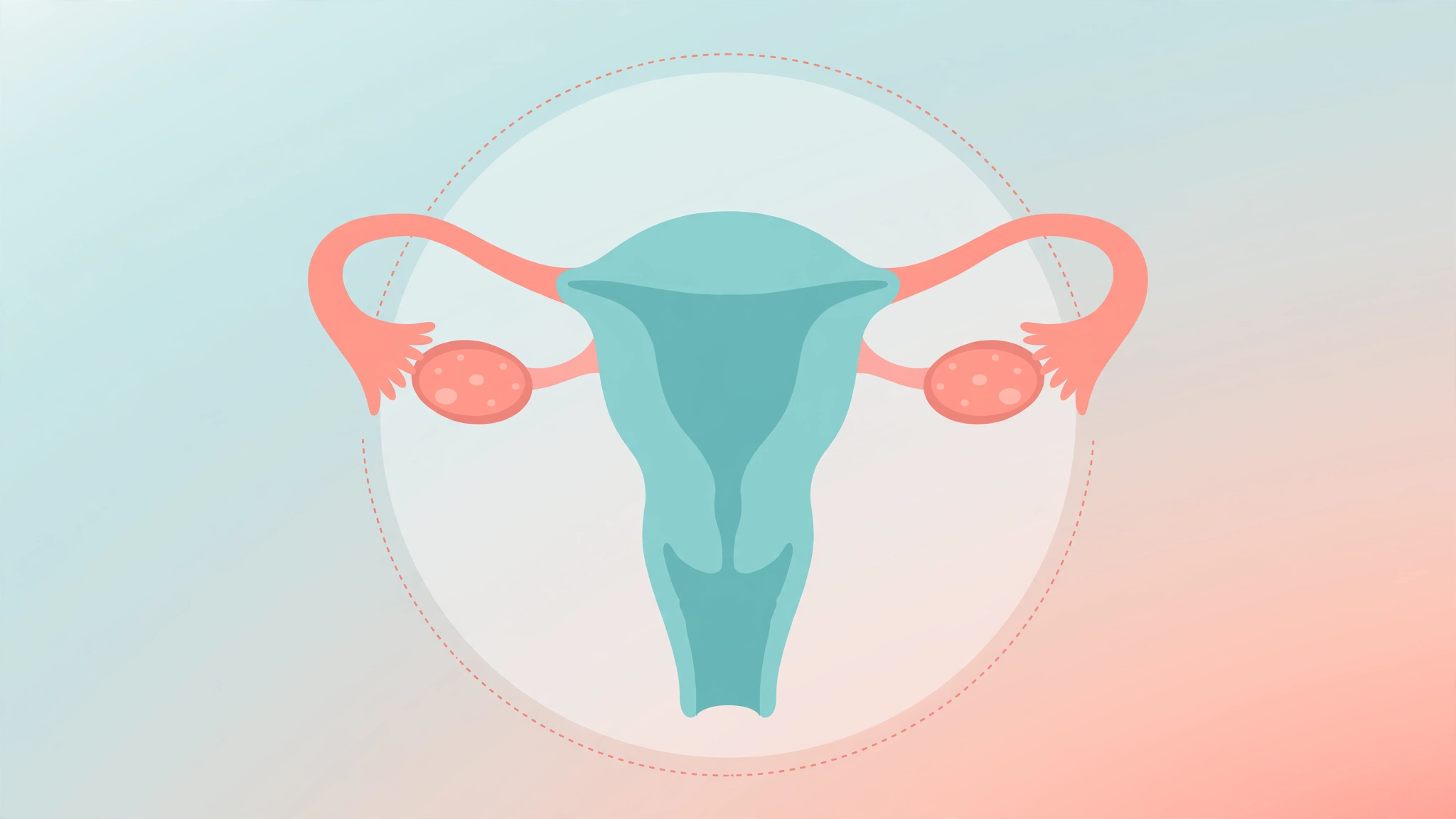
When people search for pid symptoms signs, they are usually doing the same thing: trying to decide whether their own discomfort is something that can wait — or something that needs a doctor now. Pelvic inflammatory disease (PID) is an infection of the upper reproductive organs — the uterus, fallopian tubes, and ovaries — that most often develops when bacteria from an untreated sexually transmitted infection travel upward from the vagina and cervix.
The challenge is that PID’s presentation is notoriously variable: some people feel sharp pain and run a fever, while many others feel almost nothing at all — yet the infection can still quietly damage the reproductive tract. That is why recognizing the full range of pid symptoms signs, and understanding the real risks of ignoring them, matters so much.
This guide walks through every sign and symptom clinicians associate with PID, how doctors confirm the diagnosis, and what treatment typically involves — plus three angles top references on pid symptoms signs often skip: why symptoms flare at a specific point in the menstrual cycle, how PID differs from look-alike conditions, and what research says about the risks of waiting.
PID Symptoms Signs: What to Watch For
Doctors talk about “symptoms” (what you feel) and “signs” (what a clinician finds on examination). With PID, both halves of the pid symptoms signs picture matter, because neither half is reliable on its own. There is no single hallmark feature of PID — no one test, no one complaint that settles the diagnosis. Instead, clinicians look for a pattern.
That pattern is also easy to miss. A striking fact that the U.S. Centers for Disease Control and Prevention and clinical reviews both emphasize: many cases of PID are mild or completely silent. Some researchers estimate that up to two-thirds of infections produce few or no noticeable symptoms, yet these “silent” cases can still scar the fallopian tubes and affect fertility. So the absence of dramatic pid symptoms signs does not guarantee the absence of infection — a point worth remembering if you have risk factors, even when you feel fine.
The 7 Core Symptoms Most People Report
When pid symptoms signs do appear, they tend to develop gradually and can be mistaken for a bad period, a urinary tract infection, or stomach trouble. The most commonly reported ones are:
- Lower abdominal or pelvic pain. The single most common complaint. Often described as a dull, cramp-like ache on both sides of the lower belly that builds over days and may worsen with movement, coughing, or sex.
- Unusual vaginal discharge. A heavier-than-usual discharge, often yellowish or greenish and sometimes with an unpleasant odor. On its own it is not specific, so it matters most combined with pain.
- Bleeding between periods or after sex. Irregular or breakthrough bleeding is well recognized. Inflamed cervical and uterine tissue can make even gentle contact, such as intercourse, trigger spotting.
- Pain during sex. Deep pelvic pain during intercourse — rather than pain at the entrance — is frequently reported, and new-onset deep pain is something clinicians take seriously.
- Fever and chills. A temperature, sometimes with chills, signals that the body is fighting infection. Mild PID may have no fever at all; severe PID can produce a high one.
- Painful or frequent urination. A burning feeling when peeing or needing to go often can occur, which is exactly why PID is so often confused with a UTI at first.
- Lower back pain, nausea, or vomiting. Backache, queasiness, and vomiting occur less often and more often accompany severe infections. Nausea and vomiting are also red flags that may prompt urgent evaluation.
If you recognize several of these pid symptoms signs at once — particularly pelvic pain plus discharge plus bleeding or fever — treat that cluster as a reason to contact a clinician promptly rather than waiting to see if it passes.
The Physical Signs Your Doctor Looks For
The other half of pid symptoms signs lives in the examination room. During a pelvic exam, clinicians check for three classic findings that strongly suggest PID when combined with a patient’s history:
- Cervical motion tenderness. Pain when the cervix is gently moved during the exam is one of the most characteristic signs of PID.
- Tenderness of the uterus or adnexa. Tenderness when the doctor presses over the uterus or the area of the fallopian tubes and ovaries supports the diagnosis.
- Abnormal discharge from the cervix. A mucopurulent (pus-containing) cervical discharge seen on exam is another supporting sign.
Doctors may also note fever or lower abdominal tenderness on the general exam. No single sign settles the diagnosis — clinicians weigh these pid symptoms signs together with your history and lab results.
A Pattern Competitors Rarely Mention: When Symptoms Appear in Your Cycle
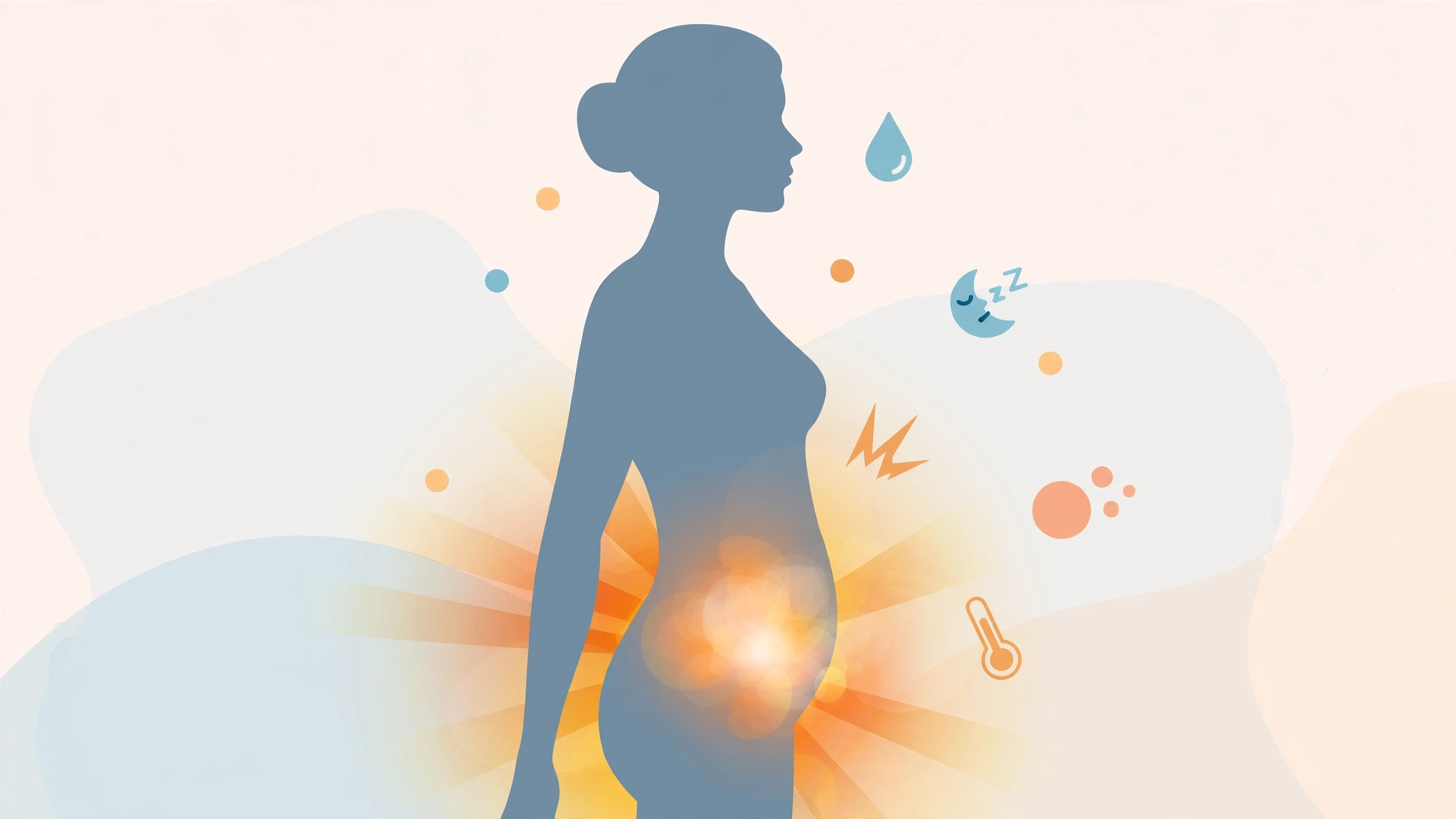
One of the most practical pid symptoms signs patterns — and one that most consumer medical pages skip — is timing. Clinical reviews note that PID symptoms most often begin toward the end of menstruation or early in the menstrual cycle. There is a biological reason: hormone levels are low at this point, and the mucus barrier that normally protects the cervix thins out, which can allow bacteria easier access to the upper reproductive tract.
If pelvic pain, heavier discharge, or bleeding consistently shows up in the days right after your period ends — and it is new or worsening — tell your doctor. It does not prove PID (endometriosis also varies with the cycle), but menstrual timing is a detail few guides mention, and clinicians use it when weighing pid symptoms signs.
PID vs. the Look-Alike Conditions
Because pid symptoms signs overlap so heavily with other problems, misdiagnosis is common. Here is how PID typically differs from its closest look-alikes:
| Condition | How It Differs From PID |
|---|---|
| Urinary tract infection (UTI) | Urinary burning and frequency are the dominant features; pelvic pain and discharge are usually absent. See our guide on UTI vs. STI symptoms for the full comparison. |
| Appendicitis | Pain usually starts near the belly button and moves to the lower right side, with loss of appetite; no vaginal discharge or bleeding. |
| Endometriosis | Cyclical pelvic pain that tracks tightly with the menstrual cycle for years; no fever and no discharge typical of infection. |
| Ectopic pregnancy | Missed period, positive pregnancy test, and sudden one-sided pain or heavy bleeding — a medical emergency, not an infection pattern. |
| Bacterial vaginosis (BV) | Unusual discharge and odor without the pelvic pain, fever, or bleeding that define upper-tract infection. |
Do not try to sort these pid symptoms signs out alone — the overlap is why clinicians combine exam, swabs, and sometimes ultrasound. Knowing what your doctor must rule out makes the visit more accurate.

The Real Risks of Waiting: What Untreated PID Can Do
Authorities treat PID as urgent because of long-term damage that can accumulate silently. The main risks of untreated or repeatedly treated-late PID include:
- Infertility. Scar tissue inside and outside the fallopian tubes can block them. The CDC notes that 1 in 8 women with a history of PID have difficulty getting pregnant, and research shows the risk climbs with each repeat episode — a first episode carries a meaningful risk, a second raises it substantially, and a third raises it further. Each delay in treatment adds risk, too.
- Ectopic pregnancy. PID is one of the leading causes of ectopic (tubal) pregnancy: a fertilized egg gets trapped in a scarred tube instead of reaching the uterus. Ectopic pregnancy is a life-threatening emergency that needs immediate care.
- Chronic pelvic pain. Persistent or recurring pelvic pain can last for months or years after the infection is gone, sometimes flaring during ovulation or sex, and it can be genuinely difficult to live with.
- Tubo-ovarian abscess. A pocket of infected fluid can form in the tubes or ovaries. Abscesses can rupture and become a life-threatening infection, and severe cases may require hospital treatment or surgery.
- Fitz-Hugh-Curtis syndrome. Rarely, the infection spreads upward to inflame the lining around the liver, causing pain in the right upper abdomen or under the ribs — sometimes mistaken for gallbladder trouble. This pattern is almost never mentioned in general PID guides, yet it is a recognized complication clinicians know to check for.
The through-line is simple: treatment can clear the infection, but it cannot undo scarring that has already formed. That asymmetry is why the Mayo Clinic and every other authority stress that sooner is genuinely better.
How Doctors Actually Diagnose PID
There is no single definitive test for PID — a fact that surprises many people researching pid symptoms signs. Diagnosis is clinical, meaning it rests on the combination of your symptoms, the physical exam findings described above, and laboratory results. Understanding this process can make the visit far less stressful. A typical evaluation includes:
- History. Your symptoms, timing in your cycle, sexual history, recent procedures such as IUD insertion, and any prior STIs or PID.
- Pelvic exam. Checking for cervical motion tenderness, uterine/adnexal tenderness, and abnormal discharge.
- Swabs and urine tests. Vaginal and cervical swabs test for chlamydia, gonorrhea, and sometimes other organisms — a negative result does not rule PID out if the clinical picture fits.
- Blood tests. A raised white blood cell count or inflammatory markers can support the diagnosis.
- Ultrasound. Can reveal severe features such as abscesses or fluid-filled tubes, but often looks normal in mild disease — a normal scan does not exclude PID.
- Laparoscopy (rarely). Direct camera visualization of the pelvis, reserved for unclear or severe cases.
Because PID can be imprecise to diagnose, clinicians are taught to consider it in any sexually active person of reproductive age with unexplained lower abdominal pain — and to start treatment when the pattern fits rather than waiting for certainty.
Treatment: What Doctors Recommend
Caught early, PID is curable. Doctors prescribe antibiotics covering the responsible organisms — typically a course of at least two weeks — and finishing every dose matters even after you feel better. Every guide on pid symptoms signs stresses this point, because stopping early is one of the most common reasons infections return.
Beyond the medication itself, doctors recommend several measures that many guides gloss over:
- Your partner(s) should be evaluated and treated too. Because PID usually stems from sexually transmitted bacteria, an untreated partner can re-infect you. Clinicians advise that partners be tested and treated even if they feel fine.
- Avoid sex until the course is complete. Clinicians recommend abstaining from sexual activity — and waiting until both partners have finished treatment — to avoid re-infection.
- Follow up within a few days. Doctors typically recheck you within about 72 hours of starting treatment to confirm symptoms are improving. If they are not, the treatment plan may need to change.
- Severe cases may need hospital care. High fever, severe pain, vomiting, or an abscess may require treatment with injected antibiotics under observation — a judgment call your doctor makes based on your condition.
- You can get PID more than once. Prior infection is a risk factor for future infection, which is exactly why regular STI screening matters even after a successful recovery.
Lowering Your Risk of PID
Preventing and promptly treating the infections behind pid symptoms signs is the core of prevention. Clinicians consistently recommend:
- Using condoms consistently and correctly — the most effective everyday protection.
- Limiting the number of sexual partners and discussing STI testing openly with new partners.
- Getting screened for chlamydia and gonorrhea at least yearly if you are sexually active and under 25, or whenever you have risk factors.
- Seeking care promptly for any genital symptoms — unusual discharge, odor, burning when peeing, or bleeding between periods — rather than waiting them out.
- Not douching: it disrupts the natural balance of vaginal bacteria and can mask or worsen infection.
- Being aware of the brief window of elevated risk in the first weeks after IUD insertion, and reporting any new pelvic pain during that time.
FAQs
How long does PID take to heal after treatment starts?
Most people feel better within 2 to 3 days of starting antibiotics, and the typical course runs about two weeks. Clinicians usually schedule a follow-up within about 72 hours to check progress. Feeling better early does not mean the infection is cleared — finishing every dose is what prevents recurrence and complications.
Is PID itself contagious?
PID is not directly contagious in the way a cold is — you cannot catch it from casual contact. But the bacteria that cause it, most often chlamydia and gonorrhea, are sexually transmitted. That is why partners need testing and treatment too, and why clinicians advise avoiding sex until both people have completed treatment; otherwise you can pass the underlying infection back and forth.
Can PID affect my ability to get pregnant?
Yes — infertility is one of the most serious long-term risks. Infection can scar and block the fallopian tubes, and the risk rises with each episode and every delay in treatment. The CDC reports that 1 in 8 women with a history of PID have difficulty conceiving. PID symptoms signs should never be watched and waited on if you hope to have children.
How do I know if my PID is severe?
Severe pid symptoms signs include intense pelvic or abdominal pain, high fever, nausea or vomiting, fainting, or pain that worsens despite treatment. Upper abdominal pain under the ribs can signal that infection has spread. These warrant immediate medical attention — severe infections can reach the bloodstream or require hospital care, so do not wait for your next appointment.
Can I get PID again after successful treatment?
Yes. Having PID once actually increases your chance of getting it again, because the underlying risk factors — untreated STIs, new exposures — may still be present. That is why partner treatment, completing the full antibiotic course, and ongoing STI screening are emphasized. Staying alert for returning pid symptoms signs after recovery is the simplest way to catch a recurrence early, since each repeat episode carries a higher risk of tubal damage.
Can PID happen without an STI?
Yes, although STIs are the most common cause. Bacteria that normally live in the vagina in balanced amounts — including those involved in bacterial vaginosis — can sometimes travel upward and cause PID, especially after events that disturb the cervix, such as an IUD insertion or certain uterine procedures. Douching also raises risk by upsetting the vaginal bacterial balance. If you have pelvic pain with discharge or bleeding, get evaluated regardless of your STI history.
If any of these pid symptoms signs sound familiar, talk to your doctor promptly, and explore our related sexual health guides to stay informed.
Medical disclaimer: This article is for educational purposes only and is not medical advice. Pelvic inflammatory disease can only be diagnosed and treated by a qualified healthcare professional. If you have symptoms or concerns, consult your doctor or a local sexual health clinic promptly.