Hysterectomy and Sex: The Complete Recovery Timeline for Couples
Most search results answer one question: when is sex after hysterectomy safe? The honest answer is that a hysterectomy sex recovery timeline is not a single date on a calendar — it is a staged process of physical healing, hormonal adjustment, and emotional readiness that affects both partners. This guide walks you through that process week by week, explains what actually changes about sex after surgery, and shows how couples can protect their intimate life while the body heals.
Why Sex Needs a Timeline After Hysterectomy
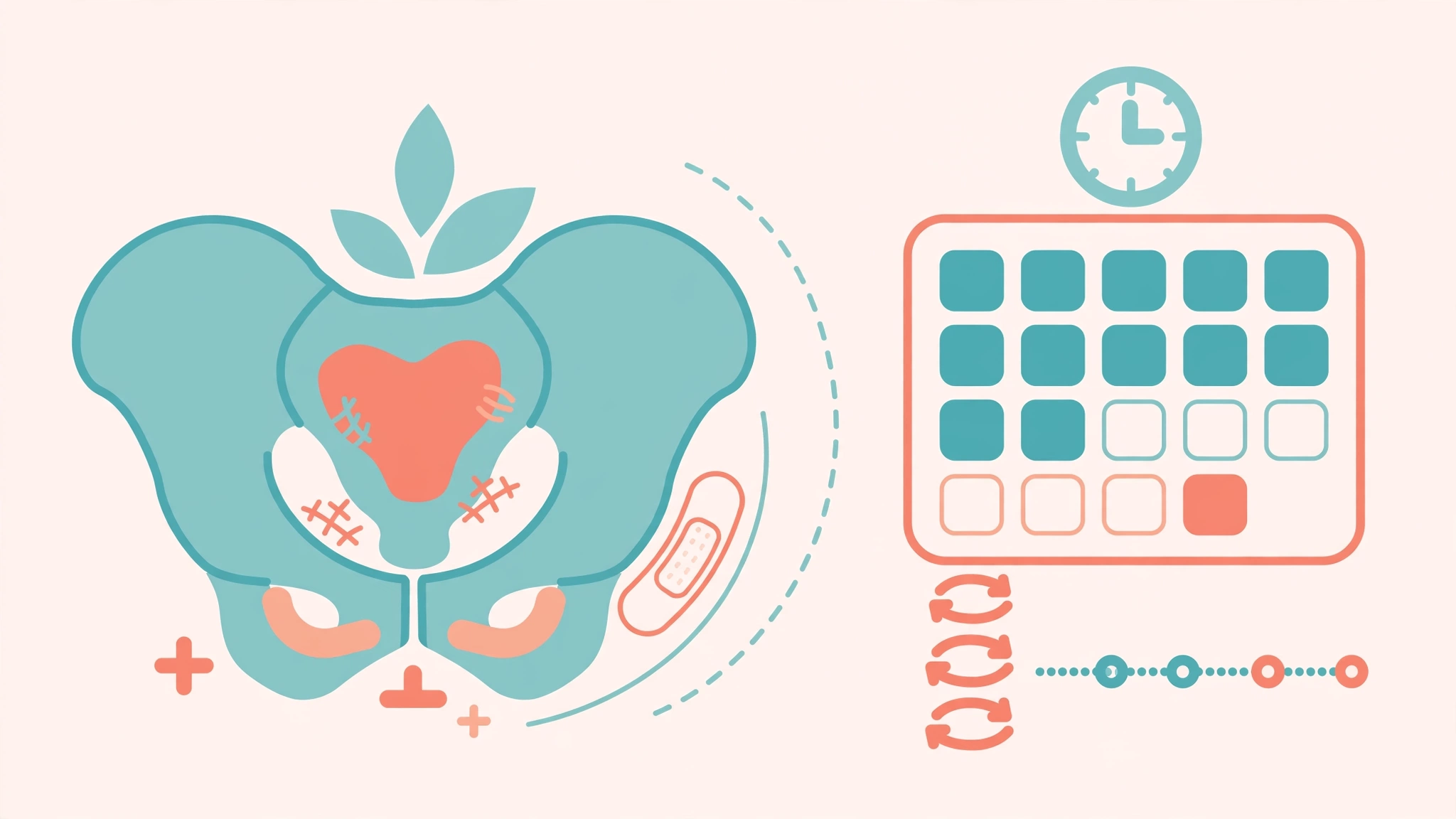
A hysterectomy is considered major surgery regardless of the surgical approach, because it removes an organ under general anesthesia and works in a pelvic region crowded with blood vessels, the bladder, and the bowel. After a total hysterectomy (removal of the uterus and cervix), the top of the vagina is closed with stitches, forming what surgeons call the vaginal cuff. This internal stitch line needs several weeks to knit before it can safely take pressure — and intercourse is exactly the kind of pressure it cannot take too early.
Straining the vaginal cuff before it heals is the most common reason that recovery stalls. In rare cases, early strain can cause the cuff to partially reopen (vaginal cuff dehiscence), a serious complication. That is why virtually all clinical guidance — including the NHS and major US medical centers — advises no vaginal penetration until the surgeon confirms healing, typically around six weeks, and only when the patient feels genuinely ready.
Sex After Hysterectomy: The Week-by-Week Map for Couples
Every body heals on its own schedule, and your surgeon’s clearance overrides any general timetable. But the hysterectomy sex recovery timeline follows a consistent pattern across the published clinical guidance:
Weeks 0–2: protect the healing tissue
- What is healing: internal tissues are at their most fragile; light vaginal bleeding and discharge are normal.
- What couples can do: non-sexual physical closeness only — holding, cuddling, hand-holding. No vaginal penetration, orgasm, or heavy lifting.
Weeks 3–5: the cuff knits together
- What is healing: the vaginal cuff is closing over; bleeding usually tapers off. Fatigue and constipation are common.
- What couples can do: affectionate touch, massage, kissing. Discuss fears and expectations openly. Still no vaginal penetration of any kind.
Week 6: the follow-up visit
- What is healing: the surgeon examines the vaginal cuff and incisions and confirms — or delays — clearance.
- What couples can do: attend the appointment together if possible and ask directly: “Has the cuff healed enough for intercourse?”
Weeks 6–8: gentle resumption
- What is healing: cleared tissue is healed but still delicate; sensitivity may feel different.
- What couples can do: gradual, gentle resumption of sex after hysterectomy when both partners feel ready. Use ample lubrication and go slowly.
Months 2–3: rebuilding rhythm
- What is healing: pelvic tissues keep strengthening; hormonal effects become clearer if ovaries were removed.
- What couples can do: rebuild a regular intimate rhythm. Report persistent pain, bleeding, or dryness to your doctor.
Months 3–6: the new normal
- What is healing: full internal healing is established for most patients.
- What couples can do: most couples have settled into their new normal. Pelvic floor physical therapy helps anyone still struggling.
When planning sex after hysterectomy, notice that the timeline has two gates, not one: the surgeon’s physical clearance at around six weeks, and both partners’ emotional readiness, which can arrive earlier or later.
How the Type of Hysterectomy Changes the Timeline
Not all hysterectomies are the same operation, and the differences shape the hysterectomy sex recovery timeline. Authoritative overviews from the Mayo Clinic and the NHS agree on how the surgical approach changes recovery:
- Abdominal hysterectomy (open incision): longest recovery — typically six to eight weeks before full activity, including sex.
- Vaginal hysterectomy (through the vagina, no external cut): often the fastest recovery, sometimes three to four weeks to feel like yourself, though the internal cuff still needs its six-week check.
- Laparoscopic or robot-assisted hysterectomy (keyhole incisions): usually shorter than abdominal — commonly three to six weeks — but the internal healing sets the same floor for intercourse.
- Total vs. subtotal (supracervical): a total hysterectomy removes the cervix and creates a vaginal cuff; a subtotal leaves the cervix in place, which can slightly change both healing and what penetration feels like afterward.
- Ovaries removed or kept: keeping the ovaries preserves natural hormones. Removing them causes immediate surgical menopause — with hot flashes, vaginal dryness, and possible libido changes — which changes the sexual recovery picture substantially.
What Actually Changes About Sex After Hysterectomy
Couples deserve specifics, not vague reassurance. Here is what clinical sources report — and what the standard hysterectomy sex recovery timeline articles usually leave out:
Orgasm
Some women notice their orgasms feel different. During orgasm, the uterus normally contracts, and without it that sensation is gone. However, the clitoris, the vaginal walls, and the pelvic nerves that produce orgasm remain intact. Many women continue to orgasm normally — and research summaries from major medical centers note that a substantial number report better sexual function after surgery, particularly when the reason for the hysterectomy was chronic pain or heavy bleeding.
Vaginal dryness
If the ovaries are removed, estrogen drops sharply and vaginal tissues can become thinner and drier. This is one of the most fixable problems in the whole timeline: water-based or silicone-based lubricants help immediately, and doctors can discuss vaginal estrogen therapy for persistent dryness. Lubricants help right away for comfort during sex after hysterectomy. Learn more in our body-safe lubricant guide.
Depth and sensation
After a total hysterectomy, the vagina may be slightly shorter at the top where the cuff closes it. Most couples do not notice a functional difference, but sensitivity at the very top of the vagina can change. Patience and experimentation during the months after clearance matter more than any technique.
Desire
Libido is individual. Some women feel liberated once pain or bleeding is gone and want sex more. Others feel anxious, less feminine, or grieving — all of which are normal and do not mean anything is broken. When ovaries are removed, hormonal shifts can genuinely lower desire, which is a medical issue to raise with your doctor, not a willpower issue.
A Partner’s Guide: Your Role in the Hysterectomy Sex Recovery Timeline
Most hysterectomy sex recovery timeline articles speak only to the patient. Partners have their own experience — worry, fear of causing harm, and a quiet fear of rejection — and how you handle it shapes the outcome. Evidence from couples’ sexual health research is consistent: the quality of communication during recovery predicts long-term sexual satisfaction better than the surgery itself.
What to say (and what to avoid)
- Say: “I want to be close to you in whatever way feels right right now. You set the pace.”
- Say: “I’m a little nervous about hurting you — can you tell me what feels okay?”
- Avoid: “The doctor said six weeks, so let’s mark the calendar.” Pressure attached to a date creates anxiety that can delay emotional readiness.
- Avoid: acting wounded by the pause. The patient is already grieving her body; adding guilt closes the conversation.
Practical partner duties during the timeline
- Weeks 0–5: initiate non-sexual touch so intimacy does not silently vanish. Take over lifting, housework, and driving — protecting her from strain IS protecting your sex life.
- At the six-week visit: ask the surgeon your own question: “What signs would tell me she needs more time?”
- After clearance: let her lead the first times you have sex after hysterectomy. Buy lubricant together — normalizing it removes stigma. If something hurts, stop without frustration and mention it at the next follow-up.
- Months 2–6: stay curious. Recovery is not linear; a bad week in month three is common and not a setback.
Preparing for the First Time After Clearance
When the surgeon has cleared you for sex after hysterectomy and both partners feel ready, these practical steps help:
- Use generous lubrication even if dryness has not been an issue — healed tissue is still sensitive and extra glide prevents micro-irritation.
- Choose positions where the recovering partner controls depth and pace. This is about comfort, not performance; control reduces anxiety and guarding of the pelvic muscles.
- Relax the pelvic floor. After weeks of guarding against pain, many women unconsciously tighten their pelvic muscles. Slow breathing and unhurried foreplay help. If tightness persists, ask your doctor about pelvic floor physical therapy — our guide to pelvic floor exercises explains why it matters.
- Expect the first time to be a check-in, not a test. Stop if there is pain. Some spotting after the first attempts can occur; report anything more than light spotting to your doctor.
- Keep non-penetrative intimacy in the rotation. Couples who leaned on other forms of closeness during the waiting period often find their sex life richer afterward, not narrower.

Warning Signs: When to Call Your Doctor
Any hysterectomy sex recovery timeline needs red-flag awareness. Most recoveries are smooth, but know the red flags. Contact your doctor promptly if you experience:
- Bleeding after sex once cleared — light spotting once can be normal; heavier bleeding or repeated bleeding is not.
- New or worsening pelvic pain during or after intimacy, especially pain deep inside rather than at the entrance.
- Foul-smelling or heavy discharge, which can signal infection.
- A feeling of pressure or “something falling” in the vagina, which can indicate cuff problems or pelvic organ prolapse.
- Fever, severe abdominal pain, or heavy bleeding at any point — these are urgent and need same-day care.
The six-week follow-up visit is the single most important milestone in the entire hysterectomy sex recovery timeline. If you miss it, do not guess at readiness — reschedule. Vaginal cuff problems are rare, but they are preventable, and the exam is how they get caught.
Long-Term Sexual Health After Hysterectomy
Sex after hysterectomy does not end at clearance — the recovery timeline continues for months:
- Keep your annual well-woman exams. You still need pelvic and breast exams after a hysterectomy. Pap tests may still be needed if the cervix remains or there is a history of cervical dysplasia or cancer — ask your doctor.
- Discuss hormones honestly. If ovaries were removed and you are struggling with dryness, low desire, or mood changes, ask about hormone therapy options. This is a medical conversation worth having rather than silently enduring.
- Consider pelvic floor physical therapy if penetration remains uncomfortable months after clearance. Specialized therapists treat post-surgical pelvic pain routinely.
- Remember that improvement is the most common story. When chronic pain, bleeding, or fear of pregnancy drove the decision, many couples describe their sex life a year later as better than it was before surgery. Give the full timeline time to work.
FAQs
How long after a hysterectomy can you have sex?
For sex after hysterectomy, most clinical guidance advises waiting until the surgeon confirms the vaginal cuff has healed — typically around six weeks — and discharge has stopped. The exact timing depends on the surgical approach and how you heal. Always get individual clearance at your follow-up visit rather than relying on a fixed number.
Will sex feel different after a hysterectomy?
It can feel somewhat different. The uterine contractions of orgasm are gone, and the top of the vagina heals as a closed cuff. But the clitoris and arousal nerves remain intact, and many women report sex after hysterectomy feels as good as — or better than — before, especially once the condition that caused the surgery is gone.
Can you still have an orgasm after a hysterectomy?
Yes. Orgasm is driven primarily by the clitoris and pelvic nerves, which a hysterectomy does not remove. Some women say their orgasms feel different without uterine contractions, while others notice no change. If you had difficulty reaching orgasm before surgery due to pain, removal of the painful condition may actually make orgasm easier.
Why do I have vaginal dryness after my hysterectomy?
Dryness is most common when the ovaries are removed, because estrogen — which keeps vaginal tissues thick and lubricated — drops sharply. Lubricants help right away for comfort during sex. For persistent dryness, doctors can discuss options including vaginal estrogen therapy. Report ongoing dryness rather than enduring it.
Is bleeding after sex normal after a hysterectomy?
Light spotting after the first attempts following medical clearance can happen while tissues are still sensitive. However, repeated or heavy bleeding after sex is not normal and should be reported to your doctor. Bleeding before clearance — or any bleeding months into recovery — always deserves a medical evaluation.
Does a hysterectomy prevent pregnancy?
Yes — without a uterus, pregnancy is impossible, so no contraception is needed to prevent it. However, a hysterectomy offers no protection against sexually transmitted infections. If you have new or multiple partners, barrier protection such as condoms is still recommended for STI prevention.
Next step: the single most valuable action on your hysterectomy sex recovery timeline is an honest conversation — with your surgeon at the six-week visit, and with your partner throughout. If anything in this timeline feels off for you, talk to your doctor rather than waiting. And when you are ready to rebuild, explore our related guides on lubricants and pelvic floor health for the practical details.
Medical disclaimer: This hysterectomy sex recovery timeline is for educational purposes only and is not medical advice. Recovery timelines vary by individual, surgical approach, and complications. Always follow your own surgeon’s instructions and consult a qualified healthcare professional before resuming sexual activity after a hysterectomy.