Low Libido in Women: Causes and When to See a Doctor
Low libido in women is one of the most common sexual health concerns, yet one of the least discussed. Research suggests that as many as one in three women experiences low sexual desire during her life. For some, it is a brief phase tied to stress or exhaustion; for others, it persists for months, straining self-confidence and relationships. If you are wondering why your desire has faded, you are not alone — and most causes of low libido in women are identifiable, and many are treatable.
This guide covers the main medical and psychological causes of low libido in women, the overlooked factors doctors see in clinic, what a doctor’s evaluation involves, and the clear signs it is time to seek help.
What Does Low Libido in Women Actually Mean?
Sexual desire is not a simple on/off switch. Clinicians describe it as a complex interaction between hormones, physical health, emotions, beliefs, relationship dynamics, and life circumstances. A dip in desire is normal — libido naturally rises and falls with age, stress, the menstrual cycle, and events such as pregnancy or a job change.
The important distinction is between fluctuating desire, which everyone experiences, and persistent low desire that causes distress. A woman with a naturally lower baseline who feels fine about it does not have a medical problem. The problem begins when the change bothers you or creates distance in your relationship. That distinction — distress, not the desire level itself — is what doctors use to decide whether evaluation is needed. When low libido in women is a passing phase, reassurance is usually enough; when it lingers and causes distress, a conversation with a clinician is the next step.
The Main Causes of Low Libido in Women
Most cases of low libido in women involve several factors at once, typically grouped into physical, psychological, and relational causes. Knowing which apply to you is the first step toward a solution.
Hormonal Changes
Estrogen, progesterone, and even testosterone all contribute to sexual interest in women. When levels shift, desire often follows:
- Perimenopause and menopause: Declining estrogen can cause vaginal dryness and thinning tissue, making sex uncomfortable or painful. Falling testosterone levels, which begin declining gradually from the thirties, can also blunt desire. As Mayo Clinic Health System explains, physical changes alone can make a woman associate intimacy with discomfort and withdraw from it.
- Pregnancy and breastfeeding: Dramatic hormonal shifts during pregnancy — plus nausea, fatigue, and body changes — commonly reduce interest. After birth, rising prolactin (the breastfeeding hormone) suppresses estrogen, which can cause dryness and low desire. Sleep deprivation amplifies everything.
- Hormonal contraceptives: Birth control pills, patches, injections, and implants raise levels of sex hormone-binding globulin (SHBG), a protein that binds testosterone and reduces the amount of free testosterone available. For some women, this translates into noticeably lower desire. Non-hormonal options are worth discussing with a doctor if the timing matches the change in libido. You can read more in our guide to birth control and sex drive.
- Thyroid disorders and PCOS: Both underactive thyroid (hypothyroidism) and polycystic ovary syndrome (PCOS) disrupt the hormonal environment and are frequently linked to low desire, alongside symptoms like fatigue, weight change, and irregular periods. For a deeper look at the hormonal side, see our article on hormones and female libido.
Stress, Fatigue, and Mental Health
Chronic stress is one of the most powerful libido suppressors. When stress hormones like cortisol stay elevated, the body diverts resources away from the reproductive system. Many women describe the same pattern: career pressure, caregiving, and emotional labor leave no mental space for intimacy. When your mind is occupied with deadlines and children, desire cannot compete.
Depression and anxiety deserve special attention. Both blunt pleasure responses directly — a symptom called anhedonia, the inability to feel pleasure. If low desire arrived alongside persistent sadness or constant worry, the root cause may be a mood disorder. Treating the mood condition often restores desire.
Medications
The most common medication-related culprits behind low libido in women include:
- Antidepressants, especially SSRIs (such as fluoxetine, sertraline, and paroxetine). Ironically, the drugs that treat depression and anxiety can themselves lower libido and delay orgasm. Newer options tend to have less sexual impact — but never stop a medication without medical guidance.
- Blood pressure medications, particularly beta-blockers.
- Hormonal contraceptives, as discussed above.
- Antihistamines, opioids, and some chemotherapy drugs.
If low libido in women began for you after starting a new medication, a medication review with your doctor can identify alternatives. Our guide covers how antidepressants affect sex drive and what doctors suggest when they do.
Relationship and Emotional Factors
For many women, emotional closeness is a prerequisite for sexual desire — and when that closeness fades, low libido in women often follows. Unresolved conflict, communication gaps, broken trust, and a sense of being emotionally distant from a partner are major contributors to low desire. Past negative experiences also matter: trauma can associate intimacy with fear, and even a consensual but negative experience can reduce desire going forward.
Body image also plays a role in low libido in women. Feeling uncomfortable in your own body — whether from weight gain, aging, or postpartum changes — can make intimacy feel exposing rather than exciting. These are not superficial concerns; they reflect how desire is wired to emotion and self-perception.
Chronic Health Conditions and Sleep
Diabetes, hypertension, cardiovascular disease, neurological disorders, chronic pain, and arthritis can all reduce desire by affecting energy, blood flow, or comfort. And sleep deserves its own mention: chronically sleep-deprived women show measurably lower desire, partly because exhaustion lowers testosterone and raises stress hormones. Even a few weeks of disrupted sleep — common in perimenopause — can noticeably dampen libido, making sleep loss an underrated driver of low libido in women.
The Overlooked Causes of Low Libido in Women Doctors Wish You Knew About
The causes above appear in nearly every article on the topic. But clinicians say a few important factors rarely get mentioned. Addressing these gaps can uncover a cause that standard checklists miss.
1. Iron Deficiency and Other Nutrient Shortfalls
Iron deficiency is remarkably common in women of reproductive age and is almost never mentioned in mainstream guides. Yet research has linked low iron to reduced desire, arousal, and satisfaction — and women who corrected an iron shortfall reported improvements in all three.
Vitamin D deficiency and low B12 are similar hidden contributors, often producing vague symptoms — tiredness, low mood, brain fog — that get blamed on “just being busy.” A simple blood test can check ferritin, vitamin D, and B12.
2. Spontaneous vs. Responsive Desire — A Different Model
Many women assume desire should arrive spontaneously, out of nowhere — and conclude something is broken when it does not. But sex therapists widely use a different model: responsive desire, where interest builds in response to closeness, touch, and context rather than appearing first.
In this framework, many cases of low libido in women actually reflect healthy responsive desire — the woman simply never gets past the “warm-up” because her routine lacks the emotional and physical context that sparks it. Instead of waiting to “feel like it,” couples can focus on creating the conditions — a date night, uninterrupted time, closeness without expectation — that allow desire to respond. This single reframe is one of the most powerful tools in couples and sex therapy, and most general articles skip it entirely.
3. Pelvic Floor and Pain Issues Beyond the Obvious
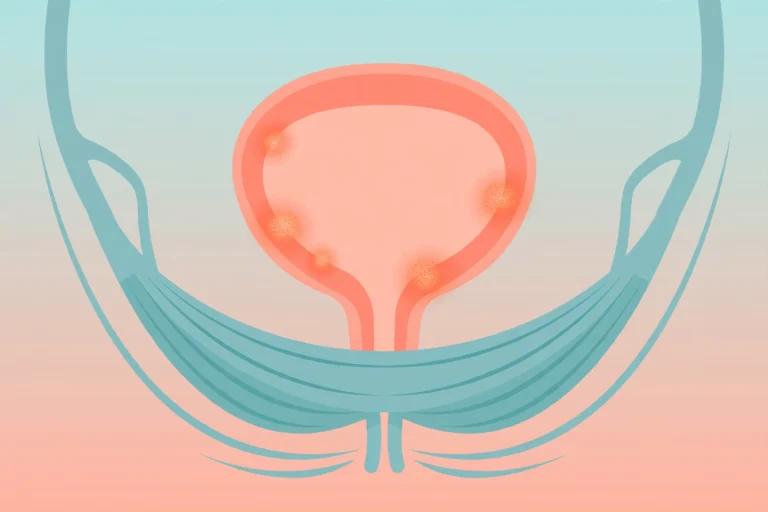
Dyspareunia (pain during sex) is widely recognized as a libido killer, but many women do not realize how treatable most pain is. Conditions such as endometriosis, fibroids, vulvodynia, and pelvic floor muscle dysfunction can all cause discomfort that trains the brain to avoid intimacy. The good news is that a proper evaluation often leads to effective treatment — including referral to a pelvic floor physical therapist, a resource most women have never heard of.
HSDD: When Low Desire Becomes a Diagnosis
Not every case of low libido in women is a medical condition. Clinicians use a specific diagnosis — female sexual interest/arousal disorder (FSIAD), often still called hypoactive sexual desire disorder (HSDD) — with clear criteria. Two things must both be true:
- The low desire has lasted at least six months.
- It causes significant personal distress or relationship difficulty.
Additionally, at least three of the following typically apply: little to no interest in sexual activity, few or no sexual thoughts or fantasies, no interest in initiating, and difficulty becoming interested in sexual cues.
Why does this matter? It tells you whether you are dealing with a normal variation or a condition worth treating. A temporary dip is normal. A persistent, distressing absence of desire is a recognized medical condition with recognized treatments.
What Doctors Recommend for Low Libido in Women
When low libido in women persists, treatment follows the cause — which is why a proper evaluation matters more than any single remedy. Here is what clinicians typically recommend, framed the way doctors themselves present it:
- Address the underlying cause first. Review medications with your doctor, treat thyroid problems or depression, evaluate iron and vitamin levels, and address pain during sex. Removing the cause often restores desire without any libido-specific treatment.
- Consider counseling or sex therapy. For stress, anxiety, relationship conflict, trauma history, or body image issues, therapy is often the most effective intervention. Couples therapy rebuilds emotional closeness; sex therapy improves communication and teaches practical techniques, including the responsive-desire approach.
- Lifestyle foundations. Regular exercise improves energy, body image, mood, and desire. Consistent sleep, reduced alcohol, quitting smoking, and stress management all support sexual health. Doctors consider these first-line, not optional extras.
- Hormone therapy, when appropriate. For menopause-related symptoms, doctors may discuss systemic or local (vaginal) estrogen for dryness and discomfort. Low-dose testosterone has supporting evidence for postmenopausal low desire, though it is prescribed carefully and monitored. These decisions are made with a clinician, never self-started.
- Prescription options. The FDA has approved medications for premenopausal HSDD, including flibanserin and bremelanotide, which act on brain neurotransmitters rather than hormones. Each carries its own risks — a doctor evaluates whether the benefit outweighs them for your situation.
Be cautious with over-the-counter “libido boosters” and herbal supplements. Most have weak evidence, and some interact with medications. Discuss any supplement with a clinician first.
How to Prepare for Your Doctor’s Visit
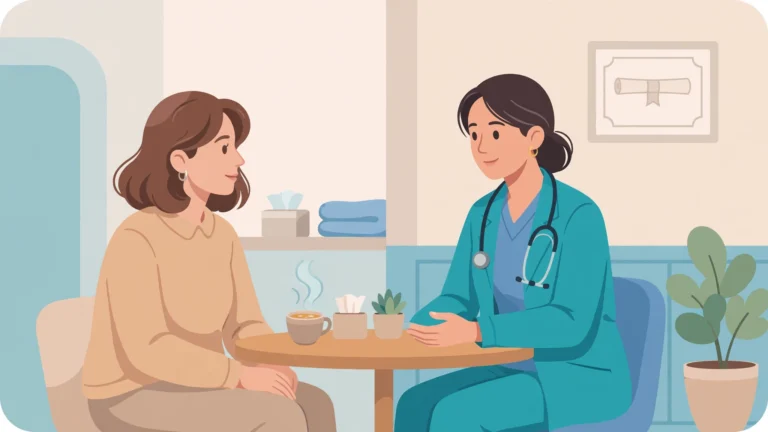
Many women put off the appointment because they do not know what to expect — or feel embarrassed bringing it up. Knowing the process removes the mystery. A sexual health evaluation is straightforward and clinical:
- Track a two-week timeline before your visit. Note when desire dropped, any new medications, and changes in sleep, mood, periods, pain, or relationship stress. Patterns — such as desire fading right after a prescription change or childbirth — are the most valuable clues a doctor can get.
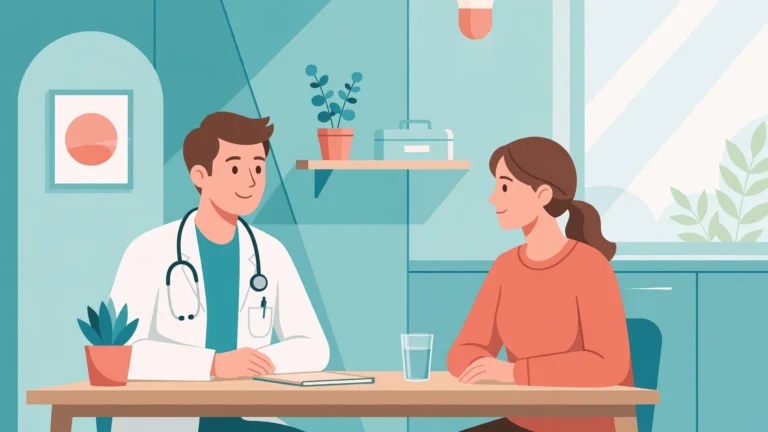
- Expect a comprehensive health history. The clinician will ask about your medical history, medications, mental health, relationship context, and sexual history. These are standard, professional questions — doctors discuss this topic routinely.
- Ask about blood work. Depending on your history, the doctor may order tests for thyroid function, prolactin, iron/ferritin, vitamin D, and hormone levels. This is how hidden causes get found.
- Bring a list of questions. Good ones include: “Could any of my medications be contributing?”, “Should we check my thyroid or iron levels?”, and “Would a referral to a pelvic floor therapist or counselor help?”
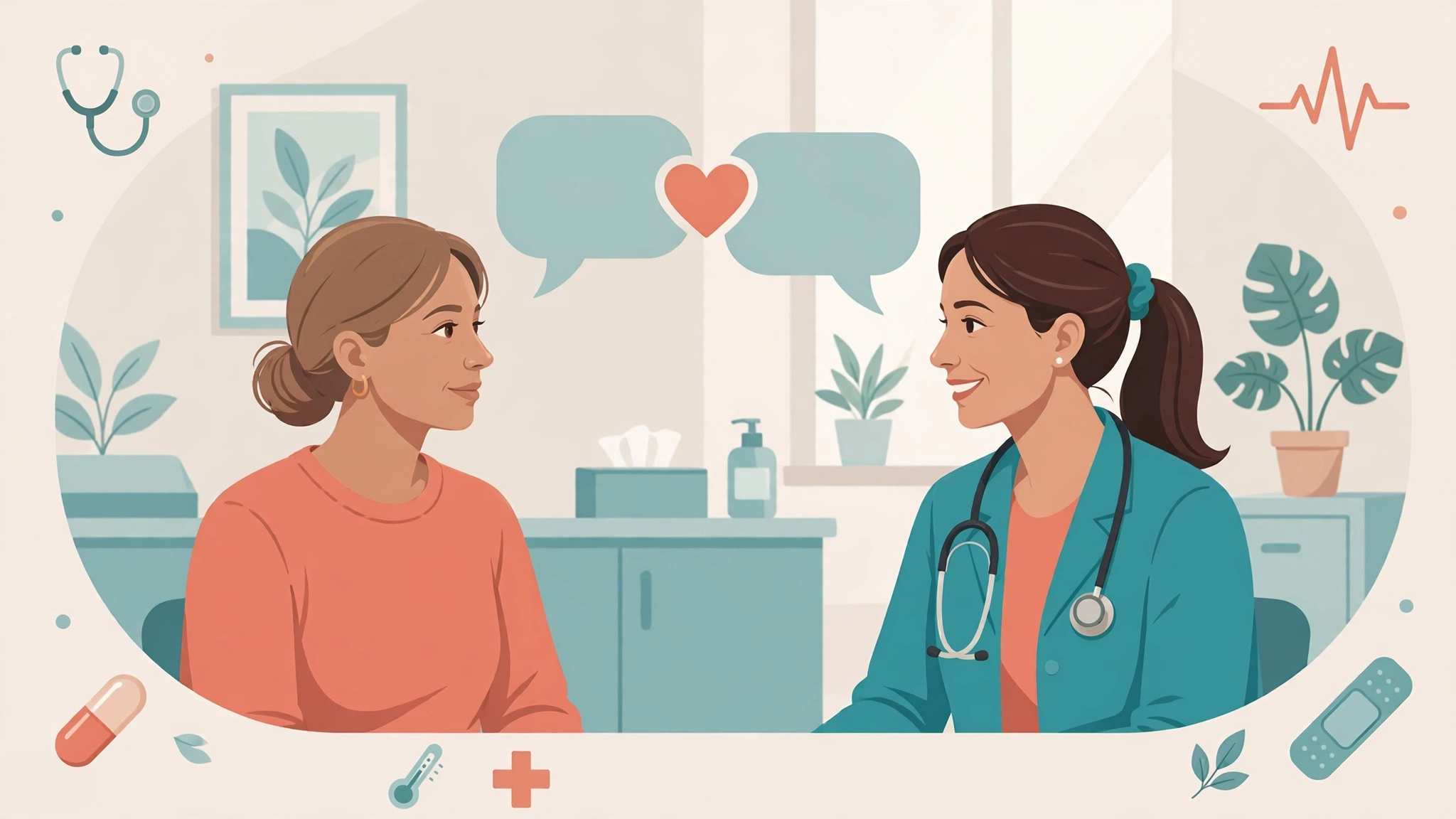
Primary care doctors and OB-GYNs are trained to handle this — you do not need a specialist to start. They can refer you to a sexual health specialist, therapist, or pelvic floor physical therapist if the situation is complex.
When to See a Doctor About Low Libido in Women
Doctors encourage an appointment if any of the following apply:
- The low desire has lasted several weeks or months and is not improving.
- It is causing distress, frustration, or sadness for you.
- It is affecting your relationship — creating distance, conflict, or avoidance.
- Sex is painful, or you have noticed vaginal dryness, bleeding, or pelvic pain.
- The change started after a new medication, childbirth, or menopause transition.
- You also have symptoms of an underlying condition: persistent fatigue, mood changes, unexplained weight change, or irregular periods.
- Lifestyle changes and open communication have not helped.
Seek prompt medical care if low desire appears alongside severe depression, sudden severe pelvic pain, unexplained vaginal bleeding, or significant unexplained weight loss — these can signal conditions that need urgent evaluation.
FAQs
Is it normal for libido to fluctuate over time?
Yes. Libido naturally varies with stress, the menstrual cycle, pregnancy, breastfeeding, menopause, illness, and life circumstances. Most women experience peaks and dips. Discuss it with a doctor when the low desire persists for months and causes distress.
When should I see a doctor about low libido?
See a doctor if low desire lasts several weeks or months, causes you distress, affects your relationship, involves pain during sex, or began after a medication change, childbirth, or menopause. A doctor can run blood tests, review medications, check for hormonal or nutrient issues, and refer you to therapy or specialists.
Can antidepressants lower libido?
Yes. Antidepressants — particularly SSRIs — are among the most common medication causes of low libido in women, and they can also delay orgasm. Newer antidepressants tend to have fewer sexual side effects. If you suspect your medication is the cause, discuss alternatives with your doctor rather than stopping the drug on your own.
What is HSDD?
HSDD (hypoactive sexual desire disorder), now classified as female sexual interest/arousal disorder, is the clinical diagnosis for persistent low desire. It requires at least six months of low desire plus significant personal distress, with symptoms like absent sexual thoughts and low responsiveness. It is a recognized, treatable medical condition — not a personal failing.
Is low libido after menopause permanent?
No. While declining estrogen commonly causes low libido in women and vaginal dryness around menopause, these changes can be addressed. Doctors may recommend local or systemic hormone therapy for dryness and discomfort, counseling for the emotional transition, lifestyle measures, and in some cases medications. Many women see real improvement once the underlying causes are treated.
Can relationship problems cause low libido?
Absolutely. When it comes to low libido in women, emotional distance, unresolved conflict, poor communication, and broken trust are among the strongest predictors of low desire in women, for whom emotional closeness is often essential to sexual interest. Couples therapy or sex therapy can help rebuild connection.
Medical disclaimer: This article is for educational purposes only and is not a substitute for professional medical advice, diagnosis, or treatment. Always consult a qualified healthcare professional about your concerns, and never start, stop, or change a medication based on information in this article.
If low libido in women is affecting your life, take the first step: talk to your doctor. A single honest conversation can uncover a fixable cause — and most women wish they had asked sooner. Explore our related guides on hormones and female libido and menopause and sex drive to keep learning.