Why Endometriosis Takes 7-10 Years to Diagnose
Endometriosis affects roughly 1 in 10 people of reproductive age — about 190 million worldwide — yet the average endometriosis diagnosis delay stretches 7 to 10 years from the first symptoms to a formal diagnosis. A decade of pain, dismissed appointments, and wrong diagnoses is not rare: it is the standard patient journey. Understanding why this happens is the first step to changing it, for patients, partners, and the doctors who care for them.
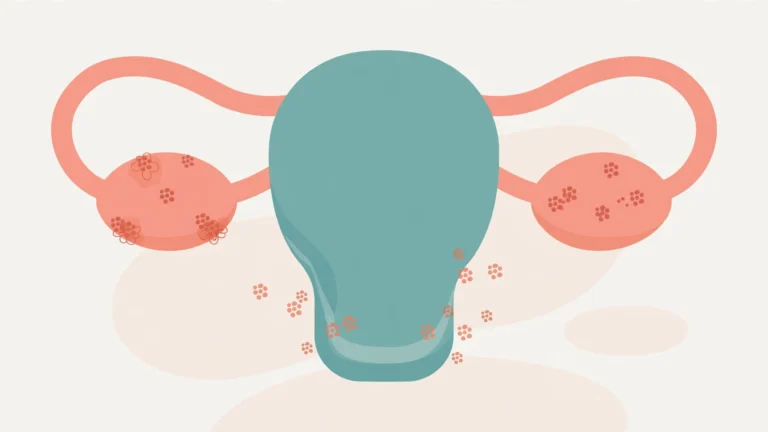
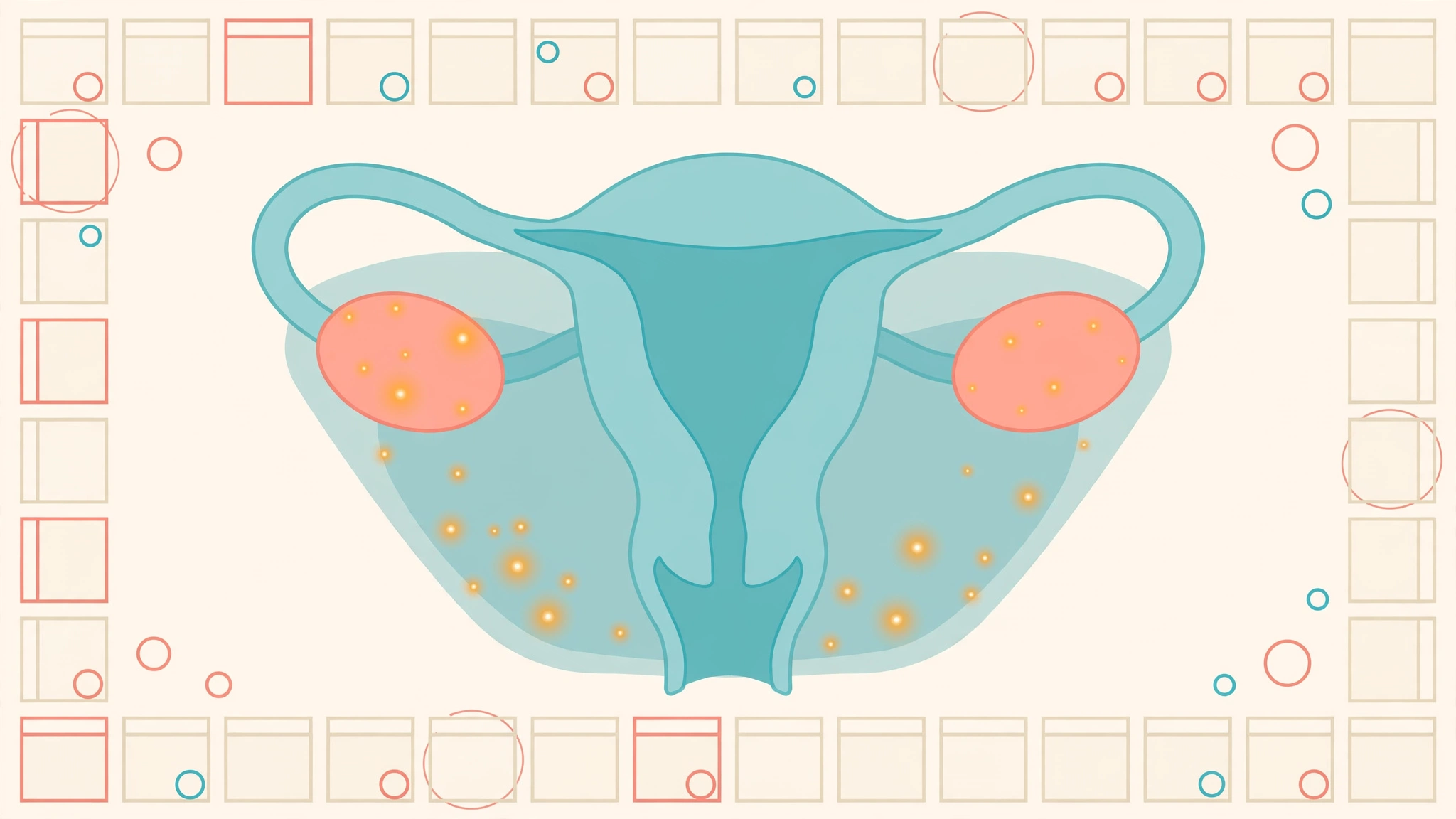
Endometriosis occurs when tissue similar to the lining of the uterus grows outside it — most often in the pelvic cavity — responding to hormonal cycles with inflammation, bleeding, and scar tissue. Despite how common it is, it remains one of the most under-recognized conditions in medicine. This article breaks down exactly where those lost years go, what the science says about the delay, and the concrete steps that can shorten your personal timeline.
Why the Endometriosis Diagnosis Delay Lasts 7–10 Years
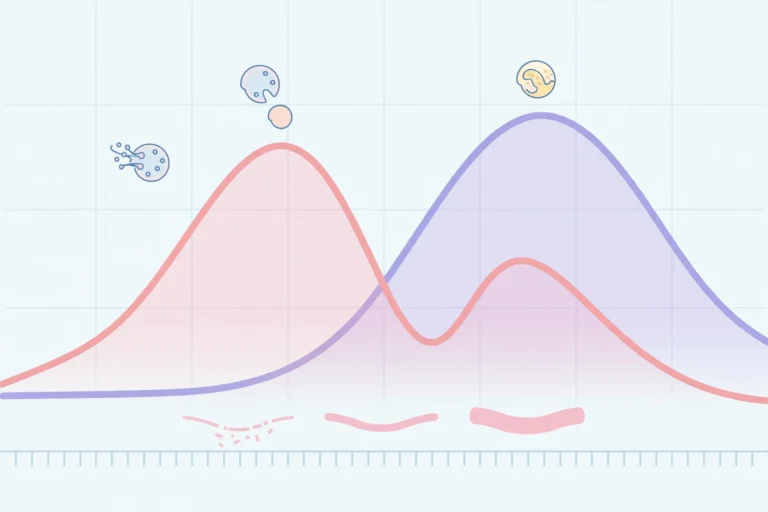
The delay is not a single bottleneck. Research from the World Endometriosis Research Foundation’s ten-country study of 1,418 women found an average of 6.7 years from symptom onset to surgical diagnosis — longer (8.3 years) in publicly funded systems. More importantly, the delay breaks into three distinct waits: roughly two years from first symptoms to the first doctor visit, two and a half years from that visit to a gynecology referral, and nearly three more years from reaching a gynecologist to a confirmed diagnosis. Each waiting room has its own causes.
1. Pain gets normalized — by everyone
Severe menstrual pain is routinely framed as “just part of being a woman.” Many patients hear that cramps are normal, that they should tough it out, or that things will improve with time. When both patients and clinicians treat debilitating pain as ordinary dysmenorrhea, the endometriosis diagnosis delay starts before a doctor ever enters the picture. A useful rule of thumb from clinicians: normal menstrual cramping responds to over-the-counter pain relief and settles within 24 to 72 hours without derailing daily life. Pain that resists ibuprofen, forces missed school or work, or extends beyond the bleeding days deserves medical investigation — not endurance.
2. Symptoms mimic other conditions
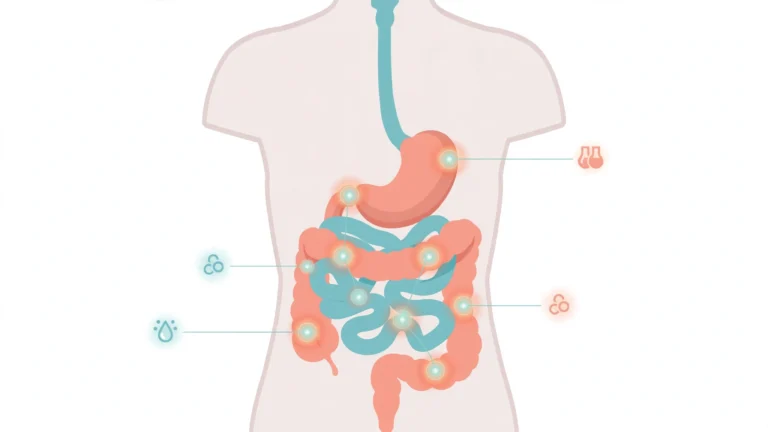
Endometriosis is a master of disguise. Pelvic pain, bloating, painful bowel movements, and bladder symptoms timed to the menstrual cycle are frequently attributed to irritable bowel syndrome (IBS), urinary tract problems, or pelvic inflammatory disease. Patients can spend years in gastroenterology or urology clinics being treated for digestive or urinary disorders before anyone considers a gynecologic cause. This misdiagnosis loop is one of the largest contributors to the endometriosis diagnosis delay, and it is especially common when symptoms appear acyclically — outside the period — which happens in a significant share of cases.
3. There is no simple test — and normal scans do not rule it out
Unlike many conditions, endometriosis has no single blood test or scan that confirms it. Here is what each diagnostic step actually shows:
- Pelvic exam: can reveal tenderness or nodules, but often misses the disease entirely.
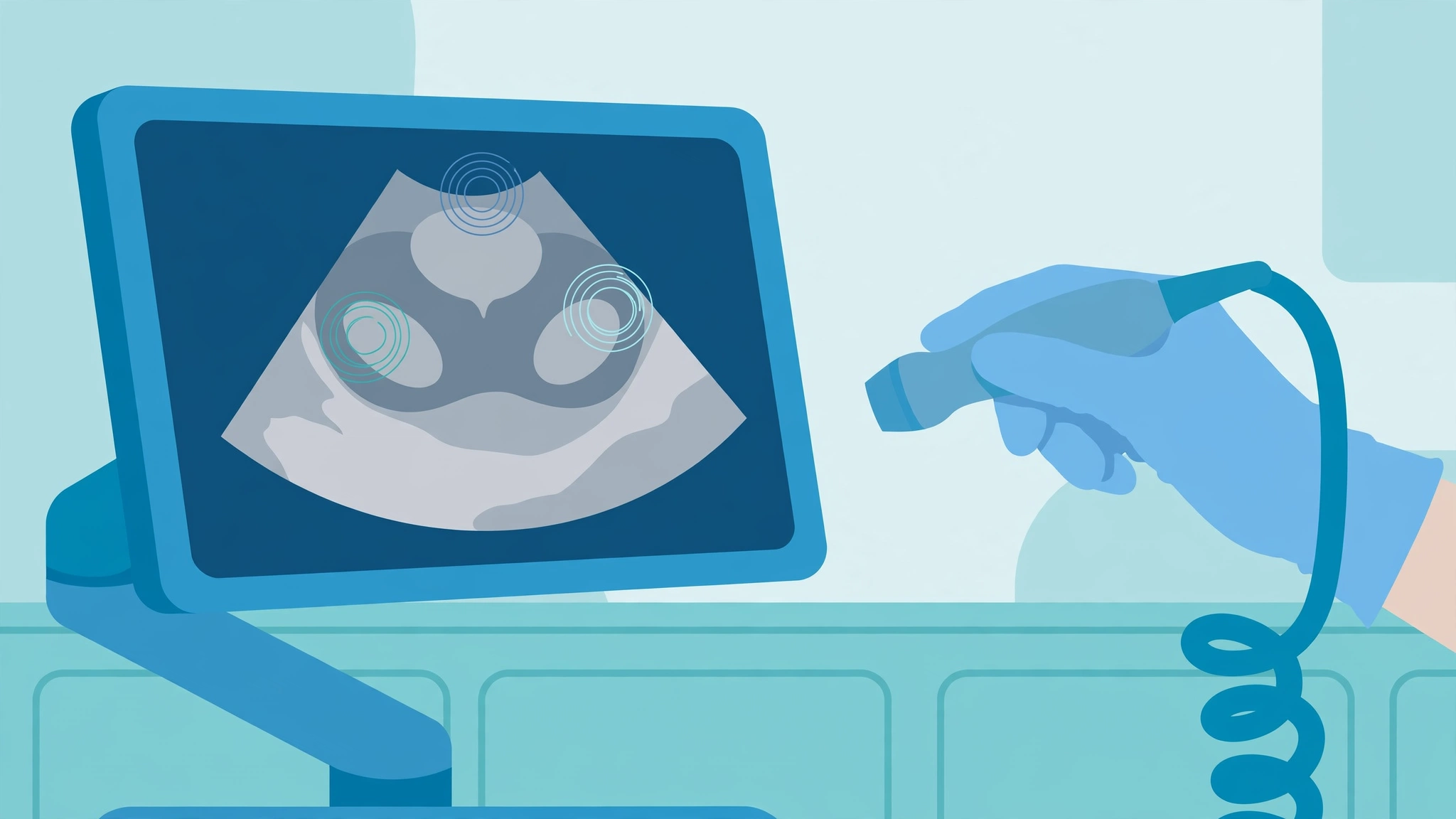
- Routine transvaginal ultrasound: reliably finds ovarian endometriomas (chocolate cysts), but superficial peritoneal lesions — tiny vesicles and plaques a few millimeters across — are invisible to it. A basic scan only evaluates the uterus and ovaries; disease outside those structures goes undetected. A normal routine ultrasound does not rule out endometriosis.
- Specialized ultrasound and MRI: when performed by imagers trained in endometriosis, dynamic ultrasound assessing soft markers and the “sliding sign,” plus high-resolution MRI with structured reporting, can map deep infiltrating lesions, bowel involvement, and adenomyosis before surgery.
- Laparoscopy with biopsy: remains the gold standard — a minimally invasive surgical look with tissue verification by a pathologist. Historically, waiting for surgical confirmation prolonged diagnosis, and many patients are understandably reluctant to undergo surgery.
Doctors now emphasize that endometriosis can be diagnosed clinically — based on history and exam — and that a “normal” routine scan should be read as exactly that: a scan that excluded endometriomas, nothing more.
4. Teenage endometriosis looks different
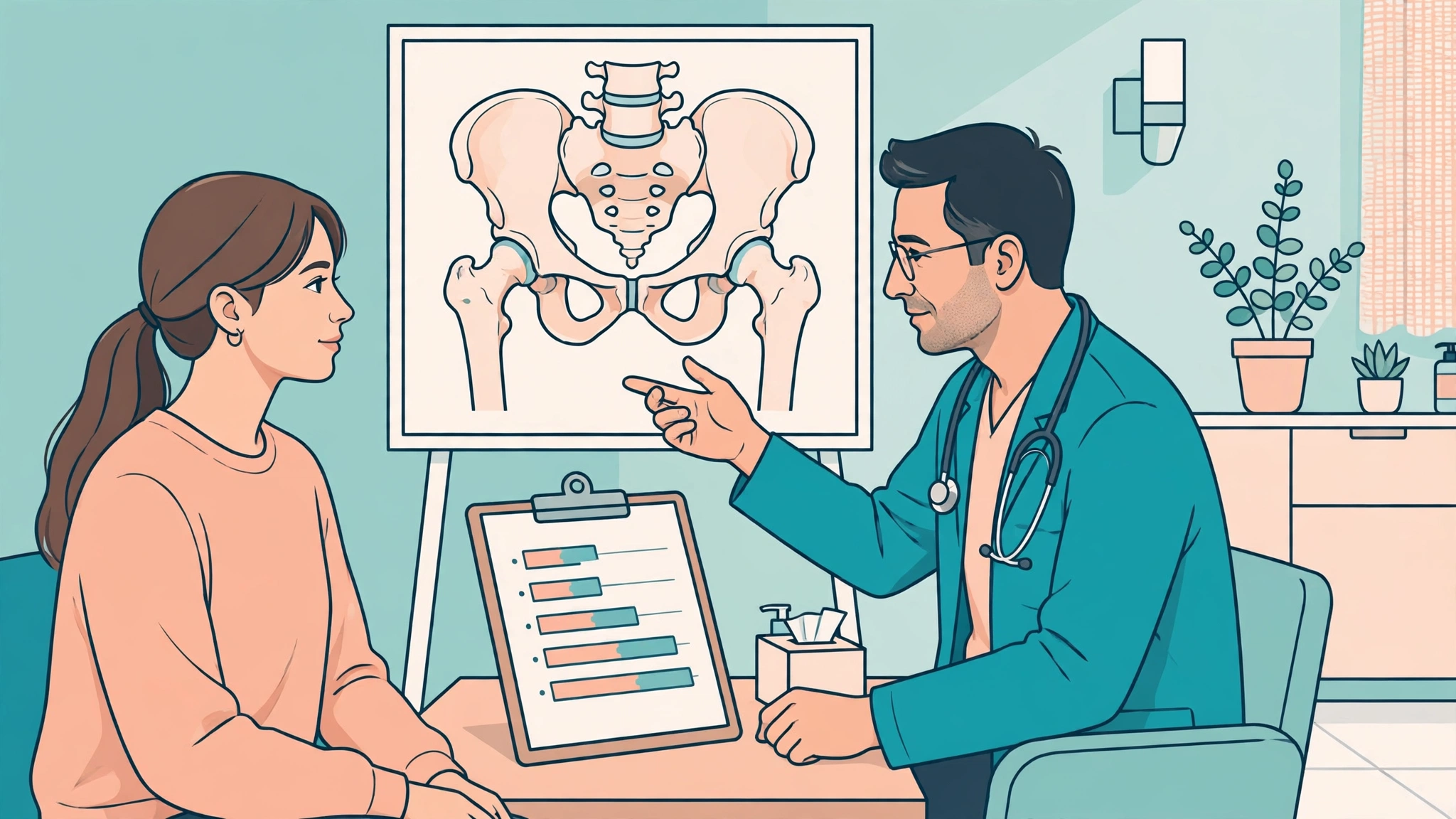
In roughly 60% of adult patients, symptoms began before age 20 — yet the adolescent disease rarely matches the textbook. Adults classically present with cyclical pain tied to the period. In adolescents, only about 9% have purely cyclical pain; most experience pain on days they are not bleeding, alongside nausea, bloating, or bowel changes. This atypical presentation is repeatedly mislabeled as stress, constipation, or IBS, and the “is it with your periods?” question filters these teenagers out. The result: the endometriosis diagnosis delay is longest for those whose symptoms started youngest.
5. The system itself moves slowly
Even after a patient seeks care, referral waits, limited specialist availability, and gaps in provider training add years. Research from Australia found patients typically see around five doctors before a formal diagnosis. Delays are also unequal: Black women and women of color consistently face longer diagnostic delays, with their pain more likely to be dismissed or misattributed — a disparity that every part of the healthcare system must address. Awareness itself changes the timeline: a 2026 New Zealand study found that patients who had never heard of endometriosis when symptoms began waited a median of 11 years, versus 9 for those who knew about the condition.
Stage Does Not Match Pain — and That Confuses Everyone
Endometriosis is classified into four ASRM stages — minimal, mild, moderate, severe (frozen pelvis). Here is what surprises most people: stage has essentially zero correlation with pain. A patient with Stage I superficial disease sitting on a sensitive pelvic nerve can be in daily agony, while someone with Stage IV fused organs may feel little. Pain severity also does not predict how the disease looks on imaging. This disconnect fuels the endometriosis diagnosis delay in both directions — patients with severe pain get told their mild imaging “can’t explain it,” while silent disease is found incidentally. Pain is real and deserves investigation regardless of what a scan shows.
What the Delay Costs Couples
The endometriosis diagnosis delay is not just a medical problem — it is a relationship problem. Years of unexplained pain reshape intimacy: more than half of people with confirmed endometriosis report deep dyspareunia (pain with deep penetration during sex), and it is one of the most diagnostically significant symptoms a gynecologist can evaluate. Yet painful sex is one of the symptoms patients least often volunteer and clinicians least often ask about.
For couples, this creates a painful loop: intimacy causes pain, pain causes avoidance, avoidance causes guilt and distance — all without a name or an explanation. Partners of people with undiagnosed endometriosis often report feeling shut out, while the person in pain feels unheard twice over. Naming the condition does not fix everything, but research consistently shows that a diagnosis brings validation that reduces relationship strain. If you are navigating this, our guides on why sex can hurt and the common causes of low libido worth ruling out first explain how pain and desire interact, and when to seek help together.
The delay also has measurable costs: lost education and career opportunities, strained finances from repeated appointments, and mental health consequences — anxiety, depression, and medical mistrust that can outlast the pain itself.
Endometriosis is also a condition where looking fine and feeling fine are two different things. Friends, employers, and even doctors may see someone who appears healthy while she manages exhaustion, canceled plans, and quiet doses of painkillers. This invisibility is part of why the endometriosis diagnosis delay persists: without a visible injury or an abnormal blood test, the burden of proof falls on the patient. Building a paper trail — symptom diaries, failed treatments, missed days — turns private suffering into evidence no clinician can wave away.
How to Shorten Your Own Timeline
You cannot fix the system overnight, but you can change what happens inside your appointments. Doctors who specialize in endometriosis recommend these concrete steps:
- Track symptoms as a pattern, not isolated complaints. Keep a diary of pain scores, bleeding, bowel and bladder symptoms, and how pain affects work, school, and intimacy. A “flare snapshot” — your worst symptoms, when they peak, and your top three improvement goals — gives a clinician far more than a vague “cramps are bad.”
- Learn the difference between your scan results. If your routine ultrasound was normal, ask what it actually excluded. For suspected deep disease, ask about specialized ultrasound with an experienced imager or a pelvic MRI — these are legitimate next steps, not luxuries.
- Treat empiric hormonal treatment as a diagnostic trial, not a discharge. Doctors often start hormonal therapy before a formal diagnosis — this is reasonable. But set a review date and define what “response” means before you start. Pain that persists on adequate hormonal suppression is itself a meaningful diagnostic signal.
- Disclose painful sex directly. Deep dyspareunia is a red flag, not a complaint to be embarrassed about. Mention it explicitly, alongside the timing of your symptoms.
- Ask for a referral when first-line care fails. If treatment is not helping, ask your primary-care doctor or gynecologist for a referral to an endometriosis specialist. Bring a support person if appointments feel dismissive — having someone with you helps you feel validated and heard.
- Watch the horizon. Non-surgical tools are advancing: specialized imaging protocols are improving rapidly, and blood-based tests for endometriosis are in development. You do not have to wait passively for them.
Authoritative patient information is available from the Mayo Clinic and the American College of Obstetricians and Gynecologists (ACOG), both of which emphasize that severe period pain is not something to simply endure.
FAQs
How long does the endometriosis diagnosis delay usually take?
The endometriosis diagnosis delay averages 7–10 years from first symptoms to formal diagnosis. A ten-country study of 1,418 women found an average of 6.7 years to surgical diagnosis, split into roughly two years before the first doctor visit, two and a half to reach a gynecologist, and three more to a confirmed diagnosis.
What are the red flags that period pain might be endometriosis?
Seek evaluation if period pain resists over-the-counter medication, lasts beyond the bleeding days, forces you to miss school or work, or is getting worse over time. Additional red flags include deep pain during sex, bowel or bladder symptoms timed to your cycle, heavy bleeding, and difficulty conceiving after a year of trying.
Does a normal ultrasound mean I do not have endometriosis?
No. A routine pelvic ultrasound reliably detects ovarian cysts but misses superficial peritoneal lesions that no standard imaging can see. A normal scan excludes an endometrioma — nothing more. Specialized ultrasound or MRI by an experienced imager detects deep disease that routine scans miss, so ask what your scan actually ruled out.
Can endometriosis be diagnosed without surgery?
Yes, increasingly so. Doctors can make a clinical diagnosis based on history, exam, and response to empiric hormonal therapy, and specialized imaging can map deep lesions before surgery. Laparoscopy with biopsy remains the gold standard for definitive confirmation, but waiting for surgery is no longer required to start appropriate treatment.
Should I tell my doctor about painful sex?
Absolutely. Deep dyspareunia is one of the most diagnostically significant symptoms of endometriosis — over half of people with confirmed disease report it. It is also frequently linked to deep infiltrating lesions. Disclosing painful sex directly, along with its timing relative to your cycle, gives your clinician a crucial diagnostic clue.
What can I track at home to speed up an endometriosis diagnosis delay?
Track pain intensity and location daily, bleeding patterns, bowel and bladder symptoms, pain during or after sex, missed work or school days, and which medications help. Bring a one-page summary to appointments. Patients who arrive with documented patterns reach accurate diagnoses faster than those describing isolated episodes.
Talk to your doctor if these red flags sound familiar — a diagnosis is the doorway to real treatment. Explore our related guides on pelvic pain and intimacy for more, and share this article with someone who has been told for years that her pain is “normal.”
Medical disclaimer: This article is for educational purposes only and is not medical advice. Endometriosis can only be diagnosed and treated by a qualified healthcare professional. If you are experiencing severe pelvic pain or other symptoms described here, consult your doctor or a gynecologist specializing in endometriosis.