Sexual Wellness and Self-Care: Why It Matters for Health
When people list their self-care habits, they usually mention skincare, exercise, journaling, or a relaxing bath. Rarely does anyone include sexual wellness self care — yet the World Health Organization defines sexual health as a fundamental dimension of overall well-being, and clinicians increasingly agree that it deserves the same deliberate attention as diet, sleep, and movement. This guide explains what sexual wellness self care really means, the evidence behind its health benefits, and how both men and women can build it into a healthy routine.
What Is Sexual Wellness Self Care?
Sexual wellness self care is the practice of intentionally tending to your sexual health, comfort, and connection as part of your overall self-care routine — not as an indulgence, but as preventive health. It includes four pillars: knowledge of your body, open communication with partners, physical care (checkups, pelvic floor strength, hygiene), and a positive, shame-free attitude toward intimacy.
Importantly, sexual wellness self care is not limited to partnered sex. Solo practices such as mindful self-exploration, pelvic floor exercises, stress-reduction habits, and regular health screenings all count. The goal is agency: understanding what helps your body function well and feel well, then making time for it — the same way you would schedule exercise or a dental checkup.
The Science-Backed Benefits Doctors Recognize
Researchers and clinicians have documented several measurable health effects linked to regular, healthy sexual activity and related self-care practices. While no single behavior is a cure-all, the pattern across studies is consistent: people who attend to their sexual health tend to report better physical and emotional outcomes.
Stress, Cortisol, and Mood
Intimacy and orgasm trigger the release of endorphins and oxytocin, neurochemicals associated with relaxation and bonding. Reviews of the evidence note that sexual activity and self-stimulation can help some people relieve stress and physical tension. Because chronic stress suppresses desire and raises cortisol — which itself dampens libido — stress management is both a pathway into better intimacy and one of its rewards. Mayo Clinic identifies stress management as a core pillar of sexual health for this reason.
Sleep Quality
After orgasm, the body releases prolactin, a hormone associated with the post-orgasmic relaxation response, which many people find helps them fall asleep more easily. If you already struggle with insomnia, you may notice the difference that healthy sexual wellness self care makes: sleep and sex drive influence each other in both directions, so protecting your sleep also protects your desire.
Cardiovascular and Immune Function
Sexual activity is light-to-moderate physical activity that raises heart rate and improves circulation — supportive of cardiovascular health alongside regular exercise. One well-known study also found that adults who had sex once or twice a week had higher levels of immunoglobulin A, an antibody that helps the body fight infections. These effects are modest and should not replace medical care, but they are part of the growing body of research on why intimacy is health-positive.
Pelvic Floor Strength
Pelvic floor muscles support the bladder, bowel, and — in women — the uterus, and they play a direct role in sexual function. Regular sexual activity, along with targeted pelvic floor (Kegel) exercises, helps maintain muscle tone that supports continence, core stability, and sexual responsiveness in both men and women.
Sexual Wellness Self Care for Women
Women’s sexual self-care begins with body knowledge. Many women reach adulthood without fully understanding their own anatomy, which makes mindful self-exploration genuinely educational — learning what feels comfortable helps you communicate needs to a partner and notice when something changes.
- Track your cycle alongside desire: Hormonal shifts across the menstrual cycle, pregnancy, postpartum recovery, and perimenopause all influence desire and comfort. Noticing your own patterns makes it easier to distinguish a normal fluctuation from something worth discussing with a clinician.
- Practice pelvic floor exercises: Kegels strengthen the muscles involved in arousal, orgasm, and bladder control. A simple routine — contract, hold for five seconds, release — done in three sets of ten daily is the standard recommendation clinicians suggest.
- Keep up with preventive visits: Regular gynecological visits, Pap smears on your doctor’s recommended schedule, and STI screening as advised are foundational. Prepare questions in advance; many clinicians find that patients who bring a written list get more out of the visit.
- Use lubrication without embarrassment: Vaginal dryness affects women of many ages — from postpartum to perimenopause — and water- or silicone-based lubricants are a simple, doctor-approved comfort measure.
Sexual Wellness Self Care for Men
Men’s sexual wellness self-care is rarely discussed openly, which means many men miss basic preventive steps. Healthy sexual wellness self care for men centers on circulation, hormones, and honest checkups.
- Treat erection changes as health information: Erectile difficulty can be an early marker of cardiovascular risk factors such as high blood pressure, high cholesterol, or diabetes. Doctors view new or persistent changes as a reason for a checkup, not something to ignore.
- Do monthly testicular self-exams: A brief monthly self-exam after a warm shower — gently rolling each testicle to check for lumps or swelling — is the standard early-detection habit clinicians recommend.
- Exercise for circulation: Aerobic exercise improves blood flow throughout the body, including the genital region, and is consistently linked to better erectile function. Aim for at least 150 minutes of moderate activity per week, per standard guidelines.
- Limit alcohol and avoid smoking: Both impair circulation and can reduce desire and performance. The NHS notes smoking as a risk factor for erectile dysfunction and encourages quitting for sexual as well as cardiovascular health.
- Know your numbers: Blood pressure, cholesterol, and blood sugar checks matter for sexual function too — ask your doctor whether your cardiovascular risk factors are affecting your sexual health.

A Doctor-Backed 7-Day Sexual Wellness Self-Care Routine
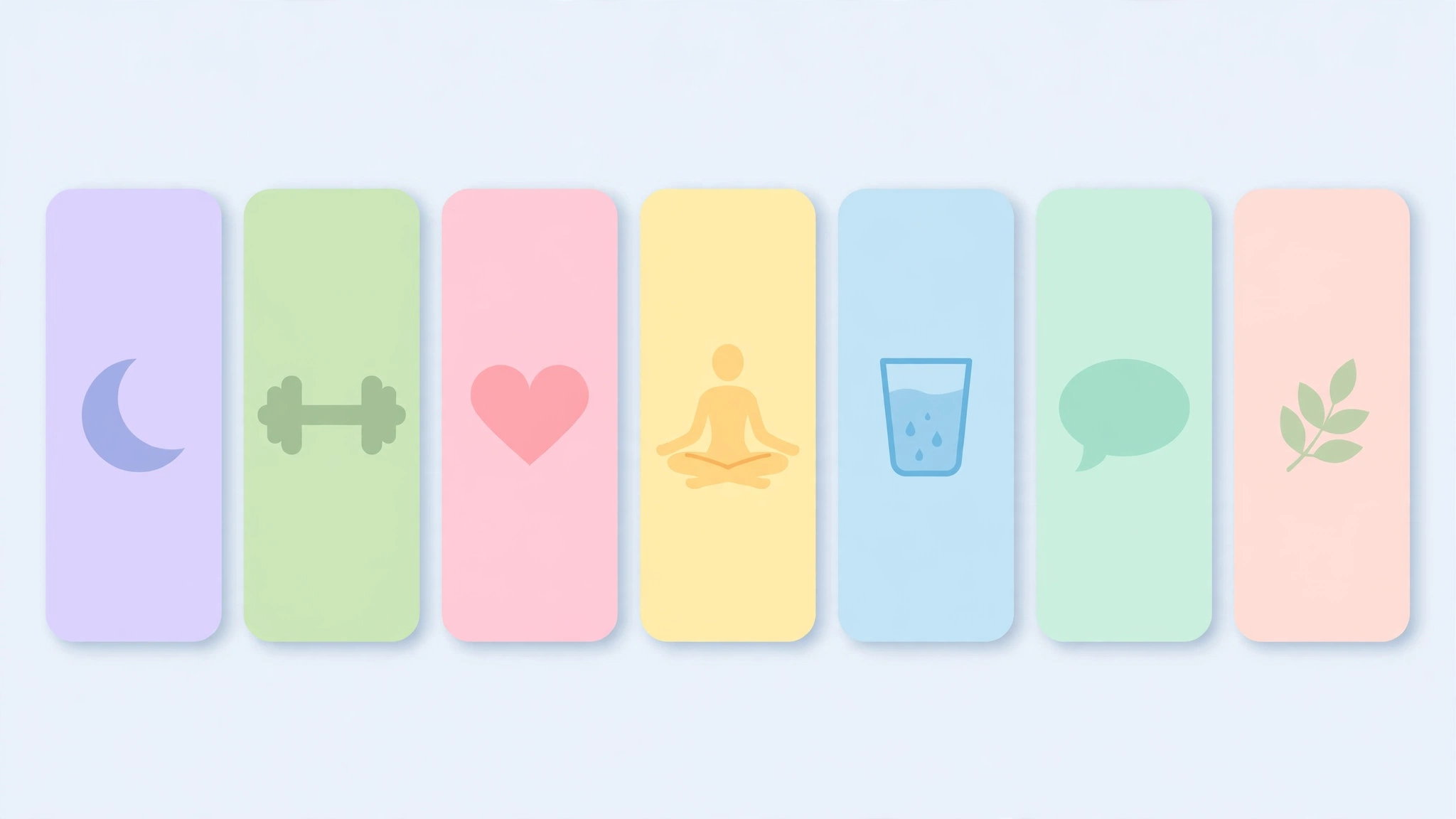
You do not need to overhaul your life. Small, repeatable habits compound. Here is a one-week framework you can repeat or adapt — treat it like a wellness appointment with yourself.
| Day | Focus | Simple action |
|---|---|---|
| Monday | Stress reset | 10 minutes of deep breathing or meditation — lower cortisol supports desire |
| Tuesday | Move | 30 minutes of brisk walking or cardio for circulation and mood |
| Wednesday | Body check-in | 5 minutes of pelvic floor exercises (3 sets of 10 holds) |
| Thursday | Connect | A 15-minute partner conversation about needs, stress, or appreciation — no agenda |
| Friday | Pleasure intentionally | Scheduled solo or partnered time, mindful and unhurried |
| Saturday | Learn | Read one trusted article or chapter about sexual health |
| Sunday | Rest | Prioritize 7–9 hours of sleep and a relaxed evening routine |
The key is consistency rather than intensity. People who schedule intimacy — solo or partnered — often report that desire follows the habit rather than waiting for desire to strike first. Keep a brief journal noting energy, mood, and comfort; patterns you observe can be genuinely useful to share with your doctor.
Sexual Wellness Across Life Stages
Sexual wellness self care looks different at different ages, and each stage brings legitimate medical considerations.
- Postpartum: Fatigue, hormonal shifts, and physical healing all affect desire. Doctors generally advise waiting until cleared at the postpartum checkup before resuming intercourse, and pelvic floor rehabilitation exercises can support recovery. Low desire during this period is extremely common and usually temporary.
- Perimenopause and menopause: Declining estrogen can cause vaginal dryness and thinning tissue. Regular vaginal moisturizers, lubricants, and — when a doctor recommends them — localized therapies are standard clinical tools. Continued sexual activity itself supports blood flow and tissue health.
- Andropause and aging men: Testosterone declines gradually with age, and changes in erection quality or desire are common. A clinician can evaluate whether lifestyle factors, medications, or hormonal changes are contributing, and what options exist.
- Chronic illness: Diabetes, heart disease, arthritis, and neurological conditions can all affect sexual function. Many are manageable with the right adjustments — but only if you raise the topic with your doctor, who can review medications and suggest workarounds.
When to Talk to Your Doctor: Warning Signs and Medications
Many sexual concerns are highly treatable, but they require a conversation first. See a doctor — your GP, a urologist, a gynecologist, or a certified sex therapist — if you experience:
- Persistent pain during sex (for either partner)
- A sudden or lasting loss of desire that distresses you
- Erectile or arousal difficulties lasting more than a few weeks
- Bleeding after sex, unusual discharge, or new lumps or sores
- Sexual side effects after starting a new medication — blood pressure drugs, certain antidepressants (SSRIs), and some hormonal contraceptives can affect desire, arousal, or orgasm. Never stop a prescribed medication on your own; ask your doctor about alternatives or adjustments.
What a Sexual Health Checkup Actually Covers
Many people skip sexual health visits simply because they do not know what to expect. A routine sexual wellness self care checkup is straightforward: your clinician reviews your history and current concerns, may order STI screening and — depending on age and risk factors — discuss contraception, vaccination (such as HPV), pelvic or prostate exams, and any symptoms like pain, dryness, or erectile changes. Blood pressure and metabolic checks are often relevant too, since circulation and hormones are closely tied to sexual function.
Routine STI screening is another core part of sexual wellness self care for anyone who is sexually active: many infections are asymptomatic, so testing — not symptoms — is how most are detected. Our STI testing guide explains when and how often to get tested.
FAQs
What is sexual wellness in simple terms?
Sexual wellness means feeling comfortable, confident, and safe in your body and intimate life. It covers physical health (checkups, pelvic floor strength, STI prevention), emotional well-being (body confidence, absence of shame), and relational health (communication, consent, connection). It applies to partnered people and single people alike.
Is sexual wellness really part of self-care?
Yes. Just as sleep, nutrition, and exercise support whole-body health, attending to your sexual health affects stress levels, mood, sleep quality, and relationship satisfaction. The WHO lists sexual health as a core dimension of well-being. Neglecting it — from skipping checkups to ignoring persistent pain — is a gap in self-care like any other.
How can I start a sexual wellness self-care routine?
Start small and repeatable: schedule one or two brief weekly sessions for stress relief and body awareness, add daily pelvic floor exercises, exercise regularly, and book any overdue checkups or STI screenings. Keep a short journal of energy and comfort levels. Small, consistent habits matter more than dramatic changes.
Can mental health affect my sexual wellness?
Absolutely. Stress, anxiety, and depression commonly reduce desire, make arousal harder, and strain intimate connection — and certain antidepressants can also have sexual side effects. Managing mental health through therapy, stress reduction, and medication reviews with your doctor often improves sexual wellness as a direct side benefit.
When should I see a doctor about a sexual concern?
See a clinician if a concern persists for more than a few weeks, causes you distress, involves pain or bleeding, or appeared after starting a new medication. GPs, gynecologists, urologists, and certified sex therapists all handle these topics daily. Bring a short written list of symptoms, timing, and questions to make the visit productive.
Is it normal for desire to change over time?
Yes — desire fluctuates across the menstrual cycle, pregnancy, postpartum recovery, perimenopause, aging, periods of stress, and life transitions. Fluctuation alone is not a problem. What matters is whether the change distresses you or signals something else, such as a medication side effect, hormonal shift, or relationship strain worth addressing.
A gentle next step: pick one small practice from this guide — the evening walk, the five-minute pelvic floor routine, or the conversation you have been postponing — and try it this week. If anything here raised a question about your own health, consider it a prompt to talk to your doctor, and explore our related guides on sleep and sex drive and STI testing for more.
Medical disclaimer: This article is for educational purposes only and is not medical advice. Sexual health is personal and complex; the information here cannot replace professional evaluation. If you have concerns about your sexual health, consult a qualified healthcare professional for guidance appropriate to your situation.