Romantic Lovemaking: Slowing Down Together
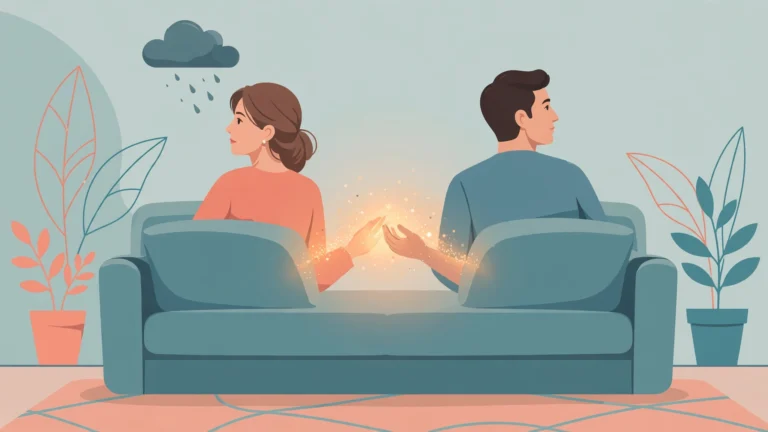
Most couples know the feeling: the week is a blur of deadlines, notifications, and chores, and intimacy starts to feel like one more item squeezed between tooth-brushing and sleep. If that sounds familiar, these romantic lovemaking tips are built for you. Romantic lovemaking is not about performance or grand gestures — it is the deliberate choice to slow down together, so that touch, attention, and pleasure have room to breathe. This guide to romantic lovemaking tips blends relationship science, clinician-recommended techniques like sensate focus, and practical pacing strategies to help you and your partner rediscover what unhurried intimacy feels like.
What Romantic Lovemaking Actually Means
Romantic sex means different things to different couples, but therapists consistently describe it as lovemaking where the emotional connection is the point — not a finish line to cross. It involves sustained eye contact, unhurried touch, verbal tenderness, and a willingness to let arousal build slowly rather than rushing toward climax. Cosmopolitan’s expert-sourced guides to romantic sex emphasize that slow, sweet, sensual encounters capitalize on bonding hormones like oxytocin, making partners feel more physically and emotionally intertwined than fast, purely physical encounters do.
That hormonal detail matters. Oxytocin — often called the bonding hormone — rises with prolonged skin contact, gentle touch, and nipple stimulation, and it strengthens feelings of closeness and trust. Dopamine and serotonin rise with affectionate words and anticipation. In other words, the “slow” in romantic lovemaking is not just a vibe; it is biochemistry working in your relationship’s favor. That is why these romantic lovemaking tips treat slowness as a strategy, not just a mood.
Romantic Lovemaking Tips: The Science of Slowing Down
Here is the first gap most popular guides miss: the reason rushing feels unsatisfying has a name, and understanding it changes everything.
Responsive desire: why “not in the mood” is normal
Sex researchers distinguish between spontaneous desire (the movie version: sudden, urgent hunger) and responsive desire, where interest awakens only after arousal begins. Clinicians increasingly teach couples that responsive desire is the most common pattern — especially in long-term relationships. This means the best romantic lovemaking tips do not start in the bedroom. They start with deciding to create the conditions where desire can respond: a planned, unrushed evening; a lingering shower together; a full-body massage with no goal beyond touch.
If you have ever declined intimacy because you “weren’t in the mood,” and then genuinely enjoyed it once things began, you have already experienced responsive desire. Slowing down honors this pattern instead of fighting it. Scheduling a “slow night” is not unromantic — it is one of the most romantic things you can do, because it says this matters enough to plan for — which is the heart of these romantic lovemaking tips.
Arousal comes in waves — learn to ride them
The second piece of science popular guides rarely explain: arousal is not a straight line up to climax. It rises, dips, plateaus, and rises again. Rushing treats every moment as a ladder rung toward a goal; romantic lovemaking treats arousal like the tide, letting it ebb and flow. Therapists sometimes call this plateau play: when intensity builds, deliberately pause, return to kissing, breathe together, and let the wave settle before letting it rise again.
This is the opposite of edging as a performance trick. The point is not a more intense climax (though that often happens); the point is stretching out the middle of the experience so there is more of it. Each plateau gives your nervous system time to release oxytocin and for you both to notice — really notice — your partner.
Synchronized breathing: the simplest intimacy tool
Few romantic lovemaking tips are as simple or as well-supported as breathing together. Tantric traditions have taught breath synchronization for centuries, and modern research on co-regulation supports the mechanism: when two people consciously match their breathing rhythm, heart-rate variability tends to synchronize too, deepening the sense of connection. Try this: during any face-to-face moment — a kiss, an embrace, a quiet pause — inhale as your partner exhales. A few minutes of this can shift the entire emotional temperature of the evening.

A Sensate Focus Exercise for Couples
Sensate focus is a structured touch exercise developed by pioneering sex researchers Masters and Johnson and still widely used by sex therapists today. It is one of the most effective romantic lovemaking tips a couple can learn, and almost no mainstream article covers it. It is also one of the few romantic lovemaking tips with decades of clinical support behind it, and it pairs beautifully with the pacing strategies above. Here is a simplified version you can try at home.
Round one: non-genital touch
Agree in advance that this round involves no genital touch and no goal of arousal — only curiosity. Set a timer for 15 to 20 minutes. One partner lies down and simply receives; the other explores their partner’s body slowly with hands, using light and medium pressure: shoulders, arms, back, legs, feet, neck, scalp. The giver focuses on what their own hands notice — temperature, texture, breath changes. The receiver focuses on receiving, saying “more of that” or “softer, please” when moved to. Then switch roles.
Round two: include breasts and genitals (still no goal)
Once round one feels easy (perhaps after a few sessions on different days), repeat the exercise including breasts and genital areas — still with no goal of climax. The rule remains the same: touch for sensation, not for outcome. This retrains both partners to stay present instead of mentally racing ahead.
Round three: bring it into lovemaking
Now integrate: during lovemaking, alternate who “leads” the tempo. The leader slows things down whenever the pace starts to run away — pausing for a kiss, a long look, a breath together. Over a few weeks, practicing these romantic lovemaking tips becomes a habit, and slowing down stops being an effort and starts being your natural rhythm.
Sex therapists recommend sensate focus for performance anxiety, mismatched desire, and couples who feel “efficient” but disconnected. It remains one of the most clinically endorsed romantic lovemaking tips available — and it costs nothing but attention. If persistent anxiety or pain is involved, working through it with a qualified sex therapist is worthwhile.
Designing Your Slow-Down Ritual
Most romantic lovemaking tips mention candles and music, but few explain the deeper principle: ritual. A ritual is a repeatable sequence that signals to your nervous system “we are shifting into a different mode.” Rituals reduce the decision fatigue that kills romance. Here is a template from these romantic lovemaking tips that you can adapt:
| Phase | What to do | Time |
| Transition | Phones off and out of the bedroom. Change into something that feels good. One shower or warm wash together. | 10 min |
| Arrival | Sit facing each other. Three slow breaths together. Each share one appreciation: “Today I loved how you…” | 5 min |
| Senses | Dim light, a scent you both like, a slow playlist or silence. Light a candle together as the “start” signal. | 5 min |
| Touch | Full-body massage or sensate focus. No expectations; linger on shoulders, feet, back, neck. | 20–30 min |
| Connection | Slow, face-to-face lovemaking with eye contact, kisses, pauses, and arousal waves. | As long as feels right |
| Afterglow | Cuddle skin-to-skin, talk softly, stay. Do not reach for the phone. | 15+ min |
The 20-minute massage phase is the secret most guides skip. Twenty unhurried minutes of non-goal touch does something no amount of candlelight can: it moves both partners out of “thinking” mode and into “feeling” mode, which is where responsive desire lives.

Positions and Pacing That Favor Slowness
Certain positions naturally support the slow rhythm described in these romantic lovemaking tips, because they allow eye contact, easy kissing, and full-body contact:
- Face-to-face embrace: Standing or kneeling, wrapped in each other’s arms. Maximum skin contact; every shift of weight is felt. Slow by design.
- Side-by-side spooning: One partner behind the other, a hand free to roam gently. Excellent for unhurried, low-pressure intimacy — and the free hand can trace shoulders, neck, and jawline.
- Seated embrace: One partner sitting (on a sturdy chair or the edge of the bed), the other in their lap, facing each other. A hug with slow, rocking movement and constant eye contact.
- Slow circles: One partner reclined with a pillow supporting the lower back, the other close and above; gentle circular or rocking movement instead of fast thrusting. Built for plateau play.
Whichever you choose, these romantic lovemaking tips for pacing keep you connected: pause deliberately, kiss mid-moment (many couples abandon kissing once things intensify, and reintroducing it mid-lovemaking is profoundly connecting), vary touch from feather-light fingertip tracing to full-palm warmth, and use your voice — soft words, your partner’s name, audible appreciation. Hearing that you are wanted is itself arousing, and it keeps you both emotionally present.
The Afterglow Menu: Don’t Skip the Ending
Research from the University of Toronto found that the afterglow following sex — the relaxed, satisfied, affectionate state that can linger for up to two days — predicts relationship satisfaction more strongly than the intensity of the sex itself. Most guides stop at “cuddle.” Go further with a deliberate afterglow menu — one of the romantic lovemaking tips couples thank therapists for most:
- Skin-to-skin stillness: Lie chest-to-chest and match your breathing for five minutes. This is where oxytocin peaks.
- One vulnerable question: Try psychologist Arthur Aron’s connection questions, like “What would your perfect day look like?” or simply “What did you love most about tonight?”
- The flashback text: The next morning, send a short message: “I keep thinking about the look in your eyes last night.” It reactivates the bonding chemistry for both of you.
- Aftercare check-in: A quiet “How are you feeling?” with genuine listening. Aftercare — borrowed from relationship and kink-aware communities alike — simply means tending to each other’s emotional state after intimacy. It is romantic for everyone.
Treat the ending as part of the experience, not an afterthought. Couples who linger together report feeling more satisfied with their relationship overall — and more eager for the next slow night.
Communication Scripts That Keep Things Slow and Safe
Slowing down requires communication, and many couples do not know what to say. Borrow these low-pressure scripts — practical romantic lovemaking tips adapted from what sex therapists actually teach:
- Before: “I would love a slow night together this weekend — no rush, no expectations. Does that sound good to you?”
- During, to slow the pace: “Let’s pause for a second — I just want to look at you.” Or: “Can we stay here a while? This feels amazing.”
- During, to guide touch: “Softer there, please.” “I love when you touch my shoulders like that.”
- To check in without breaking the mood: “Does this feel good?” — asked softly, while staying close.
- To set a boundary gently: “I am not in the mood for that tonight, but I would love this instead.”
Notice the pattern: I-statements, requests rather than criticisms, and warm specificity. If conversations about intimacy feel difficult in general, our guide on talking about sex with your partner offers a fuller framework.
FAQs
What is the difference between romantic lovemaking and regular sex?
Regular sex can be quick, playful, or purely physical — all perfectly healthy. Romantic lovemaking deliberately prioritizes emotional connection: slower pacing, sustained eye contact, tender touch, verbal affection, and attention to the whole experience rather than a finish line. Research suggests these slower encounters strengthen bonding hormones and relationship satisfaction more than rushed ones.
How can I slow down during sex without losing arousal?
Shift rather than stop: when intensity builds, pause and return to kissing, gentle caressing, or synchronized breathing, then let arousal rise again. These “plateaus” let bonding chemistry build and usually make the overall experience feel richer, not less exciting. The sensate focus exercise above trains exactly this skill.
What should I say during romantic lovemaking?
Soft, specific, and appreciative beats scripted every time. Try “You feel amazing,” “I love this,” or your partner’s name spoken warmly. Asking “Does this feel good?” keeps connection alive. Sex therapists note that hearing genuine appreciation during intimacy deepens trust and emotional presence for both partners.
How long should romantic lovemaking last?
There is no ideal number — but most couples underestimate how much time slowness needs. A satisfying slow session often runs 45 to 90 minutes including the transition, massage or foreplay, lovemaking, and afterglow. If time is short, even 20 fully present minutes beats an hour of distracted rushing. For more buildup ideas, see our foreplay ideas for couples.
What if my partner and I have different paces?
Talk about it outside the bedroom first, without blame: “I feel most connected when things go slowly — what helps you feel connected?” Agree on signals, like a squeeze or the word “pause,” that either of you can use. Sensate focus exercises are specifically designed for couples with mismatched rhythms and are recommended by sex therapists for exactly this issue.
Can romantic lovemaking help a struggling relationship?
It can deepen emotional connection and rebuild physical closeness, and many couples find it helps. But intimacy exercises cannot resolve deeper issues alone. If you are dealing with ongoing conflict, mismatched desire, pain during sex, or emotional distance, consider speaking with a qualified couples counselor or sex therapist. For broader context on desire, the Mayo Clinic’s overview of libido and sexual health and Cleveland Clinic’s sexual health resources are excellent starting points.
Slowing down together is a practice, not a one-time event. Start with one slow night, one long breath, one unhurried touch — and let the rest unfold. When you are ready for the next step, explore more of our romantic lovemaking tips and related guides, and talk to your doctor or a qualified therapist if intimacy concerns persist.
Medical disclaimer: This article is for educational purposes only and is not medical advice. Intimacy and sexual health are personal; if you have concerns about pain, desire, function, or your relationship, please consult a qualified healthcare professional or licensed therapist.