Why Am I Too Tired for Sex? Fatigue and Libido Explained
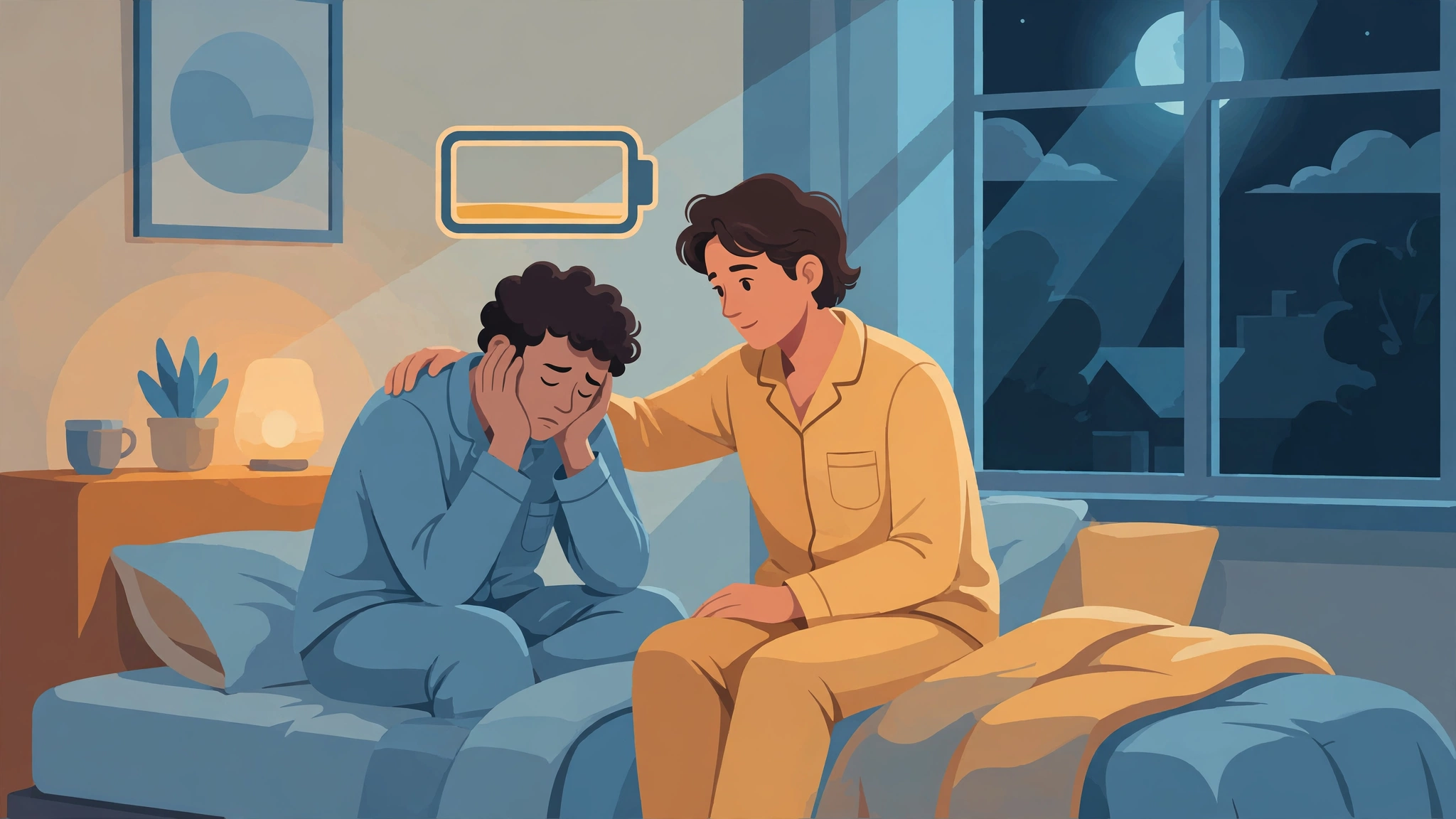
If you are too tired for sex by the time your head hits the pillow, you are far from alone — and you are not broken. Exhaustion is one of the most common reasons couples report a fading sex life, and it is also one of the most fixable. The trick is figuring out whether simple tiredness is the whole story, or whether it is masking something a doctor should look at. This guide covers the biology, the medical causes to rule out, the questions to ask your doctor, and strategies to rebuild energy and desire — so that feeling too tired for sex stops defining your relationship.
How Common Is Being Too Tired for Sex?
Surveys suggest this is a mainstream problem, not a personal failing. Polls cited by sleep and sexual-health experts have found that up to half of U.S. adults sometimes skip or avoid sex because they are too tired. A National Sleep Foundation survey found about one in four partnered Americans too sleep-deprived for sex, while a UK survey of 3,000 adults found seven in ten often too exhausted for intimacy — two-thirds saying they only had energy at the weekend.
| Survey | What it found |
|---|---|
| U.S. polls on sleep and intimacy | Up to 50% of adults sometimes skip sex due to tiredness |
| National Sleep Foundation | ~1 in 4 partnered Americans too sleep-deprived for sex |
| UK survey of 3,000 adults | 7 in 10 often too tired; 2 in 3 only have energy at weekends |
Normalizing it is the first step — guilt is a terrible aphrodisiac. And remember: saying you are too tired for sex is a health report, not a character judgment.
Too Tired for Sex vs. Low Libido: Spotting the Difference
Certified sex therapist Dr. Dennis Sugrue has noted that fatigue can become a “red herring” — a genuine symptom that may mask other medical or emotional factors, from anger and relationship strain to depression. So confirm it is really the tiredness, not something the tiredness is covering up.
Ask yourself these questions:
- Do I have energy for hobbies, exercise, and socializing — but not for sex? If so, the issue may be desire, routine, or the relationship rather than pure fatigue.
- Does my desire return when I am well-rested, on vacation, or at the weekend? If yes, exhaustion is likely the main driver.
- Do I enjoy sex once it gets going, but never feel like starting? Sex researchers call this responsive desire — desire that arrives after arousal begins. It is normal, and responds well to scheduling and a low-pressure warm-up.
- Has anything else changed — mood, weight, sleep quality, or interest in things I used to enjoy? A broader shutdown can point to depression, hormonal shifts, or a medical issue worth discussing with a doctor.
If the answers point toward low desire rather than pure exhaustion, clinicians call this pattern hypoactive sexual desire disorder (HSDD) when the lack of desire causes genuine distress — Planned Parenthood’s overview of HSDD causes lists tiredness alongside stress, medications, and relationship problems as common contributors. Our guide on low libido and the common causes worth ruling out first can also help you work through the next layer of why you feel too tired for sex.
Why Fatigue Drains Desire: The Biology
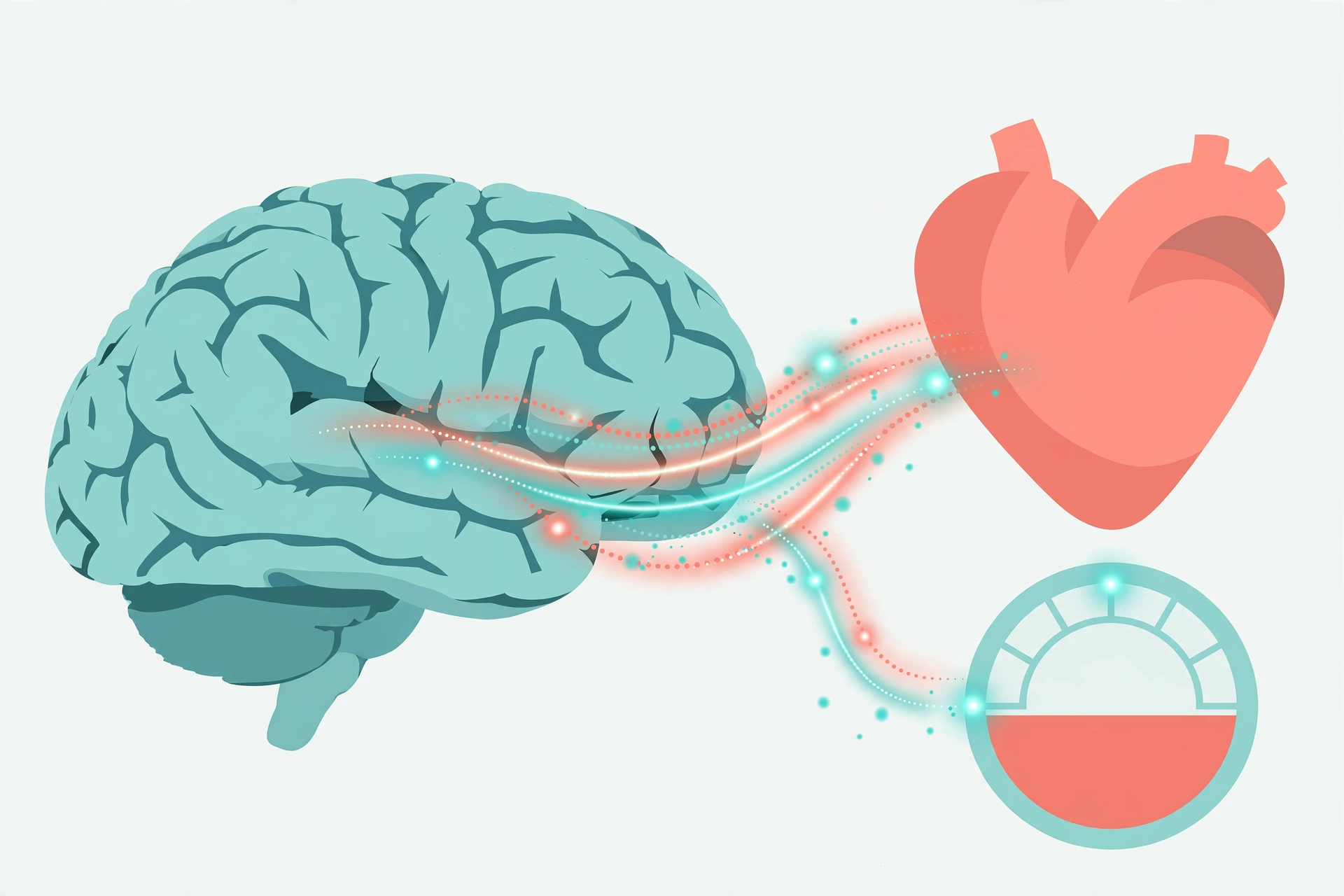
Sexual desire is not a standalone switch — it runs on the same fuel as everything else your body does. Sleep-medicine specialist Dr. William Kohler has pointed out that we live in a 24/7 society, burning the candle at both ends, and that chronic short sleep drains motivation across the board. Sex therapist Dr. Barry McCarthy adds that healthy people with good sleep patterns are simply more open to being sexual.
The hormonal pathways help explain why:
| Mechanism | How it affects desire |
|---|---|
| Chronic stress raises cortisol | Cortisol suppresses the sex hormones that drive libido |
| Poor sleep lowers testosterone | Even modest sleep loss reduces this key desire hormone in men and women |
| Mental exhaustion narrows attention | A depleted brain has little spare capacity for sexual thoughts to register |
| Disrupted sleep architecture | Fragmented sleep blocks the deep, restorative stages that regulate mood and hormones |
When your body rations energy, reproduction is cut first — which is why you can power through a workday yet feel too tired for sex: the tank is empty, and desire gets sacrificed. Understanding this biology is the first step toward fixing it — because when you are too tired for sex, the answer is rarely “try harder” and usually “sleep, move, and simplify.”
Medical Causes Your Doctor Should Rule Out
If you are getting reasonable sleep and still feel wiped out — or if fatigue appeared suddenly — clinicians recommend looking beyond lifestyle. Persistent tiredness that leaves you too tired for sex even after rest is exactly the pattern doctors are trained to investigate. Conditions commonly linked to persistent fatigue and low desire include:
- Sleep apnea: brief pauses in breathing that can wake you dozens of times a night without your knowledge. Dr. Kohler notes it contributes to depression, lack of energy, fatigue, and erectile difficulties — and that weight loss and CPAP therapy are effective treatments doctors recommend.
- Insomnia and fragmented sleep: lying awake with a racing mind turns the bed into a stressful place, and the resulting anxiety can make intimacy feel impossible.
- Thyroid disorders: an underactive thyroid slows metabolism and is a classic cause of draining fatigue.
- Iron-deficiency anemia: without enough oxygen-carrying red blood cells, even mild exertion feels exhausting.
- Depression and anxiety: both the conditions and, in some cases, their treatments can suppress desire.
- Diabetes and blood-sugar problems: unstable blood sugar produces the wired-but-exhausted feeling that kills arousal.
- Chronic fatigue and systemic illness: persistent, unexplained exhaustion lasting months deserves a full medical evaluation.
The Fatigue-and-Libido Workup: What to Ask Your Doctor to Test
Most articles stop at naming conditions. Here is the practical next step most of them skip: the actual lab panel to discuss with your clinician. Bring this list to your appointment and ask which tests are appropriate for you:
- Thyroid panel (TSH, and free T4 if your doctor advises) — to check for hypothyroidism
- CBC plus ferritin — to check for anemia and low iron stores
- Vitamin B12 and vitamin D — deficiencies in either are linked to fatigue
- Morning testosterone (total and free) — for men with low energy and low desire; doctors usually draw this early in the day
- HbA1c — to screen for blood-sugar problems
- A sleep-study referral — if you snore loudly, gasp in sleep, or wake unrefreshed despite enough hours
Frame it as a question, not a demand: “Could any of these explain why I’m so exhausted?” A good clinician will welcome the specificity — and this single step turns a vague complaint into an actionable plan. The Mayo Clinic Health System’s guide to low libido causes covers similar ground, including how medications and hormone changes can compound fatigue-driven desire loss.
Medications That Quietly Drain Energy and Desire
One of the most under-discussed reasons people feel too tired for sex sits in their medicine cabinet. Several common drug classes are known to cause fatigue, drowsiness, or reduced libido as side effects:
- Antidepressants (especially SSRIs and SNRIs) — can blunt both energy and desire, even as they lift mood
- Blood-pressure drugs such as beta blockers — frequently linked to fatigue and reduced arousal
- Sedating antihistamines — drowsiness that helps allergies can linger into the evening
- Opioid pain medications — can suppress testosterone production and dampen desire
- Hormonal contraception — lowers libido in some women, though the effect varies widely
- Sleep aids and alcohol — sleep specialists note both can further dampen sexual desire
The crucial rule: never stop or adjust a prescription on your own because of a side effect. Instead, prepare for a short, specific conversation with your doctor. Bring a list of everything you take — including over-the-counter sleep aids and supplements — with the times you take them. Then ask: “Could any of these be contributing to my fatigue or low desire, and are there alternatives with fewer sexual side effects, or a different dosing time?” Doctors switch or retime medications for this exact reason every day. For a deeper look at one common class, see our guide on antidepressants and sex drive. If a new prescription coincided with feeling too tired for sex, that timing is worth mentioning to your doctor.
The Mental Load: When Your Brain Never Clocks Out
Not all exhaustion is physical. Dr. Sugrue’s classic example is the two-income couple: one partner comes home from a full workday to start a second shift of dinner, homework, and dishes — then wonders why intimacy feels impossible. Add the mental load — the invisible work of planning, remembering, and worrying — and the brain never gets a true rest.
Clinicians describe the exhaustion of carrying most of the household load as one of the most underestimated and fixable factors behind fading desire. Financial stress, caregiving, and young children compound it — keeping the nervous system in a low-grade alert state incompatible with arousal. No wonder so many partners end the day too tired for sex — the brain never got its off-switch.
Try an Energy Map Instead of Just “Morning Sex”
Experts suggest morning intimacy, but that advice misses a step. For one week, rate your energy 1–10 at morning, midday, late afternoon, and evening to find your personal peaks. Then, instead of the exhausted 11 p.m. slot:
- Move intimacy to your peak window — for many people that is a weekend morning, a post-nap Sunday afternoon, or even a weekday lunch hour at home.
- Protect the transition — give yourself 30 to 60 minutes between “day mode” and intimacy: a shower, a walk, screens off. Arousal needs a runway.
- Negotiate the load openly — couples who redistribute evening and weekend tasks often report that desire returns on its own once the chronic overload eases.

7 Doctor-Backed Ways to Rebuild Energy and Desire
- Fix the sleep schedule first. Aim for 7–9 hours on a consistent schedule — the sleep–desire link is direct (see our breakdown of what the studies found).
- Create a wind-down hour. Dr. McCarthy’s prescription: shut down email, chores, and screens 45–60 minutes before bed. If you wait until every task is done, you will cheat yourself out of both rest and intimacy.
- Move your body — paradox and all. When you are exhausted, exercise sounds absurd. But moderate activity (a brisk 30-minute walk most days) reliably raises daytime energy and improves sleep quality, which together support desire.
- Eat and hydrate like it matters. Skipping meals and running on caffeine produces the blood-sugar crashes that leave you too tired for sex by 9 p.m. Regular balanced meals and water through the day keep the tank from hitting empty.
- Manage stress actively, not eventually. Chronic stress keeps cortisol high and desire low. Brief daily practices — mindfulness, deep-breathing breaks, an evening walk — help, plus professional support if stress feels unmanageable.
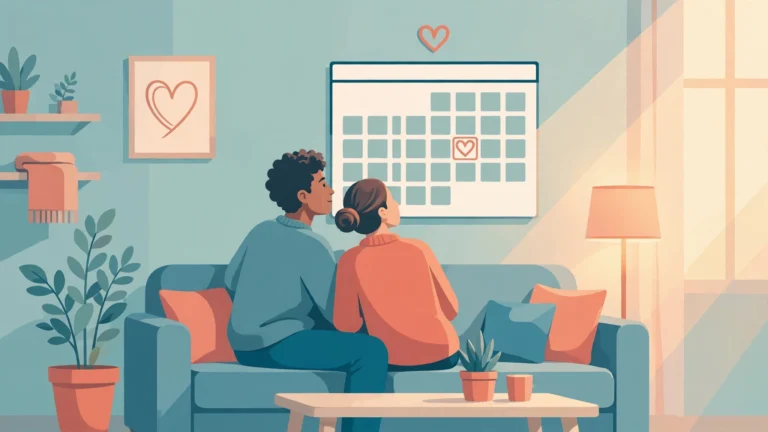
- Schedule intimacy around energy, not the clock. Planned encounters build anticipation and relieve the pressure of “tonight or never” — and experts note scheduled intimacy can become a healthy habit, so being too tired for sex stops being the default outcome.
- Keep connection alive on the tired nights. Cuddling, back rubs, and honest reassurance maintain closeness when sex is off the table. As Dr. McCarthy puts it, it is not a question of quantity but quality — and protecting the relationship during low-energy seasons is what keeps desire alive long term.
When to See a Doctor
Being too tired for sex occasionally after hard weeks is normal. But make an appointment if you notice any of these:
- Fatigue that persists for weeks despite adequate sleep
- Loud snoring, gasping, or witnessed pauses in breathing during sleep
- Loss of interest in things you used to enjoy, persistent low mood, or hopelessness
- A sudden or sharp drop in desire, especially alongside other new symptoms
- Chest pain, shortness of breath, unexplained weight changes, or numbness
- Relationship distress that you cannot resolve through communication alone
What doctors typically recommend: start with your primary-care clinician, who can run the workup described above and refer you to a sleep specialist, endocrinologist, or therapist if needed. Bring your energy map, your medication list, and an honest account of your sleep — that preparation makes the visit far more productive.
FAQs
Is it normal to be too tired for sex?
Yes — it is one of the most common reasons couples report less intimacy. Surveys find up to half of U.S. adults sometimes skip sex because of tiredness. Occasional fatigue-related dips are normal; a persistent pattern lasting weeks deserves attention, starting with your sleep and stress levels. Either way, being too tired for sex is a signal worth listening to, not ignoring.
How can I tell if it is really fatigue or a deeper libido problem?
Compare your energy across life areas. If you have fuel for hobbies and friends but not for sex, the issue may be desire or relationship strain. If desire returns on rested weekends, fatigue is the main driver. If nothing feels appealing anymore, talk to a doctor — that broader shutdown can signal depression or a medical issue.
Can being tired all the time signal a medical condition?
Yes. Persistent exhaustion despite enough sleep can point to sleep apnea, insomnia, thyroid disorders, iron-deficiency anemia, depression, diabetes, or medication side effects. Clinicians recommend a medical evaluation when fatigue lasts weeks, appears suddenly, or comes with symptoms like snoring, gasping in sleep, low mood, or unexplained weight changes. The lab workup section above lists what to ask about.
Will a sleeping pill or a nightcap help me relax into intimacy?
Usually the opposite. Sleep specialists report both sleeping pills and alcohol can dampen desire even while helping you fall asleep: alcohol fragments sleep architecture, and many sleep aids cause next-day grogginess. Doctors recommend behavioral fixes — a wind-down routine, a consistent schedule, limited screens — over self-medication.
Can exercise help if I am too tired for sex?
Counterintuitively, yes. Moderate regular exercise is one of the most evidence-backed ways to raise daytime energy and improve sleep quality, both of which support desire. Start small — a 20 to 30-minute walk most days. If exercise consistently leaves you exhausted for days, mention it to your doctor, as that can signal an underlying issue.
What should I ask my doctor if I am too tired for sex?
Ask about a workup: thyroid panel, blood count and ferritin for anemia, vitamin B12 and D, morning testosterone (for men), and blood-sugar screening. Mention snoring or gasping in sleep, list all medications and their timing, and describe your sleep honestly. Also ask whether any prescriptions could be contributing — and whether alternatives or different dosing times exist.
If fatigue is draining your desire, start where the evidence points: protect your sleep, map your real energy peaks, review your medications with your doctor, and keep the emotional connection alive on tired nights. Treat exhaustion as a solvable health and logistics problem — not a verdict on your relationship. And once you stop being too tired for sex, the confidence that returns often improves everything else too. For the next layer, read our guide on low libido and the common causes worth ruling out first.
Medical disclaimer: This article is for educational purposes only and is not medical advice. Fatigue and changes in sexual desire can have many causes, and only a qualified healthcare professional who evaluates you in person can diagnose or treat a medical condition. If you are concerned about persistent tiredness or low libido, please consult your doctor or another qualified healthcare professional.