Pelvic Floor Exercises: Benefits for Men and Women
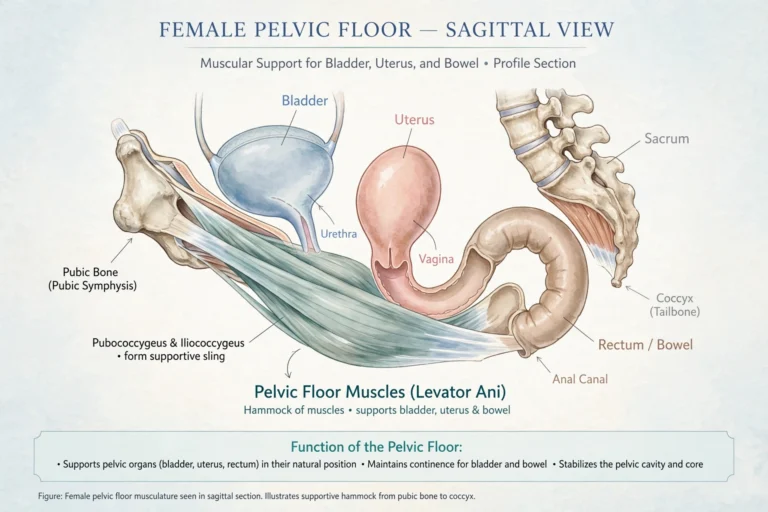
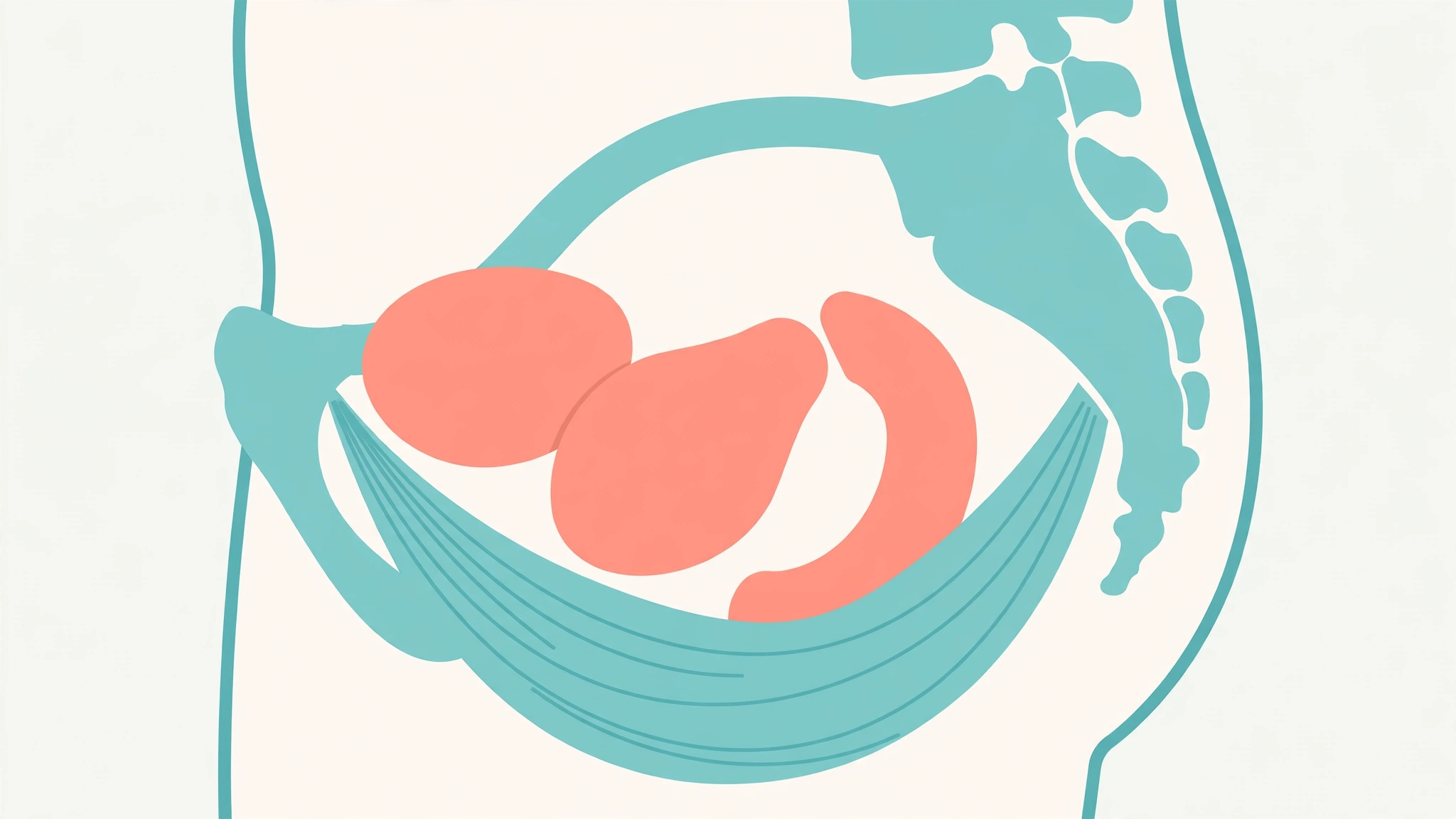
The pelvic floor exercises benefits extend far beyond what most people expect. This hidden hammock of muscles — stretching from your pubic bone to your tailbone and supporting the bladder, bowel, and reproductive organs — affects bladder control, core stability, posture, bowel function, and sexual health. Yet the pelvic floor is rarely covered in fitness advice, and most people cannot confidently locate these muscles, let alone train them. This guide covers everything the top health sites teach about pelvic floor training, plus what they typically leave out: a dedicated men’s protocol, the mistakes that make training backfire, and a structured 8-week plan with clear signs of progress.
What Is the Pelvic Floor — and Why Does It Matter?
Your pelvic floor is not a single muscle but a coordinated team of muscles and connective tissue, including the levator ani and coccygeus groups. It performs four jobs simultaneously: it supports your pelvic organs against gravity and abdominal pressure, it closes the urinary and anal sphincters to keep you continent, it contributes to sexual response by directing blood flow and supporting orgasm, and it works with your diaphragm, abdominals, and back muscles to stabilize your core and spine.
Like any muscle group, the pelvic floor responds to training — and to neglect. Pregnancy, vaginal childbirth, prostate surgery, chronic constipation, heavy lifting, persistent coughing, obesity, and aging can stretch or weaken it. Weakness can contribute to urinary leakage when you laugh, cough, sneeze, or exercise (stress incontinence), sudden strong urges to urinate, difficulty with bowel control, a feeling of pelvic heaviness, and reduced sexual function. Pelvic floor muscle training is recommended as first-line treatment for several of these conditions by organizations including ACOG and the NHS.
Pelvic Floor Exercises Benefits: The Evidence-Backed List
Before covering technique, here is the full picture of pelvic floor exercises benefits as documented in clinical guidance and research:
- Better bladder control. Training reduces stress incontinence (leakage with coughing, sneezing, or exercise) and can improve urge incontinence. It is considered the first-line conservative treatment for stress urinary incontinence in women.
- Improved bowel control. A stronger pelvic floor helps control gas and stool and reduces the risk of fecal incontinence.
- Pelvic organ support. Training reduces prolapse risk and can lessen the severity of mild existing prolapse symptoms.
- Postpartum recovery. Exercises help new mothers regain bladder control and muscle function after pregnancy and childbirth, whether the birth was vaginal or by cesarean.
- Recovery after prostate surgery. Men recovering from prostatectomy frequently regain urinary continence faster with guided pelvic floor training.
- Sexual function. Research links pelvic floor strength to improved blood flow and muscle coordination during sexual response in both sexes; for men, training may support erectile function and ejaculatory control as part of a broader treatment plan.
- Core stability and back support. The pelvic floor is the base of your core cylinder. Experts estimate that over 70 percent of women with chronic back pain have weak pelvic floors, and training this base can reduce back pain and improve posture.
- Everyday confidence. Athletes, runners, and older adults use pelvic floor training to stay active without worrying about leakage.
How to Find Your Pelvic Floor Muscles
Unlocking the pelvic floor exercises benefits starts with finding the right muscles. The most common reason training fails is that people exercise the wrong ones:
- The urine-stop test (identification only, not training). While urinating, try to briefly stop the flow. The muscles you engage are the front part of the pelvic floor. Do this once or twice for identification — do not make a habit of it, because routinely interrupting urination can cause incomplete emptying and raise the risk of urinary tract infections.
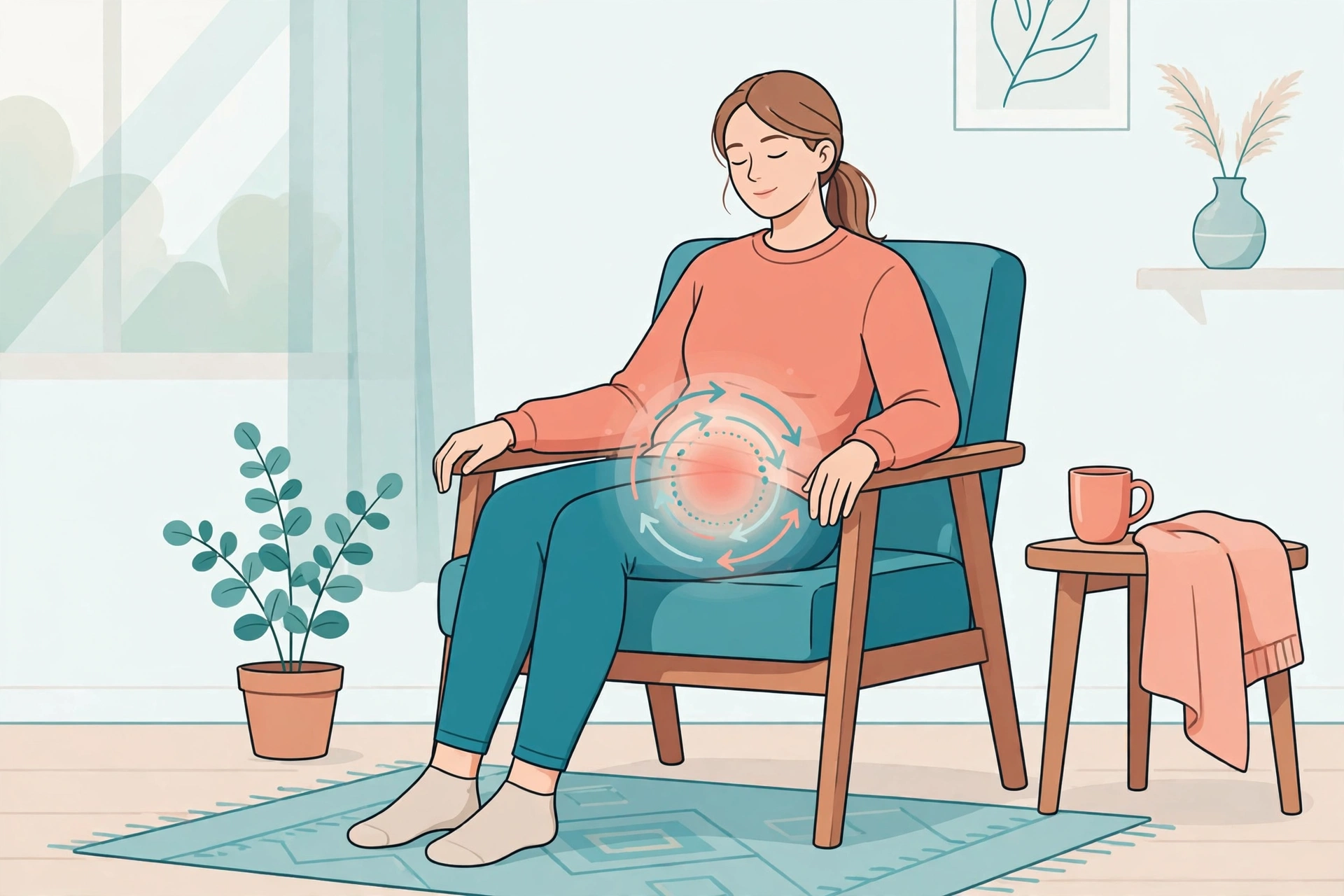
- The lift cue. Imagine sitting on a marble and lifting it upward with your pelvic muscles, as though drawing the muscles up and inward. You should feel a gentle lifting sensation inside the pelvis.
- The wind-stop cue. Tighten the muscles you would use to stop passing gas. This engages the back part of the pelvic floor. A correct contraction combines both front and back engagement without clenching the buttocks, squeezing the thighs, or holding your breath.
For men, the cue differs slightly: imagine lifting the testicles upward and drawing the base of the penis inward, while tightening the back passage as though stopping wind. NHS physiotherapy guidance describes these as three coordinated stages — front squeeze, lift, and back squeeze.
The Core Exercises: Slow and Fast Contractions
Pelvic floor training comes down to two contraction types. The full pelvic floor exercises benefits only arrive when you train both endurance and power.
1. Slow contractions (endurance)
Tighten and lift the pelvic floor, hold as long as you can (beginners start at 3–5 seconds, building toward 10), then relax completely for an equal time. Repeat until the muscles feel tired — often 8–10 repetitions at first. Slow contractions build the endurance these muscles need to support you all day.
2. Fast contractions (power)
Quickly squeeze and lift as hard as you can, then release immediately. Rest a few seconds and repeat — aim for 10–20 per set. Fast contractions train the pelvic floor to respond instantly to sudden pressure from a cough, sneeze, laugh, or lift, which is exactly when most leakage happens.
3. Supporting movements: bridges and squats
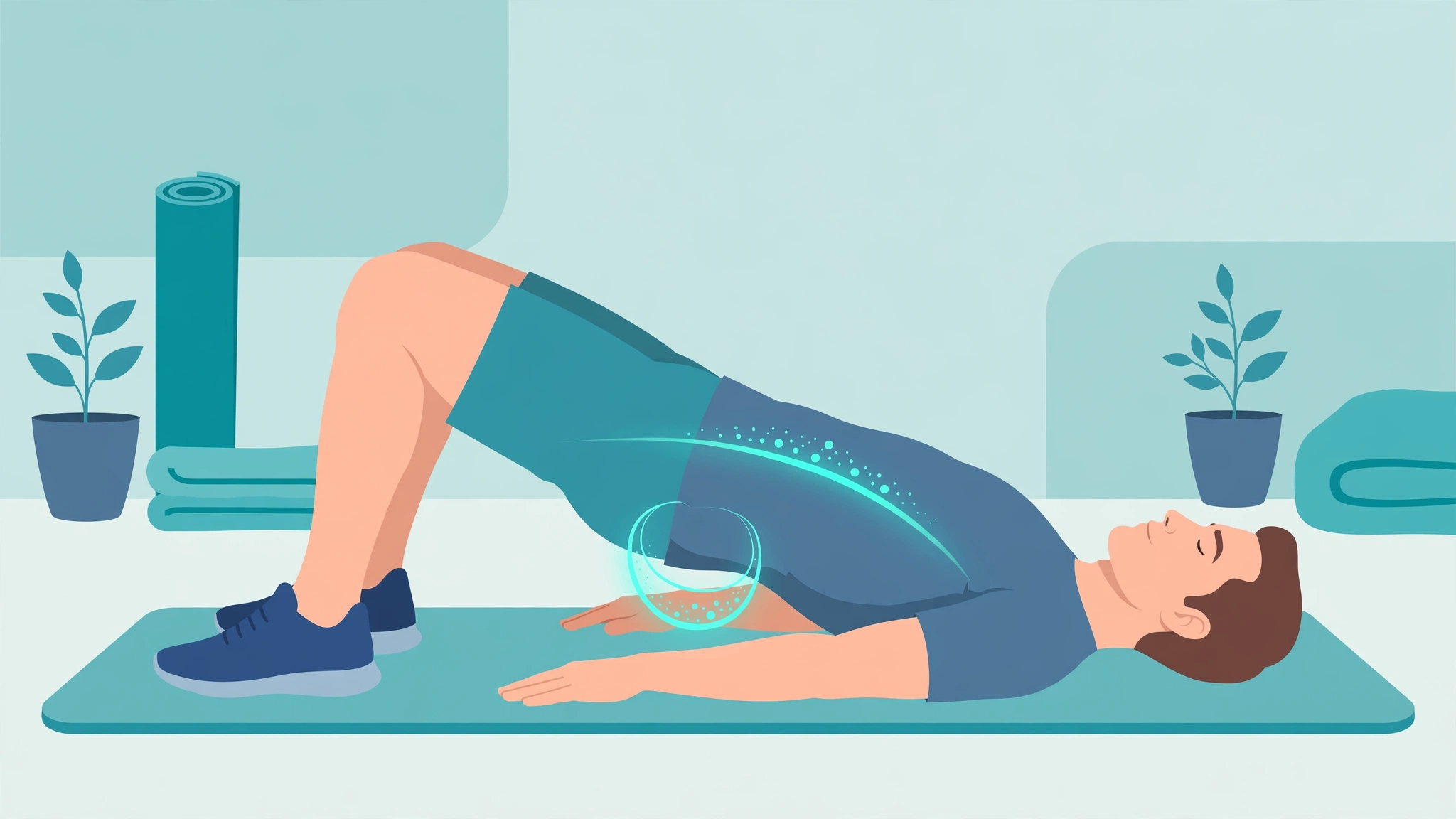
The bridge exercise strengthens the buttocks while also engaging the pelvic floor: lie on your back with knees bent and feet flat, contract the pelvic floor and buttocks, and lift the hips several inches off the ground. Hold 3–8 seconds, lower, and repeat up to 10 times for two to three sets. Narrow, shallow squats can further engage the pelvic floor — focus on tightening the pelvic floor as you rise back to standing. Avoid wide-legged or deep squats while learning, as they make it harder to keep the pelvic floor engaged.
Benefits for Women: Across Every Life Stage
Most pelvic floor exercises benefits articles focus on women, and for good reason — pregnancy, childbirth, and menopause each place unique demands on the pelvic floor:
- During pregnancy. Training can reduce the risk of stress incontinence, bowel incontinence, and constipation. Muscles stretch under load during pregnancy rather than weakening, and training helps them cope.
- After childbirth. Consistent training improves incontinence, pelvic heaviness, and reduced sexual function after birth. Start only when your clinician says it is safe — especially after a complicated birth or cesarean.
- Perimenopause and menopause. Declining estrogen thins pelvic tissues, contributing to leakage, prolapse risk, and discomfort during sex. Training strengthens what has weakened and boosts blood flow that supports arousal and natural lubrication.
- Athletes. Runners and weightlifters experience high-impact pelvic pressure; pelvic floor training protects against leakage during training and competition.
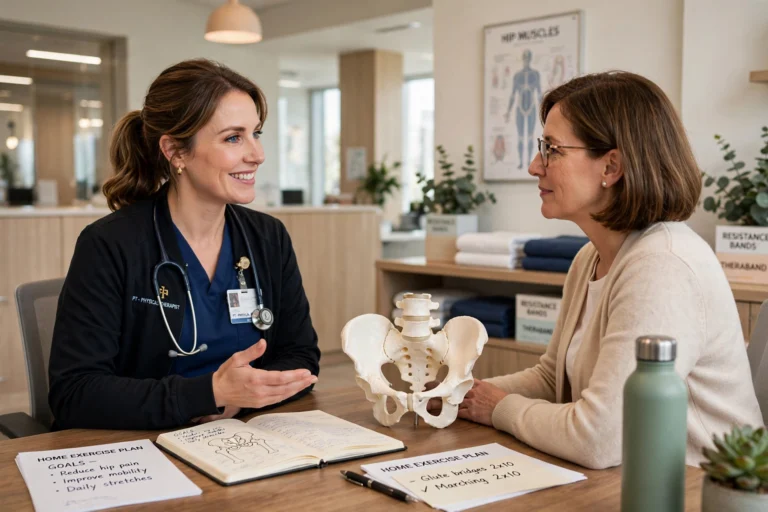
If leakage or pain persists after several weeks of consistent training, see a pelvic floor physical therapist. Persistent symptoms deserve assessment rather than simply more repetitions.
Benefits for Men: The Section Most Articles Skip
Men have a pelvic floor too, and the pelvic floor exercises benefits for men are well documented but often reduced to a single paragraph. Here is the detail:
- Bladder control after prostate surgery. Pelvic floor training is a standard part of post-prostatectomy rehabilitation and helps many men regain continence faster. If you have had surgery, ask your surgeon when it is safe to begin — some programs start before the catheter is removed.
- Erectile function. The pelvic floor muscles support erection rigidity by restricting venous outflow, and training may improve erectile function, particularly when weakness contributes to the problem.
- Ejaculatory control. Pelvic floor training may help men improve control over ejaculation timing; in one 12-week program, men with lifelong premature ejaculation saw average ejaculation time rise from about 32 seconds to over two minutes. Learn more about structured approaches in our guide to premature ejaculation treatment and causes.
- Chronic pelvic discomfort. Men with pelvic tension syndromes often benefit from learning to relax — not just contract — the pelvic floor under clinical guidance.
A typical men’s routine: slow contractions (squeeze, lift, hold up to 10 seconds) plus fast contractions, 3 times daily, building toward roughly 60 slow and 60 fast squeezes per day over several weeks. Quality matters far more than quantity — a few correct contractions beat dozens of half-hearted ones.
Common Mistakes That Sabotage Pelvic Floor Training
Getting the full pelvic floor exercises benefits means avoiding these common errors:
- Bearing down instead of lifting. If you feel pressure pushing downward, you are engaging the wrong pattern and may be straining the pelvic floor. Think “lift up and in,” never push down.
- Holding your breath or clenching the wrong muscles. Tight buttocks, thighs, or abdomen — or holding your breath — mean the pelvic floor is not working alone. Breathe freely and isolate the pelvic floor.
- Using the urine-stop test as a workout. Identifying the muscles once is fine; routinely stopping urination mid-stream as training can weaken the bladder and increase infection risk.
- Overdoing it. More is not better. Overtraining can cause fatigue and pelvic pain, especially when the pelvic floor is already overly tight (hypertonic). If training increases pelvic pain, pain during sex, difficulty urinating, or pelvic pressure, stop and get assessed.
- Training against overload. Until you have built several months of strength, avoid situps with legs held straight, heavy low-rep lifting, double leg lifts, and high-impact activities like running and jumping — these can worsen incontinence in a weak pelvic floor.
- Expecting overnight results. Most people notice improvement in 4–6 weeks; full pelvic floor exercises benefits typically arrive in 3–6 months of consistent daily practice.
External resources worth bookmarking: the International Society for Sexual Medicine’s overview of pelvic floor exercises benefits and the NHS physiotherapy guide for men (NHS pelvic floor exercises for men).
Your 8-Week Progressive Pelvic Floor Plan
To convert pelvic floor exercises benefits into lasting results, follow this daily progression:
- Weeks 1–2 — Learn the pattern. 3 sessions/day. Each: 8 slow contractions (3-second holds, equal rest) + 10 fast contractions. Lie down if isolating the muscles is difficult. Form first: no breath-holding, no buttock clenching.
- Weeks 3–4 — Build endurance. 3 sessions/day. Each: 10 slow (5-second holds) + 15 fast contractions. Try one session sitting or standing.
- Weeks 5–6 — Add power. 3 sessions/day. Each: 10 slow (8-second holds) + 20 fast contractions. Add a weekly set of 10 bridges with pelvic floor engagement.
- Weeks 7–8 — Consolidate. 3 sessions/day. Each: 10 slow (10-second holds) + 20 fast contractions. Practice “the knack”: a quick, strong squeeze-and-lift immediately before each cough, sneeze, or heavy lift — this reflex is what stops leakage in daily life.
- Maintenance. After week 8, continue once daily indefinitely to keep the gains, exactly as NHS guidance recommends for maintaining continence improvements.
How to track progress: note your baseline at week 1 — how many 5-second slow contractions you can do before tiring, and how many fast contractions before fatigue. Re-test every two weeks. Real-world signs of progress include leaking less often, holding off urgency longer, and waking less at night. If nothing changes after 8–12 consistent weeks, a pelvic floor physical therapist can assess your technique with biofeedback — many people discover they have been training the wrong muscles for years.
When to See a Doctor Instead
The pelvic floor exercises benefits above are real, but exercises are not the whole toolbox. See your doctor or a pelvic floor specialist if you notice blood in urine or stool, a visible bulge at the vaginal opening, inability to empty your bladder or bowels, severe pelvic pain, or pain during sex that does not improve. A clinician can assess whether you need pelvic floor physical therapy, biofeedback, medication, or other treatment — and can confirm you are training correctly. For women noticing pain during sex around menopause, our guide on painful intercourse after menopause explains what is normal and which treatments doctors recommend.
FAQs
How often should I do pelvic floor exercises?
Aim for three sessions daily, each combining slow (held) and fast (quick) contractions — typically 8–10 slow plus 10–20 fast per session for beginners. Consistency across weeks matters more than doing hundreds in one sitting, and quality always beats quantity.
How long until pelvic floor exercises show results?
Most people notice early improvements in bladder control within 4–6 weeks of daily practice. Stronger, lasting results typically take 3–6 months. If you see no change after 8–12 consistent weeks, ask a pelvic floor physical therapist to check your technique.
Can men really benefit from Kegels?
Yes. Men have pelvic floor muscles, and training them can improve bladder control — especially after prostate surgery — and may support erectile function and ejaculatory control. The technique cues differ slightly: men should think of lifting the testicles and drawing the base of the penis inward while tightening the back passage.
Are pelvic floor exercises safe during pregnancy?
Kegels are generally considered safe during uncomplicated pregnancies and are widely recommended by obstetricians and midwives. Always confirm with your own doctor or midwife first, especially if you have a high-risk pregnancy, placenta problems, or a history of miscarriage.
How do I know if I am doing Kegels correctly?
You should feel a lifting, squeezing sensation inside the pelvis without your abdomen, thighs, or buttocks tensing and without holding your breath. Nothing should bulge outward or bear down. If you are unsure, a pelvic floor physical therapist can verify your technique, sometimes using biofeedback sensors.
Can pelvic floor exercises make things worse?
Yes — if the pelvic floor is already overly tight (hypertonic), adding more strengthening can increase pelvic pain, pain during sex, or urinary difficulty. Overdoing repetitions can also cause fatigue and soreness. Stop training and seek assessment if symptoms worsen or pain appears.
If you found this guide useful, keep the conversation going with your clinician: a short pelvic floor check at your next appointment can confirm your technique and rule out anything that needs more than exercise. You can also explore our related health guides for more evidence-based advice on intimate and overall wellness.
Medical disclaimer: This article is for educational purposes only and is not a substitute for professional medical advice, diagnosis, or treatment. Pelvic floor conditions vary widely between individuals. Always consult a qualified healthcare professional — such as your doctor, a urogynecologist, urologist, or pelvic floor physical therapist — before starting or changing an exercise program, especially if you are pregnant, recovering from surgery, or experiencing symptoms like pain, bleeding, or a pelvic bulge.