What Counts as Cheating? How Couples Actually Define Infidelity
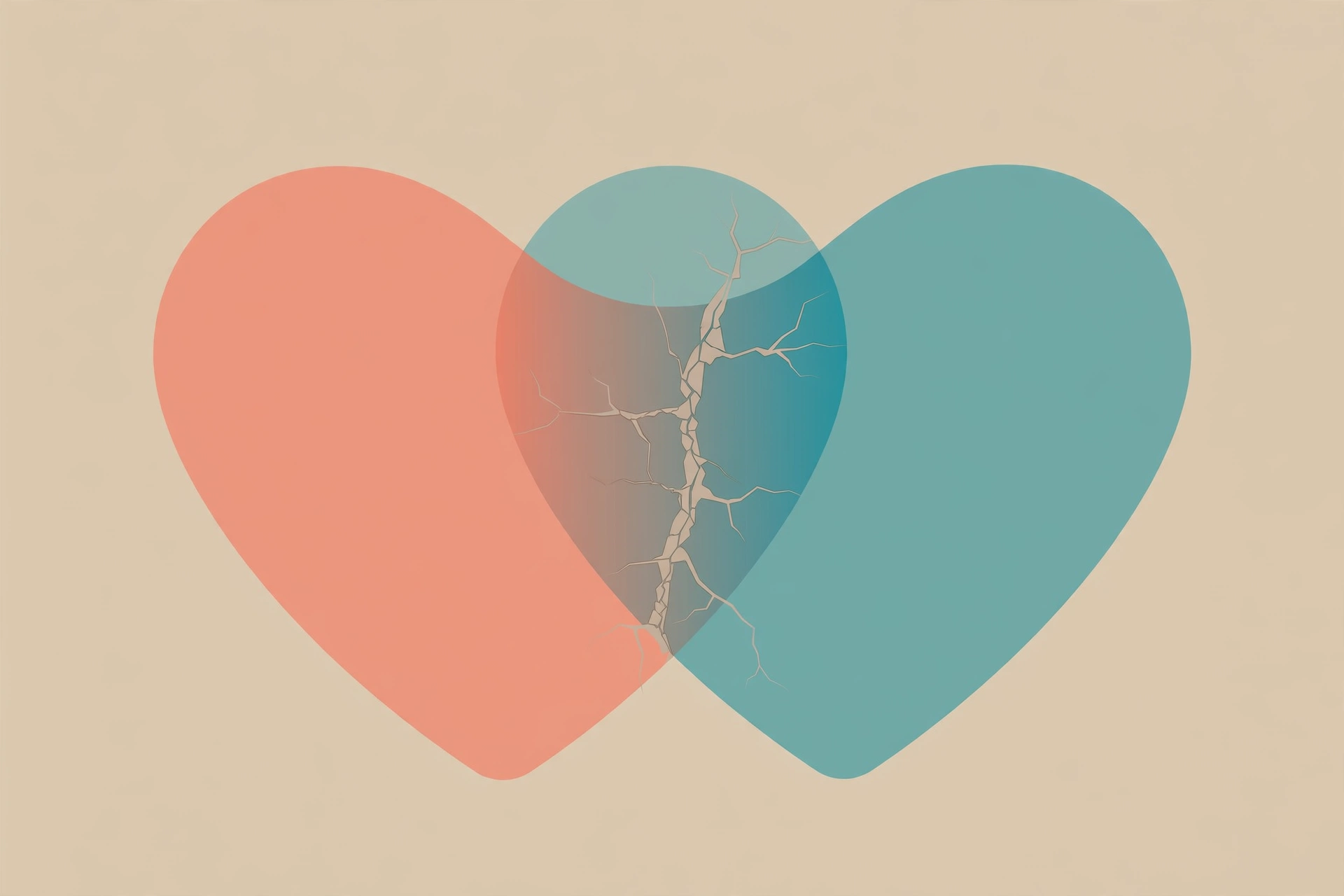
What counts as cheating? Ask ten couples and you may get ten different answers. For one person, cheating starts with sex. For another, a secret late-night text is the line. For a growing number, the question has moved far beyond physical contact — into emotional intimacy, digital behavior, and even financial secrecy. There is no universal checklist, which is exactly why therapists say this conversation matters more than the answer.
Cheating, researchers conclude, is whatever violates the commitment two specific people made to each other. Knowing how your definition compares to your partner’s — and to what therapists actually see — can protect your relationship long before anything goes wrong. The best way to define what counts as cheating is to have the conversation now, not after a boundary has been crossed.
Why “What Counts as Cheating” Has No Universal Answer
For most of the 20th century, cheating meant sex with someone else. That simplicity is gone. In a 2025 Kinsey Institute study, 84 percent called sex and 70 percent called kissing infidelity — but beyond those two behaviors, agreement falls apart. Flirting, emotional bonds, secret friendships, and even fantasies split people nearly down the middle.
A separate survey of 2,000 U.S. adults found the same pattern: 76 percent said a secret emotional relationship counts as cheating, but only 42 percent said flirting does, and just 30 percent counted pornography. Two partners can share a home for years with completely different definitions — and never discover the gap until it hurts someone.
As registered psychotherapists who work with betrayal trauma note, cheating is not always defined by the act itself — it is often defined by secrecy and broken agreement. A behavior one couple shrugs off can devastate another. What matters is what the two of you agreed to — spoken or unspoken — and whether anything is being hidden.
The Secrecy Test: The Simplest Way to Judge a Grey Area
Therapists use a simple compass: if you would hide it from your partner, it is probably a line you know exists.
This framing explains why the same behavior lands so differently in different relationships. An openly polyamorous couple may have no issue with outside sexual contact, yet still experience cheating — because it broke their specific agreements, like skipping required disclosure. The act was fine; the secrecy and broken agreement were the betrayal. It was never only about the act.
When you wonder what counts as cheating in your own relationship, run the situation through these three questions:
- Would I be comfortable if my partner did exactly this? If not, you already sense a boundary.
- Would I do it openly, with my phone on the table? If the answer is no, secrecy is doing the heavy lifting.
- Did we agree this was off-limits? If yes, the conversation is already over.
Emotional Cheating: When There Is No Physical Contact at All
Emotional cheating happens when a partner forms a deep, often secret, connection with someone outside the relationship — sharing their inner world and vulnerabilities with that person instead of with their partner. There may be no physical contact at all, and yet the betrayed partner feels the ground drop out from under them.
How do you tell an emotional affair from a close friendship? Therapists look for a cluster of signals:
- You hide or minimize parts of the friendship from your partner.
- You share things with this person that you have stopped sharing with your partner.
- You compare your partner unfavorably to them, or seek their approval first.
- You feel guilty or defensive when your partner asks about them.
- The friendship has become your main source of emotional comfort.
For many people, emotional betrayal cuts deeper than a physical one, because what was redirected was intimacy, attention, and trust — one reason emotional cheating deserves its place in any honest answer to what counts as cheating. Our guide on how jealousy hurts intimacy in relationships explores these dynamics further.
Micro-Cheating: The Small Behaviors That Erode Trust
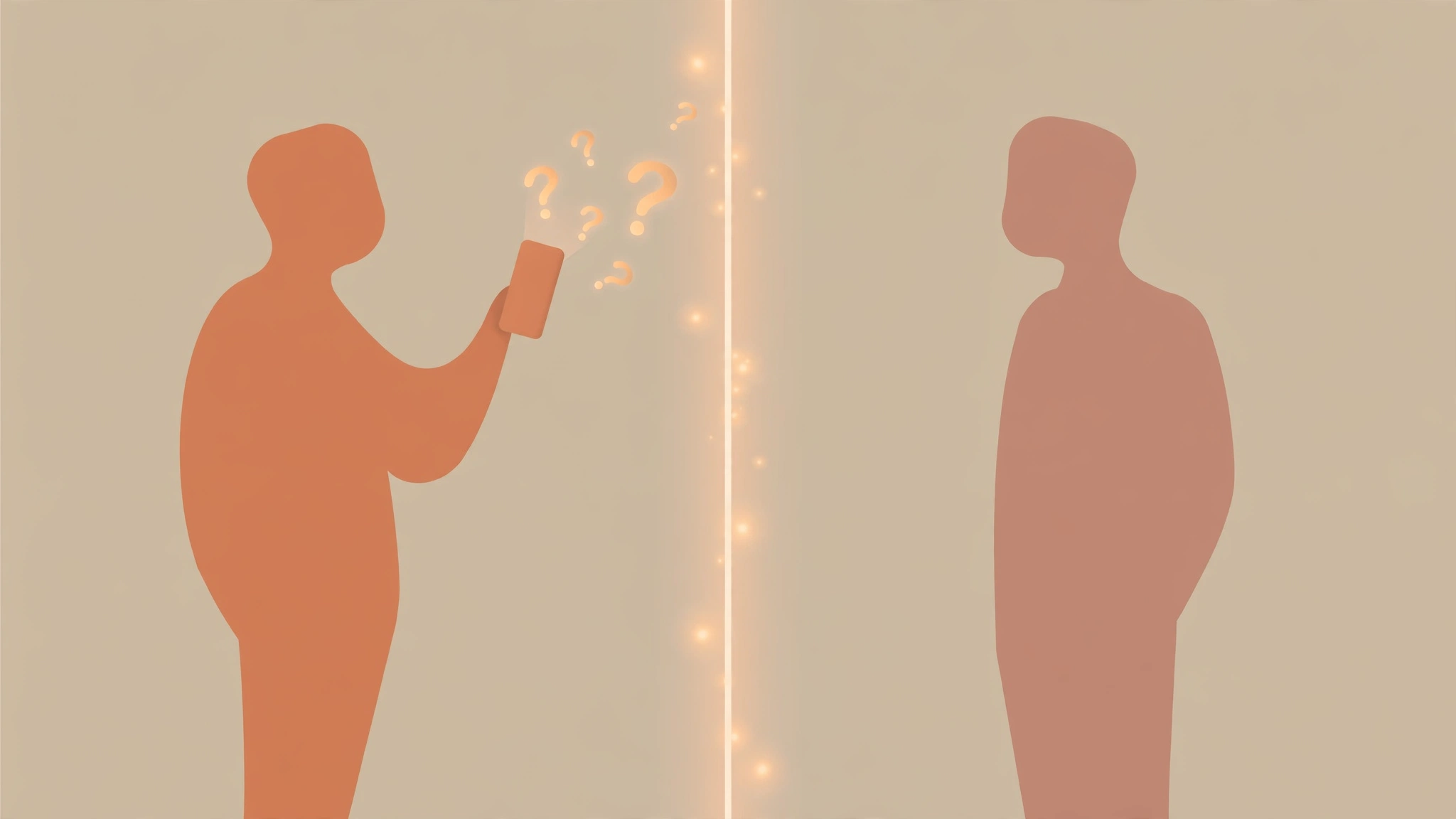
Micro-cheating covers smaller behaviors that stop short of an affair but still cross a line: a lingering flirty text thread, likes and comments that read as more than friendly, a dating app kept “just to look,” cultivating attention from someone who is clearly interested.
Individually, each behavior is easy to defend. Together, they may show something being fed outside the relationship. In the 2025 Kinsey survey, 45 percent counted sending money or gifts to a cam model as cheating, one-third counted sexting with an AI companion, and one-fifth counted simply watching porn. Even those who would not technically call these cheating said they would still be uncomfortable with a partner doing them.
The useful question is not “did anything physical happen?” It is: is this behavior protecting the relationship, or quietly stepping outside it? Micro-cheating is now part of how many couples define what counts as cheating — and these small behaviors rarely make headlines while they erode foundations.
Digital Grey Areas: Sexting, Social Media, and AI Companions
Most modern betrayals begin on a phone — and almost never begin with intent. They start as a harmless conversation, become a secret, become emotionally charged, become something the person would not want their partner to see. That progression matters more than the app involved.
Where people stand on what counts as cheating in digital behaviors:
| Behavior | Share who call it cheating |
|---|---|
| Sexting someone else | Strong consensus — near-universal |
| Secret online emotional relationship | ~72% |
| Sending money or gifts to a cam model | ~45% |
| Sexting with an AI companion or chatbot | ~33% |
| Secretly following an ex online | ~32% |
| Watching pornography | ~20–30% |
AI companions are the newest grey area: some partners treat romantic or sexual chats with an AI as harmless fantasy, while others feel deeply betrayed — especially when the chats are hidden, sexual, or when the energy that used to go into the relationship now goes into the chatbot. Researchers note that daters increasingly see AI interactions as offering genuine-feeling intimacy, which is precisely why they can threaten a real one. If you are deciding what counts as cheating for your own relationship, AI companions deserve an explicit spot in the conversation.
Financial Infidelity: The Betrayal Couples Overlook
Financial infidelity — hidden debt, secret spending, or undisclosed accounts — follows the identical pattern: secrecy, broken agreement, hidden consequences. For some partners, discovering a hidden account feels as painful as discovering an affair. If you would not want your partner to see the credit card statement, money has become your secret. Financial infidelity belongs in any honest discussion of what counts as cheating, because the betrayal pattern is exactly the same.
What Counts as Cheating Across Generations and Cultures
What counts as cheating varies with your generation, gender, and culture — and your partner’s definition may have been shaped very differently.
Age matters. Younger adults tend to count digital behaviors — secret texting, following exes online — as cheating at higher rates than older adults, who often hold a narrower, more physical definition. In long-term relationships where technology arrived mid-marriage, one partner sees “just messaging” while the other sees betrayal.
Gender plays a role too: research has repeatedly found that men are, on average, more distressed by sexual infidelity, while women are, on average, more distressed by emotional infidelity. These are averages, not rules — what matters is knowing which type would wound your specific partner most.
Culture shapes definitions too. In many Western contexts, emotional exclusivity is part of monogamy’s deal. Elsewhere, emotional closeness with others may be normal while physical exclusivity is the non-negotiable line, or financial transparency may be treated as central to fidelity. Couples from different backgrounds can carry entirely different maps of what counts as cheating without realizing it. Never assume your partner’s map matches yours — asking is not suspicious, it is respectful.

How Therapists Help Couples Draw the Lines
Most couples never explicitly discuss what counts as cheating — they rely on a rough sense of what would hurt the other person, and that rough sense is where misunderstandings live. Therapists go well beyond “just communicate.” Here are concrete exercises they commonly recommend to help couples define what counts as cheating together:
1. The independent boundary list
Each partner separately sorts behaviors into three columns — “fine,” “uncomfortable,” “would end the relationship” — covering specifics like flirting at work, texting an ex, watching porn, or secret spending. Then compare: the gaps between your lists are where unspoken rules were waiting to detonate.
2. The story test
For each grey area, each partner completes: “If this happened, I would feel ____ because ____.” Hearing the because turns an abstract rule into an understandable need, making boundaries feel protective rather than controlling.
3. The digital transparency agreement
Since most modern grey areas live on phones, many therapists have couples spell out digital specifics: open or private phones? Ever OK to install dating apps? What counts as inappropriate social media behavior? Clarity here prevents more fights than almost any other boundary conversation.
4. The annual check-in
Definitions evolve — healing from past betrayal, having children, or simply growing more self-aware can all shift how partners define infidelity. Therapists recommend revisiting the boundary conversation at least yearly, and after any major life change. Our guide to talking about sex with your partner offers a similar communication framework.
When a Line Has Already Been Crossed: The Disclosure Conversation
If you have already crossed a line your partner considers cheating, therapists generally advise against both dramatic confession and silent hoping-it-blows-over. A few principles guide the healthier path:
- Be honest with yourself first. Name what happened and why before you try to explain it. The question that aids recovery is not only “what did you do?” but “what was it about?” Often the answer is about something missing, not just someone else.
- Tell the truth completely, once. Trickle disclosure — revealing a little at a time — is consistently described by betrayed partners as more damaging than the betrayal itself.
- Expect that honesty alone does not repair. Disclosure is the beginning of repair, not the repair itself. Rebuilding takes sustained changes in transparency and reconnection over months.
- Get professional help early. Couples who seek counseling soon after a disclosure do better than those who try to process it alone for months — infidelity is one of the most common reasons couples seek help.
Therapists flag denial as a choice that often hurts more than the betrayal itself — it adds deception to the wound. When you are ready to redefine what counts as cheating for your relationship going forward, a therapist can help structure the disclosure conversation safely.
Your Cheating-Definition Audit: A Practical Checklist
Sit down together and mark each scenario: fine, grey area, or cheating. This simple audit settles what counts as cheating for your relationship faster than years of guessing — compare, then discuss every mismatch. Fifteen questions, one conversation, and a shared understanding of what counts as cheating.
- Sex with someone else
- Kissing someone else
- Flirting with a coworker or acquaintance
- A friendship you hide from your partner
- Texting an ex regularly without mentioning it
- Regularly confiding relationship problems to someone else
- Sexting or cam sessions with someone else
- Following models, influencers, or exes in a romantic way
- Watching porn
- Romantic or sexual chats with an AI companion
- Keeping a dating app “just to look”
- Seeking from someone else the emotional support your partner used to provide
- Hidden spending, debt, or bank accounts
- Dancing or drinking alone with an interested someone
- Discussing your fantasies in detail with someone other than your partner (see our guide to sexual fantasies)
There are no right or wrong answers here. The only wrong outcome is never having the conversation at all.
The Conversation to Have Before Anyone Gets Hurt
Whatever your current answer to what counts as cheating, the conversation is worth having before there is a problem, not after. Having it while things are calm is far easier than after someone has been hurt — and it builds trust. It tells your partner: I take this seriously, and I want to protect what we have.
A simple opener: “I want to make sure we are on the same page about what feels okay and what does not — with friendships, social media, texting, and emotional closeness. Can we talk about where our lines are?” No formal contract needed. Just two people mapping the territory together.
FAQs
What counts as cheating in a relationship?
Cheating is any behavior that violates the commitment or agreements between two partners. While sex and kissing are widely considered cheating, emotional affairs, secret friendships, sexting, and certain online behaviors also count for many couples. Because definitions vary so widely, therapists say the most useful definition is the one a specific couple agrees on together.
Is emotional cheating as bad as physical cheating?
Neither is universally worse — it depends on the person and the relationship. Many people report that emotional betrayal hurts more, because what was redirected was intimacy, trust, and attention rather than a physical act. Therapists treat emotional affairs as real betrayals that require real repair, not as lesser offenses.
Is flirting considered cheating?
People are genuinely split: only about 42 percent of adults in one large U.S. survey considered flirting to be infidelity. What matters is not the national average but whether you and your partner share the same answer. If you have never discussed it, you may be operating under different definitions without knowing.
Is watching porn or using an AI companion cheating?
There is no settled cultural answer. Roughly 20–30 percent of people consider pornography use cheating, and about one-third consider romantic or sexual chats with an AI companion cheating. For many couples, the deciding factors are secrecy, whether it displaces intimacy with the partner, and whether it breaks an explicit agreement.
Does cheating only happen in monogamous relationships?
No. Cheating can happen in open relationships, polyamorous relationships, and every other relationship structure. Non-monogamous relationships often have detailed agreements, and breaking those agreements — by hiding something that should have been disclosed or crossing an agreed limit — is a betrayal just the same.
When should couples talk to a therapist about boundaries or infidelity?
Consider couples counseling if you and your partner cannot agree on boundaries, if trust has been damaged by secrecy, or if a line has been crossed and you need help with disclosure and repair. Therapists who work with infidelity report that couples who seek help early tend to recover better than those who try to process betrayal alone for months.
If this article opened questions you and your partner want to explore further, browse our guides on talking about sex with your partner and jealousy and intimacy. And if trust has already been broken, a licensed couples therapist experienced with infidelity can help you have these conversations safely. Share this guide with your partner and start talking about what counts as cheating in your own relationship.
Disclaimer: This article is for educational purposes only and is not medical or therapeutic advice. If you are dealing with infidelity or relationship distress, please consult a licensed mental health professional.