UTI vs STI: How to Tell the Difference
Struggling with confusing uti vs std symptoms? You are not alone. A burning sensation when you urinate, the constant urge to pee, and pelvic discomfort can belong to either a urinary tract infection (UTI) or a sexually transmitted infection (STI) — and the overlap is so strong that even experienced clinicians rarely diagnose from symptoms alone. Getting it right matters: UTIs and STIs are treated differently, an untreated STI can be passed to a partner, and treating the wrong condition can delay proper care. This guide walks you through the differences, the clues that matter, and the testing doctors actually rely on.
What Is a UTI?
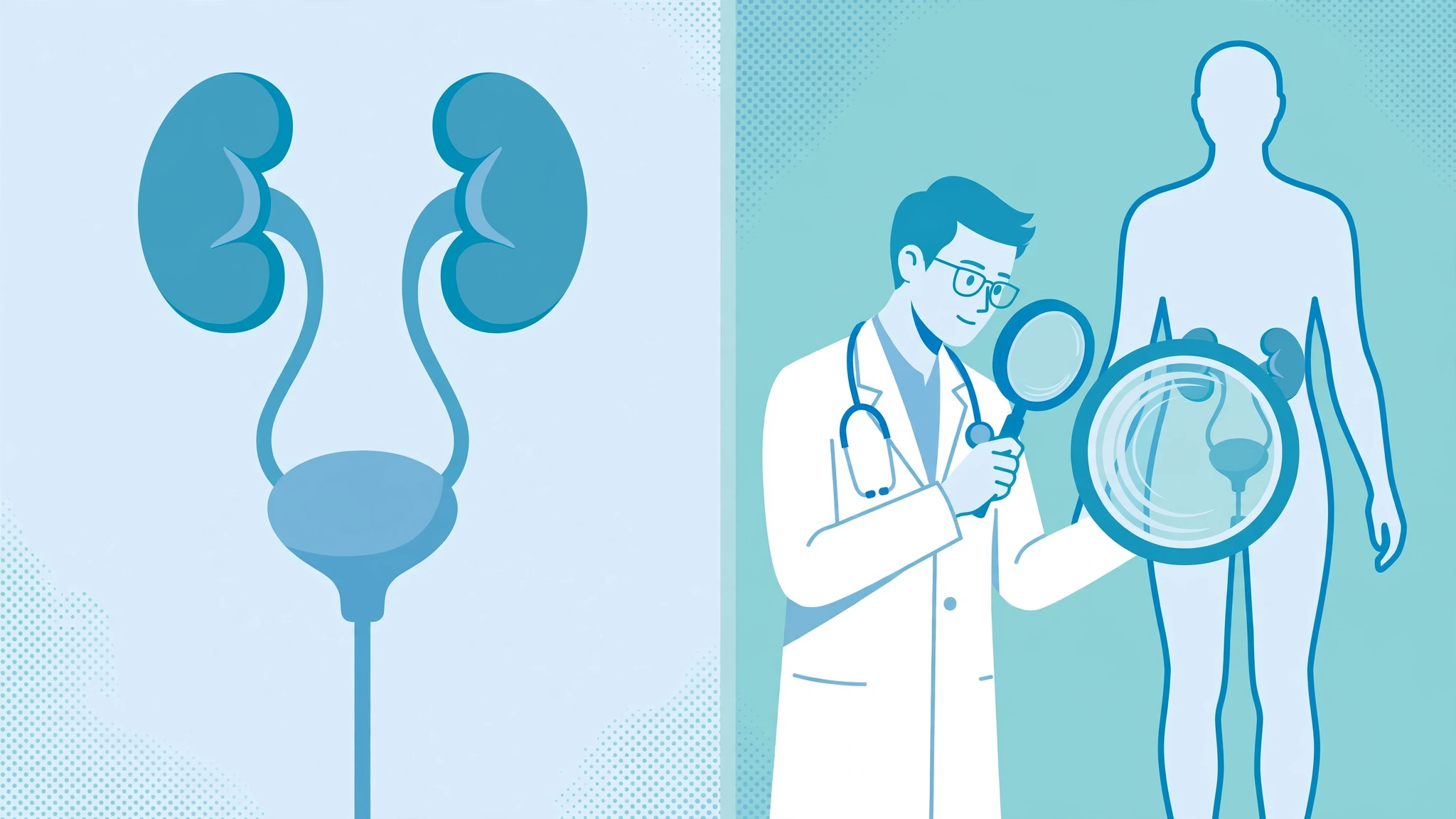
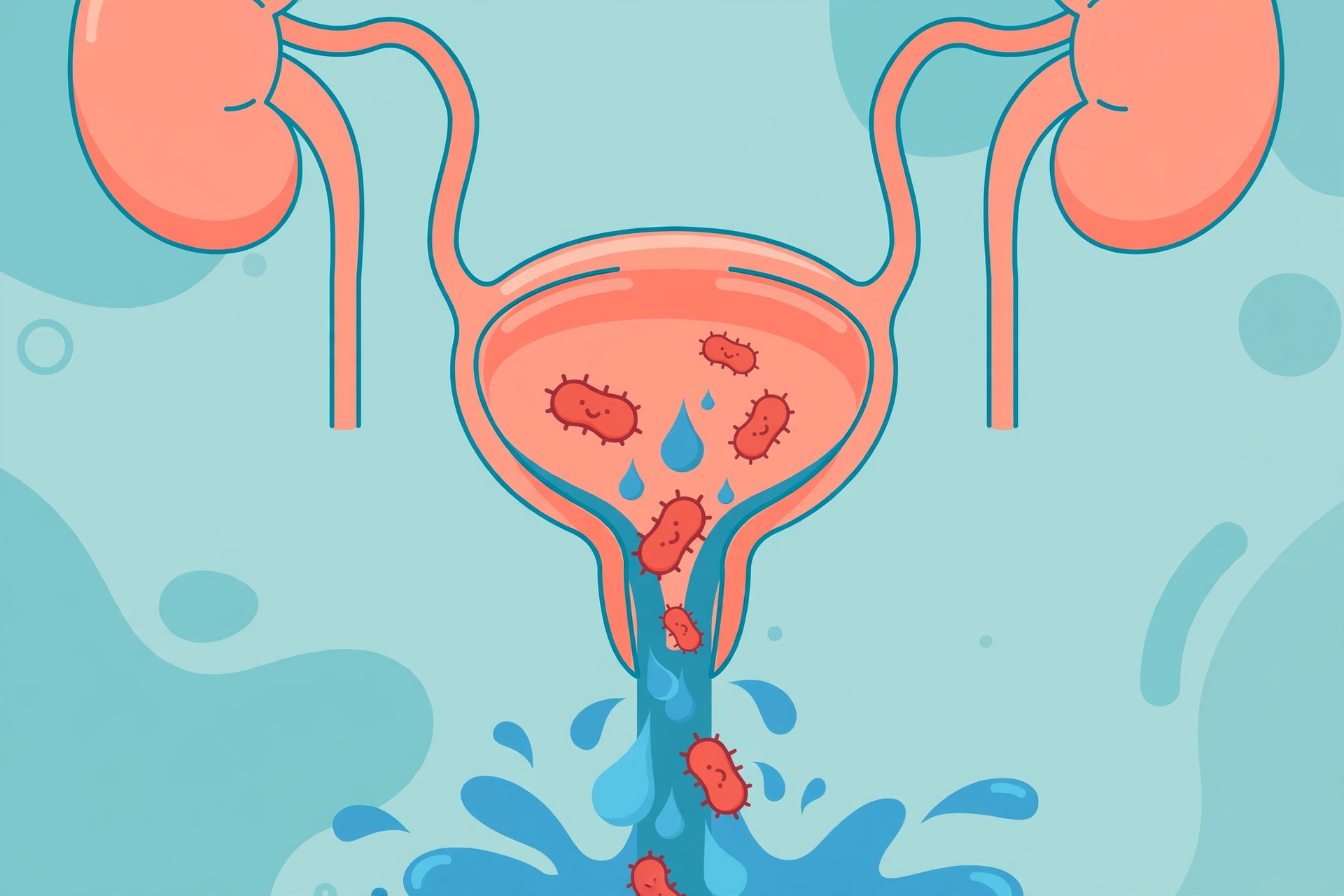
A urinary tract infection happens when bacteria — most often E. coli from the bowel — enter the urethra and multiply in the urinary system. The urinary system includes the kidneys, ureters, bladder, and urethra. Most infections involve the lower urinary tract: the bladder (cystitis) or the urethra (urethritis). According to Mayo Clinic, women face a higher risk than men because of a shorter urethra, which gives bacteria a shorter path to the bladder.
A UTI is not sexually transmitted. However, sexual activity can increase the risk, because intercourse can push bacteria toward the urethra. That is why many people first notice uti vs std symptoms shortly after sex and immediately worry it must be an STI — when in reality, the timing alone proves nothing. This is a common point of confusion in the uti vs std debate.
What Is an STI?
Sexually transmitted infections are passed through sexual contact and can affect the genitals, urethra, rectum, and mouth. This transmission route is the key dividing line in any uti vs std comparison. Several common STIs cause urinary complaints that closely mimic a UTI:
- Chlamydia can infect the urethra in both sexes and often causes no symptoms at all — especially in women.
- Gonorrhea commonly causes burning urination and discharge in men and may be silent in women.
- Trichomoniasis, a parasitic infection, can cause urinary discomfort, discharge, and irritation.
- Genital herpes causes extreme pain during urination when sores sit near the urethra.
- Mycoplasma genitalium, an increasingly recognized STI, produces urethritis symptoms very similar to chlamydia.
If you suspect one of these specific infections, our chlamydia vs gonorrhea symptoms guide explains how the two most common bacterial STIs differ from each other.
UTI vs STD Symptoms: Side-by-Side Comparison
The table below captures the pattern doctors look for. Notice how many rows say “both” — that is exactly why uti vs sti symptoms are so hard to separate without testing.
| Symptom or feature | UTI | STI |
|---|---|---|
| Burning during urination | Common — the hallmark symptom | Common with urethritis-causing STIs |
| Frequent, urgent urination | Common | Can occur |
| Passing small amounts of urine | Common | Less typical |
| Cloudy or strong-smelling urine | Common | Uncommon |
| Blood in urine | Can occur | Rare |
| Lower abdominal or bladder pressure | Common | Can occur |
| Unusual vaginal or penile discharge | Rare | Common with chlamydia, gonorrhea, trichomoniasis |
| Genital sores, blisters, or rashes | Not typical | Can occur (herpes, syphilis) |
| Itching or irritation of the genitals | Not typical | Can occur |
| Pain during sex | Not typical | Can occur |
| Testicular pain or swelling | Not typical for a simple bladder infection | Can occur (epididymitis) |
| Fever and chills | Possible, especially with kidney infection | Possible with some infections |
| No symptoms at all | Possible | Very common with some STIs |
Signs That Point More Toward a UTI
When comparing uti vs std symptoms, a UTI is more likely when the picture is focused on the urinary tract itself rather than the genitals:
- A strong, constant urge to urinate even when the bladder is nearly empty.
- Burning that happens specifically while urinating and eases between bathroom trips.
- Cloudy, dark, foul-smelling, or bloody urine.
- Pressure or aching above the pubic bone in women.
- No unusual discharge, no sores, and no itching.
- A history of recurrent UTIs, recent dehydration, holding urine for long periods, or menopause — all established risk factors.
Fever, back or side pain, nausea, and vomiting suggest the infection may have reached the kidneys (pyelonephritis). That is a more serious situation that needs prompt medical care, not a wait-and-see approach.
Signs That Point More Toward an STI
In the uti vs std comparison, an STD is more likely when the symptoms spread beyond urination into the genital area or relate to recent sexual contact:
- Unusual vaginal or penile discharge — changes in color, amount, or odor.
- Genital itching, irritation, or redness that persists between bathroom trips.
- Sores, blisters, bumps, or rashes around the genitals or mouth.
- Pain during sex or bleeding between periods.
- Pelvic pain in women or testicular pain and swelling in men.
- Swollen lymph nodes in the groin.
- Recent unprotected sex with a new partner, a partner with a known STI, or a partner who has similar symptoms.
Perhaps the most important clue: many STIs cause mild symptoms or none at all. A UTI almost always announces itself; an STI may stay silent for months while still being transmissible. If you have had unprotected sex with a new partner recently, it is worth reviewing our STI testing guide even if your symptoms feel mild. This is one more reason the uti vs std question cannot be settled on symptoms alone.
The Symptom Timeline: A Clue Most Guides Miss
Most guides treat uti vs std symptoms as a static checklist, but when symptoms appear relative to a trigger is a dimension of uti vs std symptoms that most comparisons ignore — and it can add useful context. UTI symptoms typically begin within hours to a day or two of the triggering event — for example, the morning after sexual activity or during a bout of dehydration. They tend to come on quickly and stay focused on the bladder and urethra.
STIs, by contrast, have incubation periods — the gap between exposure and symptoms. Roughly:
- Gonorrhea: symptoms often appear within 2 to 7 days.
- Trichomoniasis: typically 5 to 28 days.
- Chlamydia: commonly 1 to 3 weeks, and frequently no symptoms at all.
- Genital herpes: usually 2 to 12 days, starting with tingling or itching before blisters appear.
These timelines are patterns, not rules — a fast UTI can still arrive days later, and an STI can surface within a day. But if burning began almost immediately after sex with no discharge and you have a history of UTIs, a bladder infection is a reasonable suspicion to raise with your doctor. If symptoms arrived one to three weeks after unprotected sex with a new partner, an STI moves up the list. Either way, timing refines the uti vs std suspicion; only testing settles it.
Why Testing Is the Only Reliable Answer
Here is the gap most online comparisons of uti vs std symptoms gloss over: symptoms alone cannot diagnose either condition, so doctors do not try. No checklist can settle the uti vs std question on symptoms alone. When the picture is unclear, they test for both — and it is perfectly appropriate to ask for this yourself. The tests are simple:
- For a UTI: a urine dipstick test gives a quick in-clinic result, and a urine culture confirms which bacteria are present and which treatment works against them.
- For common STIs: a urine sample can be tested by NAAT (nucleic acid amplification test) for chlamydia and gonorrhea — no swab required in many cases. Genital or throat swabs and blood tests cover herpes, syphilis, HIV, and others when indicated.
One more testing detail worth knowing: STIs have window periods, meaning a test taken too soon after exposure can miss the infection. Your doctor can advise on the right retesting interval. If your “UTI” does not improve with treatment, or if it keeps coming back despite standard care, ask whether an STI screen should be added — this is a red flag clinicians take seriously. When the uti vs std question keeps coming back unanswered, retesting at the right interval is what finally resolves it.

Special Situations Doctors Watch For
Certain circumstances change how uti vs std symptoms should be interpreted — and in these situations the usual symptom clues are less reliable:
- Pregnancy: UTIs are common and can be dangerous if they reach the kidneys, and some STIs can affect the pregnancy. Pregnant people with urinary symptoms should seek care promptly rather than self-treating.
- Recurrent UTIs: repeated infections, especially in women, can mask a chronic or asymptomatic STI, and vice versa. Recurrence is a reason for deeper evaluation, not another round of guessing.
- Urethritis in men: burning urination with discharge in men is most often nongonococcal or gonococcal urethritis — an STI pattern until proven otherwise. Men are also less prone to simple bladder infections, so urinary symptoms in men deserve a careful look.
- Older adults: UTIs can present without classic burning — instead appearing as confusion, fatigue, or worsening incontinence — which makes them easy to miss or mistake for something else.
- Catheter users and people with urinary tract abnormalities: a higher baseline UTI risk does not rule out a coexisting STI.
Yes — it is entirely possible to have both a UTI and an STI at the same time. They are separate infections caused by different organisms, and one does not protect against the other. Treating one while missing the other is a common reason symptoms “come back.” The uti vs std question is not always either-or.
Why Treating the Wrong One Is Risky
Taking leftover antibiotics for what you assume is a UTI will not cure an STI. It can partially suppress symptoms, fuel antibiotic resistance, and — most importantly — leave you contagious while you believe you are cured. Partners can become infected, and untreated STIs can lead to serious complications such as pelvic inflammatory disease, infertility, or chronic pelvic pain. Guessing wrong on the uti vs std question can make things worse.
Misreading uti vs std symptoms in either direction has real consequences. The reverse is equally true: assuming every bout of burning is an STI can mean unnecessary anxiety and testing delays while a simple bladder infection climbs toward the kidneys. Untreated UTIs can progress to kidney infection and, rarely, bloodstream infection. The safe move in both directions is the same — pause sexual activity while symptoms last, hydrate, and get tested before taking antibiotics.
Prevention: Lower Your Risk of Both
Many prevention habits protect against both sides of the uti vs std divide at the same time:
- Drink plenty of water daily to help flush bacteria from the urinary tract.
- Urinate after sexual activity and avoid holding urine for long periods.
- Wipe from front to back to reduce bacterial transfer.
- Use condoms consistently and correctly — they significantly reduce STI transmission.
- Get tested regularly, especially with a new partner, and talk openly about sexual health and testing history.
- Avoid irritating soaps, douches, and scented hygiene products near the urethra and genitals.
Cranberry products are sometimes suggested for urinary health, but the evidence for treating an active infection is weak — hydration and medical treatment are what count once symptoms appear. These steps help regardless of which side of the uti vs std question applies to you.
FAQs
Can a UTI feel exactly like an STI?
Yes. In the early stages, burning during urination, pelvic discomfort, and urinary urgency can feel almost identical in both conditions, because some STIs irritate the urethra just as a bladder infection does. Distinguishing features like discharge, sores, or the symptom timeline can offer hints, but only testing gives a reliable answer. This overlap is exactly why the uti vs std question trips up so many people.
Can an STI cause frequent urination?
Yes. STIs that infect the urethra — such as chlamydia, gonorrhea, and trichomoniasis — can inflame the urethral lining and create a frequent urge to urinate, mimicking a UTI closely. This is one of the most common reasons people misdiagnose themselves, so persistent frequency with any sexual risk factor deserves an STI test.
Is it safe to treat a UTI at home without seeing a doctor?
Mild, classic symptoms sometimes improve with extra fluids, but testing is strongly recommended before taking any antibiotics. Home treatment cannot distinguish a UTI from an STI, and the wrong antibiotics can mask an STI, worsen resistance, and delay proper care. If you have fever, back pain, blood in urine, or are pregnant, see a doctor promptly.
Can you have a UTI and an STI at the same time?
Yes. They are separate infections caused by different organisms, so having one does not protect against the other. This dual scenario is one reason symptoms sometimes “return” after UTI treatment — the UTI resolved, but an undiagnosed STI remained. If treatment does not resolve your symptoms, ask your doctor about testing for both.
Can a UTI turn into an STI?
No. A UTI cannot turn into an STI because the bacteria that cause UTIs are not sexually transmitted. However, sexual activity can raise UTI risk, and some STIs can irritate the urinary tract in ways that feel like a UTI — which is why the two conditions are so often confused with each other. On the uti vs std question, the answer here is clear-cut: one cannot become the other.
Does burning right after sex always mean an STI?
No. Sex can push bacteria toward the urethra and trigger a UTI within hours, especially in women, so burning soon after intercourse is often a bladder infection rather than an STI. Warning signs pointing more toward an STI include discharge, sores, persistent itching, pain during sex, or unprotected sex with a new partner. Testing settles the uti vs std question either way.
If your uti vs std symptoms are unclear, talk to your doctor and ask for both a urinalysis and STI screening — getting the right diagnosis the first time means faster relief and protection for your partner. For more on when and how to test, explore our related guides on this site.
This article is for educational purposes only and does not constitute medical advice. It cannot diagnose a UTI, an STI, or any other condition. Symptoms vary from person to person, and only a qualified healthcare professional who examines you and orders appropriate testing can determine the cause of your symptoms. If you have urinary or genital symptoms — especially fever, back or side pain, blood in your urine, or sores and discharge — consult a qualified healthcare professional promptly.