Antidepressants and Sex Drive: What Women Should Know
For many women, an antidepressant is the reason mornings feel manageable again — mood steadies, sleep returns, and the fog begins to lift. Then, quietly, something else changes: the spark for intimacy fades, arousal takes longer, or orgasm becomes harder to reach. If that sounds familiar, you are far from alone. Understanding how antidepressants and sex drive interact can help you name what is happening, discuss it confidently with your doctor, and protect both your mental health and your intimate life.
Low libido is one of the most common — and least discussed — side effects of antidepressant treatment, and embarrassment keeps the true numbers underreported. This guide to antidepressants and sex drive explains the science in plain language, which medications cause the most and fewest problems, what your doctor will likely check, and how to talk about it with a partner.
How Antidepressants and Sex Drive Are Connected
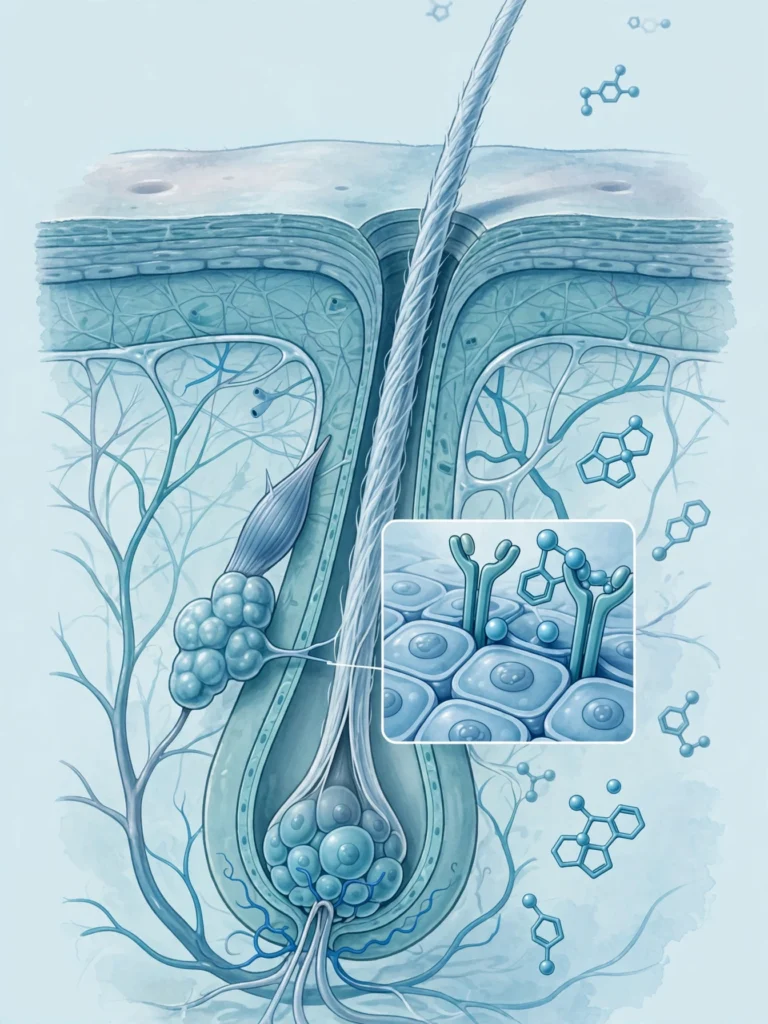
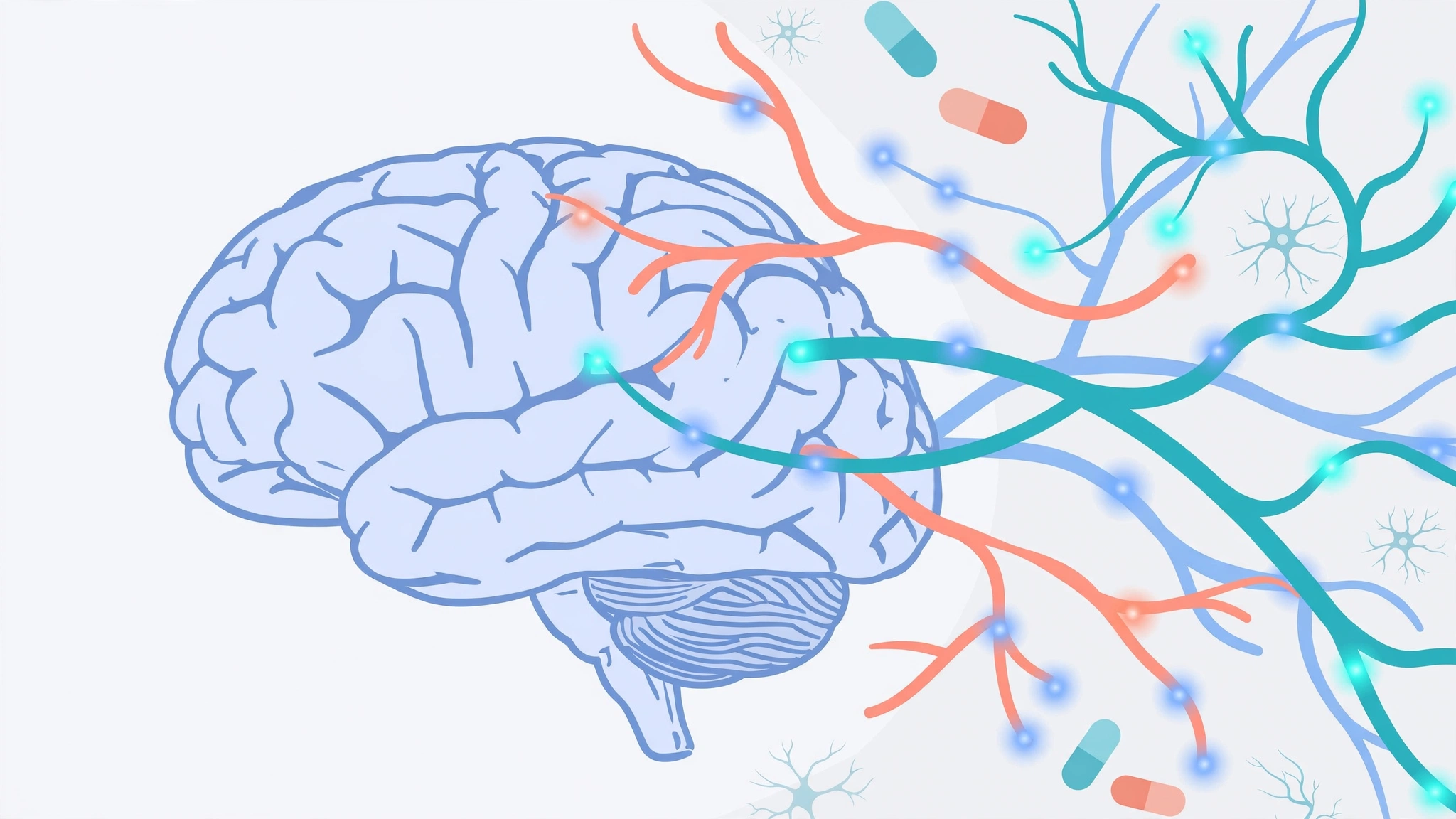
Sexual desire in women is not governed by a single switch. It emerges from a balance between brain chemicals: serotonin, which steadies mood, and dopamine and norepinephrine, which drive motivation, reward, and arousal. The most widely prescribed antidepressants — selective serotonin reuptake inhibitors (SSRIs) — work by increasing serotonin availability in the brain. That lift in serotonin eases depression for many women, but the same shift can dampen the dopamine and norepinephrine pathways that fuel sexual interest and response — the central mechanism linking antidepressants and sex drive.
The female sexual response unfolds in phases — desire, arousal, orgasm, and resolution — and antidepressants can interfere with any of them. Some women notice a drop in spontaneous desire. Others become aroused more slowly or with less natural lubrication. A significant group experiences delayed or blocked orgasm, or a dulling of genital sensation sometimes described as numbness. The Mayo Clinic lists decreased sexual desire, difficulty becoming aroused, and difficulty achieving orgasm among the recognized sexual side effects of antidepressants in women.
There is a difficult irony here: depression itself is a well-known libido killer. Fatigue, low self-esteem, and emotional flatness all reduce interest in sex. Studies have found sexual difficulties in roughly 45 percent of people with untreated depression, rising to about 63 percent among those taking antidepressants — which is why a careful clinician always asks about your sexual function before treatment began, not just after.
Which Antidepressants Affect Sex Drive the Most?
Not every antidepressant carries the same risk, but the classes most often linked to sexual side effects in women are the SSRIs and the closely related SNRIs (serotonin-norepinephrine reuptake inhibitors). Depending on the study, anywhere from 15 to 80 percent of patients report some sexual side effect, with general estimates suggesting up to half of people treated with SSRIs experience at least one. Among all the questions women ask about antidepressants and sex drive, “is it my specific medication?” is usually the first — and the answer often starts with the drug class.
SSRIs most frequently associated with sexual side effects include:
- Sertraline — one of the most commonly prescribed SSRIs worldwide
- Fluoxetine — widely used, with well-documented effects on desire and orgasm
- Paroxetine — often cited among the SSRIs with the highest rates of sexual complaints
- Citalopram and escitalopram — effective antidepressants that also commonly affect arousal and orgasm
SNRIs such as venlafaxine and duloxetine carry broadly similar sexual side-effect rates to SSRIs in most comparative studies. Older classes — tricyclic antidepressants and MAO inhibitors — can also cause sexual dysfunction but are prescribed far less often today. Complaints about antidepressants and sex drive tend to peak in the first weeks of a new prescription or after a dose increase, though side effects can persist for as long as the medication is taken.
Antidepressants That Doctors Consider When Libido Matters
When antidepressants and sex drive collide, clinicians often explain that switching to — or adding — a different agent sometimes resolves the problem. Several antidepressants raise serotonin less aggressively and consistently show a lower burden of sexual side effects in studies:
- Bupropion — acts mainly on dopamine and norepinephrine rather than serotonin. It is the antidepressant clinicians most often describe as “pro-sexual,” and some research suggests it can even improve sexual function for certain patients. Doctors sometimes prescribe it alone or alongside an SSRI.
- Mirtazapine — interacts with serotonin receptors differently from SSRIs and is generally associated with fewer sexual complaints, though increased appetite and sedation are more typical concerns.
- Vortioxetine and vilazodone — newer agents with mixed serotonin activity that showed lower rates of sexual dysfunction than older SSRIs in clinical trials.
None of these is a universal answer. Every woman responds differently, and the antidepressant that preserves libido for one person may not suit another’s depression, anxiety, or sleep. Switching medications is a medical decision — made with your doctor, never on your own — and it always involves weighing mental-health stability against side-effect relief.
Comparing Antidepressant Classes by Sexual Side-Effect Risk
To make the connection between antidepressants and sex drive easier to grasp, here is how clinicians generally rank the major drug classes — from highest to lowest reported sexual side effects. These are population-level patterns, not predictions about any individual:
- SSRIs (sertraline, fluoxetine, paroxetine, citalopram, escitalopram) — highest reported rates; decreased desire, delayed orgasm, and reduced arousal are all common.
- SNRIs (venlafaxine, duloxetine, desvenlafaxine) — broadly similar to SSRIs in most studies.
- Older agents (tricyclics and MAO inhibitors) — significant sexual side effects, plus wider safety concerns that limit their use.
- Vortioxetine and vilazodone — lower rates in trials, though not zero.
- Mirtazapine — generally lower sexual side-effect burden; sedation and appetite changes are the more typical complaints.
- Bupropion — lowest reported sexual side effects; occasionally associated with improved sexual function.
Think of this ranking as a conversation starter for your appointment, not a shopping list. The best antidepressant is always the one that treats your depression safely while leaving you with a quality of life you can live with — a balance only you and your clinician can strike.
When Do the Side Effects Start — and Do They Fade?
One of the least-covered questions in most guides to antidepressants and sex drive is timing. Clinical experience suggests sexual side effects often appear within the first few weeks of starting a medication or raising the dose — roughly the same window when nausea or sleep changes show up. Some women notice changes quickly; for others, the shift is gradual over a month or two.
Not all side effects are permanent. As the brain adapts over several weeks to months, some women find desire and responsiveness partially return — the “watch and wait” window, and one reason doctors rarely change a working antidepressant at the first sign of trouble.
But patience has limits. If sexual side effects persist beyond a few months, or if they strain your relationship or make you want to abandon treatment, that is a signal to act — not to suffer silently, and not to stop the drug on your own. According to Harvard Health, medication-related effects on libido are typically long-term and reversible: they tend to linger while you take the drug but resolve after it is changed or discontinued under medical supervision.
Who Is Most at Risk?
The relationship between antidepressants and sex drive is not the same for every woman. Several factors raise the likelihood — or the severity — of sexual side effects:
- Women in general. CDC figures show antidepressant use is roughly twice as high in women as in men, with women over 60 among the heaviest users — so women simply encounter this side effect more often.
- Midlife and menopause. Falling estrogen already reduces vaginal lubrication and can make intimacy uncomfortable; adding an SSRI can compound dryness and disinterest, while hot flashes and poor sleep add further strain.
- Chronic illness. Conditions that impair blood flow, such as diabetes or cardiovascular disease, reduce genital sensitivity on their own, and antidepressants can deepen the effect.
- Other medications. Hormonal contraceptives, beta blockers, and certain antihistamines can each independently lower libido; combined with an antidepressant, the effects may stack.
Because so many overlapping causes exist — stress, fatigue, relationship strain, hormonal shifts — doctors recommend ruling out other contributors before blaming the antidepressant alone. Our guide to the common causes of low libido worth ruling out first walks through that broader checklist.
What Your Doctor Will Check Before Changing Anything
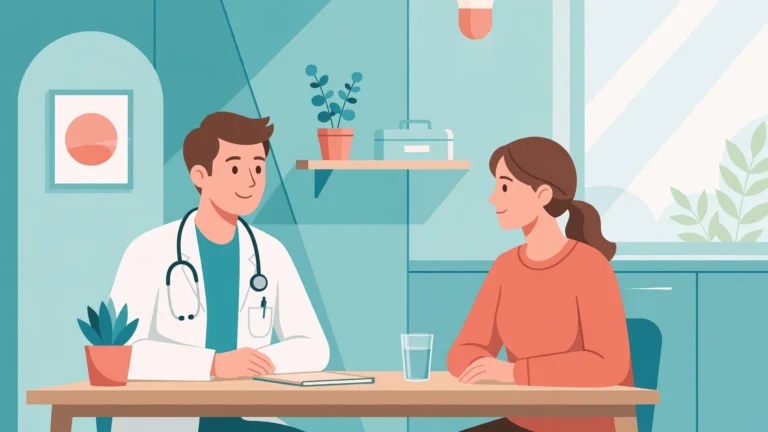
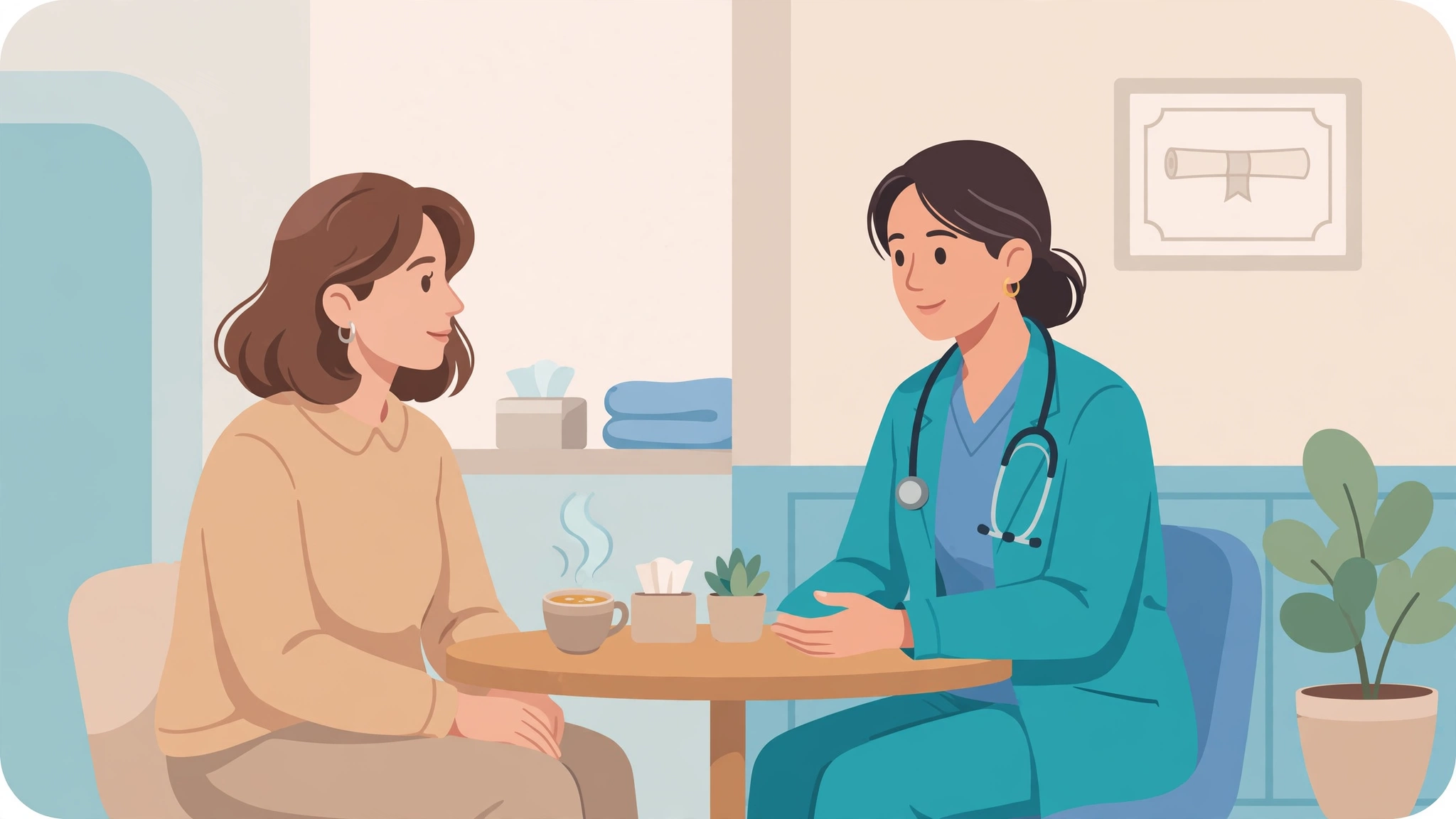
When a woman reports that antidepressants and sex drive problems are colliding, a thorough clinician does not simply swap prescriptions. The appointment usually follows a careful sequence — and knowing it in advance helps you prepare.
First, your doctor will establish a baseline. Expect direct questions: How important is sexual activity to you? Were you satisfied with your sex life before treatment began? Has desire, arousal, or orgasm changed since the dose changed? These questions separate medication effects from depression effects — and clinicians are trained to ask them plainly, so you can answer plainly too.
Next comes the detective work. To sort out whether antidepressants and sex drive problems are really medication-driven, your doctor will review your full medication list, ask about alcohol, sleep, and stress, and may check for medical contributors such as thyroid disorders, elevated prolactin, or perimenopausal hormone changes. Blood tests are sometimes ordered when the picture is unclear.
Depending on the findings, doctors commonly consider several approaches: allowing more time if you recently started the drug; adjusting the timing of your daily dose so its peak effect does not coincide with intimacy; lowering the dose if your depression is stable; switching to an antidepressant with a lower sexual side-effect profile; adding a second agent to counteract the effects; or referring you to a counselor or sex therapist.
What doctors consistently warn against is the do-it-yourself fix: stopping abruptly, skipping doses before sex, or halving tablets without guidance. Sudden discontinuation can trigger withdrawal symptoms — dizziness, nausea, vivid dreams, anxiety — and, more seriously, a relapse of the depression the drug was treating. Any change to dose or timing happens under medical supervision, with a plan for monitoring both mood and side effects.

Talking to Your Partner About the Changes
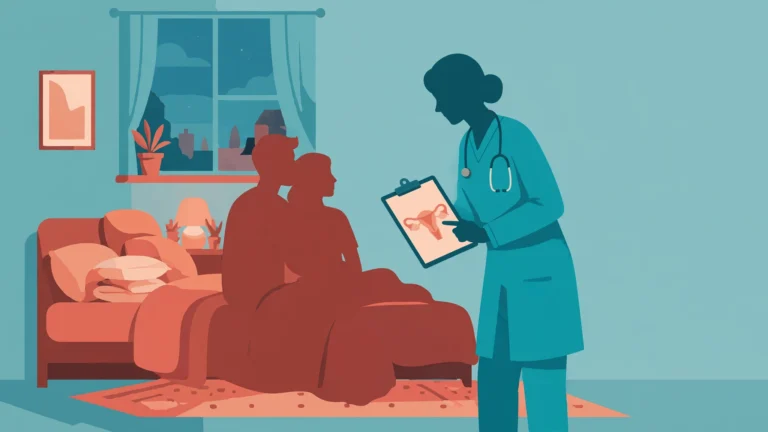
Medication-related changes in desire land in the middle of a relationship, and silence is what turns a side effect into a rift. A short, honest conversation about antidepressants and sex drive prevents months of misunderstanding: the issue is chemistry, not attraction, and it is no one’s fault. Therapists who work with couples suggest these principles for conversations about antidepressants and sex drive:
- Name the cause together. Explaining that the medication — not your partner — is dampening desire removes the sting of perceived rejection.
- Describe what changed, specifically. “It takes me much longer to feel aroused now” gives your partner something concrete to work with.
- Broaden the definition of intimacy. Unhurried time together, massage, and affection without the goal of intercourse keep closeness alive while you and your doctor address the medication.
- Agree that the depression treatment stays. Framing it as “how do we keep both of us well?” keeps the focus on adjustment, not abandonment of care.
If shame makes the conversation hard to start, remember that this side effect is extraordinarily common — and that your partner would almost certainly rather hear an explanation than invent one.
FAQs
How can I tell whether changes in antidepressants and sex drive come from my antidepressant or from depression itself?
Timing is the biggest clue. If desire, arousal, or orgasm changed within weeks of starting the drug or raising the dose, the medication is a likely contributor. But depression itself commonly suppresses libido, so doctors compare your current function against how things were before treatment began. When antidepressants and sex drive are both in the picture, that careful history is what separates the two.
Is the link between antidepressants and sex drive the same for every drug?
No. SSRIs and SNRIs carry the highest reported rates of sexual side effects, while bupropion, mirtazapine, vortioxetine, and vilazodone are generally associated with fewer problems in clinical studies. Individual responses vary widely, though: some women take an SSRI for years with no complaints, while others notice changes on drugs considered gentler. Your personal experience guides your doctor’s decisions.
Can I stop my antidepressant — or skip doses before sex — to get my libido back?
No, not on your own. Stopping abruptly can cause withdrawal symptoms such as dizziness, nausea, and anxiety, and it risks a relapse of depression. So-called “drug holidays” — skipping doses around intimacy — are only ever attempted under direct medical supervision, and only with certain medications. If antidepressants and sex drive problems are pushing you toward quitting, tell your doctor; safer strategies exist.
How soon do sexual side effects appear, and will they wear off on their own?
They often emerge within the first few weeks of starting a medication or increasing the dose. For some women, side effects ease over several weeks to months — the “watch and wait” period doctors recommend. Persistent or severe problems usually prompt clinicians to adjust the dose, change its timing, switch agents, or add a counteracting medication.
If my doctor switches my antidepressant, how quickly might my sex drive improve?
There is no fixed timeline, and honest doctors will not promise one. When antidepressants and sex drive are concerned, many women notice gradual improvement over several weeks after a switch, with fuller recovery sometimes taking a few months. Clinicians report that sexual side effects usually resolve after the offending medication is stopped or replaced, but mood must be monitored closely during any transition.
Can antidepressants affect fertility, pregnancy, or breastfeeding?
Some antidepressants can influence the menstrual cycle, and treatment decisions during pregnancy or breastfeeding are individualized — balancing the mother’s mental health against fetal or infant exposure. These decisions belong in a careful discussion with your obstetrician and psychiatrist, since abrupt discontinuation carries its own risks. Never discontinue on your own if you are pregnant, planning pregnancy, or nursing.
Medical disclaimer: This article is for educational purposes only and is not medical advice. It does not diagnose any condition, recommend any medication, or replace professional judgment. Antidepressant treatment is highly individual, and any change to your medication — including dose, timing, or discontinuation — should only be made together with a qualified healthcare professional such as your doctor, psychiatrist, or gynecologist.
If antidepressants and sex drive troubles are weighing on you or your relationship, the most important step is also the simplest: tell your doctor what is happening. Sexual side effects of antidepressants are common and treatable — and clinicians deal with them every day. For a broader look at what else can quietly drain libido, explore our guide to the common causes of low libido worth ruling out first.