Sex After a Long Break: Easing Back In
Whether it’s been weeks or months, restarting your sex life after a dry spell can feel strangely nerve-wracking — even with a partner you love and trust. If you’re looking for sex after long break tips that actually work, the most important one is this: don’t aim for fireworks on night one. Aim for comfort. This guide walks you through why re-entry feels awkward, how to talk about it without pressure, a gentle week-by-week plan backed by sex-therapy techniques, and when to get professional help.
Why Breaks Happen — and Why Returning Feels Awkward
Life interrupts intimacy all the time: new parenthood, illness, surgery, grief, job stress, a long-distance stretch, medications, or simply emotional drift. None of these mean anything is “wrong” with your relationship. Research on couples consistently shows that desire ebbs and flows with life circumstances, and long pauses are far more common than anyone admits. Most sex after long break tips skip this reassurance — but knowing your pause is normal is the foundation everything else builds on.
So why does the return feel so loaded? Psychologists point to a few reasons. First, the gap creates pressure: the longer you’ve waited, the more the next time feels like it has to be spectacular. Second, your bodies have adjusted to the pause — arousal patterns slow down, and it can genuinely take longer to get going than it used to. Third, the pause may have an unspoken story behind it (“Were they not attracted to me? Was I not trying hard enough?”), and stepping back into the bedroom can stir those worries up.
Naming this openly with your partner takes the charge out of it. A simple “I’ve missed being close with you, and I’d love to ease back into it together — no pressure” reframes the return as teamwork rather than a test.
Start With the Conversation, Not the Bedroom
The couples who ease back in most successfully talk first. You don’t need a heavy summit — just an honest, low-stakes chat at a neutral moment (not in bed, not during a fight). Try conversation openers like:
- “I’ve been thinking about us, and I’d love to feel closer physically again. How have you been feeling about that?”
- “I want to be honest that I’m a little nervous about restarting. Can we agree to take it slow and laugh if it’s awkward?”
- “What would feel good to you as a first step — cuddling, massages, date nights?”
Two things matter most here: permission and pace. Agree explicitly that either of you can pause or stop at any point without it becoming a rejection, and agree that the first attempts don’t need to “lead anywhere.” This explicit consent framework is what makes the bedroom feel safe again — you can read more about healthy communication norms in our guide to what consent looks like in a relationship.

Sex After Long Break Tips: A Gentle Week-by-Week Roadmap
You don’t need to rush back to full intercourse on day one. In fact, sex therapists often prescribe a technique called sensate focus — structured, gradually escalating touch exercises originally developed by Masters and Johnson — precisely because it rebuilds physical comfort without performance pressure. Here’s a practical version you can follow as a couple. Treat these sex after long break tips as a flexible framework — adjust the timeline to whatever feels right for you two.
Phase 1: Touch Without Agenda (Days 1–7)
For the first week, reintroduce physical closeness with zero sexual expectation. The rule: affectionate touch only, and intercourse and genital touch are off the table. This sounds restrictive, but it’s deliberately freeing — when nothing has to happen, your body can relax and actually want things again.
- Hold hands on the couch or during a walk
- Cuddle and spoon while sleeping — no “purpose” required
- Give each other relaxed, non-sexual massages (shoulders, back, feet)
- Kiss properly again — slow kisses, not the perfunctory goodbye peck
- Shower together without it leading anywhere
Many couples report that this phase alone rekindles something — because you’re rebuilding the safety of touch, which desire needs before it can show up.
Phase 2: Sensual Exploration (Days 8–21)
Now allow sensual touch, but keep intercourse off the table for a while longer. Take turns exploring each other’s bodies with hands, lips, and attention — focusing on sensation rather than orgasm or “getting it right.” This is where communication becomes delicious rather than clinical:
- “Show me what feels good” — guide each other’s hands
- Trade 15-minute massages that are allowed to be arousing but don’t need to end in sex
- Revisit erogenous zones you may have been rushing past — neck, ears, inner thighs, lower back
- Make out like you did early in the relationship — extended, unhurried, playful
The point of this phase is curiosity. You’re relearning each other’s bodies as they are now, not as they were before the break.
Phase 3: Full Intimacy, Your Way (Week 4 and Beyond)
When you’re both genuinely ready — and it’s fine if that’s sooner or later than four weeks — resume full intimacy with three practical habits:
- Go slower than you think you need to. After a long break, arousal often takes longer to build and natural lubrication may be reduced. Extended foreplay isn’t a consolation prize; it’s the main event.
- Keep the lights on. Literally or metaphorically: stay communicative during sex. “Slower,” “right there,” “let’s try this” — talking during intimacy after a break is a feature, not a flaw.
- Expect imperfection. The first time back may be a bit awkward, quick, or interrupted by laughter. That’s normal, not a verdict on your sex life.
What to Expect Physically (and How to Handle It)
After a long break, your bodies may respond differently than you remember. Most of this is temporary and resolves with regular, relaxed intimacy — and these sex after long break tips for the physical side will smooth the way:
- Lower natural lubrication. This is extremely common, especially after childbirth, during perimenopause, or when taking certain medications. It’s not a sign of low attraction — see our guide on medications that can affect libido and arousal. A good water-based lubricant fixes the mechanics instantly while your body catches up.
- Tightness or discomfort with penetration. Pelvic floor muscles can tighten during long periods without intercourse. Slow pacing, generous lubrication, and positions that let the receiving partner control depth and speed help. If pain persists beyond a few attempts, a pelvic floor physiotherapist can help — painful sex is treatable, not something to endure.
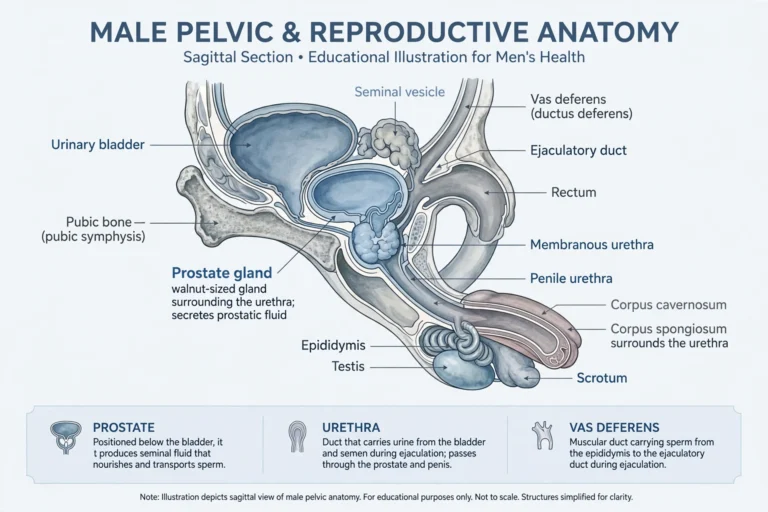
- Quicker climax for men. After a long stretch of abstinence, ejaculation often happens faster than usual the first few times back. This typically normalizes quickly. Starting and stopping, or simply a second round, handles it without drama.
- Erection anxiety. Performance worry after a break can become self-fulfilling — anxiety raises adrenaline, which works against arousal. Reframing the goal from “performance” to “play,” and keeping the first sessions low-stakes, usually breaks the cycle. Persistent difficulty deserves a doctor’s visit, not shame.
- Desire lag. Don’t be surprised if wanting it takes longer to arrive than it used to. Responsive desire — desire that shows up after arousal begins rather than before — is the norm for many people, especially after a break. Starting gently even when you’re only “a little bit” in the mood is often how desire reignites.
The Practical Kit: Set Yourselves Up Well
A small amount of preparation removes most of the physical friction (pun intended) from re-entry — these sex after long break tips for practical prep take five minutes and pay off immediately:
- Lubricant: water-based lubes are versatile, condom-safe, and easy to clean; silicone-based last longer but shouldn’t be used with silicone toys. Keep it by the bed — reaching for lube mid-session should feel as normal as reaching for water.
- Condoms: if you’ve been off contraception routines (or are with a new partner), check expiry dates and restock. Latex condoms are incompatible with oil-based lubricants, so pair them with water- or silicone-based ones.
- Contraception review: after a long break — especially postpartum or post-miscarriage — your contraceptive needs may have changed. A quick appointment can confirm what’s still right for you.
- STI screening: if the break ended a relationship and you’re with someone new, getting tested before resuming sexual activity is simply good practice, even if both of you feel fine. The CDC’s STI testing guidance covers when and how to test.

When Your Timelines Don’t Match
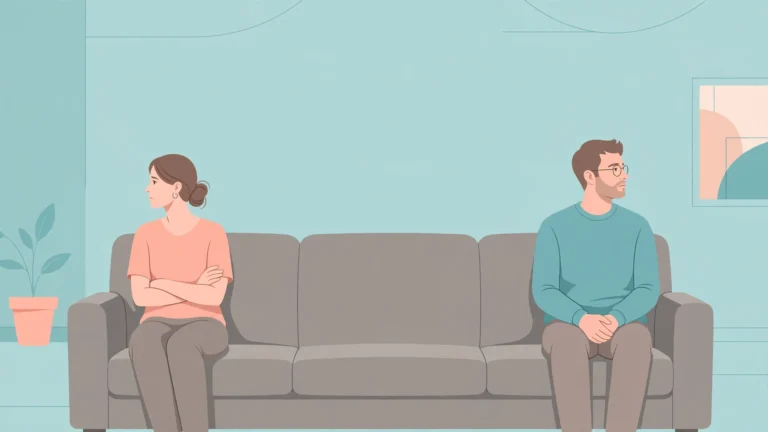
It’s very common for one partner to be ready weeks before the other. This mismatch can breed quiet resentment — the ready partner feels rejected, the not-ready partner feels pressured — unless you talk about it directly. Among all sex after long break tips, this one matters most: name the mismatch before it turns into quiet resentment.
If you’re the ready one: patience isn’t passive. Stay affectionate, keep the conversation open, and resist interpreting a “not yet” as a verdict. If you’re the one who needs more time: say so explicitly and name what would help (“I think I’ll feel ready once the work project wraps up” or “I’d love to do the massage phase for another week”). A vague “soon” breeds more frustration than an honest “not yet, and here’s why.”
Persistent desire gaps benefit from professional guidance — our article on mismatched libidos in marriage goes deeper into long-term strategies for desire differences.
When to See a Doctor or Therapist
Most awkward re-entries smooth out within a few weeks of relaxed, regular intimacy. But get professional input if you notice:
- Pain during sex that doesn’t improve after several gentle attempts with lubrication
- Persistent erectile difficulty or an inability to reach orgasm after the break-in period
- Bleeding, unusual discharge, or pelvic pain — see a clinician promptly
- The break was caused by trauma, grief, or relationship crisis that still feels unresolved
- Avoidance that keeps growing — if months pass and the conversation itself feels impossible, a certified sex therapist or couples counselor can help far faster than white-knuckling it alone
The Mayo Clinic’s overview of painful intercourse is a solid starting point for understanding when discomfort is a medical question rather than just a pacing one.
Frequently Asked Questions
How long should you wait before having sex after a long break?
There’s no medically required waiting period after a voluntary break (unlike after childbirth or surgery, where your doctor gives specific timelines). The right pace is the one both partners agree on. A gradual two-to-four-week reintroduction works well for most couples, but what matters more than the calendar is that neither partner feels rushed. That’s the most important of all sex after long break tips: follow your own calendar, not anyone else’s.
Is it normal for sex to hurt after not doing it for a long time?
Mild discomfort on the first attempt or two is common, especially with reduced natural lubrication or tightened pelvic floor muscles. Generous lubrication, extended foreplay, and a slower pace usually resolve it. Pain that is sharp, persistent, or worsening across attempts is not something to push through — see a clinician or pelvic floor physiotherapist.
Why is my libido lower after a long break?
Counterintuitively, abstinence usually lowers desire rather than building it up — sexual activity tends to beget sexual activity, partly through hormonal and habit pathways. Desire often returns after you start being intimate again, not before. If low desire persists alongside fatigue, low mood, or medication changes, it’s worth a check-up.
How do I tell my partner I want to restart our sex life?
Choose a calm, private moment outside the bedroom. Lead with feelings, not demands: “I’ve missed being physically close with you” lands better than “We need to have sex more.” Suggest a low-pressure first step (a massage, a date night) rather than jumping straight to intercourse, and make clear that “stop” is always an option.
What if one partner is ready and the other isn’t?
Normalize it — desire timelines rarely sync perfectly after a break. The ready partner should stay patient and affectionate without pressure; the other should communicate honestly about what they need rather than deflecting. If the gap lasts months and conversations stall, couples counseling or a sex therapist can help you navigate it together.
Should we use protection when restarting after a break?
If you’re with a new partner, yes — condoms plus recent STI testing are the responsible baseline. If you’re a long-term couple, review whether your contraception is still current, especially after pregnancy, miscarriage, or medication changes that can interact with hormonal methods.
Can a long break affect fertility?
A break itself doesn’t harm fertility — but remember that simply resuming sex doesn’t guarantee pregnancy timing either, especially if age or health conditions factor in. If you’re restarting intimacy specifically to conceive and are over 35 (or have known conditions), a preconception check-up is a smart first step.
This article is for educational purposes only and is not medical advice. Intimate health is personal — if you have persistent pain, dysfunction, or concerns, please speak with a qualified healthcare professional.