Emotional Distance and Physical Intimacy: The Connection
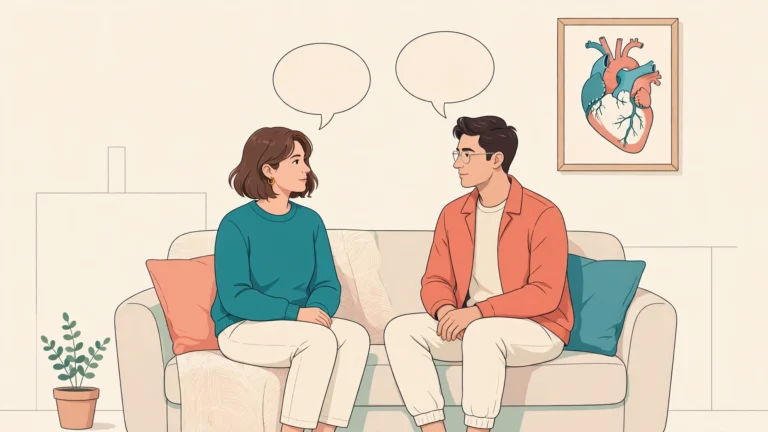
You still love your partner, yet the warmth between you has faded: conversations stay on the surface, touch feels rare or mechanical, and the bedroom has gone quiet. Understanding the emotional distance physical intimacy connection is often the missing piece — because the distance you feel emotionally and the distance you feel physically are not two separate problems. They are the same problem, feeding each other in a loop.
In this guide, you will learn how emotional distance and physical intimacy interact, the warning signs that the cycle has started, what research reveals about why it happens, the medical causes doctors screen for first, and a practical four-step plan to rebuild closeness.
Emotional Distance Physical Intimacy: Why They Move Together
Emotional intimacy — feeling understood, valued, and safe with your partner — is the foundation on which physical intimacy is built. When that foundation cracks, physical closeness almost always follows. A hug from someone you feel deeply connected to is comforting; the same hug from someone you feel distant from can feel awkward. The touch is identical. What changed is the emotional context around it.
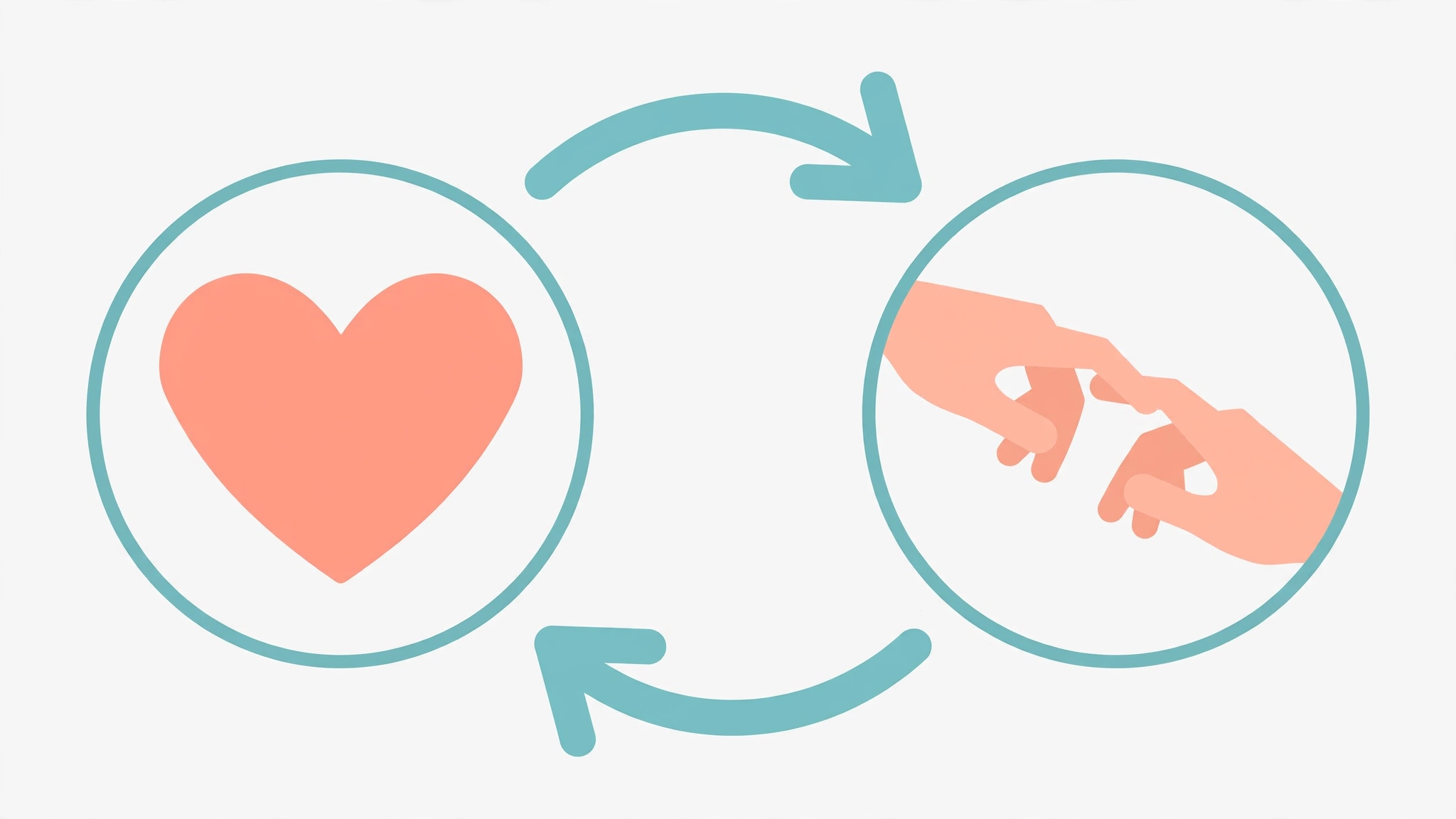
This is why the emotional distance physical intimacy connection runs in both directions. Emotional distance reduces the desire for physical closeness, because the body instinctively withdraws from vulnerability when it does not feel safe. At the same time, a decline in physical closeness deepens emotional distance, because couples lose one of their most powerful channels of comfort, reassurance, and bonding. Mayo Clinic’s patient guidance on sexual health notes that when emotional intimacy needs go unmet, interest in physical intimacy often drops as well — a reminder that clinicians treat these as one linked system, not two isolated issues.
Physical intimacy means far more than sexual activity. It includes hand-holding, a hand on the back, cuddling on the couch, and a kiss that lingers. These small gestures are often the first things to disappear when emotional distance grows — long before the sexual side of the relationship changes.
The Two-Way Cycle Nobody Talks About
Most articles treat the emotional distance physical intimacy problem as a one-way street: emotional problems cause bedroom problems. In reality, couples live inside an emotional distance physical intimacy feedback loop, and either side can start the spiral:
- Emotional distance → less physical intimacy: unresolved arguments, feeling unheard, or chronic stress make one or both partners pull away. Spontaneous affection drops, and touch starts to feel obligatory rather than wanted.
- Less physical intimacy → more emotional distance: as affectionate touch disappears, both partners feel less comforted and less bonded. One reads the distance as rejection; the other reads it as pressure. Resentment builds.
- The pursuer-withdrawer pattern locks it in: one partner pushes for closeness while the other retreats to avoid conflict. Each person’s coping strategy triggers the other’s worst fear — and the loop spins faster.
Recognizing this loop changes the solution: you cannot fix the physical side without addressing the emotional side — and reintroducing gentle physical closeness often thaws the emotional side.
10 Signs Emotional Distance Is Affecting Your Physical Intimacy
The signs of the emotional distance physical intimacy cycle are usually subtle — they look like ordinary busy-couple behavior until they form a pattern. Watch for these pairings:
Learning to spot these emotional distance physical intimacy patterns early is the first step toward reversing them.
| Emotional signal | How it shows up physically |
|---|---|
| Conversations stay shallow and logistical | Fewer spontaneous hugs, kisses, or casual touches |
| Feeling unheard or misunderstood | Pulling away when your partner initiates touch |
| More bickering over small things | Going to bed at different times to avoid closeness |
| Avoiding difficult topics | Sex begins to feel routine, rushed, or like a chore |
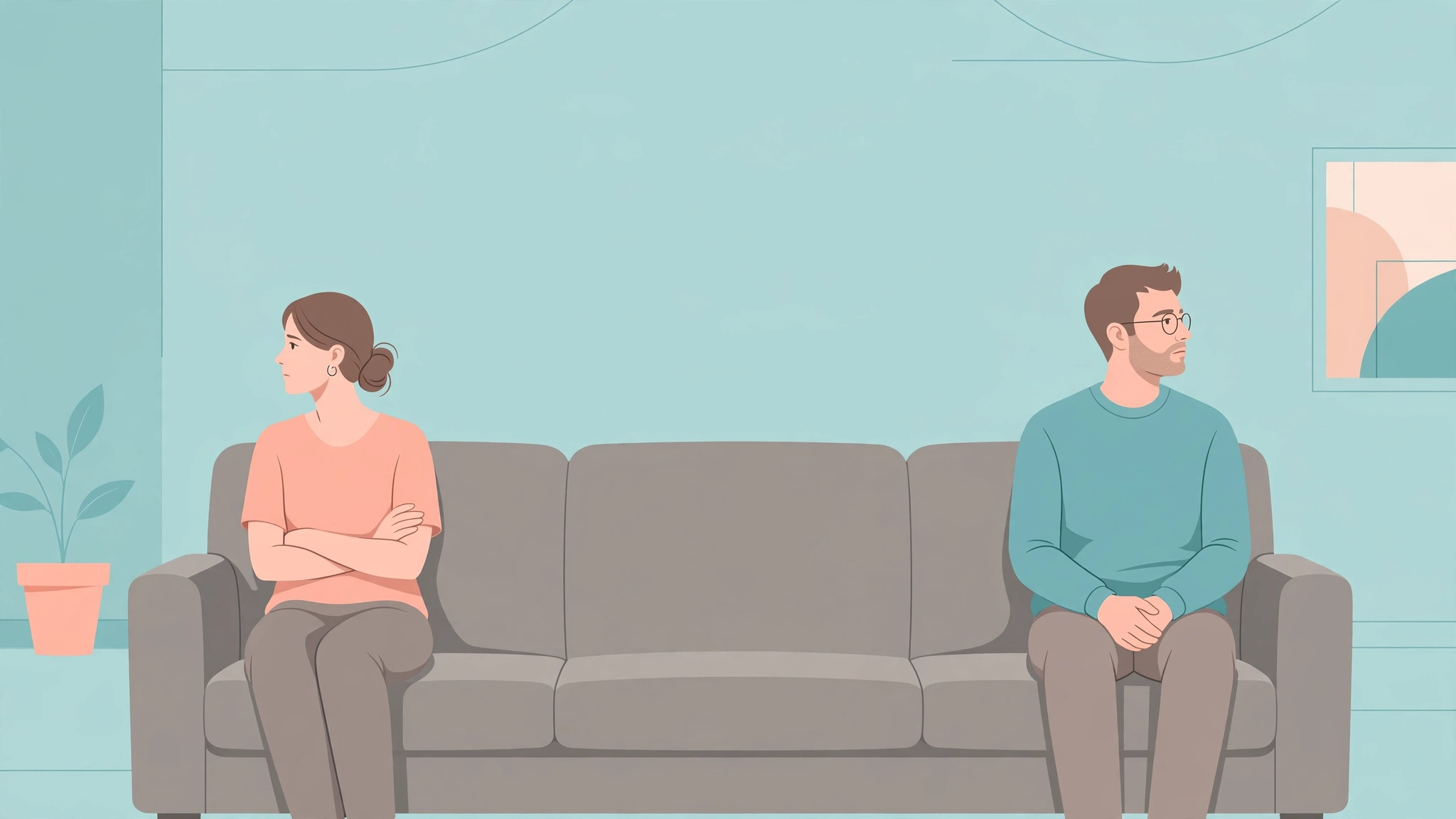
| Spending evenings on separate screens | Sitting apart on the couch; the physical gap mirrors the emotional one |
| Feeling lonely even when together | Less desire for sexual activity than before |
| Criticism or contempt creeping in | Physical touch feels irritating instead of comforting |
| Confiding in friends instead of your partner | Dreading bedtime or finding excuses to stay up late |
| Loss of shared goals and future plans | Stopping the small rituals — the goodbye kiss, the hand squeeze |
| Fantasizing about life without your partner | Complete avoidance of sexual intimacy for weeks or months |
One or two during a stressful season is normal. A cluster lasting weeks or longer is the emotional distance physical intimacy cycle asking for attention.
What Science Says: How Emotional Distance Drains Physical Intimacy
Researchers explain the emotional distance physical intimacy link through three overlapping mechanisms. Understanding this emotional distance physical intimacy science can take the blame out of the conversation.
1. The nervous system treats emotional unsafety like physical threat. When you feel criticized or dismissed, your body releases stress hormones such as cortisol and adrenaline. This fight-or-flight state is the biological opposite of the relaxed, receptive state desire requires. Not wanting closeness when you feel unsafe is physiology, not a character flaw.
2. Touch runs on trust chemistry. Affectionate touch stimulates oxytocin, the hormone associated with bonding and calm — but its release is context-dependent. The same touch that soothes a secure couple can feel tense when emotional distance has eroded trust. That is why simply “having more sex” rarely repairs a disconnected relationship on its own.
3. For many people, desire follows connection — not the other way around. Research on responsive desire (notably Dr. Rosemary Basson’s widely cited model, referenced by the International Society for the Study of Women’s Sexual Health) shows that many people do not feel spontaneous desire first. Instead, desire emerges in response to emotional closeness, affection, and a relaxed context. A partner who “needs to feel close before wanting touch” has a normal desire pattern, not a broken libido.
Emotionally focused therapy (EFT), one of the most evidence-supported couples therapies, describes this negative cycle: one partner pursues connection while the other withdraws. Both are trying to preserve the relationship with opposite strategies. Naming the cycle — not each other — as the enemy is where clinical repair begins.
The Desire Direction Mismatch: One Needs Touch First, the Other Needs Closeness First
Here is the gap most relationship advice misses: partners often run on opposite wiring. One partner feels emotionally closer through physical touch — for them, a hug or cuddling is how they experience love. The other needs to feel emotionally close before wanting physical touch — for them, a heartfelt conversation is what unlocks desire.
Neither direction is wrong, but the mismatch can be devastating. Partner A initiates touch to feel connected; Partner B, feeling emotionally distant, experiences it as pressure and pulls away. A reads the withdrawal as rejection and pursues harder. B reads the pursuit as demand and withdraws further. Both feel unloved.
Breaking this pattern starts with naming it out loud: “I think we may work in opposite directions. I feel closest to you through physical affection, and you may need to feel emotionally close before touch feels good. Can we talk about how to meet both needs?” Couples who understand this asymmetry stop interpreting it as rejection — and that single reframe of the emotional distance physical intimacy dynamic often lowers the pressure enough for closeness to return. Once you name your own emotional distance physical intimacy pattern, compromise becomes much easier.
Medical Causes Your Doctor Will Rule Out First
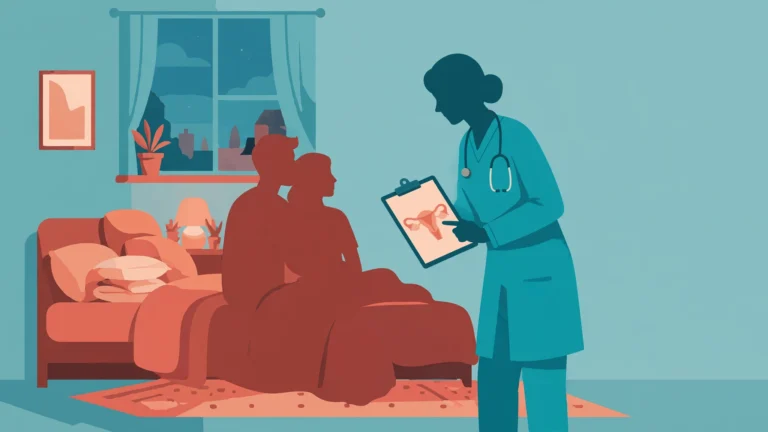
Before concluding the problem is purely relational, clinicians screen for medical contributors — common conditions can quietly drain both emotional energy and physical desire:
- Depression: low mood and fatigue reduce both emotional availability and sexual interest. Mayo Clinic’s guidance notes that depression itself commonly causes decreased libido and relationship difficulty.
- Anxiety disorders: chronic worry keeps the nervous system in a threat state that suppresses both vulnerability and desire.
- Hormonal changes: low testosterone, perimenopause and menopause, postpartum shifts, and thyroid disorders can affect energy, mood, and sexual function.
- Medications: certain antidepressants (especially SSRIs), some blood pressure drugs, and hormonal contraceptives list reduced libido as a side effect. Never stop a prescribed medication on your own.
- Chronic pain and fatigue: conditions like endometriosis, pelvic pain, or sleep apnea make both emotional patience and physical intimacy harder.
- Substance use: heavy alcohol use and smoking impair sexual response and blunt emotional attunement.
This is not a self-diagnosis checklist. It is a reminder that the emotional distance physical intimacy cycle sometimes has a biological driver — and that a primary-care visit is a reasonable, stigma-free first step when desire has changed noticeably. Mention both the emotional and the physical symptoms at your appointment, so your doctor sees the full emotional distance physical intimacy picture.
A Practical 4-Step Plan to Reconnect
Rebuilding this bond does not require grand gestures. For couples caught in an emotional distance physical intimacy cycle, clinical approaches like EFT and the Gottman Method agree: small, consistent, low-pressure moments of connection compound over time. Here is a four-step plan you can start this week:
Step 1: The Soft Start-Up Conversation
Choose a calm moment — not in bed, not during a fight — and name the pattern without blame. A useful template: “I” statement + the pattern + a wish. For example: “I feel lonely when we go days without really talking. I would love it if we could find our way back to closeness.” Avoid “you always” and “you never.” The goal is not to solve everything — it is to agree the distance is a shared problem you will face as a team.
Step 2: Daily Micro-Rituals of Connection
Relationship researcher Dr. John Gottman’s “magic six hours” framework shows connected couples invest in tiny daily rituals: a six-second kiss goodbye, a genuine compliment, a 20-minute end-of-day chat about something other than logistics. What matters is reliability — repeated evidence that you are emotionally present.
Step 3: The Non-Demand Touch Ladder
Agree on a daily 10–15 minute session of affectionate, non-sexual touch — hand-holding, a shoulder massage, lying close — with an explicit rule: no expectation that it leads anywhere. This approach has roots in sensate focus, a classic clinical exercise in sex therapy that rebuilds comfort with touch by removing performance pressure. Over days and weeks, many couples find desire returning on its own — because the pressure that was suppressing it is gone.
Step 4: Schedule Connection Time — and Protect It
Unromantic as it sounds, scheduling works. Mayo Clinic’s patient resources on maintaining a satisfying sex life recommend making intimacy — both emotional and physical — a genuine priority, including setting aside dedicated time. That might mean a weekly date night with phones away, or simply a protected half-hour before bed for talking and cuddling. Couples with a detailed plan for rebuilding closeness, such as the four-week framework in our guide to rebuild intimacy in a long-term relationship, often find that structure removes the “who initiates” standoff and gives both partners something to look forward to.
When to See a Doctor or Couples Therapist
The emotional distance physical intimacy cycle is common and often reversible — but some situations call for professional help sooner rather than later. Consider reaching out if any of these apply:
- Low desire or avoidance of intimacy has persisted for six months or more despite honest effort.
- Sex is painful, or there are new physical symptoms (erectile difficulties, vaginal dryness or pain, loss of sensation).
- You or your partner show signs of depression, anxiety, or overwhelming stress that do not lift.
- Conversations about the problem reliably turn into fights, stonewalling, or days of silence.
- Either partner is considering or has begun an emotional or physical affair.
- There is any form of coercion, fear, or lack of safety in the relationship — in which case individual support comes first.
A primary-care doctor, OB-GYN, or urologist can evaluate medical contributors. A licensed couples therapist — particularly one trained in emotionally focused therapy or sex therapy — can help you map your emotional distance physical intimacy cycle and practice new patterns. Our guide on how to talk about sex with your partner also offers scripts that work well as a starting point for that first therapy conversation.
Mayo Clinic’s guidance on women’s sexual health emphasizes that talking openly about sexual needs is itself therapeutic, and clinicians expect these conversations. You do not need perfect words — you only need to start.
FAQs
Can emotional distance destroy physical intimacy?
It can severely damage it, though rarely permanently. Emotional distance removes the safety and warmth that make touch feel good, so desire drops and affection feels hollow. The encouraging news: the link works in reverse. Rebuilding emotional safety — through honest conversation, daily rituals, and non-demand touch — often restores physical desire when both partners engage. Couples who commit to reversing the emotional distance physical intimacy cycle together usually notice progress within weeks.
Why do I feel emotionally distant from my partner but still love them?
Love and emotional attunement are different things. You can deeply love someone while feeling unseen or out of sync — often from accumulated stress, unresolved conflicts, or months of prioritizing everything except the relationship. Distance usually signals unmet needs and neglected maintenance, not that love has ended.
How long does it take to rebuild emotional and physical intimacy?
There is no fixed timeline, but couples who practice daily connection rituals and non-demand touch often notice small shifts within two to four weeks, with deeper change over two to three months. Progress is rarely linear — expect setbacks. If nothing has shifted after a few months of consistent effort, a couples therapist can help.
My partner avoids physical touch. What should I do?
Resist the urge to pursue harder or withdraw in hurt — both deepen the cycle. Instead, ask gently and outside the bedroom what touch feels like to them right now, and listen without defending yourself. Offer non-demand affection with zero expectation of escalation. If avoidance persists for months, suggest couples counseling together rather than framing it as one person’s problem.
Can a relationship survive without physical intimacy?
Some couples maintain committed relationships with little or no sexual activity when both partners genuinely agree on that arrangement. But when one partner wants closeness and the other does not, the unmet need usually erodes emotional intimacy too. Honest, ongoing negotiation about needs matters more than any particular frequency.
Should I see a doctor or a therapist first for intimacy problems?
If desire changed suddenly, sex has become painful, or you have symptoms like fatigue or low mood, start with a doctor to rule out medical causes. If the core problem is communication breakdown or a long-standing emotional disconnect, start with a couples therapist. Many couples benefit from both in parallel.
Medical disclaimer: This article is for educational purposes only and is not medical advice. Emotional and sexual health involve complex factors that vary from person to person. Do not use this information to diagnose yourself or your partner, start or stop any medication, or replace professional evaluation. If you have concerns about your sexual health, mental health, or relationship, consult a qualified healthcare professional or licensed therapist.
If the emotional distance physical intimacy cycle feels overwhelming, start small: one honest conversation, one daily ritual, one week of non-demand touch — and talk to your doctor or a licensed couples therapist if you need support.