PEP After HIV Exposure: What to Do in the First 72 Hours
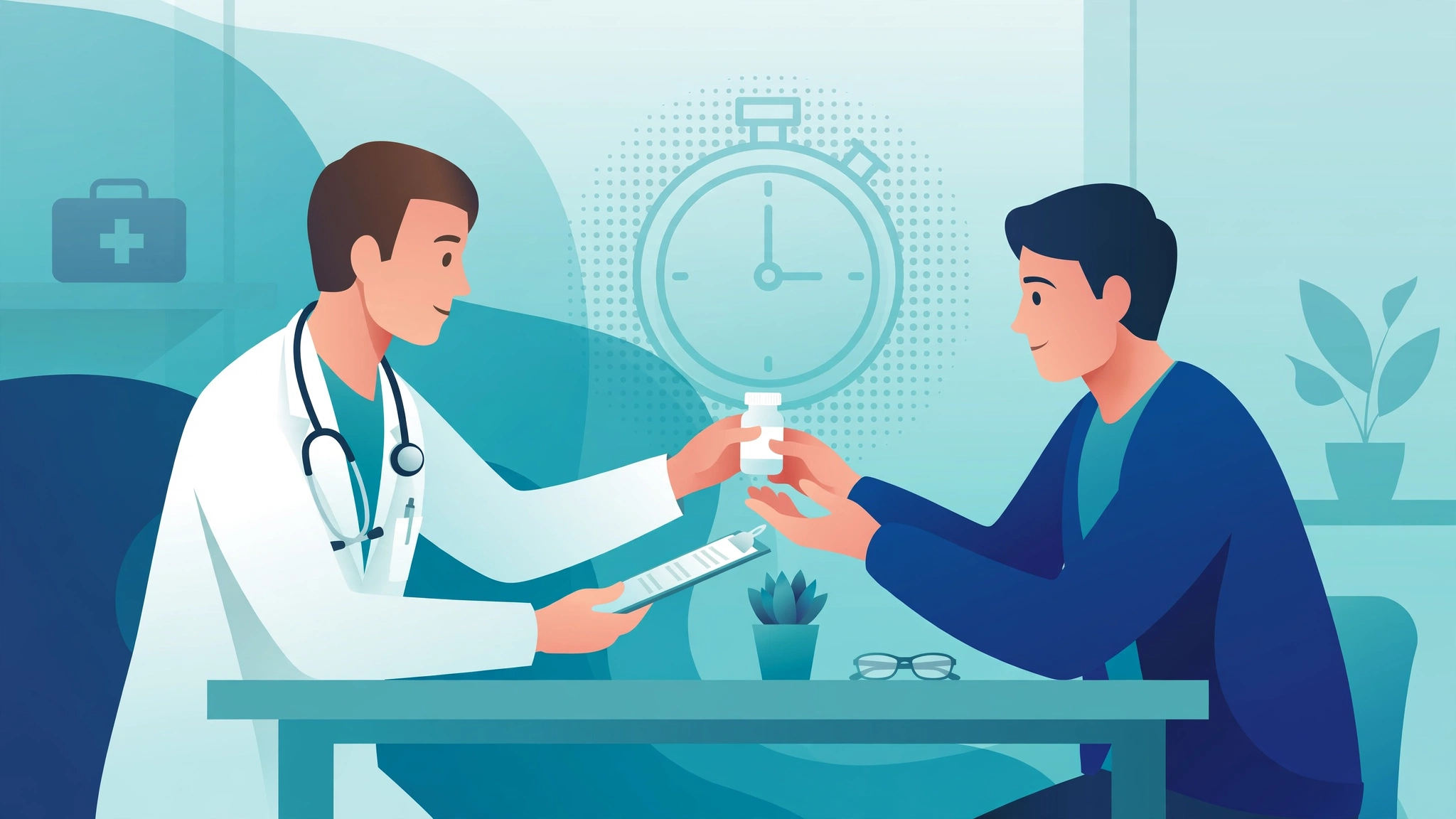
If you believe you have been exposed to HIV — through sex, a needlestick injury, or a broken condom — there is an emergency medicine that can still prevent infection. PEP HIV exposure treatment (post-exposure prophylaxis) is a 28-day course of antiretroviral medicine that must be started within 72 hours of a possible exposure. The sooner it begins, the better it works: ideally within 24 hours, and every hour counts. This guide explains exactly what PEP is, what to do hour by hour, who it is for, how it differs from PrEP, and what follow-up testing you will need.
What Is PEP (Post-Exposure Prophylaxis)?
PEP stands for post-exposure prophylaxis — “prophylaxis” simply means treatment that prevents disease. PEP HIV exposure treatment uses the same kinds of antiretroviral medicines prescribed to people living with HIV, but here they are used after a potential exposure to stop the virus from taking hold. HIV takes a few days to establish an infection, and starting antiretrovirals in that window interrupts the virus’s replication cycle — which is why the 72-hour deadline is absolute.
PEP is an emergency measure, not a routine prevention tool. According to the CDC, it is intended for single, isolated exposures — a broken condom, a needlestick injury, a sexual assault — and is not a substitute for ongoing prevention such as condoms or PrEP.
How PEP HIV Exposure Treatment Works
PEP medicines are antiretroviral drugs that block HIV at different stages of its replication process. Using multiple medications together makes the treatment far more effective than any single drug could be alone, as the Cleveland Clinic explains.
If the drugs reach the virus early enough — before it establishes reservoirs in the body — the infection can be prevented entirely. But once HIV has fully taken hold, which typically happens within a few days of exposure, post-exposure treatment can no longer work. That biological race against the clock is why the 72-hour deadline is absolute, and why PEP HIV exposure treatment is strictly an emergency measure, never a routine prevention tool.
Your Hour-by-Hour Action Plan
Most articles about PEP simply say “start within 72 hours.” But what should you actually do in each phase? Here is a practical timeline.
Hour 0–2: Act Immediately
- Do not panic — act. Note the exact time of the exposure. Your clinician will need this to judge the 72-hour window.
- Clean the exposure site. Wash skin or wound areas with soap and water. Do not scrub harshly or use bleach or antiseptics inside body openings.
- Decide where to go. PEP is available from emergency rooms, urgent care clinics, sexual health clinics, and HIV clinics. Most emergency departments can start PEP immediately — call ahead if you can, but do not delay traveling there.
Hour 2–24: The Ideal Window
This is when PEP HIV exposure treatment is most effective. Clinical guidelines, including those from the UK’s NICE clinical knowledge service, recommend starting PEP as soon as possible — ideally within 24 hours and no later than 72 hours. HIV clinical guidelines in several countries advise giving the first dose ideally within 2 hours of exposure. Go to an emergency room or urgent care provider right now if you have not already.
Hour 24–72: Still Worth Pursuing
If you are already a day or two past the exposure, do not assume it is too late — PEP can still be effective up to the 72-hour mark, though effectiveness decreases the longer you wait. After 72 hours PEP is no longer recommended, but a doctor can still evaluate the exposure, arrange baseline and follow-up testing, and discuss options including PrEP.
Who Should Consider PEP?
PEP may be prescribed for people who are HIV-negative (or do not know their HIV status) and who, within the last 72 hours:
- Had vaginal or anal sex without a condom (for example, the condom broke or slipped) with a partner who has or might have HIV
- Were sexually assaulted
- Shared needles, syringes, or other drug-injection equipment with someone who has or might have HIV
- Had an occupational exposure — for example, a needlestick injury or blood splash at work, common among healthcare workers
A doctor will assess your individual risk before prescribing, asking about the type of exposure, what you know about the other person’s HIV status and viral load, and whether barrier protection was used. Importantly, if your partner is HIV-positive with an undetectable viral load on consistent treatment, transmission is effectively impossible (U=U: undetectable equals untransmittable) — PEP is usually not needed in that case.
Occupational vs. Non-Occupational Exposure
Most general guides lump every exposure together, but doctors categorize them differently, and it affects both access and cost. PEP HIV exposure treatment falls into two pathways:
- Occupational exposure (oPEP) happens at work — for example, a healthcare worker stuck by a needle contaminated with HIV. Workplace health services usually have PEP protocols ready, and workers’ compensation or employer insurance typically covers the medication.
- Non-occupational exposure (nPEP) covers sexual exposure, sexual assault, and shared injection equipment. Seek this at an emergency room, urgent care clinic, or sexual health clinic. Many emergency departments carry “starter packs” — the first few days of medication given on the spot — so treatment is not delayed.
If your exposure happened at work, notify your supervisor or occupational health service immediately. If it happened through a sexual assault, most emergency departments can provide PEP alongside a forensic examination and victim support services.
PEP vs. PrEP: Know the Difference
PEP and PrEP are often confused because both prevent HIV and both involve antiretroviral medicines. The differences are critical:
| PEP (Post-Exposure) | PrEP (Pre-Exposure) | |
|---|---|---|
| When | Taken after a possible exposure | Taken before ongoing risk |
| Timing | Must start within 72 hours of exposure | Taken continuously (daily pill or every-2-month injection) |
| Duration | 28 days, then stopped | As long as the risk continues |
| Purpose | Emergency response to a single event | Ongoing protection for people at repeated risk |
| Rule of thumb | “I had an accident — I need help now” | “I may be at risk regularly — I need steady protection” |
If you find yourself needing PEP HIV exposure treatment more than once, that is usually the signal your doctor will recommend switching to PrEP. The CDC emphasizes that PEP is not the right choice for people who may be exposed to HIV frequently. Talk to a healthcare provider about which strategy fits your situation.
What Happens at Your PEP Appointment
Knowing what to expect can reduce anxiety. A typical PEP visit includes:
- Exposure assessment: The clinician reviews what happened, when it happened, and the likely HIV status of the source.
- Baseline testing: A rapid HIV test confirms you do not already have HIV. No test can detect the very recent exposure itself, so testing never delays treatment — PEP HIV exposure treatment starts first. Your provider may also test for hepatitis B, hepatitis C, other STIs, and pregnancy, and check liver and kidney function.
- Starter dose: You will typically receive the first doses immediately, either as a starter pack or a full prescription.
- Counseling: Expect advice on medication adherence, condom use during the course, and emotional support — especially after an assault.
Because other infections can be transmitted during the same exposure, your provider may also treat you for other STIs at the same visit. For a primer on common STI symptoms to watch for, see our guide on chlamydia vs. gonorrhea symptoms, and read about the growing concern of antibiotic-resistant gonorrhea.
Taking the 28-Day Course: What to Know
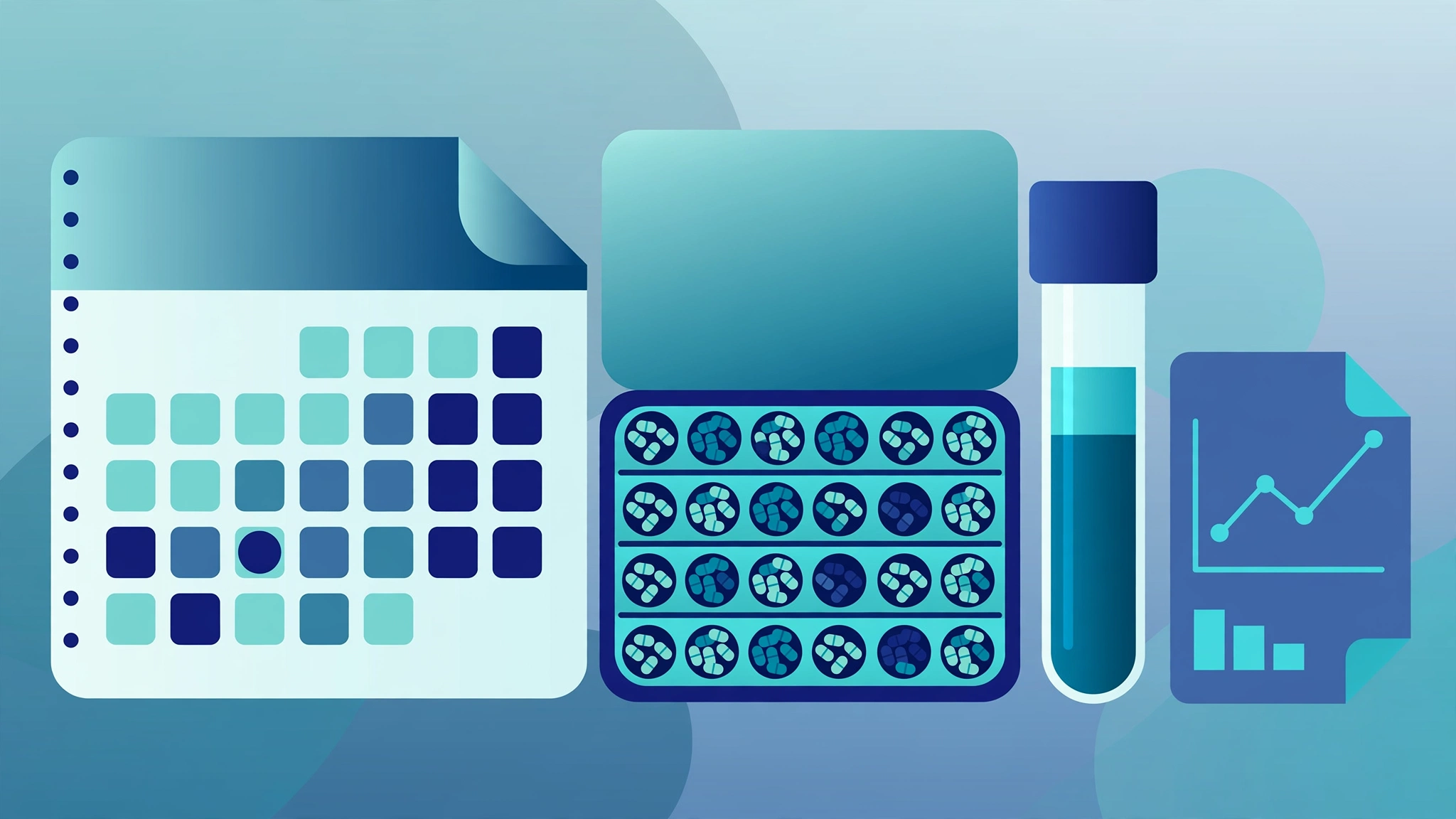
PEP is taken for 28 days — a full four weeks — and completing the entire course is essential. Missing doses lowers the amount of medicine in your body and increases the chance that HIV can break through. Modern PEP HIV exposure treatment regimens are typically one to three tablets per day, and doctors emphasize that effectiveness is likely much higher than the commonly cited 80%+ figure when the full course is taken consistently and correctly.
If You Miss a Dose
- Remember within 24 hours: take the missed dose as soon as you remember.
- Almost time for the next dose: skip the missed one and take the next dose at the normal time — never take two doses at once.
- Missed more than 48 hours (two days in a row): stop and contact your doctor for guidance.
- Call your provider if you are unsure — do not just guess.
Common Side Effects and How to Cope
PEP is generally safe, and serious side effects are rare. However, some people experience mild to moderate effects, especially in the first week:
- Nausea or vomiting
- Diarrhea or stomach upset
- Fatigue or tiredness
- Headache or dizziness
These symptoms usually fade after the first week. Over-the-counter remedies can often help — ask your pharmacist which are safe to take alongside your regimen. The key message from every major guideline is the same: do not stop taking PEP because of side effects without talking to your doctor first. Tell your provider right away if side effects persist; they can often adjust the regimen.
Your Follow-Up Testing Schedule
There is no physical sign that tells you PEP worked — only testing confirms it. Your provider will arrange a schedule of repeat HIV tests after the exposure:
- 4–6 weeks after exposure: first repeat HIV test (some clinics test again at the end of the 28-day course)
- 12 weeks (3 months) after exposure: second repeat test
- 24 weeks (6 months) after exposure: final test in some guidelines, particularly after higher-risk exposures or occupational needlesticks
If you had sexual exposure, you will also be re-screened for other sexually transmitted infections at around 4–6 weeks, since some STIs take time to become detectable. Keep your follow-up appointments even if you feel perfectly well — completing the testing schedule is the only way to confirm the outcome.
Can You Have Sex While Taking PEP?
Use condoms or other barrier protection for any vaginal or anal sex while you are on PEP, and until your follow-up testing confirms you do not have HIV. This protects your partner and prevents any new exposure that could undermine the treatment.
Where to Get PEP Urgently
Because every hour matters, go to the most accessible option rather than waiting for an appointment:
- Emergency room: the fastest route in most areas, especially nights and weekends
- Urgent care clinic: can evaluate and prescribe PEP during daytime hours
- Sexual health / HIV clinic: specialists in PEP and follow-up testing
- Your own doctor: can prescribe if reachable immediately, but do not wait on callbacks
Cost should never be the reason you delay. In many countries and US states, PEP HIV exposure treatment is covered by insurance including Medicaid; emergency Medicaid and manufacturer medication-assistance programs can provide free medicine urgently when insurance does not cover it. Victims of sexual assault may qualify for reimbursement of medication and care costs. Ask the clinic’s social worker for help — they handle these requests urgently every day.
When PEP Is Not Recommended
PEP is a powerful tool, but it is not appropriate in every situation. Doctors generally do not recommend it when:
- More than 72 hours have passed since the exposure
- You are already taking PrEP consistently
- The exposure carried negligible risk — for example, oral sex, or contact with saliva, sweat, or tears
- The source partner is confirmed HIV-positive with an undetectable viral load on consistent treatment
- You are already HIV-positive (in which case treatment focuses on HIV care, not PEP)
When in doubt, ask. A clinician would rather evaluate a low-risk exposure than have someone who needed PEP stay home out of uncertainty.
FAQs
How soon after exposure must PEP start?
PEP must be started within 72 hours (3 days) of the possible exposure, and the sooner the better. Guidelines advise starting as early as possible — ideally within 24 hours, and some recommend the first dose within 2 hours. Every hour counts because the drugs must interrupt HIV replication before the infection becomes established.
How long do I need to take PEP medication?
The standard course is 28 days (4 weeks) of daily medication, taken exactly as prescribed. You must complete the full course even if you feel fine — stopping early or skipping doses significantly increases the risk that PEP will fail. Your doctor will explain your specific dosing schedule before you start.
How effective is PEP at preventing HIV?
Studies show PEP can reduce the risk of HIV infection by more than 80% after a high-risk exposure. Effectiveness is likely much higher when PEP is started quickly, taken every day for the full 28 days, and combined with precautions against new exposures. Completing the course and follow-up testing matters because protection is not 100% guaranteed.
What are the side effects of PEP?
Common side effects include nausea, vomiting, diarrhea, fatigue, headache, and dizziness — most are mild to moderate and usually fade within the first week or two. Serious side effects are rare with modern regimens. Do not stop taking PEP because of side effects; tell your doctor, who can adjust the regimen or suggest remedies.
Can I have sex while I am taking PEP?
You should use condoms or other barrier protection for vaginal or anal sex while taking PEP, and until your follow-up HIV testing is complete. This protects your partner and prevents a new exposure that could interfere with treatment. Your doctor will confirm when precautions can be lifted.
What should I do if I miss a dose of PEP?
If you remember within 24 hours, take the missed dose as soon as you remember. If it is almost time for your next dose, skip the missed one and continue normally — never double up. If you miss more than 48 hours (two days in a row), stop taking PEP and contact your doctor for advice.
The Bottom Line
PEP HIV exposure treatment is one of the most effective emergency tools in sexual health — but it is a race against time. If you think you have been exposed to HIV, note the time, go to an emergency room, urgent care, or sexual health clinic immediately, and ask for PEP. Take every dose for the full 28 days, complete your follow-up testing, and talk to your doctor about PrEP if you face repeated risk. Acting fast is the single biggest factor in your favor.
Medical Disclaimer: This article is for educational purposes only and is not medical advice. If you believe you have been exposed to HIV, seek immediate medical attention. Always consult a qualified healthcare professional about your specific situation before making decisions about treatment.