Pubic Lice (Crabs): Symptoms and Treatment
If you have found yourself scratching more than usual and spotted something moving in the mirror, take a breath: effective pubic lice treatment is straightforward, widely available, and almost always successful at home. Pubic lice — nicknamed “crabs” — are tiny blood-feeding insects that live in coarse body hair, and while the diagnosis is embarrassing for most people, doctors treat it as routine. This guide covers what doctors recommend, the step-by-step home protocol, the partner and bedding rules most guides gloss over, why shaving is not the fix people hope it is, and when lingering itch means you should see a clinician instead of reaching for another box of cream.
What Pubic Lice (“Crabs”) Actually Are
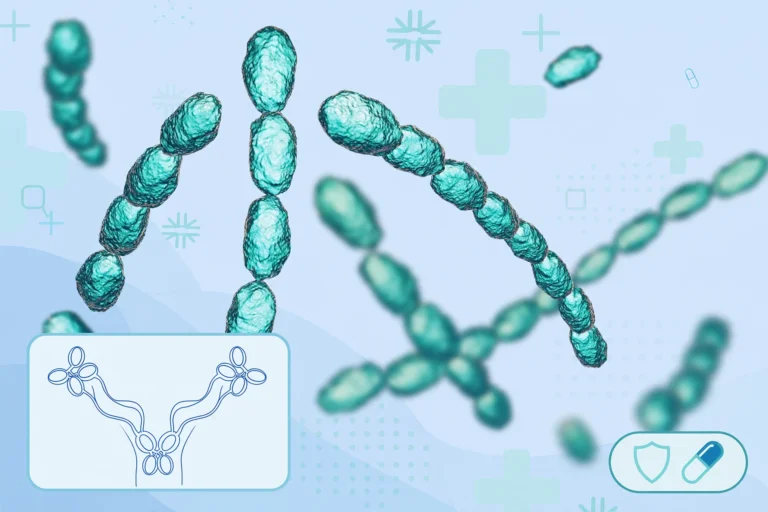
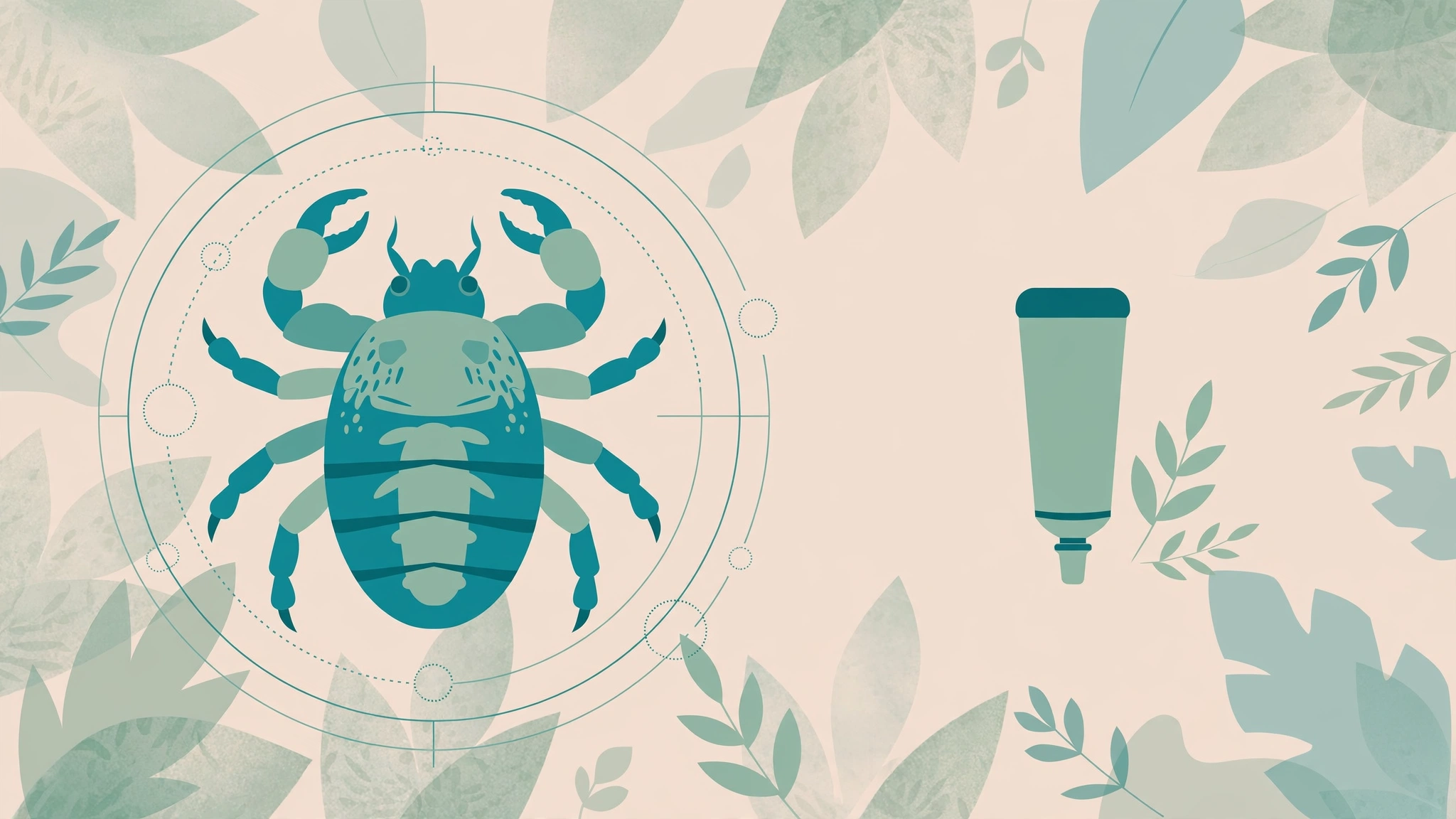
Pubic lice (Phthirus pubis) are distinct from head and body lice. They are grayish, 1 to 2 millimeters long — about the size of a pinhead — with a broad, crab-like body and claws that grip coarse hairs. Adults feed on blood several times a day and live for just under a month; females cement their eggs, called nits, to hair shafts close to the skin, where they hatch within about a week.
Crabs live mostly in pubic hair but can turn up in any coarse body hair: armpits, chest, beard, and occasionally eyelashes or eyebrows. They spread overwhelmingly through close skin-to-skin contact, usually sexual contact, and less commonly through shared clothing, towels, or bedding used within a day or two. Having pubic lice says nothing about your hygiene; infestation is unrelated to cleanliness. Knowing where these insects live — and how they feed — is what makes pubic lice treatment so effective when the instructions are followed fully.
Pubic Lice Symptoms: What to Look For
The hallmark symptom is intense itching in the pubic area, often worse at night when the lice are most active. The itch is an allergic reaction to louse saliva, which is why it can begin days after infestation starts — and why it can linger after the lice are gone. Other common signs include:
- Small red or blue-gray spots (called maculae ceruleae) where lice have fed
- Tiny white or yellowish nits clinging to the base of pubic hairs — these do not brush or wash off
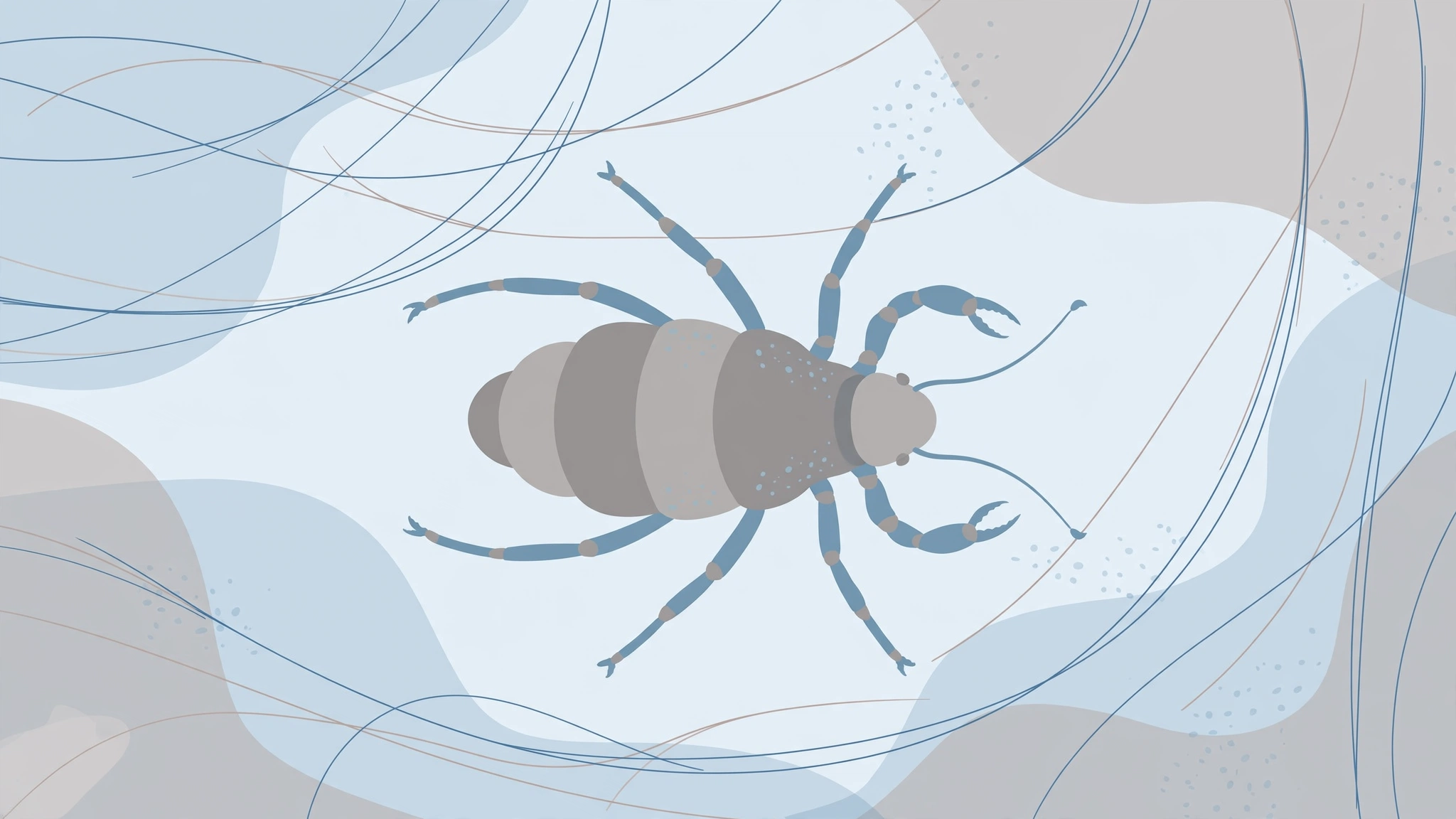
- Visible lice moving slowly at the roots of hairs, sometimes noticeable only with a magnifying glass
- Specks of blood or dark brown debris in underwear (louse droppings)
- Scratch marks and, if scratching is heavy, sores that can become secondarily infected
If you are unsure, a clinician can usually confirm the diagnosis in a single visit by examining the affected area — sometimes sending the insect to a lab when the picture is unclear. Because crabs travel with sexual contact, doctors also recommend screening for other sexually transmitted infections at the same visit. KidsHealth also publishes a detailed guide to pubic lice diagnosis and care.
Pubic Lice Treatment: Over-the-Counter Options That Work
First-line pubic lice treatment needs no prescription. The two OTC products doctors recommend are a lice-killing lotion containing 1% permethrin and a mousse containing pyrethrins plus piperonyl butoxide — both considered safe and effective when used exactly as the package directs. (See the CDC’s pubic lice treatment guidance for the full clinical protocol.)
Choosing your first pubic lice treatment comes down to availability: whichever of these two OTC products your pharmacy stocks will do the job when the instructions are followed to the letter.
| Treatment | How it works | Availability | What doctors want you to know |
| 1% permethrin lotion | Attacks the lice nervous system, killing adult lice and nymphs | Over-the-counter | The most widely recommended first-line option; a second application about a week later is standard |
| Pyrethrins + piperonyl butoxide mousse | Paralyzes lice on contact; piperonyl butoxide boosts the effect | Over-the-counter | Also effective, but less commonly stocked than permethrin in some regions |
| Topical ivermectin lotion | Paralyzes and kills lice, including nits in some formulations | Prescription | FDA-approved for pubic lice; doctors may reach for it when OTC products fail |
| Malathion lotion | Kills lice and some nits | Prescription | Used off-label for pubic lice; not a first-choice therapy |
Notice what is missing: lindane shampoo. Once common, lindane is no longer recommended and is unavailable in the United States and Canada because of serious side effects, including nervous-system toxicity. Do not buy it online, and never apply regular insecticides, furniture sprays, or flea treatments to your skin — these are not formulated for body use and can cause burns or poisoning.
Step-by-Step Pubic Lice Treatment at Home
Most treatment failures are not drug resistance — they are skipped steps: missed patches of hair, ignored retreatment timing, or untreated partners. Follow this sequence:
- Wash the infested area and towel dry. Hair should be clean and damp, not soaking wet.
- Apply the lice medication thoroughly to all infested hair and surrounding skin as the label directs. Do not miss the upper thighs, perianal area, and any other hairy region where lice were seen.
- Leave the product on for exactly the time the package recommends, then rinse it off carefully, following the removal instructions.
- After treatment, most nits will still be glued to the hair shafts. Remove them with your fingernails or a fine-toothed nit comb — this step matters because some eggs can survive a single round.
- Put on clean underwear and clothing. Everything you wore during treatment goes straight into the laundry protocol below.
- If you spot live lice again after the waiting period specified on the package (commonly 9 to 10 days), repeat the treatment.
Most people who complete this pubic lice treatment routine carefully clear the infestation with a single two-round course.
Prescription Pubic Lice Treatment: When OTC Is Not Enough
Over-the-counter pubic lice treatment cures the vast majority of cases. But some people need prescription-level pubic lice treatment — because a correct two-round OTC course still left live lice, because the infestation involves eyelashes or eyebrows (where OTC products must never be used), or because heavy scratching has created sores needing medical evaluation.
This is the point to see a doctor rather than improvising with stronger chemicals. A clinician can confirm whether you are dealing with surviving lice or simply the allergic itch that outlasts them, prescribe topical ivermectin lotion or another appropriate option, and treat any secondary bacterial skin infection. If your eyelashes are affected, doctors prescribe a special ophthalmic-grade petrolatum ointment for the lid margins — never substitute ordinary petroleum jelly or OTC lice products, which can damage the eyes.
Why Shaving Will Not Fix Pubic Lice
It is one of the most persistent myths in sexual health: shave everything off and the lice have nowhere to live. But shaving is not a pubic lice treatment, and doctors are explicit that it does not work. Here is the biology behind the guidance.
Nits are cemented to hair shafts just above the skin surface, and lice need only a minimal stub of hair to attach and lay eggs — so even a close shave leaves eggs behind, and those eggs hatch within about a week, restarting the cycle. Worse, shaving irritated skin invites razor burn, micro-cuts, and secondary bacterial infection, and it does nothing for lice in armpit, chest, or perianal hair. Trimming long hair can help you apply medication more easily, but trimming is a helper, not a cure: the medicine does the killing.
The Bedding, Clothing, and Home Protocol Nobody Finishes
Killing lice on your body is only half the job. The other half — the one people most often skip — is the household cleanup that prevents reinfestation. Think of this cleanup as the second half of your pubic lice treatment — skip it and reinfestation is likely. Timing matters:
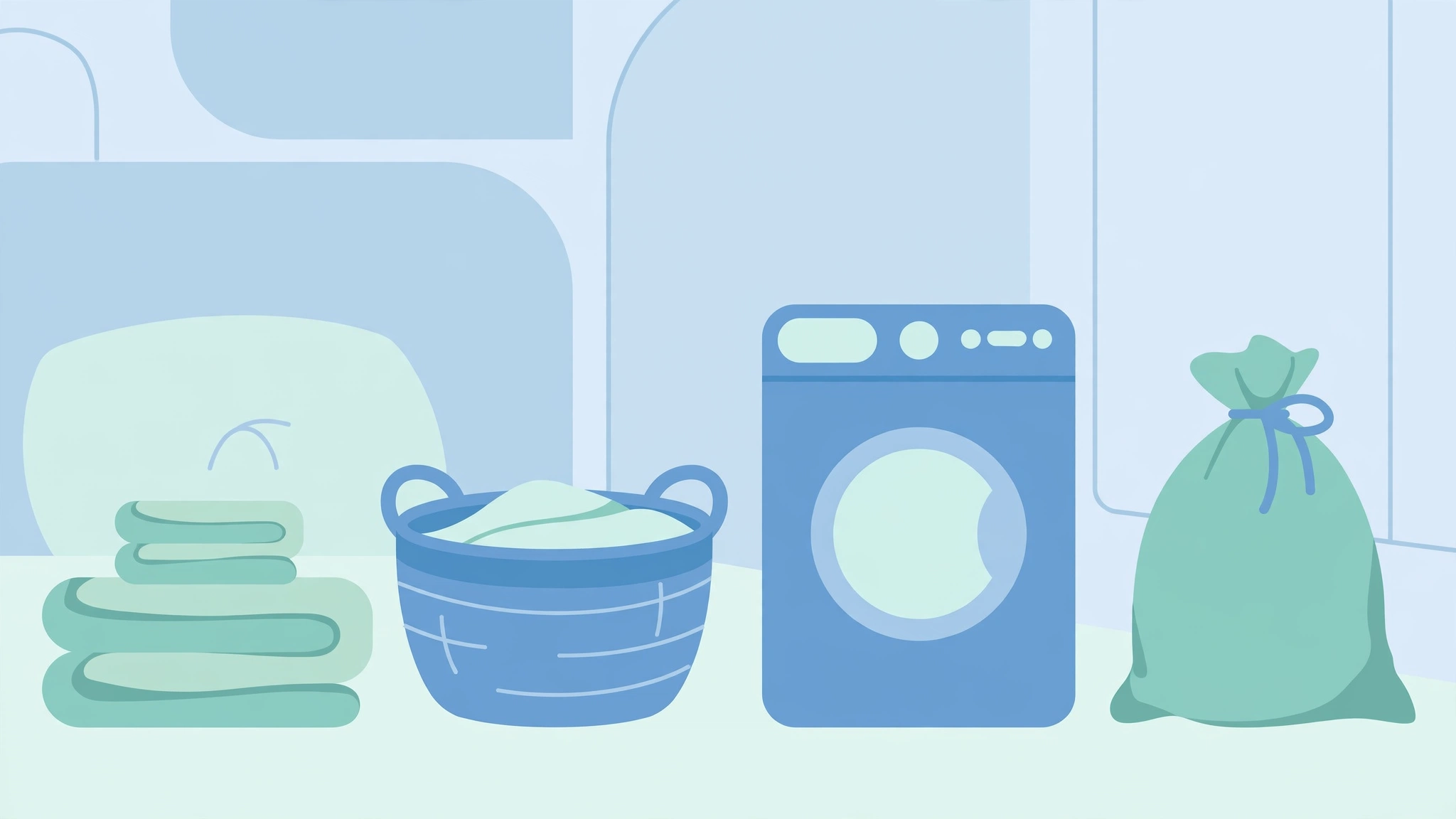
- Machine-wash and machine-dry everything the infested person used during the 2 to 3 days before treatment: clothing, underwear, towels, sheets, pillowcases. Use hot water (at least 130°F / 54°C) and the hot dryer cycle.
- Dry-clean anything not washable, or seal it in a plastic bag for two weeks. After two weeks without a host, any lice or nits are dead.
- Vacuum furniture, mattresses, rugs, and car seats where the person has rested. This removes stray lice from fabric surfaces.
- Do not share towels, sheets, or clothing with others until treatment is complete.
What you do not need: fumigation sprays, insecticide foggers, or “lice bedding sprays” for the house. Because pubic lice die off-host within a day or two, treating your home with pesticides adds chemical exposure with zero added benefit. Doctors advise against it, and no guideline recommends household insecticide use for pubic lice.
How to Tell Your Partner (and Why It Cannot Wait)
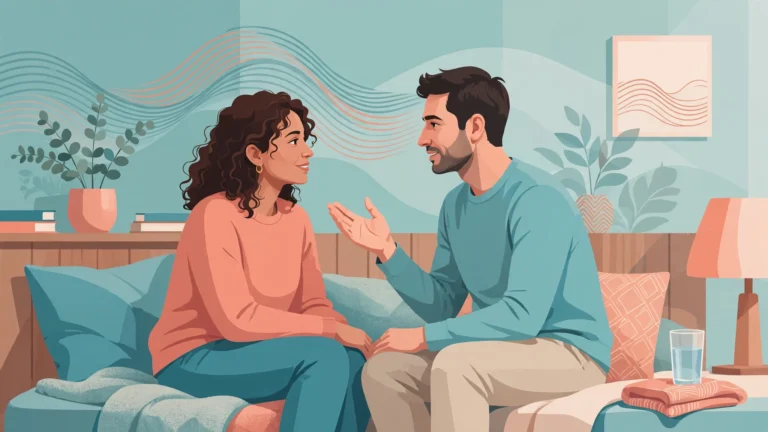
Doctors’ instructions are unanimous: tell all sexual partners from the past month, and anyone who has shared your bed, towels, or clothing recently, so they can check themselves and get treated. Lice ping-pong between untreated partners indefinitely; even a perfect home treatment fails if a partner quietly reinfests you a week later.
The conversation is awkward but short, and it lands better than people expect. Keep it factual: what it is, that it is a minor parasitic infestation rather than a disease, and that they need treatment too even if they have no symptoms. Avoid sexual contact until both partners have completed pubic lice treatment — condoms do not prevent pubic lice because the lice live outside the area condoms cover.
There is a second reason the partner talk matters: pubic lice are a flag, not a catastrophe. Crabs are more common among people who already have other sexually transmitted infections, so a diagnosis is an excellent prompt for a full STI check. Our guide to when and how often to get tested for STIs explains the window periods and which tests to ask for. Couples navigating another common parasitic STI may also find our article on molluscum contagiosum useful.
Itching After Pubic Lice Treatment: Normal or a Problem?
This is the question clinicians hear most: “The treatment is done and the lice are gone, so why am I still itching?” The answer is biology, not treatment failure. Residual itching after pubic lice treatment does not mean the protocol failed. The itch is an allergic reaction to louse saliva and waste, and that allergy fades on its own schedule — sometimes for two to three weeks after every louse is dead.
Do not keep reapplying the cream every time the itch flares: applying lice medication to already-irritated skin causes chemical irritation and contact dermatitis, and it kills nothing, because there is nothing left to kill. Treat once (or twice, on schedule), then soothe the residual itch with a cool compress while the skin calms down.
See a doctor instead if the itch comes with warning signs of something other than allergy: fever, pus-filled or crusty sores, a foul smell from the skin, skin that burns, stings, swells, or goes numb after using the medication, or live lice still visible after two properly completed rounds. Those situations need clinical evaluation, not a third box of cream.
Pubic Lice Myths vs Facts
| The claim | The verdict | Why |
| You get crabs from toilet seats | Myth | Lice cannot survive long off a human body and cannot grip smooth surfaces; transmission this way is essentially unheard of |
| Crabs mean you are dirty | Myth | Hygiene has no bearing on infestation; cleanliness does not attract or repel lice |
| Pets spread pubic lice | Myth | Pubic lice feed only on human blood and cannot live on animals |
| Condoms prevent pubic lice | Myth | Lice live on skin and hair outside the area condoms cover |
| Pubic lice are the same as head lice | Myth | They are a different species; head-lice products are not interchangeable for pubic use unless labeled for it |
| Pubic lice can mean other STIs are present | Fact | Infestation often co-occurs with other STIs, which is why full screening is recommended |
Pubic Lice Prevention
Because pubic lice spread through close contact, prevention means reducing exposure: fewer partners, and no shared clothing, towels, or bedding. There is no vaccine and no proven repellent. If a partner is being treated, both of you must finish treatment before resuming intimacy — the only reliable way to break the cycle. If you ever receive the dreaded notification call yourself, start pubic lice treatment promptly, follow the full protocol, and remember: it is one of the most treatable conditions in sexual health.
FAQs
How long does pubic lice treatment take to work?
Pubic lice treatment kills live lice within hours of correct application. However, the standard protocol includes a second round about a week to ten days later to catch any lice hatching from surviving nits. Plan on one to two weeks from start to confirmed clearance, and expect some residual itching for a while after.
Can I get rid of crabs by shaving?
No. Shaving cannot eliminate pubic lice because they need only a minimal stub of hair, and nits are cemented near the skin where even a close shave leaves them behind. Doctors advise against relying on shaving — use a lice-killing lotion instead, and treat trimming as an optional helper.
Do condoms prevent pubic lice?
No. Condoms are essential for preventing many STIs, but they do not cover the pubic hair and surrounding skin where lice live, so they cannot block transmission. Pubic lice spread through skin-to-skin contact with an infested partner’s hairy areas. Couples should avoid sexual contact until both partners have completed pubic lice treatment and the infestation is resolved.
Can you get crabs from a toilet seat?
It is essentially impossible. Pubic lice survive only 24 to 48 hours away from human blood and cannot grip smooth surfaces like porcelain. Transmission requires prolonged close contact — overwhelmingly sexual contact — or sharing recently used clothing, towels, or bedding. There is no need to worry about public restrooms as a source of infestation.
How long can pubic lice live in bedding?
Adult pubic lice die within 24 to 48 hours away from a human host, though nits can remain viable in fabric a bit longer. Clinicians recommend washing everything used in the 2 to 3 days before treatment in hot water and a hot dryer, or sealing non-washable items in a bag for two weeks. No household insecticide spraying is needed.
Does having pubic lice mean I have an STD?
Not necessarily. Pubic lice are a parasitic infestation, not a disease, and they do not transmit infections like HIV or chlamydia. But because they spread through sexual contact, people with pubic lice are more likely to have another STI — so doctors recommend full STI screening alongside treatment. Consider it a prompt to check, not a reason to panic.
Talk to your doctor if you are unsure about the diagnosis or if treatment has not worked after two proper rounds, and explore our related sexual health guides for more on testing and prevention.
Medical disclaimer: This article is for educational purposes only and is not medical advice. Pubic lice treatment products should be used exactly as directed on their labels, and individual circumstances vary. Consult a qualified healthcare professional — a doctor, nurse, or pharmacist — before starting any treatment, especially if you are pregnant, breastfeeding, or treating a child.