Anal Sex Safety: STI Risks and How Couples Reduce Them
More than one in three adults in the United States reports having had anal sex at least once, yet it remains one of the least openly discussed topics in sexual health. That silence has a cost: many couples have real questions about anal sex safety and the STI risks involved, but never get straight, judgment-free answers. This guide gives you exactly that — a practical, evidence-based look at what the medical research says, which infections spread most easily this way, and the concrete steps that dramatically lower the danger. Every couple exploring anal sex safety sti risks deserves clear, judgment-free answers they can trust.
The headline fact is simple: anal sex carries a higher risk of sexually transmitted infections than vaginal or oral sex, with HIV the leading concern. But risk is not destiny. When couples understand anal sex safety sti risks, those risks drop dramatically through consistent condom use, the right lubricant, vaccination, and regular testing. Below, you will find the numbers behind the risk, a step-by-step protection protocol, and exactly what to ask your doctor.
Why Anal Sex Carries a Higher STI Risk
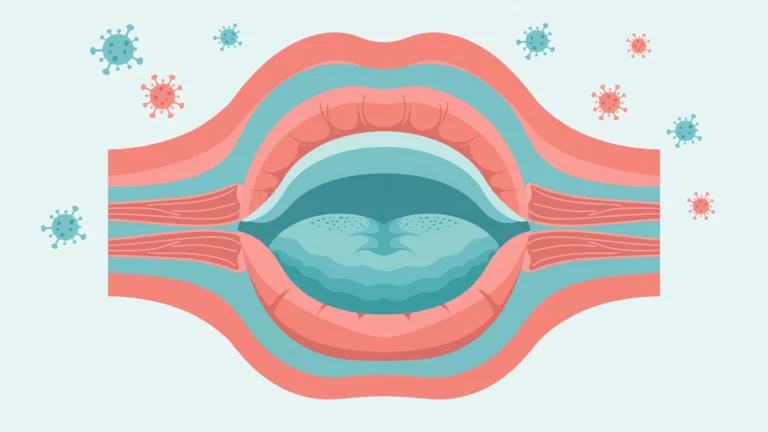
The rectum and anus differ from the vagina in three important ways, and each difference raises infection risk. First, the rectal lining is a single layer of delicate columnar cells — far thinner and more fragile than vaginal tissue. It tears easily during penetration, and even microscopic tears create entry points for viruses and bacteria.
Second, the anus does not produce its own lubrication. Friction without adequate lubricant causes tiny abrasions in the anal tissue, which is precisely how pathogens like HIV, herpes, and gonorrhea gain access to the bloodstream. Third, the rectum naturally contains bacteria from the digestive tract. When small tears occur, these bacteria can invade the tissue, sometimes causing painful anal abscesses that require medical treatment.
These biological facts explain why clinicians consistently identify unprotected receptive anal sex as the sexual behavior with the highest HIV transmission risk. It is not a moral judgment — it is anatomy.
Which STIs Can Spread Through Anal Sex?
Nearly every sexually transmitted infection that spreads through vaginal sex can also spread through anal sex. The most important ones to know about are:
| Infection | Why anal sex raises the risk | Key fact |
|---|---|---|
| HIV | Thin rectal lining tears easily, giving the virus direct access to blood | The highest-risk sexual act for HIV transmission overall |
| HPV (human papillomavirus) | Skin-to-skin contact transmits wart and cancer-causing types | The number-one cause of anal cancer |
| Gonorrhea | Bacteria infect the rectum easily; rectal infections often have no symptoms | Rectal gonorrhea can be missed by urine tests alone |
| Chlamydia | Same rectal vulnerability as gonorrhea | Often silent; discovered only through screening |
| Herpes (HSV) | Spreads through skin contact and micro-tears | Condoms reduce but do not eliminate transmission |
| Syphilis | Enters through breaks in skin or mucous membranes | Can cause serious damage if left untreated |
| Hepatitis A and B | Oral-anal contact (rimming) and blood exposure | Both are vaccine-preventable |
Oral contact with the anus carries its own additional risks, including intestinal parasites and hepatitis A, which is why clinicians recommend washing with soap and water beforehand and using a dental dam as a barrier. Major sexual-health organizations such as Planned Parenthood publish plain-language overviews of these risks for readers who want a second clinical source on anal sex safety sti risks.
Anal Sex Safety STI Risks in Numbers: What the Data Shows
Most online guides tell you anal sex is “higher risk” and stop there. Understanding the actual numbers helps you make informed decisions about anal sex safety sti risks, because the numbers are not equal for everyone involved or in every situation.
Public-health estimates put the per-act HIV transmission risk of receptive anal sex at roughly 138 infections per 10,000 exposures — about 1.4 percent per act with an HIV-positive partner not on treatment. For comparison, receptive vaginal sex carries an estimated risk of about 8 per 10,000 exposures. The insertive partner faces a lower risk than the receptive partner — roughly 13 times lower, according to widely cited clinical estimates — but the risk is still real and still higher than insertive vaginal sex.
These numbers shift dramatically with context. An HIV-positive partner with an undetectable viral load on effective treatment cannot sexually transmit HIV — a finding confirmed by large clinical trials and summarized as “undetectable equals untransmittable.” Consistent condom use cuts transmission risk by the large majority, and independent medical reporting on anal sex risk reduction reaches the same conclusion: lubricant choice, pacing, and stopping at pain all meaningfully lower the chance of injury and infection. And in a mutually monogamous relationship where both partners have tested negative, the STI risk from anal sex is essentially the same low baseline as any other sexual activity.
The takeaway on anal sex safety sti risks: risk concentrates where it is unknown. Couples who have not been recently tested, who have other partners, or who do not know their partner’s status carry nearly all of the statistical risk — which is precisely why testing and honest conversation matter as much as any physical precaution.
The Complete Condom and Lubricant Protocol
Condoms are the single most effective tool against anal sex safety sti risks, but only when used correctly from start to finish. A serious anal sex safety routine for couples follows these steps:
- Use a condom every time, for the entire act. Put the condom on before any genital-to-anal contact begins, not partway through. Latex or polyurethane external condoms both work; some couples prefer thicker or extra-lubricated varieties marketed for anal use.
- Apply generous lubricant — and reapply. The anus produces none of its own, so use plenty of water-based or silicone-based lubricant. Silicone-based products last longer without reapplication, which many couples prefer. Reapply whenever friction increases; dryness is the main cause of the micro-tears that raise infection risk.
- Never use oil-based products with latex condoms. Petroleum jelly, coconut oil, lotions, and massage oils weaken latex and cause breakage. If you prefer oil-based products, pair them only with polyurethane condoms, which are oil-compatible.
- Skip saliva as a lubricant. A 2024 study identified using saliva as a lubricant as a risk factor for gonorrhea transmission. A purpose-made commercial lubricant is the safer choice.
- Avoid spermicide-coated condoms. Spermicides containing nonoxynol-9 can irritate the rectal lining, which may increase rather than decrease infection risk. Plain lubricated condoms are the better option.
- Change condoms when switching sites. Never move from anal to vaginal contact (or to oral contact) with the same condom. Rectal bacteria introduced into the vagina can cause bacterial vaginosis and urinary tract infections. Use a fresh condom for each transition.
- Go slowly and communicate. Pain is a signal, not something to push through. Sharp or persistent pain can indicate a tear or fissure — stop, and seek medical advice if pain or bleeding continues.
For couples who also use sex toys, choose products designed for anal use — meaning they have a flared base or handle that prevents them from slipping inside the rectum — and use a fresh condom on the toy or clean it thoroughly between partners and between uses — another easy way to reduce anal sex safety sti risks.
Vaccines, Testing, PrEP and PEP: Layers Beyond Condoms
Condoms handle the act itself, but a complete anal sex safety STI risks strategy protects you before and after as well. These are the layers most guides underplay — and the ones doctors most want patients to know about.
Get vaccinated
Three vaccines directly reduce the STI burden associated with anal sex. The HPV vaccine protects against the virus types that cause most anal cancers and genital warts; it is routinely recommended through age 26 and available up to age 45 after a discussion with your doctor. Hepatitis A and B vaccines protect against liver infections transmissible through sexual contact, including oral-anal contact. If you missed these in adolescence, ask your doctor about catch-up vaccination — it is never too late to benefit.
Test the right sites, not just the standard ones
Here is a gap even careful couples miss: a standard urine test for gonorrhea and chlamydia does not detect rectal infections. Rectal gonorrhea and chlamydia are frequently symptom-free, which means they can persist undetected and be passed to partners. Modern nucleic acid (NAAT) tests can be run on a rectal swab, and clinicians recommend extragenital screening for anyone with anal exposure. When you get tested, tell the clinic about anal contact so they screen the rectal site too. For a full testing schedule, see our guide on when and how often to get tested for STIs.
Know about PrEP and PEP
PrEP (pre-exposure prophylaxis) is a preventive medication regimen that dramatically reduces the risk of acquiring HIV. Health authorities recommend discussing it with a doctor if you have a partner living with HIV, have multiple partners, or otherwise face ongoing exposure risk — this guidance applies to heterosexual couples as well as gay men. PEP (post-exposure prophylaxis) is an emergency option: started within 72 hours of a possible HIV exposure, it can prevent infection from taking hold. If a condom breaks or you have unprotected anal sex with a partner whose status you do not know, contact a clinic or emergency department immediately and mention PEP — every hour counts.
What to Discuss With Your Doctor
Bringing up anal sex with a clinician feels awkward for many people — but doctors hear these questions constantly, and a two-minute conversation can prevent serious problems. Good guidance on anal sex safety sti risks starts with honest medical conversations, which are a routine part of sexual-health visits. Consider asking:
- “My partner and I are considering anal sex. What should we do to reduce STI risk?”
- “Am I up to date on HPV and hepatitis A and B vaccines?”
- “Should I be screened for rectal gonorrhea and chlamydia, not just urine-tested?”
- “Would PrEP make sense for my situation?”
- “I have hemorrhoids (or anal fissures, or IBS). Is anal sex safe for me?”
- “What symptoms after anal sex should prompt me to come in?”
You do not need to share graphic detail — a simple, factual statement is enough for a clinician to give useful advice. If your doctor seems judgmental or dismissive, that is a sign to find a more sex-positive provider, not a sign to stop asking. Planned Parenthood clinics and sexual-health centers are experienced, non-judgmental options. Curious how similar questions apply to other practices? Our companion piece on oral sex safety and STI risks covers the same doctor-conversation approach.
Warning Signs That Need Medical Care
Most couples who follow the precautions above never experience problems. Still, know the red flags that mean “see a doctor promptly” rather than “wait and see”:
- Bleeding that does not stop quickly, or heavy bleeding — small spotting can happen, but ongoing bleeding needs evaluation.
- Severe or sharp pain during or after, especially pain that worsens over hours — this can signal a significant tear or fissure.
- Signs of infection: unusual discharge, sores, blisters, warts, burning during bowel movements, or fever after anal contact.
- Symptoms of an abscess: throbbing anal pain, swelling, or fever days after anal sex — this needs urgent care.
- A retained object: if a toy without a flared base slips inside and cannot be retrieved easily, go to urgent care or the emergency department. Clinicians handle this routinely and without judgment — do not delay out of embarrassment.
Unusual discharge, sores, or persistent irritation after anal sex can also be the first sign of an STI, and early treatment prevents complications. When in doubt, get checked: most STIs caught early are straightforward to treat.
FAQs
Can you get STIs from anal sex even if you use a condom?
Condoms greatly reduce the risk but do not eliminate it. They can slip or break, and infections that spread through skin-to-skin contact — such as HPV and herpes — can transmit from areas the condom does not cover. Combining condoms with lubricant, vaccination, and regular testing gives you the strongest protection against anal sex safety sti risks.
Which STI is the biggest concern with anal sex?
HIV is the leading concern because unprotected receptive anal sex is the highest-risk sexual act for HIV transmission. HPV is the next major one: it is the primary cause of anal cancer. Gonorrhea, chlamydia, herpes, syphilis, and hepatitis A and B can all spread through anal contact as well, which is why comprehensive screening matters.
Can anal sex cause pregnancy?
Anal sex itself cannot cause pregnancy, since sperm does not reach the uterus through the rectum. However, pregnancy is possible if semen leaks or is transferred onto or near the vaginal opening afterward. Using condoms and cleaning up after anal contact removes this small risk.
Should both partners get tested before trying anal sex?
Yes — this is one of the most effective anal sex safety steps couples can take. Both partners should have full STI screening, including HIV, and anyone with anal exposure should ask for rectal-site testing for gonorrhea and chlamydia, since urine tests miss these infections. Testing together also opens the conversation about anal sex safety sti risks honestly.
What kind of lubricant is safest for anal sex?
Water-based and silicone-based lubricants are the safest choices. Silicone-based options last longer and need less reapplication. Avoid oil-based products (petroleum jelly, coconut oil, lotions) with latex condoms, skip spermicide-coated condoms, and do not use saliva — research links it to higher gonorrhea risk. Reapply lubricant whenever friction increases.
Can you get HIV from anal sex if both partners test negative?
If both partners are truly HIV-negative, have no other partners, and test after the window period (when tests reliably detect infection), HIV transmission between them is not possible — the virus has to come from somewhere. The danger lies in unknown or outdated status, which is why repeat testing and honest disclosure are the foundation of anal sex safety.
Taking anal sex safety sti risks seriously is not about fear — it is about giving yourselves the freedom to make informed choices. Condoms, the right lubricant, vaccines, and regular testing turn one of the highest-risk sexual activities into a well-managed one. If anything in this guide raised a question about your own situation, talk to your doctor or explore our related sexual-health guides for couples.
Medical Disclaimer
This article is for educational purposes only and is not medical advice. It does not replace professional diagnosis or treatment. Sexual health decisions should be made with a qualified healthcare professional who knows your personal medical history. If you have symptoms, a possible exposure, or any health concern, consult your doctor or a sexual-health clinic promptly.