Questions to Ask Your OBGYN About Sexual Health
Most women walk into their annual exam with at least one sexual health question they never ask. Having your questions to ask obgyn ready in advance changes that. Surveys consistently show that patients find these conversations difficult to start — yet a single direct question often unlocks real answers, and clinicians genuinely want to help. That is why preparing the right questions to ask obgyn before your visit is one of the smartest things you can do for your reproductive and sexual well-being. This guide covers what to ask by topic and life stage, how to bring up sensitive subjects, and what to do if you feel brushed off.
Why Your OBGYN Is the Best Person to Ask About Sexual Health
Obstetrician-gynecologists train for years in reproductive anatomy, hormones, contraception, pelvic medicine, and menopause care. Few other clinicians see this combination of conditions as often: painful intercourse, low desire, vaginal dryness, contraceptive side effects, STI management, and the sexual changes that come with pregnancy and menopause. Your OBGYN has answered these questions thousands of times — nothing you describe will be unusual to them.
Sexual health also connects directly to the rest of your health. The CDC estimates that one in five people in the U.S. has a sexually transmitted infection on any given day, with nearly 26 million new infections in a single year — and nearly half of new infections occurring in people ages 15 to 24. Because many STIs cause no symptoms, the only way to know your status is to ask about testing. Similarly, persistent pain, bleeding after intercourse, or a sudden drop in desire can be early signals of conditions such as endometriosis, pelvic floor dysfunction, or thyroid disorders. These are exactly the obgyn sexual health questions clinicians wish more patients would bring up at every visit.
If you and your partner share sexual health goals — contraception, fertility, or intimacy concerns — bring your questions to ask obgyn together so everyone hears the same guidance.
How to Prepare: A 5-Step Pre-Visit Checklist
Good questions to ask obgyn get better answers with context. Take ten minutes before your appointment to prepare:
- Write your questions to ask obgyn down. A list on paper or your phone keeps you from going blank in the exam room. Rank your top three so the most important ones get covered even if time runs short.
- Keep a short symptom diary for 2–4 weeks. Note when pain, dryness, spotting, discharge changes, or desire changes occur — and the context (cycle day, stress, new medication, new product). Patterns help a clinician far more than vague impressions.
- Bring a complete medication and supplement list. Antidepressants, blood pressure drugs, antihistamines, hormonal contraception, and some over-the-counter products can affect libido, arousal, lubrication, and orgasm.
- Decide what privacy looks like for you. Speaking to your OBGYN alone for part of the visit is a standard, routine request — no explanation needed. You can also message through the patient portal before or after the visit if writing feels easier.
- Name your goal. Avoiding pregnancy? Trying to conceive? Managing pain? Understanding what is normal? Naming the goal helps your OBGYN tailor every answer.
21 Essential Questions to Ask OBGYN, by Topic
The questions to ask obgyn below are organized by topic so you can pick the ones that fit your life stage and concerns:
Contraception, Fertility, and Family Planning
- Is my current birth control still the best fit for me? Your body, relationships, and health goals change over time. A method that was ideal at 22 may not be the right choice at 35, especially if your blood pressure, migraines, weight, or preferences have changed.
- What are all my options, including ones I have not tried? Ask your OBGYN to walk through the full menu — pills, patches, rings, injections, implants, hormonal and copper IUDs, and barrier methods — with effectiveness rates and maintenance needs.
- How could my birth control be affecting my sex drive, mood, or bleeding? Hormonal methods can influence libido, vaginal lubrication, and mood in some people. If you suspect a link, describe the timeline: when the method started and when the change appeared.
- If I want to become pregnant, how long should I wait after stopping my method? Some methods allow an immediate return to fertility while others take a few cycles. Your OBGYN can also review preconception basics — folic acid, immunizations, and any medications to reassess.
- What should I do if I miss a dose, the condom breaks, or my period is late? Knowing the plan in advance removes panic later. Ask about backup contraception, emergency contraception options, and when to take a pregnancy test.
STI Screening and Prevention
- How often should I be tested for STIs, and which tests do you recommend for me? This is one of the most practical questions to ask obgyn. Testing guidance depends on your age, number of partners, and history — and many infections cause no symptoms, so schedule-based testing matters.
- How do I start an honest conversation with my partner about STI testing? Doctors report that patients ask for help with this regularly. Your OBGYN can suggest clear, non-accusatory language and confirm that mutual testing is a normal part of a new relationship.
- Am I up to date on the HPV vaccine? The HPV vaccine is routinely recommended through age 26, and catch-up vaccination may be appropriate through age 45 for some adults. Ask whether you still benefit — HPV vaccination protects against strains linked to cervical and other cancers.
- What symptoms should prompt me to call between visits? Unusual discharge, sores, burning, pelvic pain, or bleeding between periods can signal infection. Ask which symptoms warrant a prompt call versus a routine appointment.
Pain, Comfort, and Pelvic Floor Health
- Is pain during sex something that can be treated? Painful intercourse is common and rarely something you must simply accept. Causes range from hormonal shifts and vaginal dryness to pelvic floor muscle tension and endometriosis — and each has different treatment paths.
- Could pelvic floor physical therapy help me? Few patients know this specialty exists, and doctors say it is one of the most underused referrals in women’s health. A pelvic floor physical therapist evaluates muscle tension, coordination, and strength — and treatment often resolves pain that medication alone cannot.
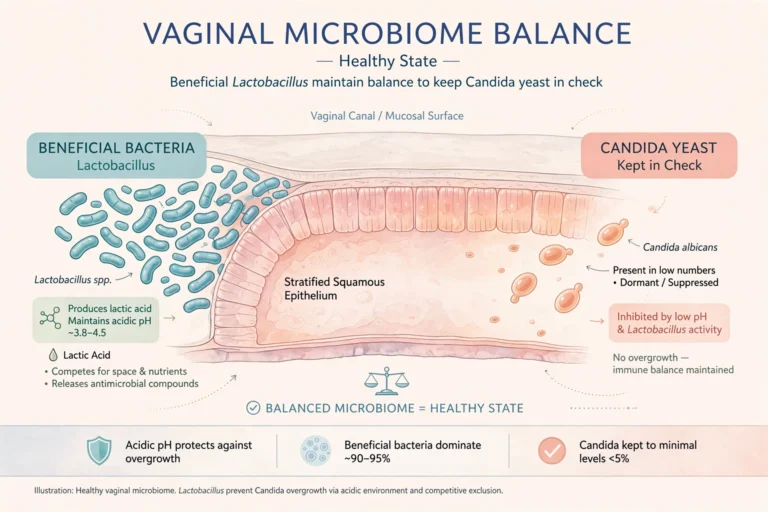
- Is my discharge, odor, or itching normal? Your OBGYN can explain what typical discharge looks like across the cycle, which hygiene products disrupt the vaginal microbiome (douching and fragranced products are usually discouraged), and what signs suggest bacterial vaginosis or a yeast infection.
- When should I worry about pelvic pain or cramps? Severe cramps that disrupt your work, sleep, or relationships deserve evaluation — ask what red flags your doctor listens for, such as pain that worsens over time, pain with bowel movements, or pain between periods.
Libido, Arousal, and Hormones
- My sex drive has changed — what could be causing it? Desire naturally rises and falls with stress, sleep, relationship dynamics, and life stage. But persistent low libido can also relate to hormonal shifts, depression, or medications — your OBGYN can help sort through the possibilities.
- Could any of my medications be affecting my sexual function? This question deserves its own moment. Certain antidepressants, hormonal contraceptives, blood pressure medications, and antihistamines are known to affect desire, arousal, lubrication, or orgasm. Never stop a prescribed medication on your own — ask whether alternatives or timing adjustments exist.
- What treatments exist for vaginal dryness or difficulty with arousal? Options range from water- or silicone-based lubricants and vaginal moisturizers to prescription therapies. The right recommendation depends on the cause, which is exactly what your visit can determine.
- How often should I have cervical cancer screening? Guidance has changed over the years, which confuses many patients. The American College of Obstetricians and Gynecologists (ACOG) advises starting screening at age 21; women 21–29 generally need a Pap test every three years, while women 30–65 may use a Pap test every three years, an HPV test every five years, or both tests together every five years (ACOG’s statement on cervical cancer screening recommendations). Confirm which schedule fits you.
Pregnancy, Postpartum, and Perimenopause
- When is it safe to resume sex after pregnancy? Doctors often recommend waiting until postpartum bleeding stops and any tears or incisions have healed — commonly around six weeks — but the right timing depends on your individual recovery. Ask what signs indicate healing is complete.
- Why does sex feel different while breastfeeding? Lower estrogen during breastfeeding commonly causes dryness and lower desire. These changes are usually temporary, and your OBGYN can suggest comfortable ways to manage them.
- Could my symptoms be perimenopause? Irregular periods, hot flashes, sleep disruption, mood changes, and new vaginal dryness can begin years before menopause. Ask what tests or tracking would clarify where you are in the transition.
- What are the risks and benefits of hormone therapy for me? Menopause hormone therapy is not one-size-fits-all. Your OBGYN can weigh your symptoms, personal and family history, and preferences to help you decide.
Questions Almost No One Thinks to Ask
The question lists above cover what most patients bring up. These next questions to ask obgyn separate a good visit from a great one — they are the questions doctors say patients rarely ask, even though the answers matter:
- “Should I see a sexual medicine specialist?” For complex or persistent issues — ongoing pain, severe desire loss, or problems that have not responded to initial treatment — a referral can open up options your general OBGYN may not provide directly.
- “How do my chronic conditions affect my sexual health?” Diabetes, thyroid disorders, hypertension, depression, and anxiety all intersect with sexual function. If you manage a chronic condition, ask how it — and its treatment — relates to your symptoms.
- “Is there anything in my history I should tell you that feels hard to say?” A history of sexual trauma or anxiety about exams can affect both your comfort and your care. You do not need to share details to ask for accommodations — slower pacing, step-by-step explanations, or the option to pause are all reasonable requests.
- “How will we follow up?” Ask how test results will reach you, how to message with new questions to ask obgyn through the patient portal, and when you should come back. Clear follow-up plans are one of the strongest predictors of whether treatment actually works.
Your Rights in the Exam Room: Confidentiality, Chaperones, and Self-Advocacy
Knowing how the visit works eases much of the anxiety:
- Confidentiality is the default. What you discuss is protected by patient privacy rules. If you are a teen or young adult, ask directly what is shared with parents and what is not — doctors explain these boundaries routinely.
- You can ask for a chaperone. Having a nurse or medical assistant present during the pelvic exam is standard in many clinics, and you can request one at any time.
- You can ask for a different clinician. If you would be more comfortable with a female doctor or a nurse practitioner, that is a legitimate request.
- You can speak up if you feel dismissed. If an answer feels rushed, try: “I am still concerned about this — can we explore it further?” Bringing a list of questions to ask obgyn in writing signals these topics matter to you and helps set the tone.

FAQs
How often should I be tested for STIs?
It depends on your age, number of partners, and history. Many clinicians recommend at least annual screening for sexually active adults under 25 and for anyone with new or multiple partners. Because many STIs cause no symptoms, ask your OBGYN for a testing schedule that fits your situation rather than waiting for signs of infection.
Is pain during sex normal, or should I see a doctor?
Occasional mild discomfort can happen, but recurring or significant pain is not something you must accept. It can stem from dryness, pelvic floor tension, infections, endometriosis, or hormonal changes. Mention it at your visit — your OBGYN can evaluate the cause and discuss treatments, which may include pelvic floor physical therapy.
What questions to ask obgyn about birth control options?
Ask about effectiveness, proper use, what to do if you miss a dose, side effects (including effects on libido and mood), and how fast fertility returns after stopping. Also ask which options fit your medical history — factors like migraines, blood pressure, and smoking history influence the safest choices.
How do I bring up questions to ask obgyn if I feel embarrassed?
Start with the easiest question on your list — momentum helps. You can say, “This is hard for me to bring up,” and let the doctor guide the conversation. Clinicians welcome questions to ask obgyn every day. Writing questions down, messaging through the patient portal beforehand, or requesting a private moment at the start of the visit all make it easier.
Can my OBGYN help with low libido?
Yes — this is one of the most common concerns OBGYNs address. Low desire can relate to stress, sleep, relationship factors, hormonal shifts, or medications such as certain antidepressants. Your doctor can review your history, check for medical contributors, and discuss options from lifestyle adjustments to treatment referrals. For more background, see our guide on the common causes of low libido worth ruling out first.
What questions to ask obgyn about menopause and sexual health?
Ask whether your symptoms match perimenopause, what to expect in the coming years, how to manage vaginal dryness and changes in desire, and whether hormone therapy is appropriate for you. Also ask about bone density, heart health, and sleep — all of which connect to the menopause transition and your long-term well-being.
Bringing your obgyn sexual health questions to your next appointment is one of the simplest ways to take charge of your reproductive health. Write your list, bring your symptom notes, and remember that your OBGYN has heard it all before. If this guide helped, share it with a friend or partner, and explore our other women’s health guides on topics like libido, hormones, and intimacy.
Medical disclaimer: This article is for educational purposes only and is not medical advice. It does not replace the guidance of a qualified healthcare professional. If you have symptoms or concerns about your sexual or reproductive health, please consult your OBGYN or another licensed clinician for personalized evaluation and treatment.