Can Stress Cause Erectile Dysfunction? Doctors Explain
Yes — doctors confirm that stress and erectile dysfunction are closely linked, and stress is often the primary cause rather than a side effect. Under sustained worry or pressure, the brain redirects blood flow, raises the hormone cortisol, and disrupts the chain of nerve and vascular events an erection requires. This guide explains how the connection works, what the newest research shows, how physicians separate stress-related ED from physical causes, and what treatments doctors actually recommend. Understanding stress and erectile dysfunction as a linked medical condition is the first step toward effective treatment.
What Doctors Say: Can Stress Really Cause ED?
Urologists and sexual-medicine specialists treat psychological causes of erectile dysfunction as a first-line diagnosis, not a guess of last resort. Medical sources including Mayo Clinic list stress, anxiety, depression, and relationship problems among the recognized causes of ED. The clinical view is that an erection is not a purely mechanical event — it begins as a neurological one. Arousal starts in the brain, which must send the right signals down the spinal cord to the nerves and blood vessels of the penis. Stress interferes at every step of that chain.
Doctors distinguish acute stress — a bad week at work, an argument, financial worry — which can cause temporary difficulty in a healthy man, from chronic stress, which keeps the body’s alarm system on for months, suppressing testosterone, degrading sleep, and damaging blood-vessel linings. Psychological factors, with stress at the center, account for roughly 10 to 20 percent of all ED cases — and a much larger share in men under 40. For this reason, most urologists now screen for stress and erectile dysfunction together during the very first consultation.
How Stress Disrupts the Erection Process
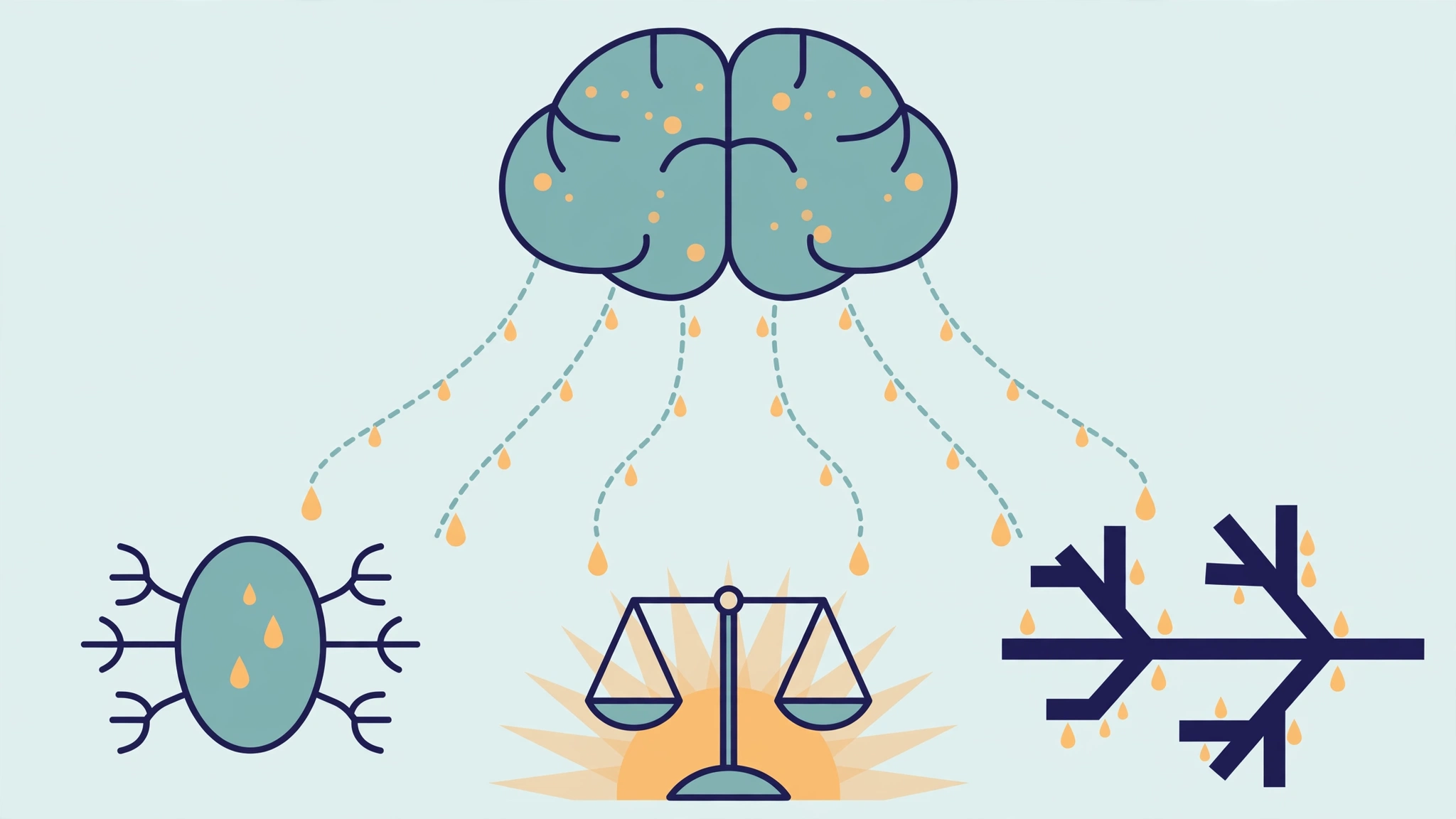
To understand why stress and erectile dysfunction go together so often, doctors point to three overlapping mechanisms. Physicians who treat stress and erectile dysfunction describe these mechanisms in plain language so patients can see exactly where stress interrupts arousal.
1. The fight-or-flight switch
Stress activates the sympathetic nervous system — the body’s fight-or-flight branch. Adrenaline floods the system, blood vessels constrict, and blood is routed toward large muscle groups. An erection, by contrast, requires the parasympathetic system (rest and arousal) to dominate: the smooth muscle of the penile arteries must relax so blood can fill the erectile tissue. A body braced for conflict is chemically set against arousal — which is why a man under acute stress can feel willing yet find his body won’t respond.
2. Cortisol and testosterone
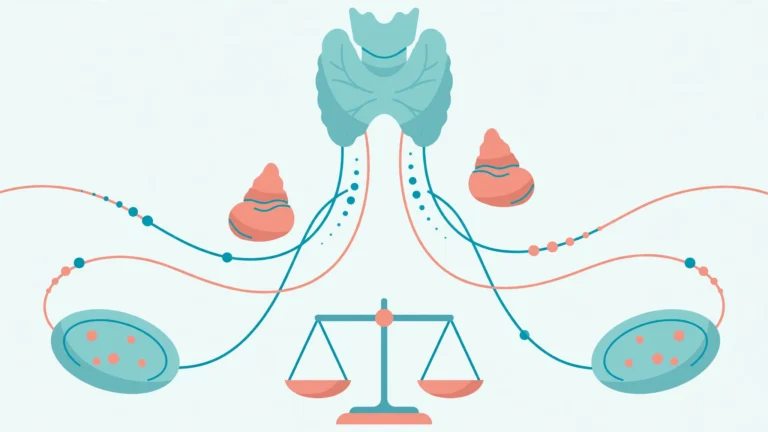
Chronic stress keeps cortisol elevated. Cortisol and testosterone have a seesaw relationship: when one stays high, the other tends to fall. Doctors describe this through the hypothalamic-pituitary-gonadal axis, the hormonal chain that governs testosterone production. Sustained stress downregulates that axis, dampening libido and blunting the brain’s sensitivity to erotic stimuli. Stress also steals sleep — and testosterone is primarily produced during deep sleep — so a stressed man sleeping poorly takes a double hit on his hormones.
3. Blood-vessel signaling
Erections depend on nitric oxide, a signaling molecule that tells penile smooth muscle to relax and dilate. Cortisol counteracts that signal, tightening vessels instead of opening them, and chronic stress damages the delicate inner lining of blood vessels — with the small penile arteries often first to show it. That is why doctors treat stress-related ED as a possible early warning sign of broader cardiovascular risk, a point Cleveland Clinic emphasizes.
New Research on Stress and Erectile Dysfunction
The strongest recent evidence comes from a 2026 study in the International Journal of Clinical Practice. Researchers followed 826 full-time working men aged 22 to 40, scoring five dimensions of workplace stress — hours, autonomy, supervisor support, colleague relationships, promotion pressure — alongside erectile function and blood levels of cortisol and testosterone.
The findings on stress and erectile dysfunction were striking. Men in the high-stress group had an ED prevalence of 54.37 percent — ten times the odds of the low-stress group — with a clear dose-response: more accumulated stress meant worse erectile function. The study also mapped a timeline: cortisol rose 2 to 4 weeks before testosterone fell, which preceded erectile impairment by another 4 to 6 weeks — suggesting a 6-to-10-week window in which stress intervention might prevent ED entirely. It was also the first large study to measure stress and erectile dysfunction alongside daily cortisol and testosterone levels in the same participants.
Two details matter for couples and clinicians. Long hours impaired erections mainly through raised cortisol, while supportive supervision protected testosterone — the quality of the work environment counts, not just the hours. And the study focused on young men, reinforcing what urologists see in clinics: stress-driven ED is rising in men in their twenties and thirties.
The Kinds of Stress That Most Often Trigger ED
Doctors hear the same handful of stress stories again and again. Each type of pressure reaches the erection process through a slightly different route.
| Type of stress | How it interferes | Typical pattern |
|---|---|---|
| Work pressure | Chronically raised cortisol suppresses testosterone; long hours wreck sleep | Gradual, worsening over months |
| Performance anxiety | Fear of failure triggers adrenaline, constricting vessels at the worst moment | Sudden, tied to specific situations |
| Relationship conflict | Emotional distance lowers desire; arguments raise inflammation and disrupt sleep | Comes and goes with the relationship climate |
| Financial worry | Rumination keeps the stress response switched on; anxiety distracts from arousal | Persistent while the worry lasts |
| Trauma or PTSD | Hypervigilance and emotional numbing block the relaxation arousal needs | Often sudden; can persist long-term |
Stress rarely travels alone — it pushes men toward heavier drinking, smoking, comfort eating, and skipped exercise. These secondary habits can keep ED going even after the original pressure eases, which is why a full evaluation looks at the whole lifestyle, not just the mood.
Stress vs. Physical Causes: How Doctors Tell the Difference
Patients often ask how a doctor separates stress-driven ED from a physical problem. Physicians use pattern recognition, and two clues carry the most weight.
The morning-erection test
Nocturnal and morning erections happen during sleep, without psychological involvement. If they remain present and firm, the vessels and nerves are working — stress or anxiety is the more likely culprit. If they have gradually faded, doctors investigate for a physical cause. This simple observation is usually the first question a doctor asks.
Situational vs. consistent
Stress-related ED tends to be situational: it happens with a partner but not during solo arousal, or it varies with mood and context. Physical ED is more consistent — it occurs regardless of the situation and usually builds gradually. Sudden onset after a stressful life event points toward stress; slow decline over years points toward vascular or hormonal causes.
What to expect at the doctor’s visit
Knowing what happens in the exam room removes a major barrier to seeking help. A typical first appointment for ED involves:
- Questions: onset and pattern of symptoms, morning erections, stress level, sleep, alcohol and tobacco use, medications, and medical history. Many clinics use the IIEF-5 questionnaire, a short validated scoring tool.
- Physical exam: blood pressure, heart exam, and a basic genital exam to check blood flow and nerve function.
- Blood tests: often including testosterone, blood sugar, cholesterol, and thyroid function to rule out physical contributors.
- A plan: if stress looks like the main driver, doctors typically recommend stress treatment first — therapy, sleep repair, exercise — and reserve medication or further testing for cases that do not improve.
No single visit can deliver a definitive personal diagnosis on the spot, and honest doctors say so. But this structured workup is how stress-related ED gets identified reliably rather than guessed at.
The Performance-Anxiety Cycle
One pattern matters most to recognize early. A man has a single ED episode — fatigue, alcohol, a stressful week — and then approaches the next encounter already dreading a repeat. That anticipatory anxiety reactivates the same fight-or-flight system that caused the first failure. The original cause may be fully resolved, yet the expectation of failure keeps the cycle alive for months — which is why physicians urge addressing stress quickly rather than waiting it out.
How to Talk to Your Partner About Stress-Related ED
Silence is the most damaging response when stress and erectile dysfunction enter a relationship. Partners often misread withdrawal as lost attraction, adding relationship stress on top of the original problem. Therapists and physicians recommend a straightforward conversation, ideally outside the bedroom at a calm moment:
- Name it as a health issue, not a verdict on the relationship. “This is something my body is doing under stress, and I’m getting help” lands very differently from avoidance.
- Separate performance from intimacy. Agree that closeness, touch, and affection continue while the problem is being addressed — removing the pressure to “perform” often helps the anxiety cycle loosen.
- Invite partnership, not blame. Asking a partner to join a stress-reduction plan — walks together, better sleep routines, a joint doctor visit — turns a private shame into a shared project.
- Give it a timeline. Saying “I’ve booked a doctor’s appointment” or “I’m starting therapy next week” reassures a partner that this is being handled, not ignored.
Couples who navigate ED as a team consistently report better outcomes in clinical studies than men who hide it. For more on how low desire and stress interact in relationships, see our guide on the common causes of low libido worth ruling out first, which covers overlapping ground many couples find useful.
What Doctors Recommend for Recovery
When it comes to treating stress and erectile dysfunction together, physicians usually start with the least invasive, most durable options. Prescription ED medications can help short-term, but doctors emphasize they treat the symptom, not the stress behind it — and only a doctor can decide whether they are appropriate for an individual. Clinics that specialize in stress and erectile dysfunction usually begin with CBT, exercise, and sleep repair before considering medication.
- Cognitive-behavioral therapy (CBT): targets the negative thought patterns and anticipatory anxiety that sustain ED. Studies show meaningful improvements in erectile function scores, and the benefits tend to persist after treatment ends.
- Aerobic exercise: 150 minutes or more per week lowers cortisol, improves endothelial function, and boosts nitric oxide availability — directly repairing one of the pathways stress damages.
- Sleep repair: consistent 7 to 9 hours of sleep restores the deep-sleep window in which testosterone is produced. Doctors often call sleep the fastest lever: improvements can show within 2 to 4 weeks.
- Mindfulness and relaxation practice: meditation and breathing techniques train attention away from performance-monitoring during intimacy, which physicians identify as a core driver of anxiety-based ED.
- Couples therapy or sex therapy: especially useful when relationship tension is part of the stress picture, focusing on communication and rebuilding a low-pressure intimate life.
A realistic recovery timeline
Doctors set expectations in ranges, not promises. If the stressor resolves and no performance anxiety has taken root, stress-related ED often fades within days to a few weeks. When anxiety patterns have formed, therapy typically needs 6 to 12 weeks to show clear benefit. For chronic stress — ongoing financial pressure, a difficult work situation — recovery tracks the underlying problem: ED persists while the stressor persists, which is why physicians urge addressing the root cause alongside the symptoms rather than after them.
Red Flags: When ED Is Probably Not Just Stress
Stress and erectile dysfunction overlap with serious medical conditions, and doctors want patients to know the warning signs that call for prompt — not eventual — medical attention:
- ED that is completely consistent, with no morning erections and no situational variation
- ED accompanied by chest pain, shortness of breath, or leg pain when walking
- Sudden loss of erectile function along with numbness, weakness, or bladder changes
- ED that began shortly after starting a new prescription medication
- Blood in urine or semen, pelvic pain, or a noticeable curve or lump in the penis
ED can be the first visible symptom of heart disease, diabetes, or neurological problems. That is the single most important reason doctors say never to assume stress is the whole story without an evaluation. Anyone unsure whether their case is truly stress and erectile dysfunction — or something more physical — should raise the question directly at the appointment.
FAQs
Can stress cause erectile dysfunction suddenly?
Yes. A single high-pressure episode — an argument, a work crisis, acute anxiety — can trigger sudden ED in a healthy man by flooding the body with adrenaline and constricting blood vessels. This kind of stress-related ED is usually temporary and resolves once the acute pressure passes, provided it does not seed performance anxiety.
How long does stress-related erectile dysfunction last?
The timeline of stress and erectile dysfunction depends on the pattern. Acute cases often clear within days to weeks after the stressor lifts. If performance anxiety has taken root, it can persist for months without treatment. Chronic stress keeps ED going while the underlying pressure continues — which is why doctors recommend addressing the stress itself rather than waiting.
Can stress cause ED in your 20s?
Yes, and rates are rising. A 2026 study of 826 working men aged 22 to 40 found a dose-dependent link between workplace stress and erectile dysfunction, with over half of the high-stress group affected. In young men, doctors consider stress one of the most common causes of ED — far more likely than vascular disease at that age.
Does exercise help stress-related ED?
Yes. Doctors consider aerobic exercise one of the most effective tools: it lowers cortisol, improves blood-vessel function, boosts nitric oxide availability, and improves sleep and mood. A common recommendation is at least 150 minutes of moderate aerobic activity per week. Benefits for erectile function typically build over 6 to 16 weeks.
Should I take ED medication for stress-related ED?
Only a doctor can decide that. Prescription ED medications improve blood flow and can help in the short term, but they do not resolve the underlying stress — and doctors caution that relying on them without addressing anxiety can reinforce performance pressure. Many physicians recommend therapy, sleep repair, and exercise as the first line for clearly stress-driven cases.
How do I know if my ED is from stress or a physical problem?
Doctors look for patterns: stress-related ED is usually sudden and situational, with morning erections still present. Physical ED tends to be gradual and consistent across all situations, with fading morning erections. These are only clues, not a diagnosis — a medical evaluation with blood tests is the only reliable way to tell.
The Bottom Line
The link between stress and erectile dysfunction is one of medicine’s best-documented mind-body connections: stress hormones, disrupted sleep, lowered testosterone, and anxious thought patterns can each block the erection process alone — together, they are formidable. The encouraging news doctors share with patients is that stress-related ED is among the most treatable forms — therapy, exercise, sleep, and honest communication resolve it for many men. Because stress and erectile dysfunction reinforce each other, breaking the cycle early leads to the best outcomes. If you recognize yourself in this article, book an appointment with your doctor or a urologist rather than guessing. And if low desire is part of the picture too, our guide on low libido and the causes worth ruling out first is a useful next read.
This article is for educational purposes only and is not medical advice. Erectile dysfunction can have many causes, including serious medical conditions, and only a qualified healthcare professional can evaluate your individual situation. If you are experiencing erectile dysfunction, please consult your doctor or a licensed clinician before starting any treatment.