HPV Vaccine: Who Needs It and Why It Matters
Human papillomavirus (HPV) is the most common sexually transmitted infection in the world, yet it remains one of the least understood. Most sexually active people will encounter it at some point, often without ever knowing.
The reassuring news is that a safe, highly effective vaccine exists — and it prevents the majority of the cancers HPV can cause. This guide answers the question of hpv vaccine who needs it with evidence-based, practical information for individuals, couples, and the clinicians who care for them.
What Is HPV and Why Should Couples Care?
HPV is a group of more than 200 related viruses, of which about 40 can infect the genital area, mouth, and throat. It spreads through close skin-to-skin contact, most often during vaginal, anal, or oral sex. The majority of HPV infections cause no symptoms and clear on their own — but some “high-risk” types persist and can cause cell changes that, over years, may develop into cancer. Low-risk types can cause genital warts.
Doctors consider HPV a couple’s health issue, not just an individual one: transmission happens between partners, often silently, so protecting both partners matters more than protecting one. This shared dimension is central to how clinicians think about the hpv vaccine who needs it conversation today: it is a joint preventive decision, much like discussing contraception or STI screening together.
How the HPV Vaccine Works
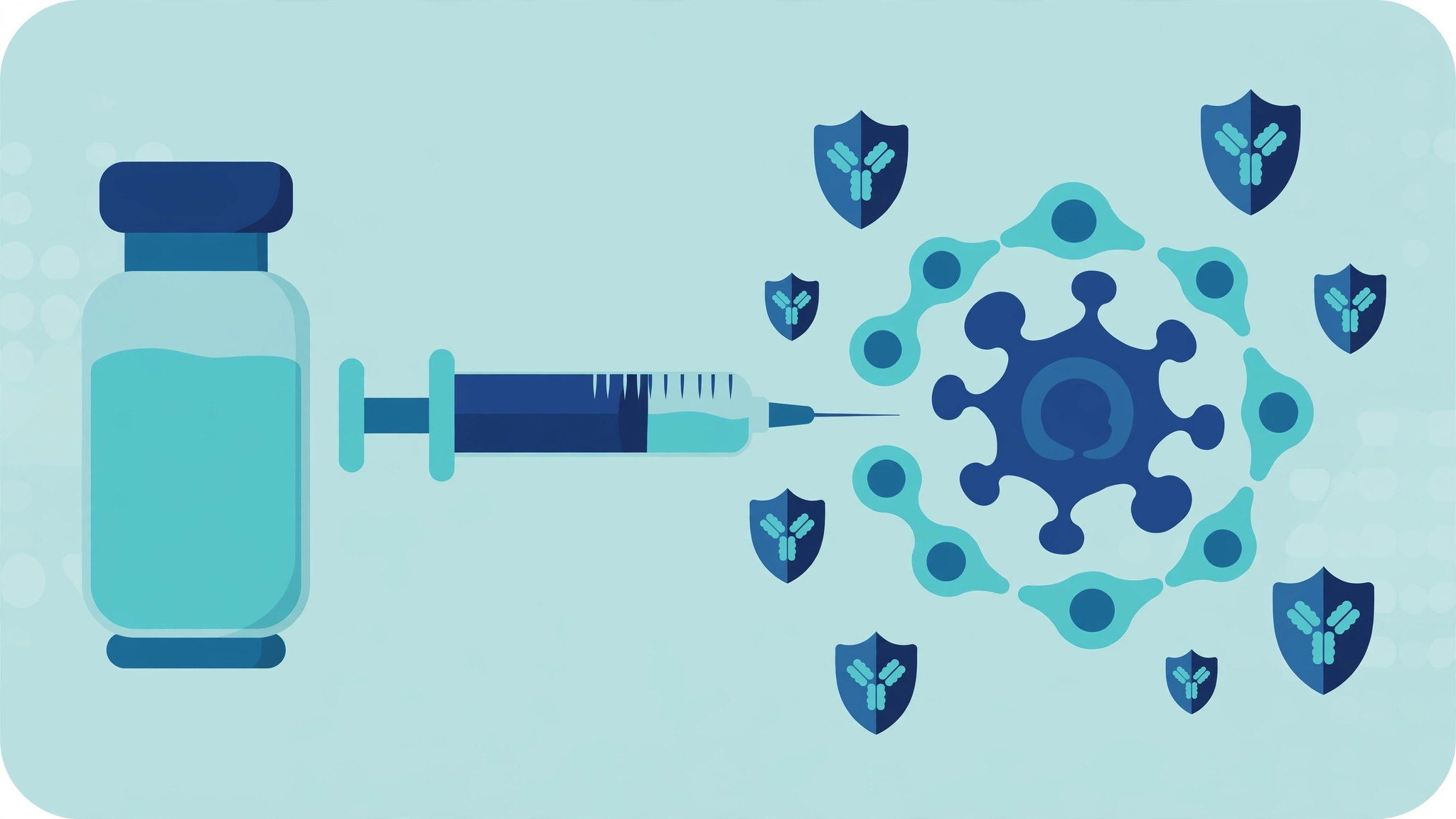
The currently used vaccine, Gardasil 9, is approved by the U.S. Food and Drug Administration (FDA) for people ages 9 through 45 and protects against nine HPV types — the types responsible for most HPV-related cancers and the two types that cause most genital warts. It introduces harmless virus-like particles that train the immune system to make antibodies against HPV. If a vaccinated person later encounters those HPV types, the antibodies can block infection before the virus causes lasting cellular changes. Crucially, the vaccine prevents new infections — it does not treat an existing HPV infection, which is why vaccination works best before any exposure, ideally before a person becomes sexually active. Understanding this mechanism also clarifies hpv vaccine who needs it: anyone who can still benefit from blocking new infections.
HPV Vaccine Who Needs It: Your Complete Age-by-Age Guide
Medical authorities, including the U.S. Centers for Disease Control and Prevention (CDC) and the American College of Obstetricians and Gynecologists (ACOG), organize the answer to hpv vaccine who needs it around age groups. Here is how clinicians approach each one.
Preteens ages 9 to 12: routine vaccination
This is the primary target group. The CDC recommends routine HPV vaccination at ages 11 or 12, and the series can begin as early as age 9. Young immune systems respond especially well to the vaccine, and starting early means protection is in place before any possible exposure. Children who begin the series before their 15th birthday need only two doses, given 6 to 12 months apart — a simpler schedule than the three-dose adult series.
Parents sometimes wonder why a child this young needs protection against a sexually transmitted infection. Doctors explain that the timing is about immunity before exposure, not about assumptions of sexual activity — and research has found that vaccinating at a young age is not linked to an earlier start of sexual activity.
Teens and young adults ages 13 to 26: catch-up vaccination
Anyone through age 26 who did not start or finish the HPV vaccine series should still get vaccinated. People who start the series at ages 15 through 26 need three doses given over six months. For the hpv vaccine who needs it question, this catch-up group is a clear “yes” in every major guideline.
Adults ages 27 to 45: shared decision with your doctor
Gardasil 9 is FDA-approved up to age 45, but routine vaccination is not recommended for everyone in this range. Instead, doctors advise a one-on-one conversation: adults ages 27 through 45 who are not already vaccinated may decide to get the vaccine after discussing their risk of new HPV infections and the likely benefits. For the hpv vaccine who needs it question, this is the group where personalized medical advice matters most. The vaccine provides less benefit here because many adults have already been exposed to some HPV types — but people with new partners or ongoing risk of new exposure can still gain protection against types they have not encountered.
People who especially need it: higher-risk groups
Certain people face greater consequences from HPV infection and are strongly advised to complete vaccination. People with weakened immune systems — including those living with HIV or taking immune-suppressing medication — should receive three doses if they are between ages 9 and 26. Men who have sex with men, who face a higher risk of anal HPV-related cancer, are likewise prioritized in many national guidelines.
What the HPV Vaccine Protects Against
The reason clinicians feel so strongly about this vaccine is the breadth of disease it prevents. According to the CDC, HPV vaccination can prevent more than 90% of the cancers caused by HPV — the CDC estimates HPV causes about 36,000 cancer cases every year in the United States alone. ACOG notes that when given before sexual activity begins, the vaccine is 99% effective at preventing the most common HPV types that cause genital warts and cancer. These include:
- Cervical cancer — almost all cases are linked to HPV infection.
- Anal cancer — in both women and men.
- Oropharyngeal (throat and back-of-tongue) cancers — increasingly common and now one of the leading HPV-related cancers.
- Penile, vaginal, and vulvar cancers.
- Genital warts — caused by the low-risk HPV types included in the vaccine.
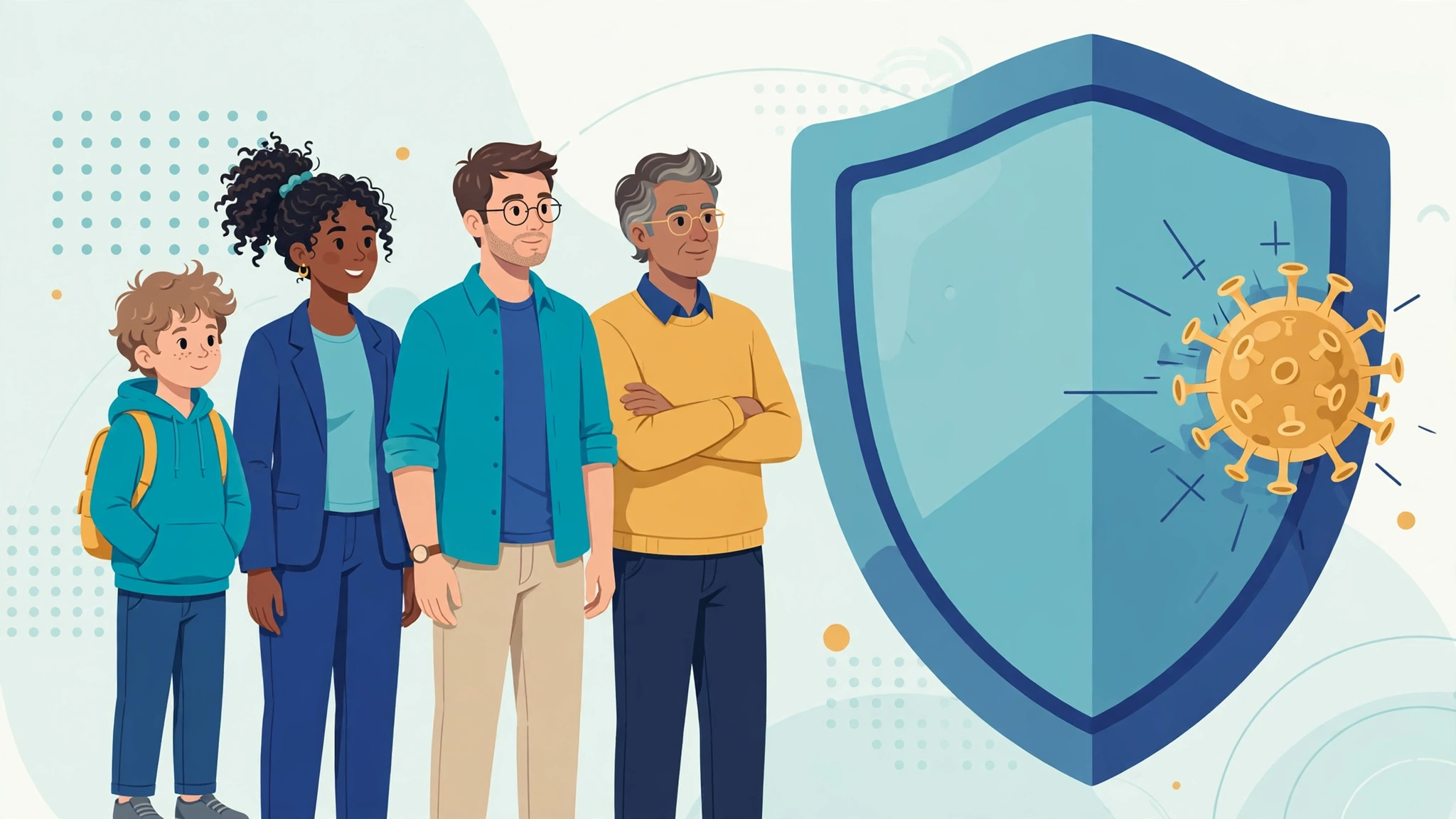
Vaccinating boys and men matters just as much as vaccinating girls: it protects them directly and reduces transmission across the whole population — a benefit doctors call community protection. This breadth of protection is precisely why the question of hpv vaccine who needs it deserves a place in every family’s preventive-care discussion.
The HPV Vaccine Dosing Schedule Explained
The number of doses depends on the age at which the series begins — so when clinicians answer hpv vaccine who needs it, they tailor the dosing schedule to the same age group:
Here is the schedule in plain terms:
- Starting before age 15: 2 doses — the second given 6 to 12 months after the first. If the two doses were given less than 5 months apart, a third dose is needed.
- Starting at ages 15 through 26: 3 doses — the second 1 to 2 months after the first, and the third 6 months after the first.
- Weakened immune systems (ages 9 to 26): 3 doses over six months, regardless of age at the first dose.
If a dose is missed, there is no need to restart — the remaining doses can simply be caught up. The vaccine can be given at the same visit as other routine vaccines, and eligible people can receive it from their regular healthcare provider or a local pharmacy.
Safety and Side Effects: What Doctors Tell Patients
HPV vaccines have been monitored in large clinical trials and in hundreds of millions of real-world doses. They cannot cause an HPV infection because they contain no live virus and no viral genetic material — only virus-like particles that teach the immune system to recognize the real thing. Most side effects are mild and short-lived: soreness, redness, or swelling where the shot was given, and sometimes a low fever, tiredness, muscle aches, or dizziness. Because some teenagers feel faint after vaccinations in general, clinicians usually ask them to sit for about 15 minutes afterward.
Serious allergic reactions are rare. Doctors advise against the vaccine for people who have had a severe allergic reaction to a previous HPV dose or to a vaccine ingredient such as yeast. The vaccine is not given during pregnancy — people who discover they are pregnant mid-series simply pause and resume after delivery. People who are moderately or severely ill are asked to wait until they recover. When clinicians discuss hpv vaccine who needs it with families, they pair the recommendation with this reassuring safety record.
Myths About the HPV Vaccine That Doctors Want You to Stop Believing
Misinformation keeps vaccination rates lower than they should be, and much of the confusion around hpv vaccine who needs it traces back to myths rather than facts. Here are the myths clinicians most often correct:
- “The vaccine encourages early sexual activity.” Studies have found no link between receiving the HPV vaccine at a young age and an earlier start of sexual activity. Doctors treat it as routine preventive care, like the tetanus or meningitis shots given at the same age.
- “It’s only for girls.” HPV causes cancers in men too, including throat and anal cancers, as well as genital warts. Gender-neutral vaccination protects everyone and slows the virus’s spread.
- “It causes fertility problems.” There is no credible evidence that the HPV vaccine affects fertility. By preventing cervical precancers and the procedures used to treat them, it helps protect future fertility.
- “One dose is enough.” The two- or three-dose schedule exists because research showed what reliably produces lasting immunity. While the World Health Organization has made provision for single-dose use in some settings, doctors in most countries still follow the full recommended schedule.
- “Natural immunity is better.” A natural HPV infection does not reliably produce protective immunity, and “getting it over with” risks precisely the persistent infections that cause cancer. The vaccine delivers targeted protection without the risk.
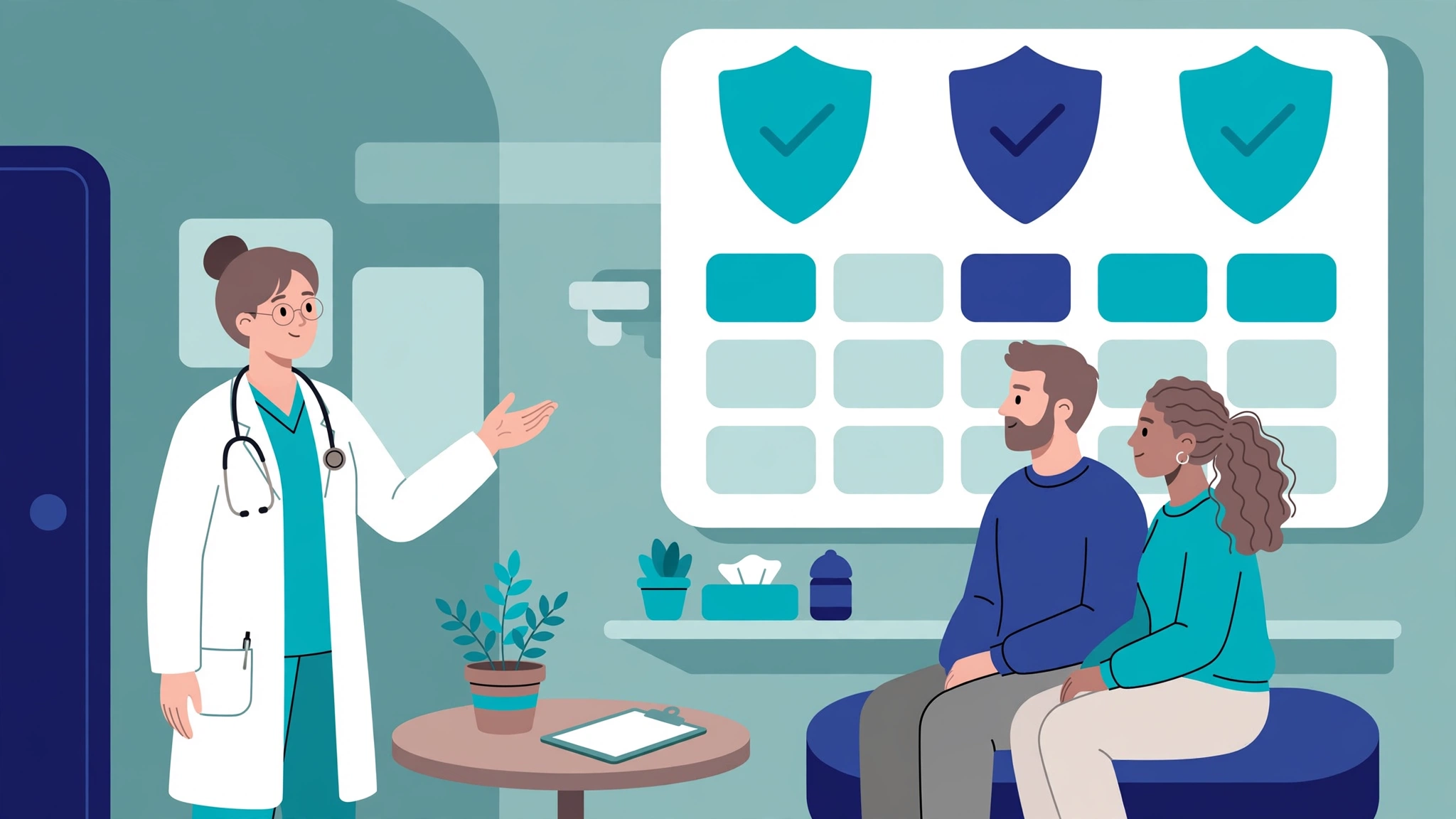
HPV Vaccination for Couples: A Shared Health Decision
Within a relationship, the hpv vaccine who needs it question becomes a joint one, and doctors increasingly frame it that way. Couples who treat hpv vaccine who needs it as a shared decision, like contraception or STI testing, protect each other more effectively:
- Both partners benefit. HPV passes between partners, often without symptoms on either side. When both partners are vaccinated, each is protected and the chance of passing the virus back and forth drops — doctors describe this as mutual protection.
- New relationships deserve a fresh look. Entering a new relationship is a natural moment to check vaccination status together, just as many couples discuss STI testing. For adults ages 27 to 45 with new or future partners, this is exactly the shared-decision scenario guidelines describe.
- One vaccinated partner is not enough. If only one partner is vaccinated, the other remains susceptible to the HPV types the vaccine covers. Couples should not assume one person’s vaccination protects both.
- A positive HPV test is not the end of the conversation. A past or current infection with one HPV type does not mean the vaccine is useless — it can still protect against the other types in the vaccine. Clinicians recommend discussing this rather than assuming vaccination is pointless.
- Talk about it plainly. Doctors suggest the same directness couples use for contraception: “Have you had the HPV vaccine? Should we both check?” Normalizing the question removes the stigma that keeps it unasked.
Global Access: What the WHO Recommends and What It Costs
Beyond any single country’s guidelines, the World Health Organization has set a global strategy to eliminate cervical cancer as a public health problem — with a target of 90% of girls vaccinated by age 15. The global answer to hpv vaccine who needs it is ambitious and clear: 90% of girls vaccinated by age 15. To make that achievable, WHO guidance now includes provision for single-dose schedules in some settings, which has expanded access in countries with limited healthcare resources.
On cost, many insurance plans cover the HPV vaccine at no additional charge when given within the recommended ages, though coverage varies by plan and country. For people without coverage, many public health clinics, school-based programs, and pharmacies offer the vaccine at reduced cost or free — asking a local health department is a practical first step.
Vaccination Does Not Replace Screening
Doctors are firm on this point: the HPV vaccine and cervical cancer screening work together. The vaccine protects against the HPV types responsible for most HPV-related cancers, but not every cancer-causing type. People with a cervix should continue following recommended cervical cancer screening guidelines — Pap tests and HPV tests — even after completing the vaccine series. Knowing hpv vaccine who needs it does not change this: vaccination and screening remain partners.
FAQs
Can the HPV vaccine give me an HPV infection?
No. The vaccine contains no live HPV and no viral genetic material — only virus-like particles that resemble the virus’s outer shell and train the immune system. It cannot cause HPV infection, genital warts, or HPV-related cancer. This is confirmed by large safety reviews from health authorities worldwide.
Do boys and men really need the HPV vaccine?
Yes. HPV causes anal, penile, and throat cancers as well as genital warts in men, and men transmit the virus to partners. Guidelines in most countries now recommend the vaccine for all genders. Vaccinating boys protects them directly and reduces HPV circulation in the whole community.
I’m 30 and was never vaccinated. Is it too late?
Not necessarily. While the vaccine works best before exposure, adults ages 27 through 45 can still benefit — especially those with new or future partners. For adults wondering about hpv vaccine who needs it after age 27, doctors recommend a personal risk discussion with your healthcare provider to decide. It cannot clear an existing infection, but it can protect against HPV types you have not encountered.
If I’m vaccinated, can I skip cervical screening?
No. Vaccination and screening are complementary. The vaccine does not cover every cancer-causing HPV type, so people with a cervix should continue Pap and HPV testing on the recommended schedule. Screening detects cell changes early, when they are most treatable.
How long does HPV vaccine protection last?
Studies show protection lasts many years, with no sign of waning in long-term follow-up so far. Health authorities currently do not recommend booster doses. In other words, hpv vaccine who needs it is really a question about timing the initial series well — not about boosters. Doctors continue to monitor duration of immunity, but for now completing the recommended series is considered sufficient.
Can I get vaccinated if I’ve already had HPV?
Usually yes. A past infection with one HPV type does not protect against the others, and the vaccine can still guard against the remaining types it covers. Doctors do not routinely require HPV testing before vaccination. Discuss your history with your clinician to decide.
If you are still wondering hpv vaccine who needs it in your own situation, the simplest next step is a conversation: ask your doctor or pharmacist about your vaccination status at your next visit, and — if you are in a relationship — raise it with your partner too. Couples who discuss hpv vaccine who needs it openly often find it becomes one more shared health habit, alongside screening and safer-sex practices. For more on protecting your intimate health together, explore our related guide on low libido and the common causes worth ruling out first, and browse the heterosexual.pro sexual health library for more clinician-reviewed guidance. To verify any medical detail in this article, see the Mayo Clinic’s HPV vaccine overview and the CDC’s HPV vaccination recommendations.
Medical disclaimer: This article is for educational purposes only and is not medical advice. It does not provide personal diagnoses, dosages, or prescriptions. Vaccination decisions depend on individual health history, so readers should consult a qualified healthcare professional before making any medical decisions.