Low Sperm Count: Causes and Treatments
Learning you have a low sperm count can feel like a punch to the gut — especially when it arrives out of nowhere, discovered only after months of trying to conceive. You are not alone: male factors contribute to roughly half of all infertility cases, and a low sperm count is one of the most common findings. Understanding low sperm count causes and the treatment options available is the first step toward taking control of the situation.
This guide is a plain-language resource on low sperm count causes treatment: what the numbers mean, how diagnosis works, and which treatments genuinely help — including the lifestyle timeline almost no one tells you about. Men searching for low sperm count causes treatment often feel overwhelmed by conflicting claims, so this article sticks to what the medical evidence actually supports.
What Is a Low Sperm Count?

Medically called oligospermia, a low sperm count means the fluid released during ejaculation (semen) contains fewer sperm than expected. The World Health Organization defines the lower reference limit as fewer than 15 million sperm per milliliter of semen. Doctors often describe severity in bands:
- Mild: 10 to 15 million sperm per milliliter
- Moderate: 5 to 10 million sperm per milliliter
- Severe: fewer than 5 million sperm per milliliter
It is worth knowing that count is only part of the picture. Sperm also need to move well (motility) and have a normal shape (morphology) to reach and fertilize an egg. Some men with a low count conceive naturally; others need help even with a normal count because of poor motility. That is why the full test — not just the headline number — matters for any low sperm count causes treatment plan.
How Low Sperm Count Is Diagnosed
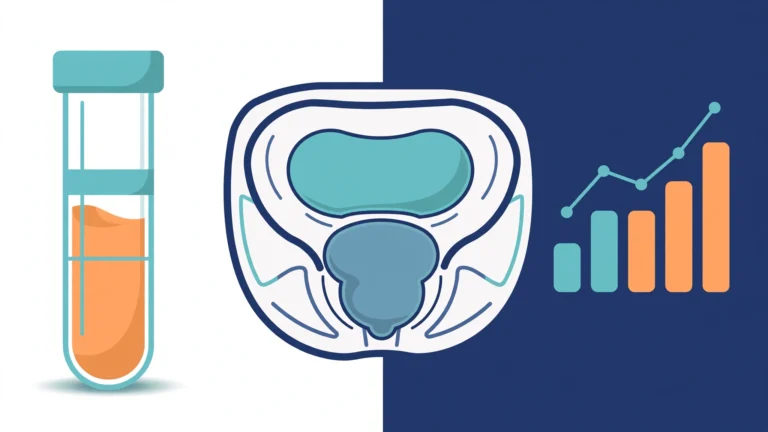
The diagnosis starts with a semen analysis, a straightforward laboratory test performed on a sample collected after 2 to 5 days of abstinence. The lab measures sperm concentration, total count, motility, shape, semen volume, and acidity, among other markers.
One critical point competitors’ articles often skip: a single test is not enough. Sperm counts vary from week to week because of illness, stress, or even a hot bath. Guidelines recommend at least two separate analyses, several weeks apart, before drawing conclusions. If the results conflict or are borderline, a third test may be ordered. For a plain-language walkthrough of what each number on the report means, see our guide to understanding your semen analysis results.
If the count is low, the next steps usually include a physical examination, blood tests for hormones such as testosterone, FSH, and LH, and sometimes a scrotal ultrasound to check for a varicocele or blockage. Genetic testing may be suggested for severe cases. A thorough workup like this ensures that low sperm count causes treatment targets the real problem rather than just the symptom.
Medical Causes of Low Sperm Count
Varicocele
A varicocele — enlarged veins in the scrotum, similar to varicose veins in the legs — is the single most common reversible cause of male infertility. It affects about 15 percent of all men but shows up in roughly 40 percent of men evaluated for infertility. The abnormal blood flow is thought to raise testicular temperature and increase oxidative stress, both of which impair sperm production. Many men have no symptoms at all and discover it only during a fertility workup. Because it is so common and so treatable, varicocele repair is a frequent starting point in low sperm count causes treatment.
Hormonal disorders
Sperm production is driven by a hormonal chain: the brain’s hypothalamus and pituitary gland signal the testicles to make testosterone and sperm. Disruptions anywhere in this chain — low testosterone (hypogonadism), pituitary disorders, thyroid problems, or high prolactin — can reduce output. Blood tests can usually pinpoint which link is broken.
Infections
Some infections can temporarily or permanently affect sperm production or leave scarring that blocks sperm transport. These include epididymitis (inflammation of the coiled tube behind the testicle), orchitis (testicular inflammation, sometimes following mumps), prostatitis, and sexually transmitted infections such as gonorrhea or chlamydia. Most infections resolve without lasting damage when treated promptly, but repeated or severe episodes can cause scarring.
Genetic factors
Conditions such as Klinefelter syndrome (an extra X chromosome) and microdeletions on the Y chromosome can impair sperm production. A history of undescended testicles in childhood also raises the risk. Genetic testing is typically recommended when the count is very low or zero.
Blockages and ejaculation problems
Sometimes sperm are produced normally but cannot get out. Causes include blockages in the tubes that carry sperm, prior vasectomy, and retrograde ejaculation, where semen flows backward into the bladder instead of out through the penis — a known complication of diabetes, certain prostate surgeries, and some medications.
Cancer and its treatment
Chemotherapy and radiation to the pelvic area can damage sperm-producing cells, sometimes permanently. Men facing cancer treatment are routinely advised to consider sperm banking beforehand. Tumors of the pituitary or reproductive organs can also interfere with fertility directly.
Lifestyle Causes of Low Sperm Count
Testosterone therapy and anabolic steroids
This is one of the most underappreciated and fastest-growing causes. Testosterone prescribed for “low T,” as well as anabolic steroids used for muscle building, signal the brain to shut down its own production signals. The testicles shrink and sperm production can drop to near zero — even though blood testosterone looks high. The cruel irony: a treatment meant to restore masculinity can temporarily sterilize a man. Recovery after stopping is possible but slow, often taking many months, and sometimes requires medical help to restart the system. Always tell your doctor about any testosterone gels, injections, or supplements before a fertility evaluation.
Smoking, alcohol, and recreational drugs
Tobacco smoke is consistently linked to lower sperm counts and poorer sperm quality. Heavy alcohol use can lower testosterone and impair sperm production, and liver disease from chronic drinking compounds the problem. Marijuana and cocaine use have also been associated with reduced sperm number and quality.
Excess weight
Obesity disrupts the hormonal balance — fat tissue converts testosterone to estrogen — and is associated with lower sperm counts. The relationship appears dose-dependent: the higher the body mass index, the greater the effect. Weight loss, even modest, can improve the hormonal profile. For that reason, sustainable weight loss is a core component of many low sperm count causes treatment plans.
Heat exposure
The testicles hang outside the body for a reason: sperm production requires a temperature slightly below core body temperature. Frequent saunas or hot tubs can temporarily lower sperm count. Laptop use on the lap for long periods and very tight clothing may raise scrotal temperature slightly, though the evidence here is weaker and more research is needed.
Chronic stress and poor sleep
Prolonged stress raises cortisol, which can suppress the reproductive hormone axis. Sleep deprivation is similarly linked to lower testosterone levels. Men who consistently sleep fewer than six hours a night tend to have poorer semen parameters than those who sleep seven to eight hours.
Environmental and Occupational Exposures
Long-term exposure to certain industrial chemicals, pesticides, herbicides, organic solvents, and heavy metals such as lead has been linked to reduced sperm counts. High-dose radiation can impair sperm production, sometimes long term. Men working in agriculture, manufacturing, painting, or welding should discuss occupational exposures with their doctor — and their employer about protective equipment. Minimizing these exposures is a sensible precaution within any low sperm count causes treatment approach. You can read more about the medical evidence base in the Mayo Clinic’s overview of low sperm count causes.
Medications That Can Lower Sperm Count
Several prescription drugs can reduce sperm production, including:
- Anabolic steroids and exogenous testosterone
- Certain chemotherapy agents
- Some antibiotics used long term
- Calcium channel blockers and some blood pressure medications
- Finasteride and similar drugs affecting hormone conversion
- Some antidepressants and anti-anxiety medications
Never stop a prescribed medication on your own — the risks of stopping may outweigh the fertility benefit. Instead, bring a complete medication list to your fertility appointment: reviewing it is a routine part of low sperm count causes treatment, and your doctor can advise whether alternatives exist.
Low Sperm Count Causes Treatment Options
Treatment depends on the cause — which is exactly why the diagnostic workup matters. There is no single “sperm count pill” that works for everyone. The most effective low sperm count causes treatment plans are always tailored to the individual.
Treating the underlying medical cause
- Infections: antibiotics can clear reproductive tract infections, though they cannot reverse scarring that has already formed.
- Hormonal imbalances: when the brain is not signaling properly, medications that stimulate the body’s own hormone production may be prescribed. Note that giving testosterone itself usually makes the count worse, not better.
- Varicocele: surgical repair or embolization can improve sperm count, motility, and shape in many men, and is often recommended when no other cause is found.
- Blockages: microsurgery can repair obstructed ducts in selected cases.
- Ejaculation problems: some causes of retrograde ejaculation respond to medication changes or treatment of the underlying condition; when not, sperm can often be retrieved directly for assisted reproduction.
The 90-day rule: why lifestyle changes take time
Here is the timeline almost no one mentions: a full cycle of sperm production (spermatogenesis) takes roughly 72 to 90 days. That means the sperm in today’s sample began developing three months ago. Any lifestyle change you make — quitting smoking, losing weight, improving sleep — needs at least two to three months before it shows up in a semen analysis. Men who retest after four weeks and feel discouraged are simply testing too early. Commit to a full 90-day window before judging results.
Lifestyle changes that genuinely move the needle
- Quit smoking and cut back sharply on alcohol.
- Reach a healthy weight through steady diet and exercise — crash diets can temporarily worsen hormone levels.
- Exercise moderately. Regular moderate activity supports testosterone; extreme endurance training without recovery can have the opposite effect.
- Protect against heat: limit saunas and hot tubs, avoid keeping a laptop on your lap for hours, and choose breathable underwear.
- Sleep 7 to 8 hours and manage chronic stress with exercise, counseling, or relaxation techniques.
- Review supplements and steroids with your doctor, including “natural” testosterone boosters, which are unregulated and sometimes contaminated with actual hormones.

Nutrition and supplements: food first
No diet has been proven to cure low sperm count, but patterns rich in antioxidants are associated with better semen quality. Focus on foods rather than pills:
- Zinc: oysters, beef, pumpkin seeds, lentils
- Folate: leafy greens, beans, citrus fruits
- Vitamin D: fatty fish, fortified foods, sensible sun exposure — deficiency is common and linked to poorer sperm motility
- Omega-3 fatty acids: salmon, sardines, walnuts, flaxseed
- Antioxidants (vitamins C and E, selenium): berries, nuts, colorful vegetables
Supplements such as CoQ10 are widely marketed for male fertility, but the evidence is preliminary and quality varies. Discuss any supplement with your doctor first — “natural” does not mean risk-free, and some products interact with medications.
Assisted reproductive techniques
When the count does not improve enough for natural conception, assisted reproduction offers well-established options:
- IUI (intrauterine insemination): washed, concentrated sperm are placed directly into the uterus. Best suited for mild cases.
- IVF (in vitro fertilization): eggs and sperm are combined in the laboratory.
- ICSI (intracytoplasmic sperm injection): a single sperm is injected directly into an egg — effective even with very low counts, and the standard approach for severe oligospermia.
A fertility specialist can advise which option fits your numbers, your partner’s fertility status, and your preferences.
The Emotional Side Nobody Talks About
Infertility is often framed as a women’s health issue, which can leave men feeling invisible in the process — yet studies consistently show that a male-factor diagnosis hits self-esteem hard, sometimes triggering anxiety, shame, or withdrawal from the relationship. These feelings are normal, not a character flaw.
A few things that help: talk openly with your partner rather than carrying it silently; remember that a low count says nothing about your masculinity or your worth; consider counseling, ideally with a therapist experienced in fertility issues; and connect with others — male infertility is far more common than the silence around it suggests. Supporting each other through testing and treatment strengthens the relationship regardless of the outcome.
Common Myths About Low Sperm Count
- “Boxers versus briefs settles it.” The evidence is modest at best. Underwear choice is unlikely to be the deciding factor, though avoiding constant excessive heat is sensible.
- “One bad test means I’m infertile.” Counts fluctuate. Guidelines require repeat testing before any diagnosis.
- “Male fertility doesn’t decline with age.” It declines more gradually than female fertility, but men over 40 do show lower counts, poorer motility, and higher DNA fragmentation on average.
- “If I feel fine, my sperm must be fine.” Low sperm count usually has no symptoms. The inability to conceive after a year of trying is often the first and only sign.
- “Supplements alone will fix it.” They may support overall health, but no supplement replaces diagnosis and treatment of the underlying cause.
When to See a Doctor
Seek evaluation if you and your partner have been trying to conceive for 12 months without success (6 months if your partner is over 35), or sooner if you have a history of testicular surgery, undescended testicles, prior cancer treatment, known hormonal problems, or symptoms such as testicular pain, swelling, or very low libido. Ideally, both partners are evaluated together — focusing on only one side wastes precious time. A urologist with fertility expertise is the usual starting point for men.
Frequently Asked Questions
What is considered a low sperm count?
A concentration below 15 million sperm per milliliter of semen is considered low by World Health Organization reference standards. Below 5 million per milliliter is classified as severe. Remember that motility and shape matter too — the full semen analysis gives the complete picture.
Can a low sperm count be cured?
It depends on the cause. Infections, hormonal disorders, varicocele, and medication-induced drops are often treatable or reversible. When the cause is genetic or the result of permanent testicular damage, natural improvement may not be possible — but assisted reproduction techniques such as ICSI can still make fatherhood achievable with very few sperm.
How long does treatment take to work?
Because sperm production takes about 72 to 90 days, allow at least three months after starting treatment or lifestyle changes before retesting. Surgical repairs such as varicocele correction may take six to twelve months to show their full effect.
Does masturbation frequency affect sperm count?
Very frequent ejaculation can temporarily lower the count in a given sample, while prolonged abstinence raises count but reduces motility. For conception, ejaculating every 2 to 3 days during the fertile window is generally recommended. For the test itself, follow the lab’s abstinence instructions (usually 2 to 5 days).
Can stress really lower sperm count?
Chronic severe stress is associated with lower testosterone and poorer semen parameters, likely through hormonal disruption. Ordinary day-to-day stress is unlikely to be the sole cause, but stress management is a reasonable part of an overall fertility plan — and it improves quality of life regardless.
Should my partner be tested too?
Yes. Infertility is a couple’s issue: female factors, male factors, or a combination are each responsible for a large share of cases, and in some couples no cause is found on either side. Parallel evaluation avoids months of delay and leads to a coordinated treatment plan.
Are there natural ways to increase sperm count?
Lifestyle measures — quitting smoking, limiting alcohol, maintaining a healthy weight, sleeping well, avoiding excess heat, and eating an antioxidant-rich diet — are associated with better sperm production and are worth doing. But “natural” approaches work best alongside proper medical evaluation, not instead of it, especially if you have been trying for a year without success. Think of these habits as a complement to medical low sperm count causes treatment, not a replacement for it.
This article is for educational purposes only and is not medical advice. If you are concerned about fertility, please consult a qualified healthcare professional such as a urologist or fertility specialist for personalized evaluation and treatment.