Partner Pulling Away Sexually? Causes and How to Respond
When your partner starts pulling away sexually, it can feel personal. Fewer kisses, excuses at bedtime, a partner who suddenly seems uninterested in physical closeness — but a partner pulling away sexually is rarely about one thing, and it is almost never only about attraction. Sexual desire is shaped by hormones, stress, sleep, medications, mood, body image, and the emotional climate of the relationship itself. Understanding the real causes is the first step toward responding in a way that brings you closer instead of pushing you further apart. If your partner is pulling away sexually, the goal is curiosity first, pressure never.
7 Signs Your Partner Is Pulling Away Sexually
A partner pulling away sexually often signals the change in small, everyday ways before it becomes obvious:
- Less physical affection overall. The hugs, kisses, hand-holding, and casual touches that once happened automatically begin to disappear. A partner pulling away sexually usually withdraws non-sexual touch first, not just sex itself.
- Avoiding situations that could lead to intimacy. They go to bed at a different time, stay up late with their phone, or find reasons to be busy when you might otherwise connect physically.
- Dodging conversations about sex. When you try to talk about your intimate life, they change the subject, joke it off, or get defensive. Therapists note that this avoidance often reflects discomfort with their own body image, performance concerns, or fear of disappointing you — not a lack of love.
- More time apart. Extra hours at work, new hobbies that exclude you, or constant solo screen time can be ways of escaping unaddressed sexual or emotional tension at home.
- Emotional flatness. Less communication, fewer compliments, little curiosity about your day. When emotional intimacy fades, physical intimacy usually follows, because the two are tightly linked.
- Sex feels different when it happens. If you are still having sex but it feels rushed, routine, or disconnected — like going through the motions — that is also a form of pulling away.
- Irritability around the topic. Snapping when intimacy comes up, or treating any mention of it as pressure or criticism, suggests the topic has become emotionally loaded.
Why It Happens: The Most Common Causes
Research and clinical experience point to a handful of recurring reasons a partner pulling away sexually may be experiencing. Most couples are dealing with several at once. Before you panic about a partner pulling away sexually, check how many of these apply.
Stress and exhaustion. Chronic stress floods the body with cortisol, which can suppress testosterone and blunt desire in both men and women. Parenting, caregiving, financial pressure, and overwork all drain the mental bandwidth intimacy requires.
Emotional disconnection. Unresolved conflict, feeling unheard, or a pattern of criticism builds resentment. For many people — women in particular, but plenty of men too — sexual desire depends on feeling emotionally close first. Sex on top of resentment feels wrong, so they withdraw.
Body image and performance worries. Shame about weight, aging, surgical scars, or sexual performance problems like erectile difficulty or vaginal dryness can make someone avoid intimacy rather than risk embarrassment. They are not rejecting you; they are hiding from their own insecurity.
Medications and health conditions. Antidepressants, blood pressure drugs, hormonal contraception, and some antihistamines commonly reduce libido. Depression, anxiety, thyroid problems, diabetes, chronic pain, and hormonal shifts such as perimenopause or low testosterone also lower desire directly.
Sex has become routine. When intimacy becomes predictable — same time, same place, same script — desire fades. Novelty and anticipation matter more to long-term desire than most couples realize.
Painful or unsatisfying sex. If sex hurts, or consistently ends without pleasure for one partner, avoiding it is a completely logical response. This is especially common after childbirth, during perimenopause, or after pelvic surgery.
Gap 1: Rule Out the Medical Before You Assume It Is Emotional
Here is what almost no advice article on this topic tells you: before interpreting a partner pulling away sexually as a relationship problem, rule out the medical ones. Therapists routinely see couples who spent a year arguing about emotional distance when the real issue was a new antidepressant, an undiagnosed thyroid disorder, or untreated depression. Assuming a medical cause is emotional misdirects the entire response — you end up working on the relationship when someone needs a doctor. That is why a partner pulling away sexually should never be diagnosed by assumption.
Doctors who treat sexual health recommend a simple first step. If your partner’s desire dropped suddenly, or dropped after a new prescription, life change, or health event, encourage a medical check-up that reviews:
- All current medications — antidepressants, blood pressure medications, hormonal contraceptives, and some pain and antihistamine drugs are well-known libido reducers. A prescribing doctor can often adjust the dose or switch to an alternative.
- Mood disorders — depression and anxiety reduce desire, and some of their treatments do too. Treating the underlying mood condition often restores sexual interest.
- Hormonal changes — low testosterone in men, and perimenopause-related estrogen changes in women, frequently coincide with midlife sexual withdrawal. These are treatable conditions, not personal verdicts on the relationship.
- Chronic illness and pain — diabetes, cardiovascular disease, chronic pelvic pain, arthritis, and poor sleep all suppress desire. Sex is difficult to want when the body is struggling.
- Substance use — heavy alcohol use and some recreational drugs lower desire and sexual function over time.
A partner pulling away sexually for medical reasons is not a partner who stopped caring. For more on the physical side, see our guide on the common causes of low libido worth ruling out first and this overview of medications that can lower libido.
Gap 2: The Pursuer–Withdrawer Cycle — How Your Reaction Can Make It Worse
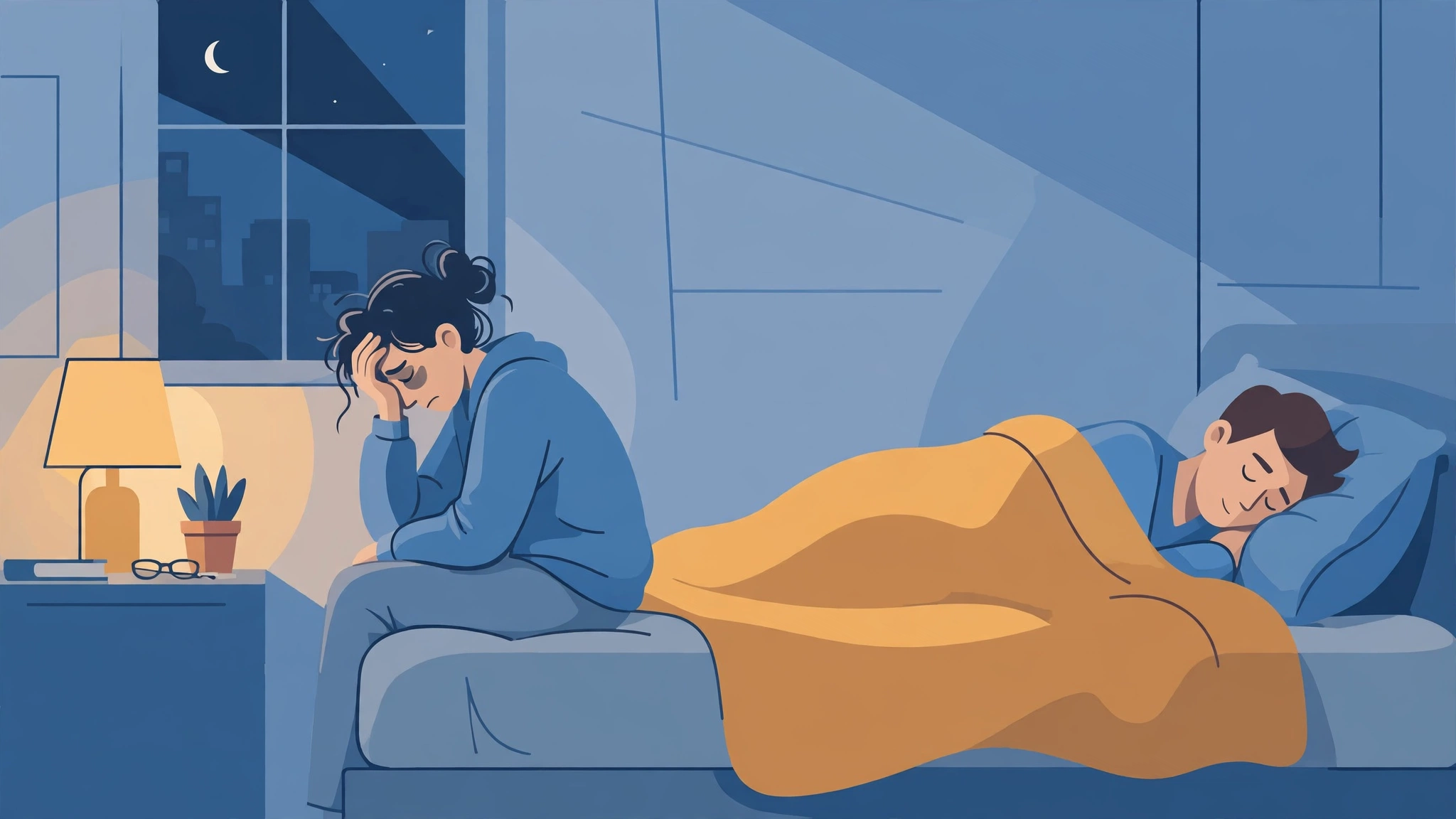
The second thing most articles miss is that pulling away is rarely one-sided. Emotionally Focused Therapy describes a pursuer–withdrawer cycle that shows up in most struggling couples. One partner feels the distance and pursues: more questions, more bids for affection, more “we need to talk.” The other feels the pressure and withdraws further — more distance, more avoidance. The pursuer then pursues harder, and the cycle tightens. Recognizing this loop is essential when your partner is pulling away sexually.
What makes this painful is that both partners end up feeling rejected. The pursuing partner experiences withdrawal as proof they are no longer loved. The withdrawing partner experiences the pursuit as pressure, criticism, or one more demand on an exhausted system. Neither is wrong; the pattern is the problem.
Understanding this changes your response completely. If your partner is pulling away sexually and you respond with more pressure — repeated demands, ultimatums, monitoring their affection — you may accidentally become the reason the withdrawal deepens. The therapeutic alternative is to name the cycle together rather than blaming each other: “I think when I push, you pull back, and when you pull back, I push harder. Neither of us wants this.” That single reframe moves you from opponents to teammates facing a shared pattern.
Gap 3: The Desire Mismatch Trap — Spontaneous vs. Responsive Desire
Many couples catastrophically misinterpret a normal difference in how desire works. Sex researchers distinguish spontaneous desire, which arrives first and motivates intimacy, from responsive desire, which emerges during affection, relaxation, and physical closeness. In long-term relationships, responsive desire is extremely common — and it is often misread as rejection, which is why a partner pulling away sexually is so often misjudged.
Picture this: one partner feels spontaneous desire in the evening and initiates. The other is tired, not “in the mood,” and declines. The initiator reads this as “my partner doesn’t want me.” But a responsive-desire partner might have been fully willing — they just needed the warm-up of affection, closeness, and relaxation first. The refusal was about timing and arousal context, not about attraction.
Couples who learn this distinction often report immediate relief. Practical fixes follow naturally: schedule low-pressure physical time (cuddling, massage, shared baths) with no expectation of sex; let the responsive-desire partner start with what feels good rather than being asked to feel desire on demand; and agree that “not right now” means “let’s connect physically first,” not “never.” A partner pulling away sexually may simply be a partner whose desire needs an invitation, not a demand. For many couples, simply learning this reframes a partner pulling away sexually from rejection to rhythm.

Gap 4: What to Actually Say — Non-Blaming Conversation Scripts
Nearly every competitor article says “have an honest conversation” and stops there. But when and how you talk to a partner pulling away sexually matters more than the fact that you do. Therapists advise against raising it in bed, especially right after a refusal, when both of you are raw. Choose a calm, private moment — a walk, a weekend coffee — and use “I” language that describes what you feel without diagnosing your partner. Pressure is the fastest way to keep a partner pulling away sexually.
Try one of these scripts, adapted to your own words:
- To open the conversation: “I’ve noticed we’ve been less physically close lately, and I miss that connection between us. I don’t want this to become a source of pressure — I’d like to understand what you’re experiencing. Is there anything going on for you right now?”
- If they get defensive: “I’m not blaming you, and I’m not asking for anything to change tonight. I just want us to be on the same team about this. What would make closeness feel easier for you these days?”
- If you suspect a medical cause: “I read that stress, sleep, and even some medications can quietly affect desire. Would you be open to mentioning it at your next check-up? I could come with you if that would help.”
- If you want to propose a path forward: “What if we agreed that for the next few weeks, we focus on non-sexual closeness — cuddling, date nights, holding hands — with zero expectation? I’d rather rebuild slowly than keep feeling distant.”
Avoid ultimatums, score-keeping, arguing about it right after a refusal, or comparing your sex life to other couples — pressure is the enemy of desire, and the fastest way to deepen the distance when a partner is pulling away sexually.
Gap 5: Couples Therapy vs. a Doctor Visit — Which Do You Need?
But when your partner is pulling away sexually, the right professional depends on the cause. Use this guide:
| Sign | Start with |
|---|---|
| Desire dropped after a new medication, illness, childbirth, or menopause/andropause symptoms | A doctor. Ask for a review of medications, hormones, mood, and physical causes. |
| Sex is painful or physically difficult | A doctor (urologist, gynecologist, or pelvic-floor physiotherapist). Pain-driven avoidance resolves only when the pain does. |
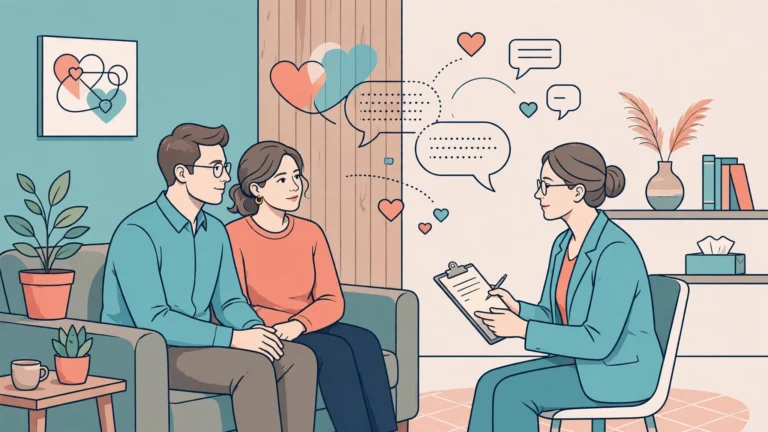
| Withdrawal follows unresolved conflict, betrayal, or years of resentment | A couples therapist, ideally one trained in Emotionally Focused Therapy or sex therapy. |
| One partner feels shame about their body or performance | An individual therapist (for the shame) plus a couples therapist for the pattern. |
| Desire was always mismatched and you never learned to talk about it | A certified sex therapist — mismatched desire is one of the most common and most treatable issues they see. |
| Either of you feels depressed, hopeless, or anxious most days | A doctor or psychiatrist first — mood disorders suppress desire, and treating them often restores it. |
You can also do both at once: a medical workup and couples therapy are not mutually exclusive, and many couples benefit from parallel tracks. Bringing real information to the table beats guessing when a partner is pulling away sexually. For further reading, the Mayo Clinic’s overview of causes of low sex drive and the NHS guidance on loss of libido are solid, clinician-reviewed starting points.
Small Steps to Reconnect Without Pressure
These low-pressure steps help restore closeness when a partner is pulling away sexually, without making intimacy feel like a chore:
- Restore non-sexual touch. Hand-holding, shoulder squeezes, cuddling on the couch — physical affection with zero expectation of sex rebuilds the sense of safety that desire grows in.
- Protect sleep and stress recovery. Desire rarely survives chronic exhaustion. Even modest improvements in sleep and shared downtime move the needle.
- Plan connection, not just sex. A weekly date night, a daily ten-minute check-in, or a walk after dinner gives emotional closeness a scheduled home instead of leaving it to chance.
- Address the resentments. The unspoken grievance about dishes, in-laws, or unequal mental load may be the real libido killer. Talk about those directly, or bring them to therapy.
- Take care of yourself too. The partner on the receiving end of withdrawal often neglects their own wellbeing. Exercise, friendships, and self-compassion are not giving up — they are what keep you steady enough to reconnect well.
Key Takeaways on a Partner Pulling Away Sexually
If your partner is pulling away sexually, remember the essentials: a partner pulling away sexually is usually responding to stress, health, or emotional distance — not delivering a verdict on you. When a partner pulling away sexually triggers the pursuer–withdrawer cycle, naming the pattern stops it from tightening. When a partner pulling away sexually has a possible medical cause, the right response is a doctor visit, not a relationship post-mortem. And when a partner pulling away sexually makes you feel unloved, that is the cycle talking — not the truth about your relationship. Keep responding to a partner pulling away sexually with curiosity, patience, and teamwork, and desire has room to return.
FAQs
Is it normal for my partner to lose interest in sex?
Yes, desire fluctuates in nearly every long-term relationship due to stress, health, aging, and life changes. It becomes a concern when the change is sudden, persistent, or accompanied by emotional withdrawal. A partner pulling away sexually for a few weeks during a stressful season is different from a partner pulling away sexually for months. A temporary dip is normal; a long-term pattern deserves attention from both partners, and sometimes a doctor.
How do I talk to my partner about not wanting sex without hurting them?
Choose a calm moment outside the bedroom, use “I” statements about your feelings, and avoid blame or ultimatums. Explain what you are experiencing rather than diagnosing them. Scripts like “I miss our closeness — can we talk about what’s going on?” keep the conversation collaborative instead of accusatory.
What medications can cause a partner to pull away sexually?
Several common drugs reduce libido, including many antidepressants, blood pressure medications, hormonal contraceptives, some antihistamines, and certain pain medications. If desire dropped after starting a new prescription, your partner’s doctor may be able to adjust the dose or switch medications.
Could depression or another medical issue be the real cause?
Very possibly. Depression, anxiety, thyroid disorders, hormonal changes like perimenopause or low testosterone, diabetes, and chronic pain all suppress sexual desire. Doctors recommend a medical check-up when desire drops suddenly or persists, before assuming the cause is purely relational.
When should we see a couples therapist instead of handling it ourselves?
Consider therapy if the pattern has lasted months, conversations keep turning into arguments, resentment is building, or one of you feels hopeless about change. Therapists trained in Emotionally Focused Therapy or sex therapy treat desire mismatch as one of the most common — and most treatable — issues they see.
Is my partner pulling away sexually a sign they are cheating?
Not necessarily. Infidelity is only one of many causes, and far less common than stress, medical issues, emotional disconnection, or desire mismatch. Assuming cheating without evidence usually damages trust further. Look at the whole picture, ask directly with curiosity rather than accusation, and consider therapy if suspicion is consuming you.
Soft next step: if a partner pulling away sexually has become a lasting pattern, start with an honest, blameless conversation — and consider booking a medical check-up for your partner or a session with a couples therapist. Explore our related guides on low libido causes and rebuilding intimacy, or talk to your doctor about what you are experiencing. The most important thing to remember when your partner is pulling away sexually: it is a signal to investigate, not an accusation to answer.
Medical disclaimer: This article is for educational purposes only and does not constitute medical advice. It is not a substitute for professional diagnosis or treatment. Sexual health concerns can have medical, psychological, and relational causes — always consult a qualified healthcare professional about your specific situation.