
Mindfulness and Intimacy: How Presence Improves Connection
Mindfulness and intimacy are deeply connected: the ability to stay present with your own body, emotions, and partner is the foundation of genuine closeness. Many couples are physically together but mentally somewhere else — replaying a stressful meeting, scrolling a phone, or worrying about performance. That mental absence quietly erodes emotional and physical connection. This guide explains what clinicians know about mindfulness and intimacy, what the research shows, and gives you a structured, evidence-informed practice plan you can start tonight.
What Mindfulness Actually Means (and What It Doesn’t)
Mindfulness is usually defined as paying attention to the present moment, on purpose and without judgment. It is a trainable skill, not a personality trait. It does not mean emptying your mind, sitting in perfect stillness, or never feeling difficult emotions. In fact, a core part of mindfulness is noticing fear, shame, sadness, or frustration as they arise — and making room for them rather than reacting on autopilot.
The Mayo Clinic describes mindfulness as a type of mind-body complementary medicine, often recommended as part of comprehensive treatment plans for stress-related and other health conditions. Research cited by the Clinic links regular mindfulness practice to better emotional regulation, greater empathy, and more positive relationships, along with lower anxiety and stress (see Mayo Clinic’s mindfulness guide). Cleveland Clinic psychologist Susan Albers notes that clinical research shows meditation helps people deal with anxiety and chronic stress, sleep better, and manage emotional reactivity (see Cleveland Clinic on meditation benefits).
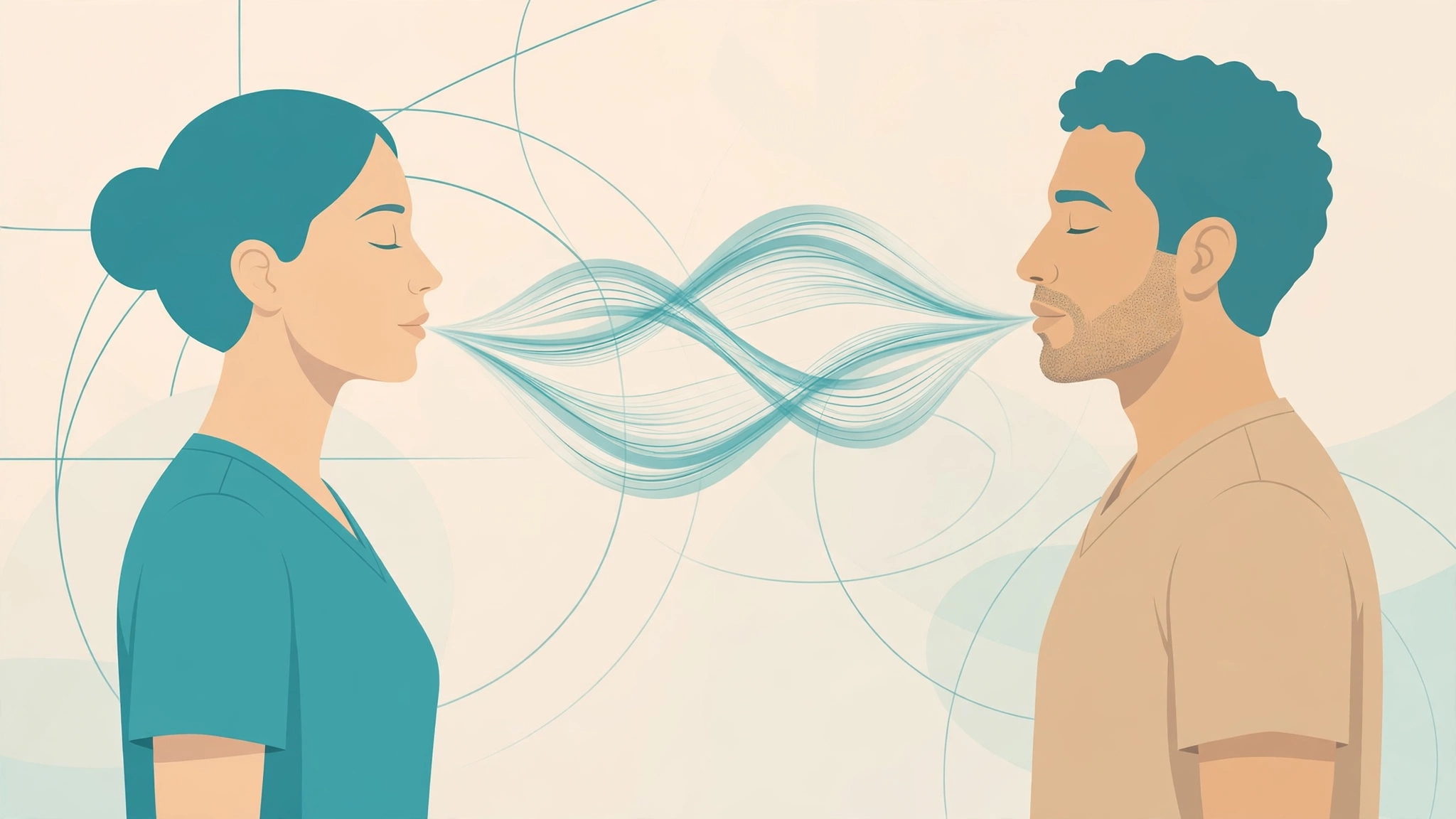
Applied to a relationship, mindfulness and intimacy meet in one simple idea: intimacy grows when two people can be fully present with each other — with what they feel inside, and with what their partner is experiencing — instead of performing, judging, or mentally checking out.
Why Presence Is the Missing Ingredient in Modern Intimacy
Three modern forces pull couples out of the present moment more than any previous generation experienced:
- Digital distraction. Research on “phubbing” (phone snubbing) consistently links partner phone use during shared time to lower relationship satisfaction. A phone on the table is not neutral; it signals divided attention.
- Performance pressure. Worrying about whether arousal will happen, last, or satisfy a partner creates a self-fulfilling cycle: anxiety activates the stress response, and the stress response dampens the very responses the person is anxious about.
- Emotional autopilot. Long-term couples develop scripts — the same arguments, the same assumptions, the same rushed physical routine. Habit replaces attention, and connection thins out.
Mindfulness and intimacy work because they interrupt all three. Attention training weakens the pull of the phone, observation-without-judgment defuses performance anxiety, and deliberate presence breaks the autopilot. For a broader roadmap on reconnecting when routines have gone stale, see our guide on how to rebuild intimacy in a long-term relationship.
What the Research Says About Mindfulness and Intimacy
Most popular articles on mindfulness and intimacy lean on intuition and anecdote. The clinical research goes further, and it is worth summarizing what it actually shows:
- Mindfulness-based sex therapy for women. In a program of studies led by clinical psychologist Dr. Lori Brotto, mindfulness-based group sex therapy improved sexual desire, arousal, and satisfaction in women reporting low sexual desire — with benefits maintained at follow-up. The treatment trains present-moment attention to bodily sensations rather than anxious self-monitoring.
- Mindfulness training for premature ejaculation. A study of 500 men with premature ejaculation who completed 60 days of mindfulness training reported improved control over ejaculation latency. A separate trial found that mindfulness-based sex therapy improved marital satisfaction in couples coping with premature ejaculation.
- Mindfulness education versus Emotionally Focused Therapy. In a randomized trial with women experiencing couple burnout, eight 90-minute mindfulness education sessions increased couple intimacy, commitment, and happiness — with no significant difference from EFT, a well-established couples therapy.
- The empathy pathway. A 2025 study of married couples found that relational mindfulness increases empathy, which in turn increases marital intimacy — identifying emotional attunement as a measurable mechanism, not just a metaphor.
Clinicians also observe that mindful presence reduces “attachment protest” — the criticism and withdrawal couples use to pull a partner closer, which usually pushes them further away. Noticing the vulnerable feeling underneath the protest (longing, fear of rejection) and naming it calmly is a core move in Emotionally Focused Therapy, and mindfulness is the muscle that makes it possible.
Five Core Mindfulness Practices for Couples
You do not need a meditation cushion or an hour a day. These mindfulness and intimacy practices start at two to five minutes and scale up.
1. Synchronized Breathing (2–5 minutes)
Sit or lie facing each other. Place your hands on each other’s chests or hold hands. One partner sets the rhythm: breathe in together for four counts, out together for six. The extended exhale activates the calming branch of the nervous system. When your mind wanders — and it will — gently return attention to your partner’s breath. This shared rhythm reliably lowers arousal-related anxiety and builds felt connection before any physical contact begins.
2. Mindful Body Scan, Solo or Together (5–10 minutes)
The Mayo Clinic recommends the body scan as a foundational practice: lie down and move attention slowly from toes to head, noticing sensations, emotions, or thoughts attached to each region without trying to fix anything. Couples exploring mindfulness and intimacy can do this side by side, occasionally sharing one-word descriptions (“warm,” “tight,” “buzzing”). Over time, the body scan builds interoceptive awareness — the ability to notice arousal, pleasure, and discomfort cues accurately, which research links to clearer sexual communication.
3. Sensate Focus Exercises
Sensate focus, developed by Masters and Johnson and still used in sex therapy, is essentially structured mindful touch: partners take turns touching each other in non-pressured ways, focusing entirely on the sensations of giving and receiving rather than on arousal or outcome. Gradually the range of touch expands. The explicit rule — no performance, no destination — trains the exact skill behind mindfulness and intimacy: staying with sensation instead of monitoring for results.
4. Mindful Listening (10 minutes, weekly)
Each partner speaks for three uninterrupted minutes about something that matters — a desire, a worry, a memory. The listener does not plan a reply, problem-solve, or judge; they simply absorb words, tone, and body language. Then the listener reflects back what they heard. This is harder than it sounds and remarkably intimacy-building when it works: being truly heard is one of the most reliable predictors of relationship satisfaction.
5. Conscious Touch and Eye Gaze
Small, deliberate moments of mindfulness and intimacy accumulate over time. When you hug, feel the embrace rather than patting a partner’s back on autopilot. Hold hands and notice warmth and pressure. Spend one minute looking into each other’s eyes with soft, non-demanding attention. Couples therapists report that sustained eye contact activates attachment circuitry and can produce surprising emotional intensity — in a good way.
The 14-Day Mindfulness and Intimacy Plan
Most couples starting mindfulness and intimacy training benefit from a progressive structure rather than random exercises. This two-week plan layers skills — attention first, then communication, then physical presence. Each session takes 10–20 minutes.
| Days | Focus | Daily Practice |
|---|---|---|
| 1–2 | Attention | Solo body scan, 5 minutes; one phone-free meal together |
| 3–4 | Breath | Synchronized breathing, 3 minutes; no screens in the bedroom |
| 5–6 | Listening | Mindful listening session, 10 minutes; practice pausing before replying in one disagreement |
| 7 | Touch | Conscious touch day: five deliberate, present hugs or hand-holds |
| 8–10 | Body awareness | Sensate focus round one: structured, non-pressured partner touch, 15 minutes |
| 11–12 | Vulnerability | “Loves, fears, desires” conversation: each partner answers all three with the other only listening |
| 13–14 | Integration | Repeat your two favorite practices; schedule one recurring weekly mindfulness moment together |
Notice that nothing in this plan is graphic or prescriptive about sexual technique. That is deliberate: mindfulness and intimacy improve fastest when the pressure to perform is removed first. Couples who want to layer these skills into their physical relationship can do so gradually, keeping the same attitude — attention over achievement.

Working Through the Mental Barriers
The most common obstacles to mindfulness and intimacy are not a lack of love — they are habits of mind. Here is how clinicians suggest handling each:
- Performance anxiety. When self-critical thoughts appear during intimacy, notice them as events (“I am having the thought that I need to perform”) rather than facts. Then redirect attention to breath, warmth, or the sensation of your partner’s hand. Cognitive defusion — treating thoughts as passing mental weather — is the mechanism that deflates anxiety’s self-fulfilling cycle.
- Intrusive or distracting thoughts. Do not fight the wandering mind; fighting keeps you engaged with the thought. Label it silently (“planning,” “worrying”) and return to the body. Each return is one repetition of the presence muscle.
- Body image self-criticism. Observation without reaction gradually weakens negative self-talk. Some couples find it helpful to practice mindful touch in soft lighting or partially clothed at first, expanding comfort zones slowly. If body image distress is persistent, it is a legitimate reason to seek counseling.
- Attachment patterns. Anxiously attached partners often monitor their partner for reassurance; avoidantly attached partners withdraw from closeness. Mindfulness helps both notice the pattern as it fires — the anxious urge to cling, the avoidant urge to flee — and choose a small, different response.
- Past trauma. Mindfulness can be genuinely difficult for trauma survivors, because stillness can invite flashbacks or dissociation. If being present feels unsafe rather than merely uncomfortable, work with a trauma-informed therapist rather than pushing through alone.
When Mindfulness Isn’t Enough: See a Doctor
Mindfulness is a wellness skill, not a medical treatment. It cannot diagnose or fix underlying conditions, and framing it as a cure for everything is misleading. Doctors recommend seeking medical evaluation when intimacy problems include:
- Persistent erectile difficulties, premature or delayed ejaculation, or loss of desire that lasts weeks to months
- Pain during sex, unusual bleeding, or noticeable changes in arousal or orgasm — these can signal hormonal shifts, pelvic floor dysfunction, endometriosis, or other treatable conditions
- Symptoms of depression or anxiety disorder, or side effects from medications such as antidepressants that affect sexual function
- History of sexual trauma, or mindfulness practice that triggers panic, dissociation, or overwhelming distress
A primary care physician or urologist/gynecologist can evaluate hormonal, vascular, neurological, and medication-related causes, and refer to a certified sex therapist when the issue is primarily relational. These mindfulness and intimacy skills then become a complement to treatment — not a substitute for it. If you are unsure whether your situation needs professional help or a different approach, read our guide on sex therapy versus couples therapy.
FAQs
How can mindfulness and intimacy improve with just a few minutes a day?
Mindfulness strengthens attention and emotional regulation like exercise strengthens a muscle, so short daily sessions compound. Even five minutes of breath awareness or a mindful pause before reacting builds the neural pathways for presence. Couples typically notice better listening, less reactivity in arguments, and warmer physical connection within two to three weeks of consistent daily practice.
Can mindfulness help with performance anxiety during sex?
Yes. Performance anxiety works by hijacking attention into anxious self-monitoring, which dampens arousal. Mindfulness redirects attention to present-moment sensations — breath, touch, warmth — breaking the self-fulfilling cycle. Studies on mindfulness training for erectile concerns and premature ejaculation report improved control and satisfaction, though persistent symptoms still deserve a medical evaluation.
What are the simplest mindfulness exercises for couples to start with?
Begin with synchronized breathing for two to three minutes, then add mindful listening sessions once a week and five deliberate, present touches per day. The Mayo Clinic also recommends foundational solo practices like body scans and sitting meditation for five to fifteen minutes. Start small, keep sessions short, and let consistency matter more than duration in your first month of mindfulness and intimacy practice.
Does mindfulness improve sexual satisfaction for women specifically?
Clinical trials suggest it can. Dr. Lori Brotto’s mindfulness-based group sex therapy programs improved desire, arousal, and satisfaction in women with low sexual desire, with gains maintained at follow-up. The mechanism appears to be better interoceptive awareness — noticing arousal and pleasure cues — plus reduced anxiety-driven distraction. Results vary, and coexisting medical causes should be evaluated by a clinician.
How do I stop intrusive thoughts from ruining intimate moments?
Do not try to force thoughts away — suppression usually backfires. Instead, label the thought (“I’m planning again”), let it pass without engagement, and gently return attention to a physical anchor like your breath or your partner’s hand. This notice-and-return cycle is the core mindfulness skill; each repetition weakens the thought’s pull and builds your capacity to stay present.
Should we try mindfulness or couples therapy first?
Mindfulness practices are a sensible first step for general disconnection, stress-related desire dips, and communication ruts. Consider couples therapy or sex therapy when problems persist for months, involve pain or significant distress, or stem from trauma or deep attachment wounds. The two complement each other well: mindfulness builds the presence skills that make therapy sessions more productive.
Presence is the most underestimated ingredient in connection — and the heart of mindfulness and intimacy. Start with ten mindful minutes tonight — synchronized breathing, one real conversation, a phone left face-down — and notice how quickly being truly with your partner changes the quality of being together. Talk to your doctor if intimacy concerns persist, and explore our related guides to keep building a calmer, more connected relationship.
Medical disclaimer: This article is for educational purposes only and does not constitute medical advice. Mindfulness practices can support wellbeing, but they cannot diagnose or treat medical conditions. If you experience persistent sexual difficulties, pain, or emotional distress, consult a qualified healthcare professional for personalized evaluation and treatment.