Varicocele and Fertility: Causes, Symptoms, and Treatment
Learning you have a varicocele during a fertility evaluation can feel alarming, especially when you are trying to conceive. The link between varicocele and fertility is one of the best-studied topics in men’s reproductive health, and a varicocele is the most common correctable cause of male infertility. This varicocele and fertility guide covers what a varicocele is, how it affects sperm, how doctors grade it, when treatment is recommended, and what repair can realistically do for a couple’s chances of pregnancy.
What Is a Varicocele?
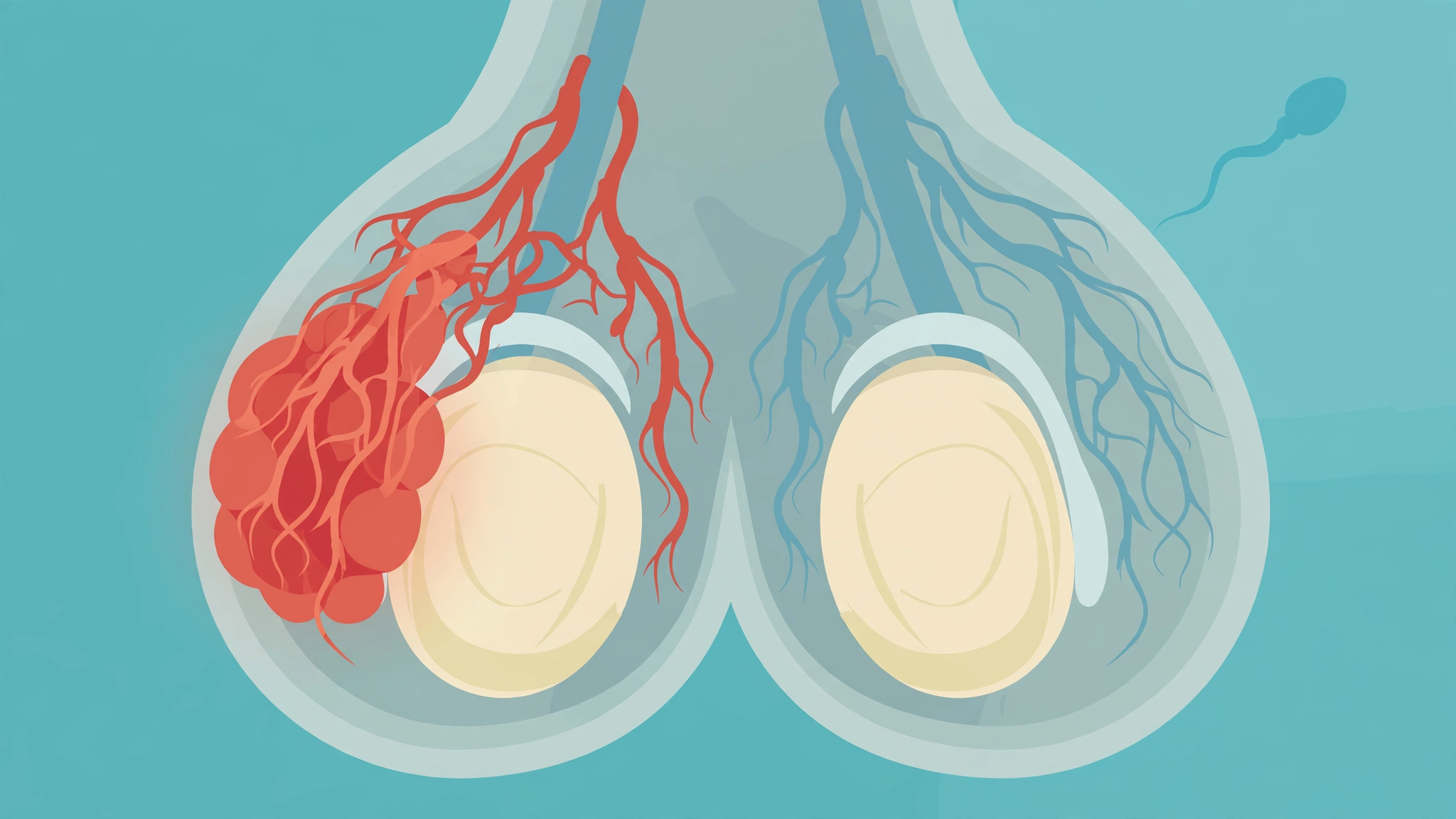
A varicocele is an enlargement of the veins inside the scrotum, the pouch of skin that holds the testicles. Doctors often describe it as varicose veins of the scrotum, because the mechanism is the same: small one-way valves inside the veins fail, blood pools instead of flowing efficiently back toward the heart, and the veins stretch and swell.
Varicoceles are remarkably common. They affect roughly 15 to 20 percent of all men and are found in about 35 to 40 percent of men evaluated for infertility, which is why varicocele and fertility are so often discussed together. They most often develop during puberty and tend to grow slowly over time.
They are also overwhelmingly left-sided, because the left testicular vein drains into the left renal vein at a near right angle, creating higher pressure. A right-sided varicocele appearing suddenly in an older man warrants closer investigation, since unusual patterns can occasionally signal a blockage elsewhere in the abdomen. The Mayo Clinic’s overview of varicocele symptoms and causes describes these presentations in detail.
Varicocele and Fertility: How the Connection Works
The relationship between varicocele and fertility comes down to environment. Sperm develop in the testicles under very specific conditions, and pooled blood disrupts them in several ways:
- Heat. The testicles hang outside the body because sperm production requires a temperature slightly below core body temperature. A varicocele acts like a radiator, raising scrotal temperature and slowing or damaging sperm production.
- Oxidative stress. Stagnant blood delivers less oxygen and generates reactive oxygen species, which can damage sperm membranes and DNA.
- DNA fragmentation. Even when sperm counts look acceptable, varicocele-related oxidative damage can fragment sperm DNA, which is linked to lower natural pregnancy rates and higher miscarriage risk.
- Reflux of waste products. Reversed blood flow can carry metabolites from the kidney and adrenal areas back toward the testicle, further impairing sperm development.
- Hormonal shifts. Research associates varicoceles with lower testosterone production and higher levels of follicle-stimulating hormone (FSH) and luteinizing hormone (LH), signs that the testicles are working harder for less output.
The classic pattern on a semen analysis is sometimes called the “stress pattern”: lower-than-expected sperm count, reduced forward motility, and a higher share of abnormally shaped sperm. But not every man with a varicocele shows it. Many men with varicoceles have completely normal semen and father children without difficulty, which is why evaluation matters more than the diagnosis alone.
The Grading System Doctors Use
Doctors grade the varicocele first, because the grade — with symptoms and semen results — shapes every varicocele and fertility treatment decision:
- Grade 1 (small): The varicocele can only be felt when the man bears down, as during a Valsalva maneuver (breathing out against a closed airway, like straining). It is not visible and cannot be felt at rest.
- Grade 2 (moderate): The enlarged veins can be felt without any straining, but they are not visible through the skin.
- Grade 3 (large): The varicocele is visible through the scrotal skin at rest, often described as looking or feeling like a “bag of worms.”
Research on varicocele and fertility shows that higher grades correlate with worse average semen parameters and greater testicular effects, but the relationship is not absolute. A grade 3 varicocele does not automatically require surgery, and a grade 1 varicocele can still matter in the right context. What matters most is the functional picture: the grade, the semen analysis, the hormone levels, and the couple’s fertility history taken together.
There is also a category called subclinical varicocele — one that cannot be felt on exam at all and is only visible on ultrasound. Where varicocele and fertility are concerned, guidelines generally recommend against treating these, because repair has not been shown to meaningfully improve semen quality or pregnancy rates in these cases.
Symptoms of Varicocele
Most varicoceles cause no symptoms and are discovered incidentally during a sports physical, a routine exam, or an infertility workup. For men concerned about varicocele and fertility, the absence of pain does not guarantee normal sperm production. Men researching varicocele and fertility often want to know which symptoms actually signal a fertility problem. When symptoms do appear, they may include:
- A dull, aching pain or heavy sensation in the scrotum, often worse when standing or late in the day and relieved by lying down
- Visible or palpable enlarged veins above the testicle, classically described as feeling like a bag of worms
- One testicle noticeably smaller than the other (testicular atrophy)
- Difficulty conceiving, in the setting of abnormal semen results
Pain alone is a legitimate reason to seek evaluation. Doctors usually recommend conservative measures first — an athletic supporter, over-the-counter pain relief, and activity adjustments — and consider repair only when pain persists and clearly interferes with daily life. For men whose main worry is varicocele and fertility rather than pain, the semen analysis is the deciding factor.
How Doctors Diagnose It
Diagnosis of varicocele and fertility problems usually starts with a physical examination, performed both standing and lying down. The urologist feels the scrotum at rest and during a Valsalva maneuver, since many smaller varicoceles only become palpable when abdominal pressure rises.
If the exam is unclear, or before planning treatment, doctors order a scrotal Doppler ultrasound. This painless imaging test measures vein diameter and confirms reversed blood flow, giving the clearest picture of how a varicocele and fertility may be connected in your case. It also measures testicular volume, which matters especially in adolescents, where a persistent size difference of more than about 20 percent between testicles is a recognized reason to intervene early.
For men in a couple struggling to conceive, the workup always includes at least two semen analyses and basic hormone testing. A careful diagnosis is the foundation of every varicocele and fertility treatment decision, which is never based on the varicocele alone.
Varicocele and Testosterone: The Sexual-Function Connection
One of the questions men researching varicocele and fertility worry about most is whether a varicocele affects masculinity and sexual function. Varicoceles are associated with lower testosterone levels, and studies of men undergoing repair have found that successful treatment often raises testosterone, alongside better libido and erection quality.
For men worried about varicocele and fertility together, the reassuring news is this: properly performed varicocele repair does not harm sexual function. The operation targets veins, not the arteries, nerves, or structures involved in erection and ejaculation. For broader hormone concerns, our guides on testosterone and prostate health and the common causes of low libido worth ruling out first can help frame the wider picture.

When Doctors Recommend Repair — and When They Don’t
Major guidelines, including those from the American Urological Association (AUA) and the American Society for Reproductive Medicine (ASRM), converge on a clear set of indications. For couples facing varicocele and fertility challenges, doctors generally recommend repair when all of the following are true:
- A palpable (clinical) varicocele is present — not one seen only on ultrasound
- Abnormal semen parameters are documented on at least two analyses
- The couple has otherwise unexplained infertility
- The female partner has good ovarian reserve, since waiting three to six months for sperm recovery may not be wise when the female partner’s fertility window is limited
Additional accepted indications include testicular growth arrest in adolescents, chronic scrotal pain that resists conservative treatment, and in some cases hypogonadism (low testosterone) linked to the varicocele. In all of these situations, the link between varicocele and fertility should be part of the discussion.
Equally important is knowing when not to treat. Doctors usually recommend observation when the man has no symptoms, normal semen and hormone results, and no fertility concerns. Watchful waiting with periodic re-evaluation is the standard approach, because unnecessary surgery carries small but real risks with no proven benefit.
Treatment Options Compared
When repair is indicated, there are three main approaches for varicocele and fertility patients. All share the same goal: stop blood pooling in the faulty vein so flow redirects through healthy veins.
- Microsurgical varicocelectomy. Through a small groin incision, the surgeon uses an operating microscope to tie off the enlarged veins while sparing arteries and lymphatic channels. Widely considered the gold standard for varicocele and fertility treatment, with the highest success rates and lowest recurrence and complication rates.
- Laparoscopic repair. Performed through small abdominal incisions with a camera. Effective but usually reserved for specific cases, since recurrence can be slightly higher than with microsurgery.
- Embolization. A radiologist threads a catheter through a vein and blocks the abnormal vein from the inside with coils or a sclerosing agent. No surgical incision and rapid recovery, though it is not available everywhere.
Possible complications of any repair include fluid buildup around the testicle (hydrocele), recurrence of the varicocele, infection, injury to the testicular artery, and, rarely, testicular atrophy. Microsurgery keeps these risks lowest — often well under a few percent in experienced hands. For an evidence-based summary of what treatment can and cannot achieve, see InformedHealth’s review of whether varicocele treatment improves fertility.
Repair and Assisted Reproduction: What Couples Should Know
For couples already considering in vitro fertilization (IVF) or intracytoplasmic sperm injection (ICSI), a common question is whether varicocele repair still makes sense when varicocele and fertility treatment plans intersect:
- Repair can downgrade the needed treatment. Improved semen quality after repair sometimes allows couples to move from ICSI to conventional IVF, or even to conceive naturally.
- Timing matters. Sperm production cycles take about 72 to 74 days, so semen improvements typically begin three to six months after repair and can continue for up to a year. Couples with limited time may proceed directly to assisted reproduction rather than waiting.
- Repair before IVF may improve outcomes. Repairing a clinically significant varicocele can improve semen parameters used in IVF and reduce sperm DNA fragmentation, which is associated with better embryo quality.
- It is not an either-or choice. Many couples repair the varicocele and continue with assisted reproduction planning in parallel, using the waiting period for the female partner’s evaluation.
The right sequence for varicocele and fertility care is a decision for the couple and their fertility specialist, based on semen results, varicocele grade, the female partner’s status, and how long they have already been trying.
Recovery: What to Expect After Repair
Varicocele repair is typically an outpatient procedure lasting 30 to 60 minutes. Most men return to light activity within a day or two, while doctors usually advise avoiding strenuous exercise, heavy lifting, and sexual activity for about one to two weeks.
Semen improvements follow the sperm production cycle: the first repeat analysis is usually scheduled around three months after surgery, with further improvement possible over six to twelve months. For couples tracking varicocele and fertility outcomes, natural pregnancy, when it happens, most commonly occurs within six to twelve months of repair.

Common Myths About Varicocele
- “A varicocele means I am infertile.” Not true. Many men with varicoceles have normal fertility. It reduces the odds; it does not eliminate them.
- “It was caused by masturbation, tight underwear, or heavy lifting.” There is no good evidence that these cause varicoceles. The underlying cause is faulty vein valves, likely present from birth.
- “Surgery guarantees pregnancy.” Repair improves the odds — research on varicocele and fertility shows treated couples with palpable varicoceles and poor sperm quality have better pregnancy chances — but it cannot guarantee conception.
- “Small varicoceles never matter.” Usually low-impact, but in the context of abnormal semen and infertility, even smaller palpable varicoceles are taken seriously.
- “It will go away on its own.” Varicoceles do not resolve spontaneously. Mild, asymptomatic cases can be safely observed, but where varicocele and fertility are both concerns, observation should include periodic semen checks rather than indefinite waiting.
When to See a Doctor
Schedule an evaluation with a urologist if you notice a dull ache or heaviness in the scrotum, visible or palpable enlarged veins, one testicle noticeably smaller than the other, or if you and your partner have been trying to conceive for 12 months without success (or 6 months if the female partner is over 35). When varicocele and fertility concerns overlap, earlier evaluation protects your options. For teenagers, parents should ensure annual wellness visits include testicular checks, since early detection of growth differences can protect future fertility.
FAQs
Can I still have children if I have a varicocele?
Yes — having a varicocele does not mean you are infertile. Most men with varicoceles father children naturally. A varicocele reduces fertility odds by impairing sperm production, but the degree varies widely. A semen analysis and hormone testing show how much varicocele and fertility are linked in your individual case, and many couples conceive without any treatment.
Will varicocele surgery improve my fertility?
When the standard criteria are met — a palpable varicocele plus abnormal semen parameters in an infertile couple — repair often improves sperm count, motility, and shape, and increases the chance of natural pregnancy. Research shows semen quality improves in a majority of treated men, usually starting three to six months after the procedure.
Does treating a varicocele affect sexual function or masculinity?
No. Properly performed varicocele repair does not harm sexual function, erections, or ejaculation, because the surgery targets veins only. In fact, because varicoceles can suppress testosterone, many men report improved testosterone levels, libido, and erection quality after successful treatment.
Can a varicocele go away on its own?
No, varicoceles do not resolve spontaneously — the faulty vein valves do not repair themselves. However, many mild, painless varicoceles with normal semen results never need treatment and can simply be monitored. Observation is a valid, guideline-supported approach when fertility and testicular function are normal.
How long after surgery will my sperm improve?
Because a full sperm production cycle takes about 72 to 74 days, doctors usually check the first follow-up semen analysis around three months after repair. Improvements often continue over six to twelve months. Natural pregnancies after repair most commonly occur within the first year, though results vary by individual.
Should we repair the varicocele before trying IVF or ICSI?
It depends on your timeline and test results. Repair can improve semen quality enough to downgrade the level of assisted reproduction needed, or even enable natural conception. But if the female partner’s fertility window is limited, doctors may recommend proceeding directly to assisted reproduction. Discuss the timing trade-off with your fertility specialist.
Medical disclaimer: This article is for educational purposes only and does not constitute medical advice. Varicocele evaluation and treatment depend on individual clinical findings that only a qualified healthcare professional can assess. If you have symptoms or fertility concerns, please consult a urologist or reproductive medicine specialist.
If varicocele and fertility concerns are affecting your plans, the most productive next step is a conversation with your doctor — bring your questions, your semen results, and your timeline.