Performance Anxiety in Bed: Causes and How Couples Help
Performance anxiety in bed is one of the most common and least talked-about sexual health concerns. Research cited by the Cleveland Clinic suggests up to 25% of men and 16% of women experience it, yet most people suffer in silence — and so do their partners. The cruel irony is that this anxiety is self-fulfilling: the fear of not performing well in the bedroom triggers a stress response that makes arousal physically harder, which then “confirms” the fear and deepens the cycle. The good news is that this anxiety is highly treatable, and couples who face it together usually come out stronger.
What Performance Anxiety in Bed Actually Is
Performance anxiety in bed happens when feelings of fear, worry, or embarrassment about sexual performance interfere with sexual interest, arousal, or pleasure. It is not itself a formal medical diagnosis — doctors describe it as a type of situational anxiety, similar to the nerves you feel before public speaking — but it can be linked to broader anxiety disorders and it can genuinely disrupt a couple’s intimate life.
Typical anxious thoughts include: “What if I can’t stay aroused?”, “Will my partner think I’m unattractive?”, “What if I finish too quickly?”, or “What if my partner is disappointed?” These worries can affect anyone, regardless of sex or gender, and can appear suddenly in a previously healthy sex life or develop gradually over years.
The Anxiety-Arousal Cycle: Why Worry Blocks Pleasure
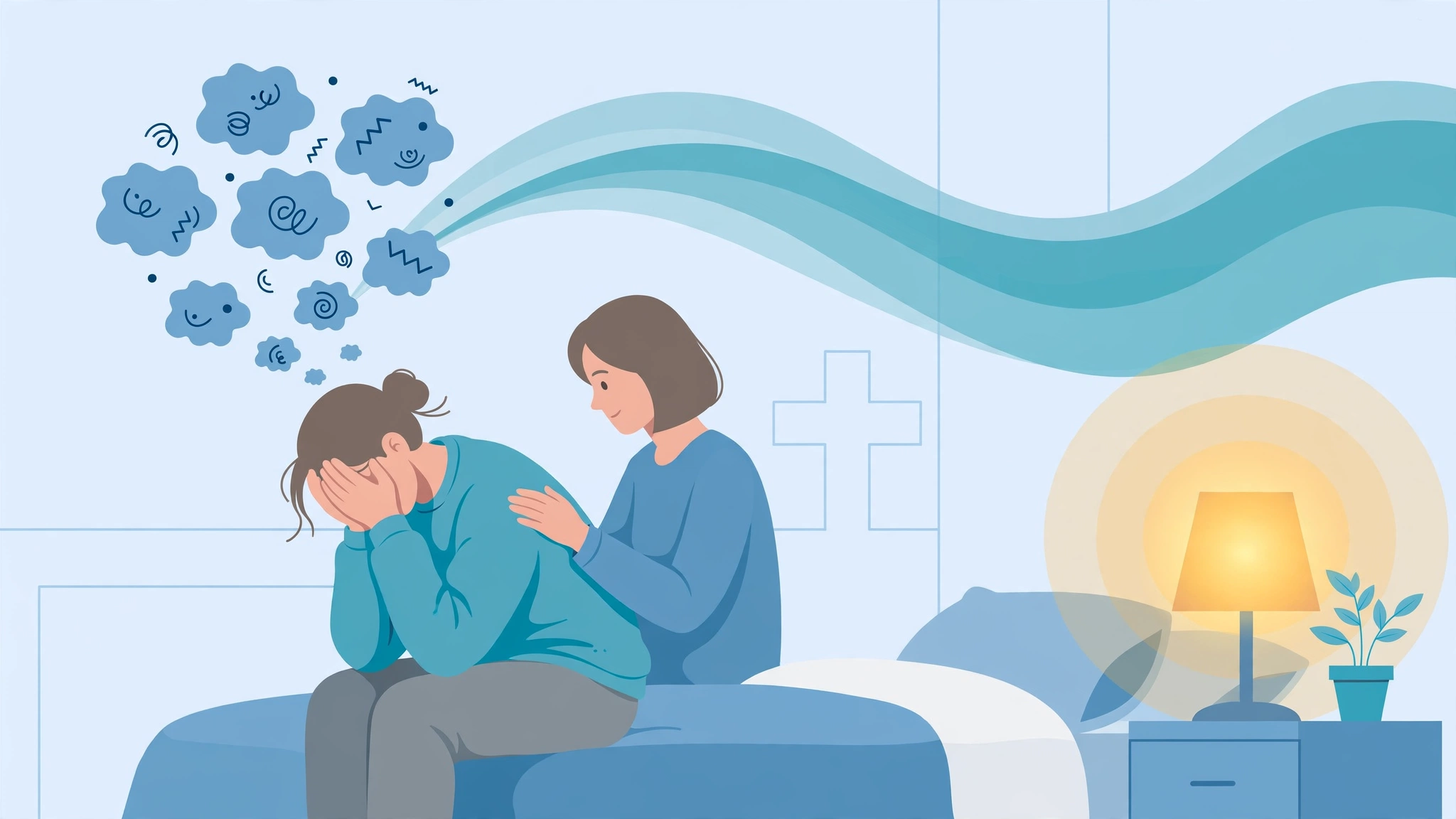
Understanding the biology behind performance anxiety in bed makes it far easier to break. Sexual arousal is controlled by the parasympathetic nervous system — the body’s “rest and connect” mode. Anxiety activates the opposite system: the sympathetic nervous system, your fight-or-flight response. When you start mentally monitoring your own performance in bed — a pattern therapists call “spectatoring” — your brain misclassifies intimacy as a threat. It releases stress hormones like adrenaline and cortisol, tightens muscles, and redirects blood flow away from the genitals. Arousal and erection physiologically require blood flow to the genitals, so anxiety literally makes the feared outcome more likely.
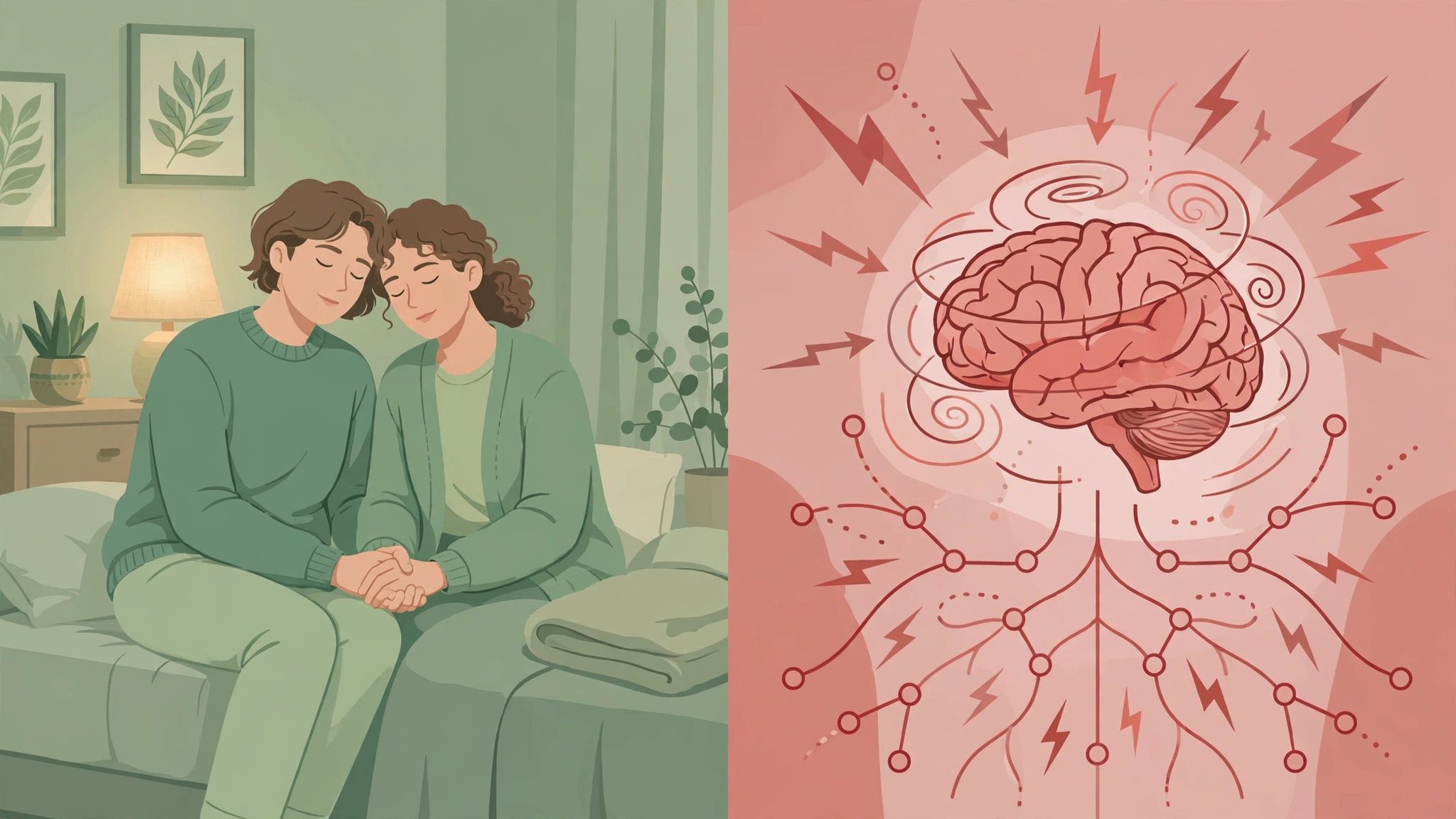
This is why the classic cycle forms: worry leads to reduced arousal, reduced arousal feels like confirmation of the fear, and the next encounter begins with even higher stakes. The body is not failing — it is executing a perfect stress response to a situation the mind has wrongly labeled dangerous. Breaking the pattern starts with breaking this monitoring loop, not with “trying harder.”
Common Causes of Performance Anxiety in Bed
Clinicians at institutions like the Cleveland Clinic and Mayo Clinic group the causes into psychological, relational, and medical factors:
- Negative past experiences. A previous episode of erectile difficulty, pain, rejection, or an awkward encounter can leave a lasting imprint that raises the stakes of every future encounter.
- New relationships. The desire to impress a new partner, unfamiliar routines, and uncertainty about expectations significantly raise anxiety levels.
- Body image concerns. Feeling self-conscious about weight, shape, or appearance pulls attention out of the moment and into self-criticism.
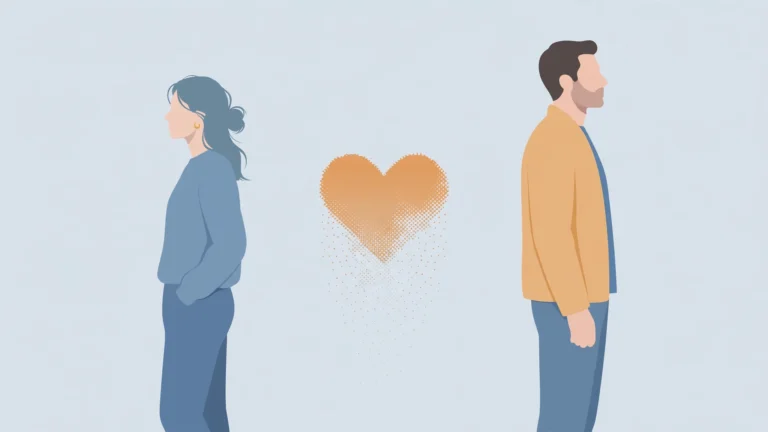
- Relationship tension. Unresolved conflict, resentment, trust issues, or feeling emotionally disconnected commonly show up as anxiety during intimacy.
- Unrealistic expectations. Pornography, films, and social comparison set benchmarks real intimacy was never designed to meet.
- General stress and mental health. Work pressure, financial strain, depression, or generalized anxiety disorder all raise the baseline likelihood of performance anxiety in bed.
- Past trauma. A history of sexual trauma or abuse can significantly affect sexual comfort and pleasure and deserves professional, trauma-informed support.
- Medical causes and medications. Some antidepressants, blood pressure medications, hormonal changes, diabetes, or cardiovascular issues can affect arousal directly — and the resulting worry then layers anxiety on top. Doctors always recommend ruling these out first.
How Couples Can Help: A Partner’s Support Playbook
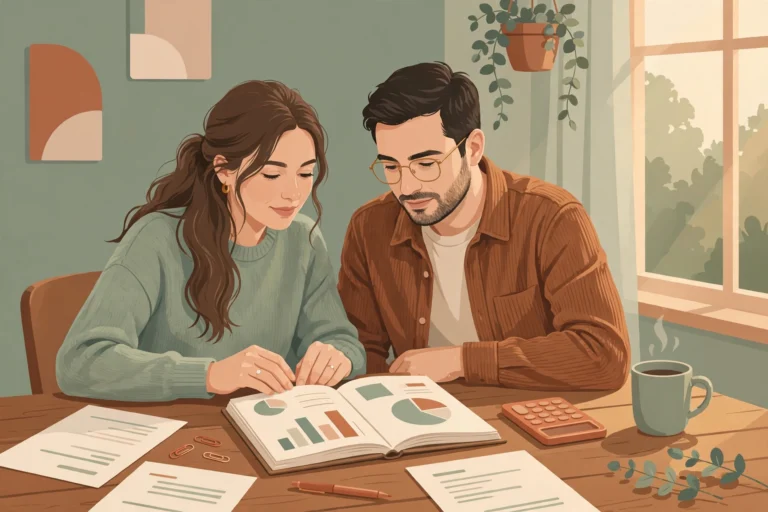
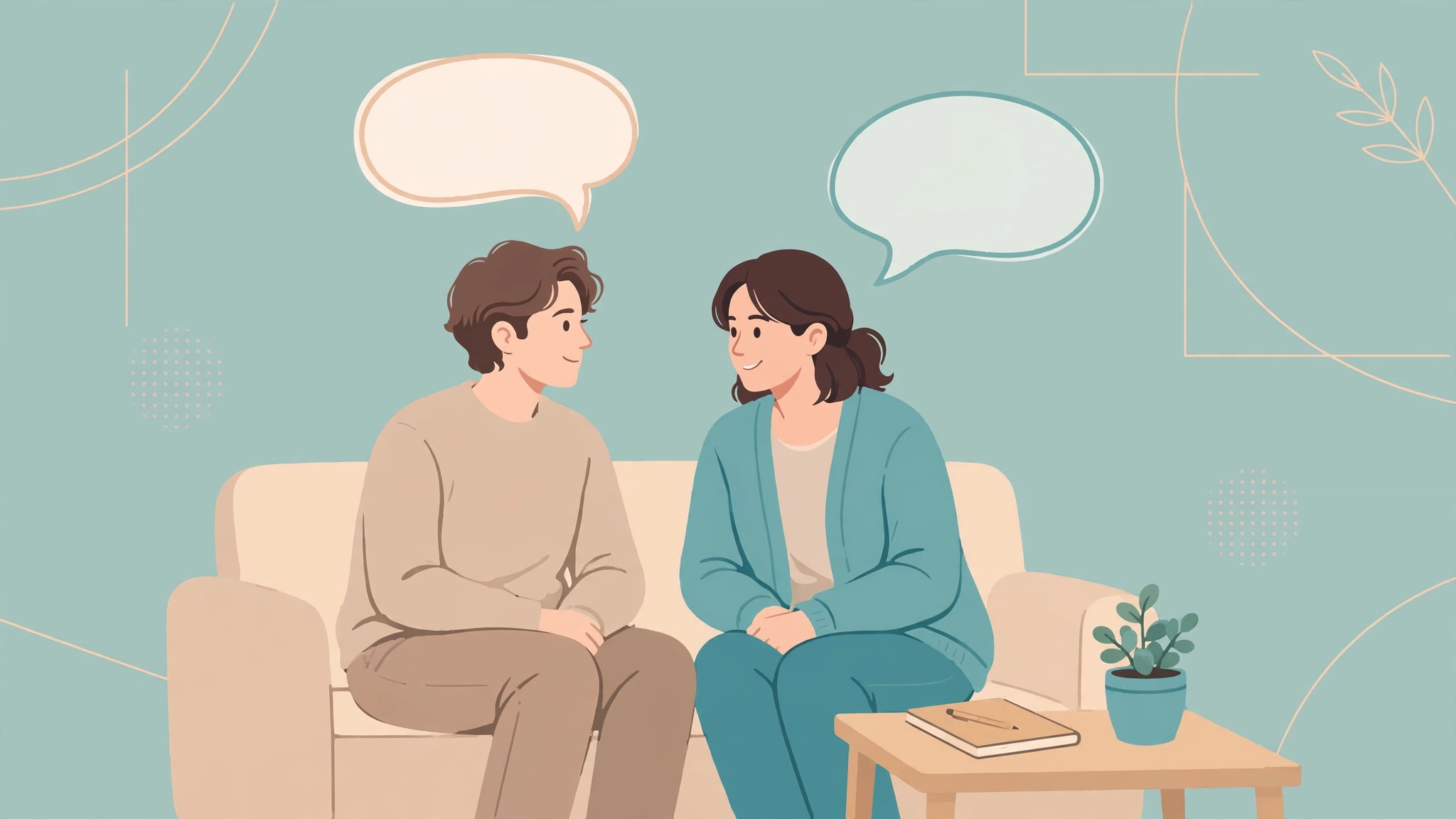
The partner of someone experiencing performance anxiety in bed often feels confused, rejected, or even blamed — which is why communication is the single most powerful intervention. Here is what research-backed couple guidance recommends:
- Name it calmly, without pressure. The anxious partner can say something like: “I’ve noticed I get in my head during intimacy, and it’s not about my attraction to you.” Naming it removes the secrecy that feeds anxiety.
- Agree on a “no-goal intimacy” period. Many sex therapists recommend a short agreement — for example, two weeks — where physical closeness happens with the explicit rule that nothing “has to” lead anywhere. Removing the pass/fail test often lets arousal return on its own.
- Shift from performance to pleasure. Instead of measuring duration or outcomes, redirect attention to what feels good in the present moment. Sensual touch, massage, and unhurried closeness all count as intimacy.
- Avoid reassurance that adds pressure. Well-meaning comments like “just relax” or “it’s fine, it happens to everyone” can feel dismissive. Better: “I’m here, there’s no rush, and I enjoy being close to you.”
- Check your own expectations. Partners sometimes unknowingly add pressure with comments about frequency or “how it used to be.” A honest conversation about what each person wants — covered in our guide to talking about sex with your partner — prevents silent resentment.
Sensate Focus: A Proven Exercise Couples Can Try at Home
One of the most evidence-supported techniques for sexual performance anxiety is sensate focus, developed by researchers Masters and Johnson and still prescribed by certified sex therapists. The idea is simple: take intercourse and orgasm temporarily off the table, and relearn relaxed, pleasure-focused touch. A basic progression:
- Stage 1 — Non-genital touch. Take turns touching each other’s bodies (back, arms, legs, shoulders) for 15–20 minutes, focusing only on the sensation of touching and being touched. No goal, no escalation.
- Stage 2 — Include more intimate areas. When both partners feel relaxed, gradually include the breasts and genitals — still with no expectation of intercourse.
- Stage 3 — Reintroduce intercourse gently. Only when anxiety has noticeably eased, resume intercourse at a comfortable pace, with permission to pause at any time.
The exercise works because it retrains the nervous system: touch becomes associated with calm and pleasure instead of evaluation. Many couples report improvements within a few sessions, though persistent cases benefit from doing it alongside therapy.
Performance Anxiety in Bed in Women
Performance anxiety is discussed less often in women, but research suggests it affects roughly 1 in 6 women. The pattern is the same — self-monitoring instead of sensory presence — but the physical effects differ: difficulty with arousal and lubrication, reduced desire, and trouble reaching orgasm. Common drivers include body image pressure, worries about pleasing a partner, fear of pain, and the lingering effects of inadequate sex education that framed women’s pleasure as secondary.
The same strategies apply: open communication, the no-goal intimacy approach, and learning how arousal actually works (for example, understanding that most women need extended stimulation beyond intercourse alone) can dramatically reduce anxiety. If anxiety is tied to pain during sex, hormonal changes such as menopause, or a history of trauma, a doctor or pelvic-health specialist should be part of the plan.
When to See a Doctor
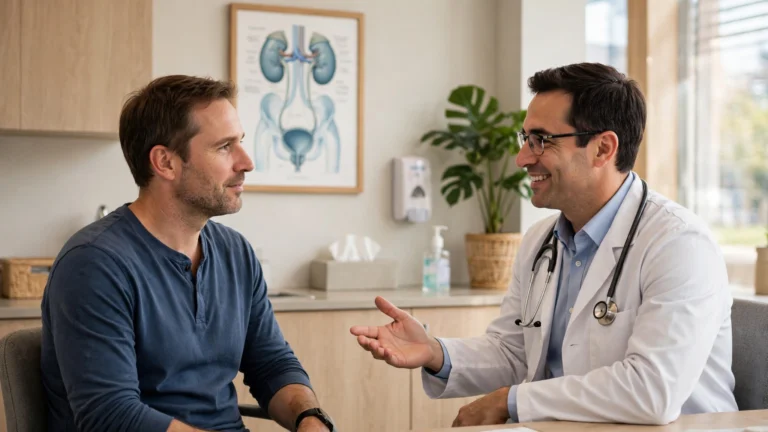
Persistent performance anxiety deserves medical attention — not embarrassment — when it persists for more than a few weeks, causes you to avoid intimacy, strains your relationship, or is accompanied by physical symptoms such as persistent erectile difficulty or pain. A doctor will typically take a sexual history (how long the anxiety has lasted, which thoughts interfere, current medications, and general health) and may run tests to rule out hormonal, cardiovascular, or medication-related causes. You can read more about how everyday stress affects sexual function in our article on stress and erectile dysfunction.
What doctors usually recommend, depending on findings, includes: cognitive behavioral therapy (CBT) or sex therapy to rework anxious thought patterns; treating any underlying physical cause; lifestyle changes such as regular exercise, better sleep, and reduced alcohol use; and, in appropriate cases, medications prescribed after proper evaluation. For broader clinical guidance, the Cleveland Clinic’s overview of sexual performance anxiety and WebMD’s causes-and-treatments guide are reliable starting points to discuss with your own clinician.
The In-the-Moment Reset: A 3-Step Technique for When Anxiety Strikes
What do you do when the monitoring loop has already started — mid-intimacy, heart racing, mind spinning? Therapists who specialize in sexual anxiety teach a simple in-the-moment reset that works with your nervous system rather than against it:
- Name it without judgment. Silently note what is happening: “I’m anxious right now, and that’s okay.” The part of you that can observe the anxiety is already separate from it, which begins to break the loop.
- Anchor in one sensation. Drop your full attention into a single physical sensation — the warmth of your partner’s hand, the rhythm of their breathing, the feeling of the sheets. Sensory presence and self-monitoring cannot occupy the same moment.
- Take one slow belly breath. A long exhale through the nose stimulates the vagus nerve and signals the nervous system to shift from fight-or-flight back toward the rest-and-connect state where arousal lives.
You can even share this technique with your partner in advance, so pausing for a breath together feels like teamwork rather than an interruption.
Performance Anxiety in Bed: Myths vs Facts
| Myth | Fact |
|---|---|
| It only affects men. | It affects all genders; research suggests roughly 16% of women experience it too. |
| It means you are not attracted to your partner. | It is a stress response, unrelated to attraction — many people feel it most with partners they desire deeply. |
| Trying harder will fix it. | Effort fuels the monitoring loop. Relaxation, presence, and communication are what resolve it. |
| Medication is the only real solution. | Medication helps when a physical cause exists, but therapy, sensate focus, and couple strategies resolve many cases without it. |
| Talking about it will make it worse. | Silence feeds anxiety; honest, low-pressure conversation is consistently linked to faster recovery. |
FAQs
What is the main cause of performance anxiety in bed?
The most common cause is worry itself: fear of not satisfying a partner, fear of arousal difficulties, or fear of being judged. This worry activates the stress response, which physically interferes with arousal and creates a self-reinforcing cycle. Past negative experiences, relationship tension, body image concerns, and general life stress are the most frequent underlying triggers doctors identify.
Does performance anxiety in bed go away on its own?
Sometimes — situational anxiety, such as with a new partner, often fades as comfort grows. But when the worry-failure cycle becomes entrenched, it usually persists without intervention because each “failure” reinforces the fear. The encouraging news is that performance anxiety is among the most treatable sexual concerns, responding well to communication, sensate focus exercises, and therapy.
Can performance anxiety in bed cause erectile dysfunction?
Yes. Anxiety triggers stress hormones that narrow blood vessels and redirect blood flow away from the genitals, making erections harder to achieve or maintain even in men with no physical problem. Doctors call this psychogenic erectile dysfunction. A key sign it is anxiety-related: erections during sleep or masturbation remain normal while partnered intimacy is difficult.
How can I talk to my partner about performance anxiety in bed?
Choose a calm, non-sexual moment. Use “I” statements focused on your feelings rather than their behavior: “I get anxious during intimacy and I want us to work through it together.” Reassure them it is not about attraction or desire. Suggest a concrete next step together, such as a no-goal intimacy period or reading a guide on partner communication.
What should my partner do to help with my performance anxiety in bed?
The most helpful partner behaviors are patience, explicit reassurance that there is no pressure, and willingness to explore intimacy without goals. Avoiding criticism, avoiding “fixing” advice in the moment, and participating in exercises like sensate focus together all help. Some couples find attending a therapy session together removes blame and accelerates progress.
Can women get performance anxiety in bed too?
Absolutely — research suggests around 16% of women are affected. In women it often shows up as difficulty getting aroused, reduced lubrication, or trouble reaching orgasm, driven by body image worries, fear of disappointing a partner, or anxiety about pain. The same treatment approaches — open communication, sensate focus, and professional therapy — are effective for all genders.
The Bottom Line
Performance anxiety in bed is not a character flaw, a lack of love, or a permanent condition — it is a treatable stress response that affects a large share of adults at some point. The couples who recover fastest are the ones who treat it as a shared challenge: honest conversation, a temporary no-goal intimacy agreement, exercises like sensate focus, and professional support when needed. If anxiety is keeping you from the intimate life you want, talk to your doctor — help is available, and you deserve a sex life free from fear.
Medical disclaimer: This article is for educational purposes only and is not a substitute for professional medical advice, diagnosis, or treatment. Always seek the advice of a qualified healthcare professional with any questions you may have about a medical condition or sexual health concern.