HIV Testing: When, How, and What to Expect
This HIV testing guide answers the questions most people are quietly Googling at midnight: when should you get tested for HIV, which test should you take, how long after exposure you need to wait, what the appointment actually feels like, and what your results really mean. Whether you are starting a new relationship, planning a pregnancy, or simply want the reassurance of knowing your status, HIV testing is a routine part of modern healthcare — and knowing exactly what to expect takes most of the fear out of it.
The single most important thing to understand up front: the only way to know your HIV status is to get tested. Many people living with HIV have no symptoms for years, and early diagnosis makes an enormous difference — modern treatment allows people with HIV to live long, healthy lives and protect their partners. Think of this HIV testing guide as the reassurance you read before you book — the appointment itself is the easy part.
Who Should Get Tested for HIV?
This HIV testing guide follows the standard advice: everyone aged 13–64 should be tested for HIV at least once as part of routine healthcare, plus more frequent testing if any of the following apply:
- You have had vaginal or anal sex with a new partner, or with more than one partner since your last test.
- You have had sex without a condom, or a condom broke or slipped.
- You have injected drugs and shared needles, syringes, or other equipment.
- You have been diagnosed with another sexually transmitted infection, hepatitis, or tuberculosis — these increase the likelihood of HIV exposure.
- A sexual partner has told you they are living with HIV, or you had sex with someone whose sexual history you do not know.
- You are a man who has sex with men — health agencies generally recommend testing at least yearly, and every 3 to 6 months if you have ongoing risk.
- You are pregnant or planning a pregnancy — testing early protects both you and your baby.
- You and your partner are planning to stop using condoms — many couples test together first.
If none of these apply and you were tested once with a negative result, you are following the standard advice already. If any of them sound familiar, testing sooner rather than later is the smart move — not a reason for shame. Clinics test thousands of people every day — to them, your visit is entirely ordinary.
The Three Types of HIV Tests Explained
HIV testing guide basics start with the test types themselves. The CDC’s HIV testing guidance recognizes three main ones:
1. Antibody tests. After infection, your immune system produces antibodies against HIV. These tests detect those antibodies in blood or oral fluid. Most rapid tests and the FDA-approved at-home self-test are antibody tests. They are reliable but slower to turn positive, because your body needs weeks to build up detectable antibodies.
2. Antigen/antibody tests (4th-generation tests). These detect both HIV antibodies and a viral protein called p24 antigen, which appears in the blood before antibodies do. This is the standard test used in laboratories today, and it can detect infection significantly earlier than antibody-only tests.
3. Nucleic acid tests (NAT). These look for the virus itself — its genetic material (RNA) — rather than your body’s response to it. A NAT detects HIV sooner than any other test type, and is usually reserved for specific situations — such as a very recent possible exposure with early symptoms — because it requires a laboratory blood draw and costs more.
| Test type | What it detects | Earliest detection | Conclusive by |
| NAT (RNA test) | The virus itself | ~10–14 days after exposure | ~33 days |
| Lab antigen/antibody (4th gen, blood draw) | p24 antigen + antibodies | ~18 days after exposure | ~45 days |
| Rapid finger-prick antigen/antibody | p24 antigen + antibodies | ~18–20 days | ~90 days |
| Rapid antibody / oral-fluid self-test | Antibodies only | ~23 days | ~90 days |
The pattern this HIV testing guide wants you to remember is simple: tests done on a blood sample drawn from a vein generally detect HIV sooner than finger-prick or oral-fluid tests.
Window Periods: When This HIV Testing Guide Says to Test
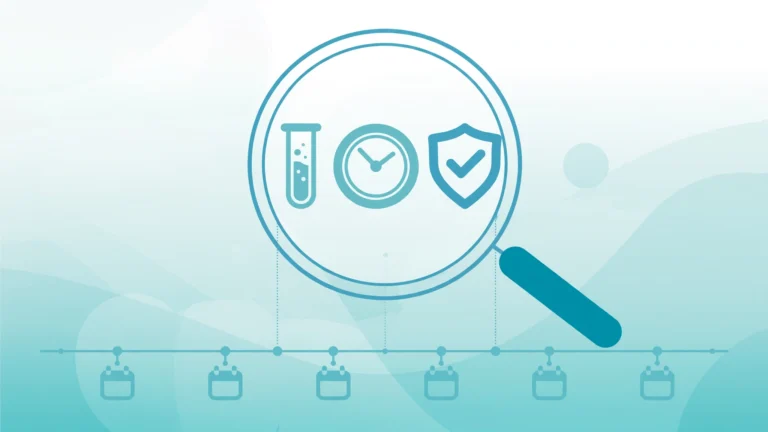
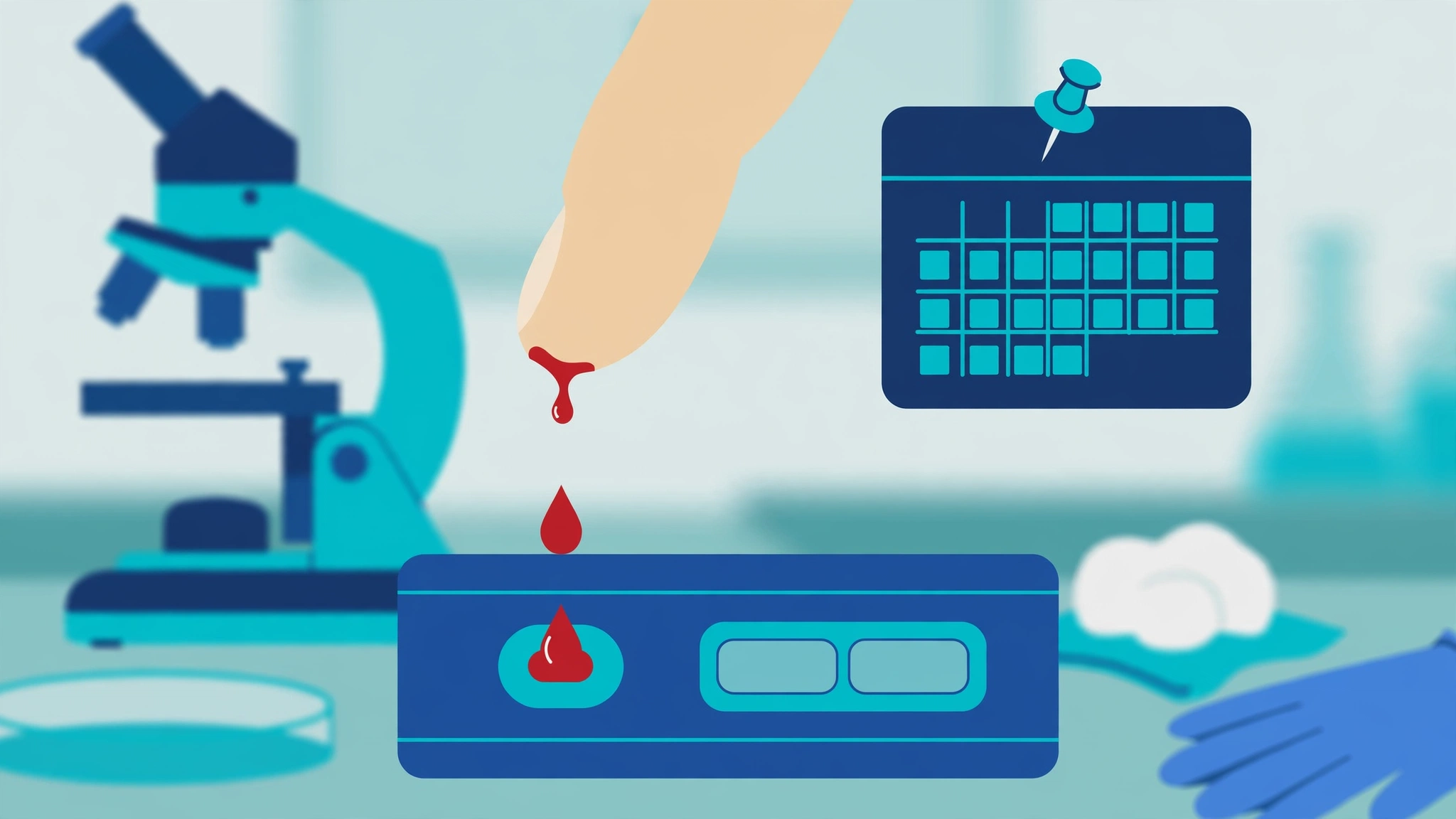
The window period is the time between HIV exposure and when a test can reliably detect the infection. Testing during the window period can produce a false negative — there simply are not enough antibodies or viral markers in your sample yet. This is the part this HIV testing guide most wants you to get right, and published window-period data backs these timelines up.
The practical rules doctors use:
- A negative lab-based antigen/antibody test at 45 days after exposure is considered conclusive for most people.
- A negative rapid test or self-test at 90 days (3 months) after exposure is considered conclusive.
- A NAT can rule out infection much earlier — around 10 to 33 days after exposure.
- If you test negative but the exposure was very recent, your doctor will usually ask you to retest after the window period closes rather than trust the early result alone.
In rare cases, some people take longer than average to develop detectable antibodies, which is why the 90-day retest is the standard recommendation after a possible exposure.
What to Expect at Your HIV Test
One reason people postpone testing is uncertainty about the appointment itself. This HIV testing guide walks you through the full sequence, step by step.
Before the test. No fasting or special preparation is needed. A clinician will ask a few questions about why you decided to test — your sexual history, any possible exposure, and when it happened. Answer honestly; they have heard everything before and are not there to judge you. They will explain which test you are having and how you will receive your results.
During the test. A small blood sample is taken — a quick finger prick for rapid tests, a standard arm draw for lab tests — or a swab is rubbed along your gums for oral-fluid tests. It takes seconds. Rapid tests give results in about 20 minutes; laboratory tests typically come back within a few days to two weeks.
After the test. The clinician explains your result. If it is negative but your exposure was recent, they will schedule a follow-up test after the window period. If the result is reactive, confirmatory testing is arranged. Whatever your result, this HIV testing guide’s advice stays the same: keep talking to your clinician and stick to the recommended retesting schedule.
Home HIV Tests: What to Know
HIV self-testing kits let you test in private, with results in about 20 minutes. The oral-fluid swab version reads antibodies from a gum swab; some kits use a finger-prick blood sample instead. Convenience is real, but this HIV testing guide urges you to understand the limits:
- They are antibody-only tests, so they have the longest window period — a negative result is only conclusive 90 days after exposure.
- A reactive self-test result is not a diagnosis. It must be confirmed by laboratory testing through a healthcare provider.
- False negatives occur — testing too early after exposure is the most common cause, so follow the kit’s timing instructions carefully.
- Self-tests are not recommended for people taking PrEP (pre-exposure prophylaxis), because the medication can delay detection. If you take PrEP, test through your prescribing clinician.
A home test is a good first step when privacy or convenience matters, but this HIV testing guide is clear: any positive result — and any result you are unsure about — needs a clinic visit to confirm.
Exposed in the Last 72 Hours? What Doctors Recommend
If you believe you had a significant exposure very recently — unprotected sex with a partner who is HIV-positive or whose status is unknown, a needlestick injury, shared injecting equipment — do not wait for a test. Ask a doctor or emergency department immediately about PEP (post-exposure prophylaxis): medication that can prevent HIV from taking hold if started within 72 hours, ideally sooner. This HIV testing guide cannot stress this enough: with PEP, hours matter — call now and read the rest later.
PEP is not an alternative to testing — it is a prescription course requiring medical supervision, and it is time-sensitive. Your doctor will arrange baseline and follow-up testing alongside it.
HIV Testing During Pregnancy and When Trying to Conceive
This HIV testing guide echoes the official advice: all pregnant women should be tested for HIV as part of routine prenatal care — in many countries it is standard in the first prenatal visit, and sometimes repeated later in pregnancy. The reason is practical and hopeful: with proper medical care and medication during pregnancy, the risk of passing HIV to the baby can be reduced to less than 1%.
If you are planning a pregnancy, getting tested before you conceive is even better: if either partner is living with HIV, your doctor can plan care that protects the pregnancy from day one. Many couples add HIV testing to their preconception checkup alongside the broader screening covered in our complete STI testing guide — one visit, one blood draw, complete peace of mind before you start trying.
Confidential vs Anonymous: Your Privacy Rights
Privacy is one of the top reasons people delay testing — it comes up in almost every HIV testing guide, and the answers are reassuring. In most healthcare settings, HIV testing is confidential: your results join your medical record, protected like everything else in it — never announced to your family, employer, or partner.
Some clinics also offer anonymous testing, where you do not give your name at all — you receive a code, and only the person holding the code can learn the result. Availability varies by location, so ask when you book, since this HIV testing guide cannot list every clinic’s policy.
What about partner notification? A confirmed diagnosis is generally reported to public health authorities, and health departments may offer confidential partner services to notify partners without revealing who you are. Testing never automatically broadcasts your status to anyone in your personal life.
What Your Results Mean
Knowing how results are reported takes the mystery out of the process — here is how this HIV testing guide breaks them down:
Negative (non-reactive). No HIV markers were detected. If your last possible exposure was more than 90 days ago (45 for a lab antigen/antibody test), you can trust the result; if it was more recent, your doctor will recommend retesting.
Reactive (positive) screening result. This is preliminary, not a diagnosis. Every reactive result is followed by confirmatory laboratory testing — a more specific test on the same or a new sample. False positives are uncommon but real, so never assume a diagnosis from a single rapid or home test.
Confirmed positive. If confirmatory testing confirms HIV, your doctor will arrange follow-up care promptly. With treatment, people living with HIV typically live long, healthy lives: effective treatment reduces the virus to undetectable levels, at which point it cannot be transmitted to sexual partners — what doctors call U=U: undetectable equals untransmittable. A positive result is the beginning of treatment, not the end of your health.
How Often Should You Test?
There is no one-size-fits-all schedule, but these are the patterns doctors recommend most often — a quick-reference version of the testing rhythm this HIV testing guide has been building toward:
| Situation | Recommended frequency |
| One-time baseline (ages 13–64) | At least once as part of routine care |
| New sexual partner or unprotected sex | Test now; retest after the window period if exposure was recent |
| Ongoing risk (multiple partners, partner of unknown status) | At least once a year |
| Sexually active gay and bisexual men | At least yearly; every 3–6 months with ongoing risk |
| Shared injecting equipment | At least once a year |
| Pregnancy | At each pregnancy, early in prenatal care |
| Starting a new relationship / planning to stop condoms | Both partners test, then retest after window periods |
If you already keep up with general STI screening, HIV testing slots naturally into the same rhythm — the schedules are designed to be combined, as our STI testing guide explains in detail.
Couples and HIV Testing
For couples, testing together before a new relationship becomes sexual — or before deciding to stop using condoms — replaces assumptions with facts, which this HIV testing guide considers the foundation every healthy sexual relationship is built on.
One practical tip: bring up testing before it becomes a charged moment. A calm “let’s both get tested before we take this step” lands very differently than a question asked in the middle of an argument. If you need help finding the words, our guide on how to talk to your partner about STI testing walks through exactly how to start that conversation without awkwardness.
FAQs
These are the questions this HIV testing guide hears most often:
How soon after exposure can an HIV test detect the virus?
A NAT (RNA test) can detect HIV as early as 10–14 days after exposure. A laboratory antigen/antibody test is generally conclusive by 45 days; rapid tests and home self-tests need a full 90 days. Testing too early can miss a recent infection, so follow your doctor’s retesting advice.
Is HIV testing confidential? Can it be anonymous?
Standard clinic testing is confidential — results are protected in your medical record like any other health information. Some clinics also offer fully anonymous testing, where you test under a code instead of your name. Ask about both options when booking if privacy is your main concern.
Do I need to prepare for an HIV test — fasting, for example?
No. HIV tests require no fasting or special preparation. Just bring yourself — and if you had a possible exposure, the date it happened, so the clinician can choose the right test and timing for you.
What should I do if my home HIV test comes back positive?
Stay calm and do not treat it as a diagnosis. A reactive self-test needs confirmatory laboratory testing through a healthcare provider. Book a clinic visit promptly — false positives do occur, and only a lab can confirm what the result means.
How often should I get tested for HIV?
Everyone aged 13–64 should be tested at least once. Test yearly with ongoing risk such as multiple partners or shared injecting equipment, and every 3–6 months if you are a sexually active gay or bisexual man with ongoing risk. Test during each pregnancy.
Can my doctor tell my partner my HIV test result?
No. Your clinician cannot share your results with your partner, family, or employer without your permission. Public health departments may offer confidential partner-notification services after a confirmed diagnosis, but your identity is not revealed, and telling partners remains your decision.
If anything in this HIV testing guide raised a question about your own situation, bring it to your doctor — a short conversation there answers more than any article can. And if you found this useful, explore our related guides on sexual health screening to keep the rest of your routine care just as simple. Bookmark this HIV testing guide or share it with someone who might need it — accurate information is one of the best tools we have.
Medical disclaimer: This article is for educational purposes only and is not medical advice. HIV testing decisions, PEP, and treatment should always be discussed with a qualified healthcare professional. If you believe you have been exposed to HIV, seek medical care promptly — especially within the first 72 hours.