Male Infertility Causes: The Honest, Complete Breakdown
When a couple can't conceive after a year of trying, the spotlight usually falls on the woman first. It shouldn't. Male infertility causes account for roughly a third of all infertility cases outright — and contribute to up to half. The encouraging part: many male causes are identifiable, and a large share are treatable.
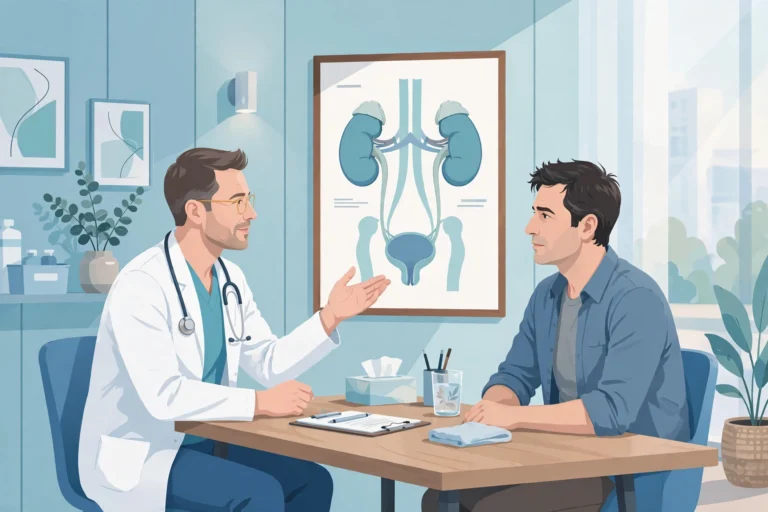
Infertility is defined as no pregnancy after 12 months of regular unprotected sex (6 months if the female partner is over 35). If that describes your situation, a male evaluation isn't an afterthought — it's step one, because it's simpler, cheaper, and less invasive than most female fertility testing.
How Male Fertility Works (The 60-Second Version)
Sperm are made in the testicles, mature in the epididymis, and travel out through the vas deferens during ejaculation. The whole production line takes about 74 days — meaning anything affecting you today shows up in semen quality roughly two to three months later. This delay matters: lifestyle changes and treatments need at least three months before you judge the results.
Healthy fertility needs three things: enough sperm, sperm that swim well, and sperm shaped normally. A problem at any stage — production, transport, or delivery — can cause infertility.
Male Infertility Causes: The 9 Big Categories
1. Low sperm count (oligospermia)
The single most common finding. Below 15 million sperm per milliliter is considered low; zero sperm (azoospermia) is the extreme end. Low count alone doesn't always mean infertility — it means lower odds per cycle — but it's the starting point of most evaluations. Our detailed guide to low sperm count causes and treatment goes deeper.
2. Poor motility and abnormal shape
Sperm need to swim strongly (motility) and be shaped correctly (morphology) to reach and penetrate the egg. Asthenospermia (poor movement) and teratospermia (abnormal shape) often travel with low count, and all three frequently share the same root causes.
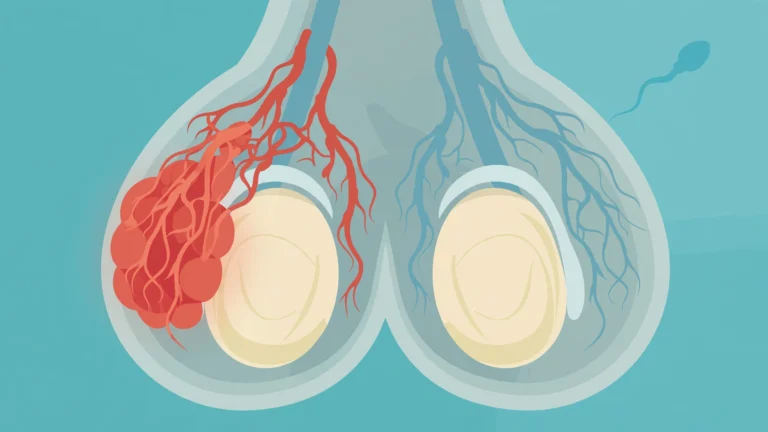
3. Varicocele
Enlarged scrotal veins raise testicular temperature and oxidative stress, impairing sperm production. Found in up to 40% of men evaluated for infertility, it's also one of the most correctable causes — surgical repair improves semen parameters in a majority of treated men.
4. Hormonal imbalances
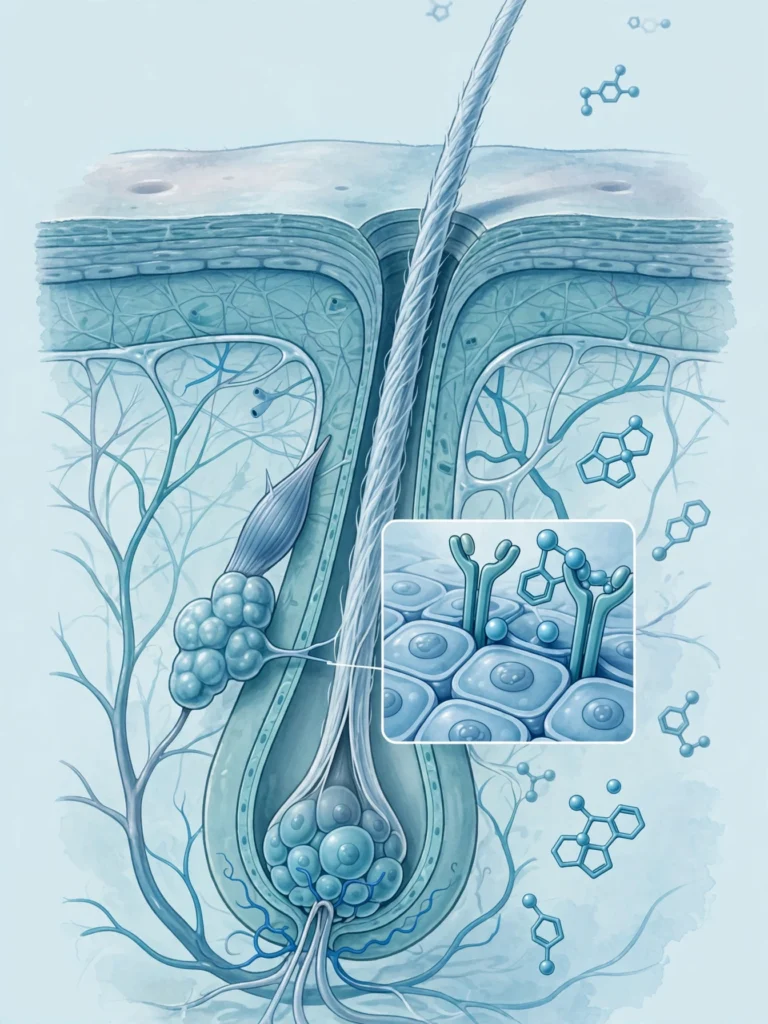
Testosterone drives sperm production, and the control system runs through the brain's pituitary gland:
- Low testosterone (hypogonadism) directly reduces sperm output
- High prolactin (sometimes from a benign pituitary tumor) suppresses the whole system
- Thyroid disorders in either direction can disrupt fertility
- Anabolic steroids and testosterone supplements — the cruel irony: taking testosterone shuts down your own production and can drop sperm count to zero. Usually reversible after stopping, but it takes months.
5. Genetic and chromosomal conditions
- Klinefelter syndrome (XXY) — the most common chromosomal cause
- Y-chromosome microdeletions — missing genes needed for sperm production
- Cystic fibrosis gene mutations — can mean missing vas deferens, blocking sperm transport entirely
Genetic testing is recommended when counts are very low or zero, since the results change the treatment plan.
6. Blockages and delivery problems
Sperm can be produced perfectly and still never exit:
- Obstructions from prior infection, surgery (including vasectomy), or congenital absence of the vas deferens
- Retrograde ejaculation — semen flows backward into the bladder instead of out; linked to diabetes, prostate surgery, and some medications
- Erectile or ejaculation dysfunction severe enough to prevent intercourse
7. Infections
Untreated chlamydia and gonorrhea can scar the epididymis and block transport. Mumps after puberty can inflame the testicles (orchitis) and permanently reduce production. Prostatitis and other genital infections impair semen quality. Most infection-related damage is preventable with prompt treatment.
8. Lifestyle and environmental factors
This is the category you control most:
- Smoking — reduces count, motility, and increases DNA damage in sperm
- Heavy alcohol use — lowers testosterone and impairs production
- Obesity — disrupts hormones and raises scrotal temperature
- Heat exposure — frequent hot tubs, saunas, and laptops on the lap measurably reduce counts (usually reversible)
- Marijuana and drug use — linked to lower counts and poorer motility
- Toxins — pesticides, heavy metals, and radiation exposure at work
Vaping deserves special attention given how common it is — see our article on whether vaping affects male fertility.
9. Medications and medical treatments
Chemotherapy and radiation are the heavy hitters, sometimes causing permanent damage (sperm banking beforehand is standard advice). But common drugs matter too: certain blood pressure medications, antidepressants, anti-androgens like finasteride, and long-term opioid use can all impair fertility — usually reversibly.
How Male Infertility Is Diagnosed
The workup is straightforward and starts simple:
1. Semen analysis — the cornerstone test. Two samples, collected days apart after 2–5 days of abstinence, measuring count, motility, morphology, and volume.
2. Medical history and physical exam — childhood illnesses, injuries, surgeries, medications, exposures; plus examination of the testicles and prostate.
3. Hormone blood tests — testosterone, FSH, LH, and prolactin reveal where the production line is breaking down.
4. Scrotal ultrasound — checks for varicocele and structural problems.
5. Genetic testing — for very low or zero counts.
6. Post-ejaculatory urine test — detects retrograde ejaculation.
Cleveland Clinic's specialists make an important point: men should be evaluated early in the infertility workup, not after months of female-focused testing — why men should be evaluated sooner in infertility cases explains the reasoning.
What Can Be Done: Treatment Paths
Treatment follows the cause:
- Lifestyle overhaul — quitting smoking, limiting alcohol, losing weight, and cooling down heat exposure improve semen parameters within 3 months in many men. It's the highest-return first step.
- Hormonal treatment — medications like clomiphene can stimulate natural testosterone and sperm production in selected cases (note: this is different from taking testosterone, which does the opposite).
- Surgery — varicocele repair and blockage correction restore natural fertility for many.
- Infection treatment — antibiotics clear active infections, though established scarring may need surgical help.
- Assisted reproduction — IUI for mild cases; IVF with ICSI (injecting a single sperm into the egg) for severe ones. Modern techniques mean even men with very low counts can often father biological children.
- Sperm retrieval — when no sperm reach the semen, techniques like TESE can extract them directly from testicular tissue for use with ICSI.
Two-thirds of couples who pursue evaluation and treatment eventually conceive — a statistic worth holding onto during the frustrating months.
When to See a Specialist
Don't wait the full year if any of these apply — see a urologist or fertility specialist sooner:
- Known testicular, prostate, or sexual problems
- History of undescended testicle, mumps after puberty, or genital surgery
- Cancer treatment (past or planned)
- Very low or zero sperm count on any prior test
- Female partner over 35 (timeline shortens to 6 months)
If any of these apply, see a urologist or fertility specialist sooner rather than later — early evaluation consistently leads to better outcomes for couples.
Practical Takeaways
- Male factors cause or contribute to up to half of infertility — get evaluated early.
- Semen analysis is simple, cheap, and the right first test.
- Sperm take ~74 days to make: give any change three months before judging it.
- Varicocele, hormonal issues, and lifestyle factors are among the most treatable causes.
- Even severe cases have options — modern assisted reproduction has transformed outcomes.
Frequently Asked Questions
Can male infertility be reversed?
Often, yes — it depends on the cause. Stopping testosterone supplements, quitting smoking, treating a varicocele, or correcting hormones can restore fertility substantially. Genetic causes and damage from chemotherapy are harder to reverse, but assisted reproduction still offers paths to biological fatherhood in many such cases.
Does age affect male fertility?
Yes, though less dramatically than female fertility. Sperm count and motility decline gradually after 40, DNA fragmentation increases, and time-to-pregnancy lengthens. Paternal age over 45 is also linked to slightly higher risks of certain conditions in children. It's a factor, not a cliff.
How long does it take to improve sperm quality?
About three months minimum, because that's how long a full sperm production cycle takes. Men who quit smoking, lose weight, or start treatment typically see the first meaningful improvements on a repeat semen analysis at the 3-month mark, with continued gains after.
Should I take supplements for fertility?
Antioxidants (vitamins C and E, CoQ10, zinc, folate) have modest evidence for improving semen parameters, especially where oxidative stress is the issue — but they're not magic, and mega-doses can backfire. Treat supplements as a complement to addressing the actual cause, and discuss them with your doctor rather than self-prescribing stacks.