Sex Yeast Infection?
If you have ever developed itching, burning, or an unusual discharge a day or two after being intimate, you may have asked yourself: sex yeast infection? Concerns about a sex yeast infection are among the most common questions people ask about intimate health — and the answer is more nuanced than a simple yes or no.
Sex does not directly “give” you a yeast infection the way a cold virus spreads from person to person, but sexual activity can absolutely set the conditions that allow one to develop. This article explains the science behind the connection, what activities carry the most risk, how to tell a yeast infection apart from other conditions, and what you can do to reduce the risk — all grounded in authoritative medical guidance.
The Short Answer: sex yeast infection?
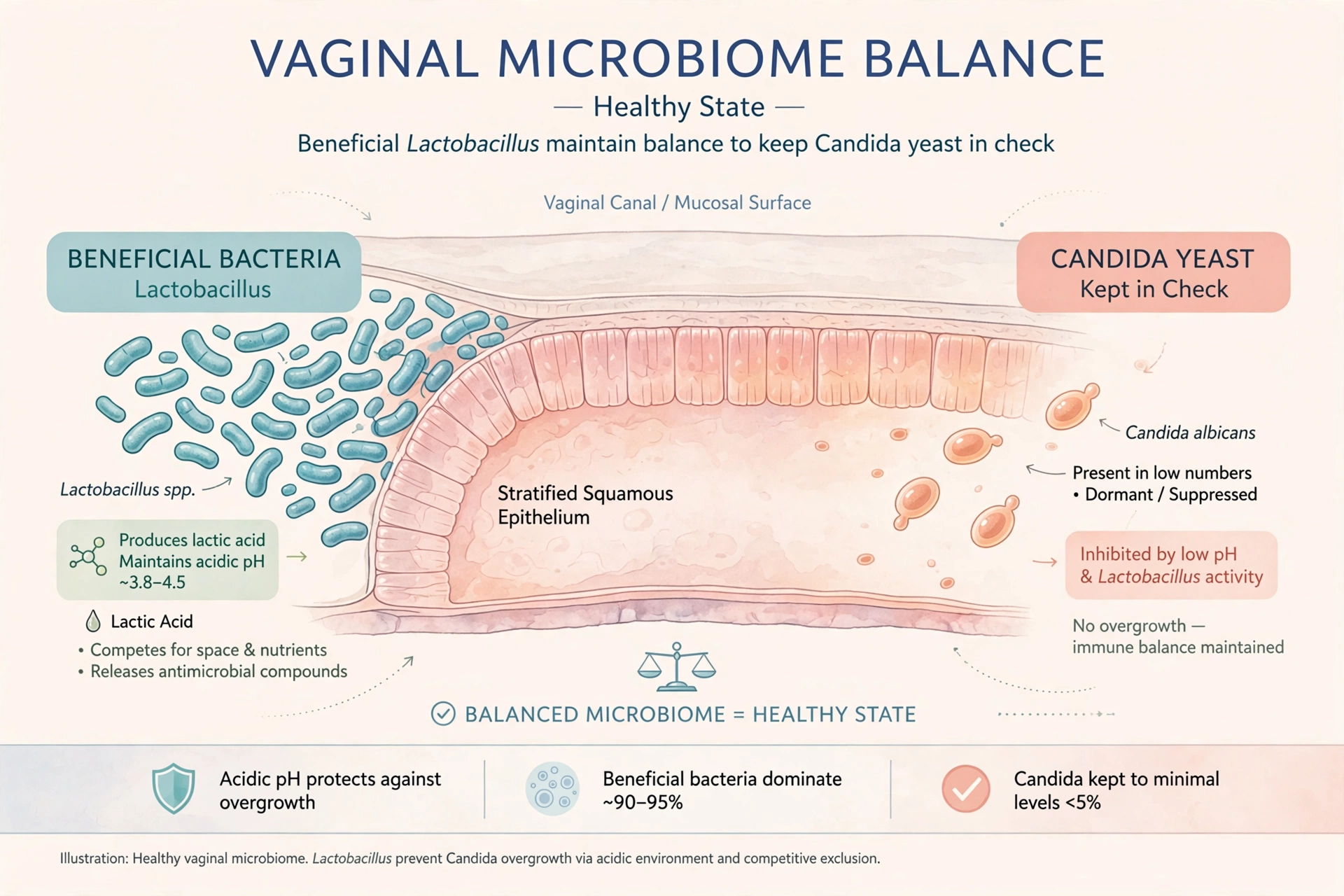
Doctors do not classify yeast infections as sexually transmitted infections (STIs). A yeast infection happens when Candida — a fungus that normally lives in small amounts in the vagina, mouth, and gut — multiplies beyond its usual levels and causes symptoms. That overgrowth can occur in people who have never had sex. However, sexual activity can trigger the imbalance that lets Candida overgrow.
According to the Mayo Clinic, people have a higher risk of vaginal yeast infection when they start having sex, and some infections are linked to oral-genital sexual contact. The CDC notes that about three out of four women will experience at least one vaginal yeast infection in their lifetime — and sexual activity is one of several factors that can tip the balance.
Think of it this way: sex is not the cause, but it can be the trigger. The vaginal environment is a carefully balanced ecosystem, and intercourse introduces new microbes, fluids, and friction into that ecosystem. For most people, the balance recovers on its own. For others — especially those prone to infections — that disruption is enough for Candida to seize the moment.
That is why a sex yeast infection scare after intimacy is so widespread, even though the mechanics are indirect.
How Sex Can Raise the Risk of a Yeast Infection
Several distinct mechanisms explain the connection at the heart of the sex yeast infection question. Understanding each one helps you target the ones that matter most in your situation.
1. Disruption of the vaginal microbiome
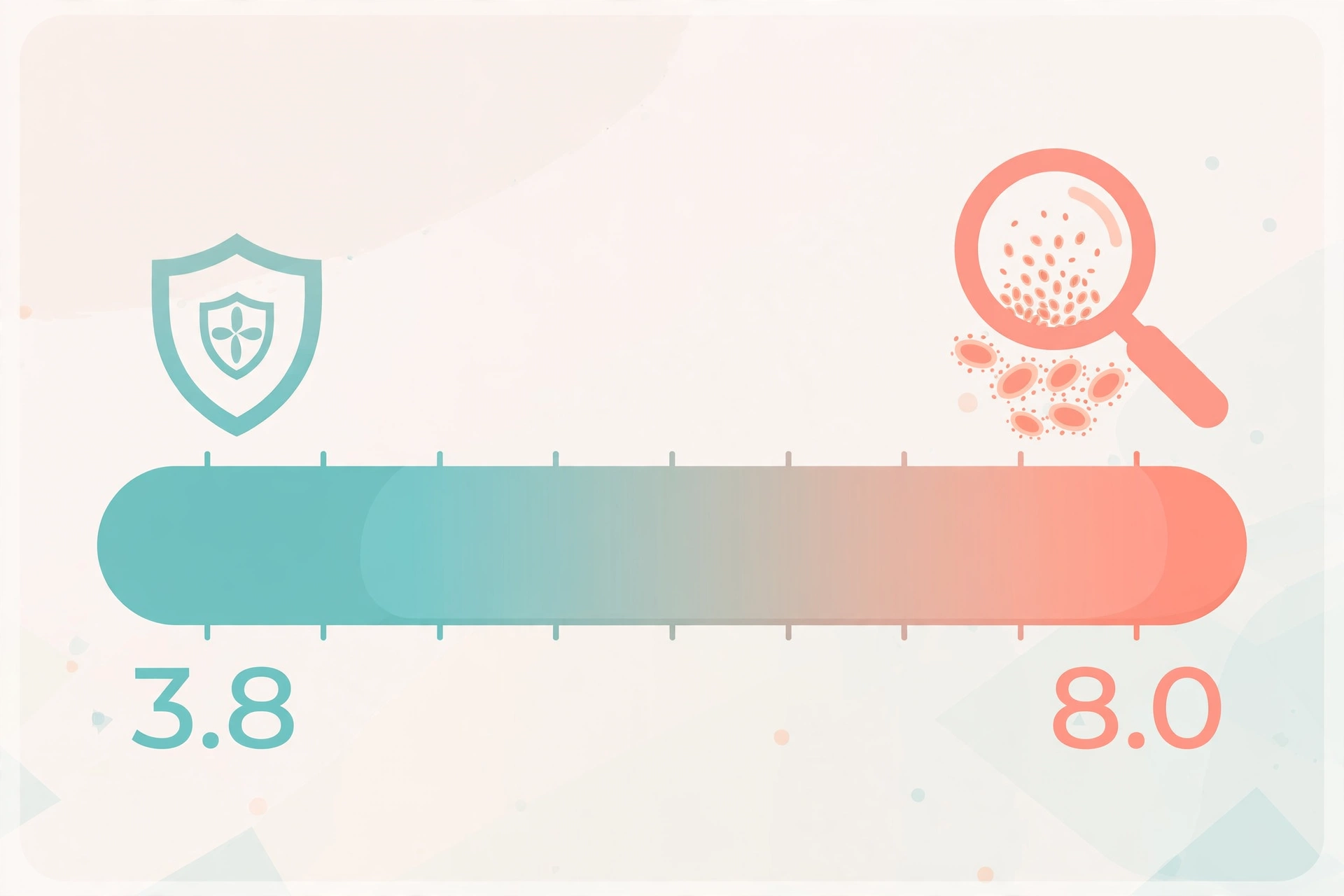
A healthy vagina is dominated by Lactobacillus bacteria, which produce lactic acid and keep the environment acidic (a pH between about 3.8 and 4.5). That acidity is what keeps Candida in check. Penetrative sex — whether with a partner or a sex toy — introduces bacteria from fingers, skin, and other body surfaces into this environment. Even ordinary skin flora can momentarily shift the microbial balance. If your Lactobacillus population is already stressed by antibiotics, hormonal contraceptives, or illness, that shift can be enough to let yeast overgrow. You can read more about how acidity protects vaginal health in our guide to vaginal pH balance.
2. Semen changes vaginal pH
Semen is naturally alkaline, with a pH typically between 7.1 and 8.0 — well above the vagina’s healthy acidic range. After unprotected intercourse, semen temporarily raises vaginal pH, which suppresses the protective Lactobacillus and gives Candida a friendlier environment. This effect is temporary and usually self-correcting, but people with a sensitive vaginal microbiome may notice infections that consistently follow unprotected sex. Using condoms reduces semen exposure and, as a bonus, makes aftercare cleanup easier.
3. Oral sex and saliva
Candida lives naturally in the mouth, where it can cause oral thrush if it overgrows. During oral-genital contact, saliva and oral microbes are transferred to the vulva and vagina. One study cited by Healthline found that receiving vaginal oral sex was associated with an increased risk of vaginal yeast infections. The risk appears higher if the partner has active oral thrush, but even normal oral flora can disturb a sensitive vaginal ecosystem. The same logic applies in reverse: performing oral sex on a partner with a vaginal or penile yeast infection can introduce extra Candida into the mouth.
4. Fingers and sex toys
Manual stimulation and sex toys transfer microbes from hands and toy surfaces into the vagina. Toys deserve special attention because porous materials can harbor bacteria and yeast between uses — especially if they are shared between partners or used for both vaginal and anal contact without cleaning. A consistent sex toy hygiene routine (wash with warm water and a suitable cleanser before and after use, let them dry fully, and consider using condoms on shared toys) removes one of the most avoidable sources of microbial disruption.
5. Friction and micro-tears
This factor gets less attention than it deserves. Inadequate lubrication during intercourse can cause friction that irritates the vaginal lining, creating microscopic tears and low-grade inflammation. Irritated tissue is more vulnerable to microbial imbalance, and the body’s inflammatory response can itself disturb the local environment. Adequate arousal time before penetration and a body-safe lubricant meaningfully reduce this risk — which brings us to product choices below.
Can a Partner Give You a Yeast Infection?
It is possible, though less common than the trigger mechanisms described above. Candida can live on a partner’s genitals or mouth, and intercourse can transfer it. Research suggests roughly 15 percent of men who have unprotected vaginal sex with a partner experiencing a vaginal yeast infection develop a penile yeast infection, which can cause redness, itching, or a rash on the head of the penis — particularly in uncircumcised men. Female partners may face a similar risk, though the data is less clear.
More importantly for couples, this creates the possibility of “ping-pong” transmission: one partner passes yeast back and forth while both are being treated. If infections keep returning and both partners are sexually active, clinicians sometimes recommend that partners be evaluated too, so the same infection does not keep cycling between you. Taking a break from sexual activity until both partners are symptom-free is a standard recommendation during treatment. When that happens, a sex yeast infection can feel like it never fully goes away — which is why coordinated treatment matters.
Yeast Infection or Something Else? How to Tell
One of the biggest problems with self-diagnosis is that several conditions produce similar symptoms. Yeast infections, bacterial vaginosis (BV), and some STIs all cause itching, discharge changes, or discomfort — but they require different treatments. If you are unsure, a clinician can confirm the diagnosis with a quick examination or a sample of vaginal discharge. Here is how the conditions typically compare:
| Feature | Yeast infection | Bacterial vaginosis | Common STIs |
|---|---|---|---|
| Itching | Usually intense | Often mild or absent | Varies; may be absent |
| Discharge | Thick, white, cottage-cheese-like, little odor | Thin, gray or white, strong fishy odor | Varies; may be yellow, green, or foamy with odor |
| Burning with urination | Common | Possible | Common with some STIs |
| Vaginal pH | Usually normal (below 4.5) | Usually raised (above 4.5) | Varies |
| Pain during sex | Common | Possible | Possible |
BV deserves special mention because it can also be triggered by the same sexual activities — particularly exposure to semen and new partners — and it is frequently mistaken for a yeast infection. If over-the-counter antifungal products are not helping, the issue may be BV rather than yeast. Our article on yeast infection vs BV walks through the differences in detail.
Why It Keeps Happening After Sex: A Troubleshooting Checklist
An occasional yeast infection after sex is common and usually straightforward. But if you notice a repeating sex yeast infection pattern — infection following intercourse again and again — work through this checklist with a clinician:
- Underlying conditions. Recurrent yeast infections (four or more in a year) can signal undiagnosed diabetes, an immune system issue, or hormonal factors. Blood sugar control matters: Candida feeds on glucose, and poorly controlled diabetes is a well-established risk factor.
- Medications. Antibiotics, corticosteroids, and some hormonal contraceptives can predispose you to overgrowth. Review your medications with your doctor rather than stopping anything on your own.
- Partner reinfection. As noted above, partners can trade the infection back and forth. If treatment keeps failing, your partner may need evaluation too.
- Product irritants. Spermicidal condoms, flavored or glycerin-heavy lubricants, scented hygiene products, and douching all disturb the vaginal environment. Douching is never recommended — it removes the protective Lactobacillus along with everything else.
- Menstrual cycle timing. Some people are more susceptible during the luteal phase (between ovulation and menstruation) when hormonal shifts alter the vaginal environment. Tracking your cycle alongside symptoms can reveal a pattern worth discussing with your clinician.
If you are dealing with repeated episodes, our guide to recurrent yeast infections covers the deeper causes and longer-term management strategies.
Prevention: Reducing the Risk After Sex
You do not need to avoid intimacy to avoid a sex yeast infection. These evidence-aligned habits meaningfully lower the odds:
- Use condoms or dental dams. Barrier methods reduce the exchange of bacteria and yeast, and condoms limit semen’s pH-raising effect.
- Urinate and rinse after sex. Urinating flushes the urethra; a gentle external rinse with plain water removes lingering fluids. Wash externally only — never douche.
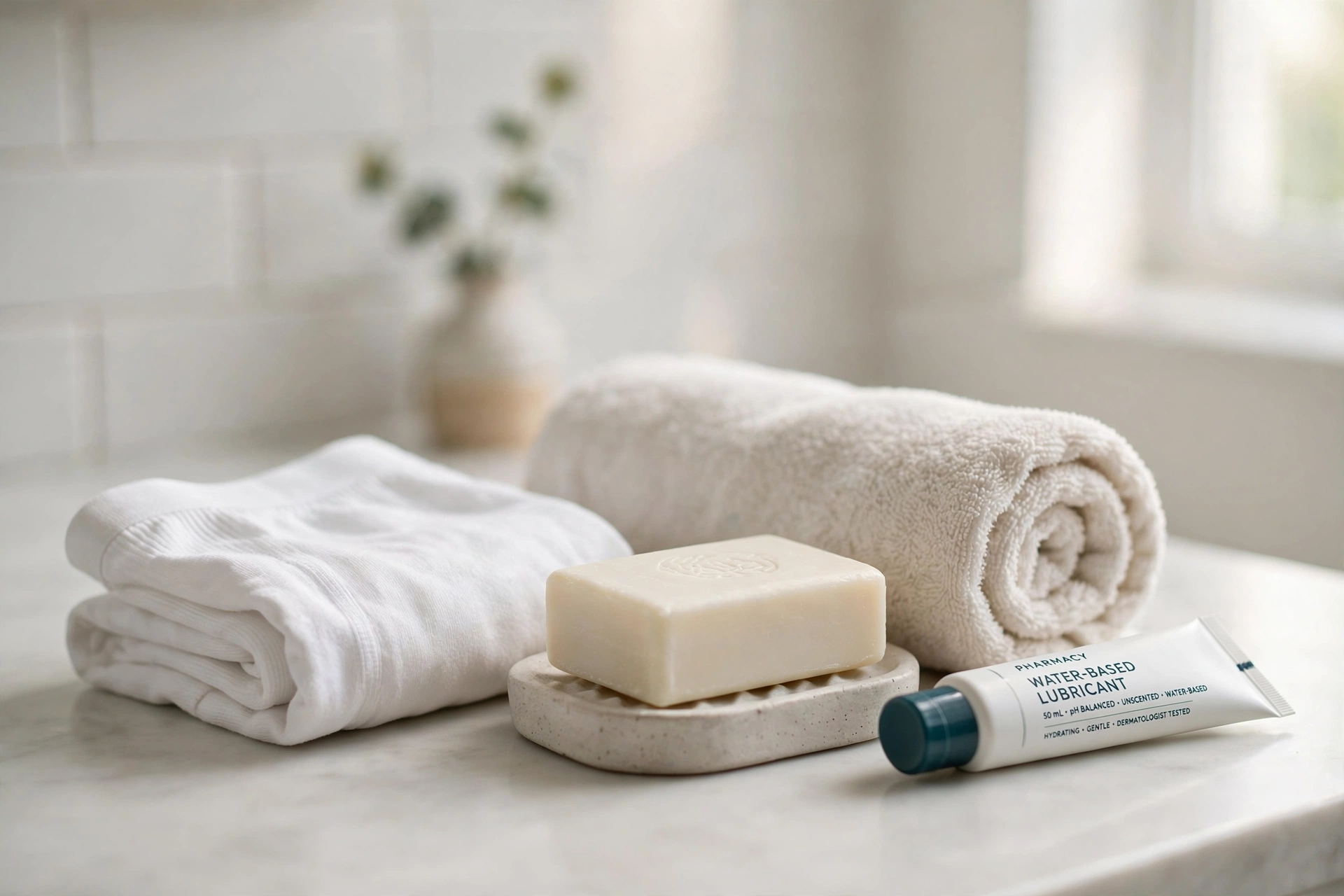
- Choose lubricants wisely. Water-based, unscented lubricants are the least likely to disturb the vaginal microbiome. Avoid flavored, warming, or heavily scented products, and be cautious with spermicidal condoms, which can irritate the vaginal lining.
- Clean sex toys every time. Wash before and after each use, dry them completely, and store them in a clean, dry place. Use condoms on shared toys or when switching between anal and vaginal use.
- Wear breathable underwear. Cotton underwear absorbs moisture and keeps the area drier; Candida thrives in warm, damp conditions. Changing out of sweaty workout clothes promptly matters too.
- Skip scented products. Fragranced soaps, wipes, and feminine hygiene sprays irritate the vulva and disturb the microbial balance. Plain water is sufficient for external cleaning.
- Support blood sugar balance. If you have diabetes or prediabetes, keeping blood sugar in range is one of the most effective long-term preventive steps.
What to Do If You Have a Yeast Infection
An uncomplicated sex yeast infection episode is usually treated with antifungal medication — either a cream or suppository applied inside the vagina (many available over the counter) or an oral antifungal prescribed by a clinician. Clinicians often recommend confirming the diagnosis before treating, especially for a first episode, because symptoms overlap with other conditions.
Avoid intercourse until symptoms have fully cleared, both for comfort and to avoid passing the infection to a partner. Epsom-salt baths and breathable clothing can ease discomfort while treatment works, though they do not cure the infection itself. If symptoms persist beyond the expected treatment window, seek medical care rather than repeating over-the-counter products indefinitely.
When to See a Doctor
Most yeast infections are mild, but certain situations warrant professional evaluation:
- It is your first suspected yeast infection (confirm the diagnosis before self-treating).
- You have four or more yeast infections in a year.
- Symptoms do not improve within a few days of treatment, or they return quickly.
- You notice bleeding, foul-smelling discharge, or other unusual symptoms.
- You are pregnant, have diabetes, or have a weakened immune system.
People with complicated infections — severe symptoms, pregnancy, or an underlying health condition — may need a longer or different treatment course, which a clinician can tailor.
Frequently Asked Questions
Is it normal to get a yeast infection after sex?
It is fairly common: a sex yeast infection concern after intimacy is one of the most frequent questions clinicians hear. Sexual activity can disrupt the vaginal microbiome through bacteria transfer, semen’s alkaline pH, friction, or saliva during oral sex, which can allow Candida to overgrow. An occasional episode is usually not a cause for concern, but a repeating pattern deserves medical attention.
Are yeast infections sexually transmitted?
No. A sex yeast infection is not classified as an STI because people who have never had sex can develop them, and they arise from an overgrowth of organisms already present in the body. However, sex can trigger or pass along the conditions that lead to one, so it is wise to inform partners and pause intercourse until symptoms resolve.
Can men get yeast infections from sex?
Yes. Men can develop a penile yeast infection after unprotected vaginal intercourse with a partner who has a vaginal yeast infection. It typically causes redness, itching, or a rash on the head of the penis, and uncircumcised men may be more susceptible. Partners should both be symptom-free before resuming sex.
Does oral sex cause yeast infections?
Oral-genital contact can contribute. Saliva carries oral microbes — including Candida — into the vaginal area, which can disturb the local balance. Research has linked receiving oral sex with a higher risk of vaginal yeast infections, particularly if the partner has oral thrush. Using dental dams reduces this risk.
Can semen alone trigger a yeast infection?
Semen cannot “give” you an infection, but its alkaline pH (around 7.1 to 8.0) temporarily raises the vagina’s normally acidic pH (3.8 to 4.5), suppressing protective Lactobacillus bacteria. In people with a sensitive microbiome, this window of disruption can be enough for Candida to overgrow — which is why consistent post-sex yeast infections sometimes resolve when barrier methods are used.
Should I stop having sex if I keep getting yeast infections?
Not necessarily. Focus on prevention first: use barriers, choose gentle lubricants, practice aftercare, clean sex toys, and avoid scented products. If infections recur four or more times a year despite these steps, see a clinician — recurrent infections can signal an underlying condition that needs treatment.
Can I still have sex while treating a yeast infection?
During an active sex yeast infection, it is best to wait. Intercourse during an active infection can worsen irritation, make treatment less effective, and pass the infection to your partner, who can then pass it back. Most clinicians advise waiting until symptoms have completely cleared for both partners.
Do probiotics prevent yeast infections after sex?
The evidence is mixed. Products containing Lactobacillus strains are popular, and some small studies suggest potential benefit, but clinical data is not strong enough for a firm recommendation. Eating fermented foods such as yogurt with live cultures is a low-risk addition to a healthy routine, but it should not replace medical evaluation for recurrent infections.
Medical disclaimer: This article is for educational purposes only and is not medical advice. It does not diagnose any condition or prescribe treatment for any individual. Yeast infection symptoms overlap with bacterial vaginosis and sexually transmitted infections, so consult a qualified clinician for diagnosis and personalized treatment. If you experience severe, recurring, or worsening symptoms, seek medical care promptly.