Gut Health and Sex Hormones: What Research Shows
If you are struggling with bloating, irregular cycles, low libido, or mood swings, the root cause may surprise you: your digestive system. Research shows that gut health and hormones are linked through a bidirectional network scientists call the gut–hormone axis. Your gut microbiome influences how your body produces, processes, and clears estrogen, cortisol, insulin, thyroid hormones, and even testosterone — and shifting hormone levels reshape your gut in return.
This guide explains what the evidence shows about the gut health and hormones connection, what popular articles leave out, and what doctors recommend when your gut and your hormones seem to be working against each other.
How Gut Health and Hormones Influence Each Other
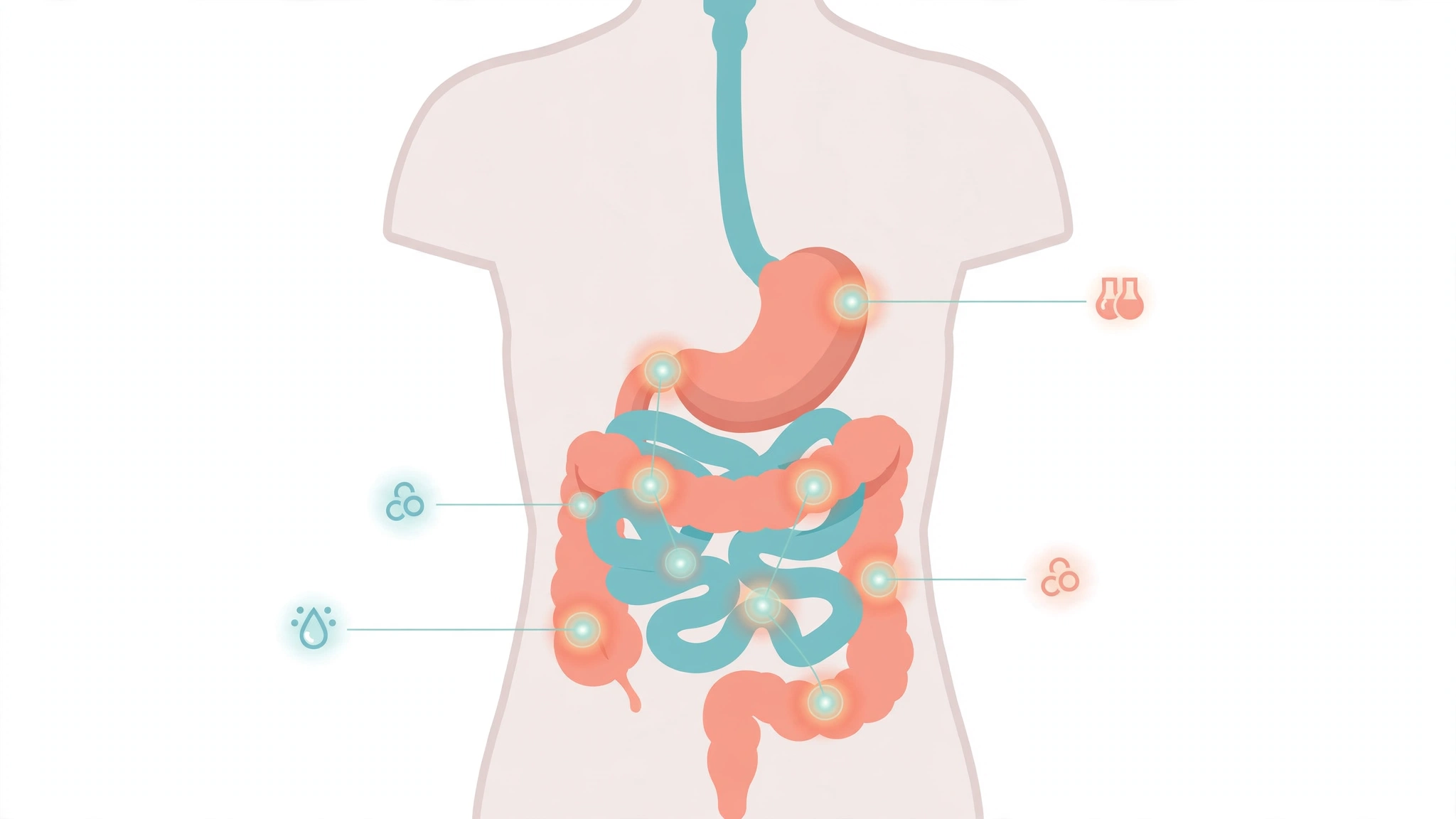
Think of your gut and your endocrine system as two colleagues in constant conversation. The gut communicates with the rest of the body through several channels: the microbes themselves and the chemical compounds they produce, the immune system (roughly 70% of which sits in the gut), the vagus nerve, and the hormones the gut manufactures directly. In fact, around 90–95% of serotonin, the neurotransmitter that influences mood and sleep, is produced in the gut, along with appetite hormones such as ghrelin, GLP-1, and peptide YY.
On the other side of the conversation, hormones shape the gut. Stress hormones can thin the gut lining and reduce beneficial bacteria. Thyroid hormones set the pace of intestinal movement. And fluctuating estrogen and progesterone affect gut motility, which is why so many women notice digestive changes at different points in their menstrual cycle. When one system falls out of balance, the other often follows — and that is precisely why addressing gut health and hormones together tends to work better than tackling either one alone.
The Estrobolome: How Your Gut Controls Estrogen
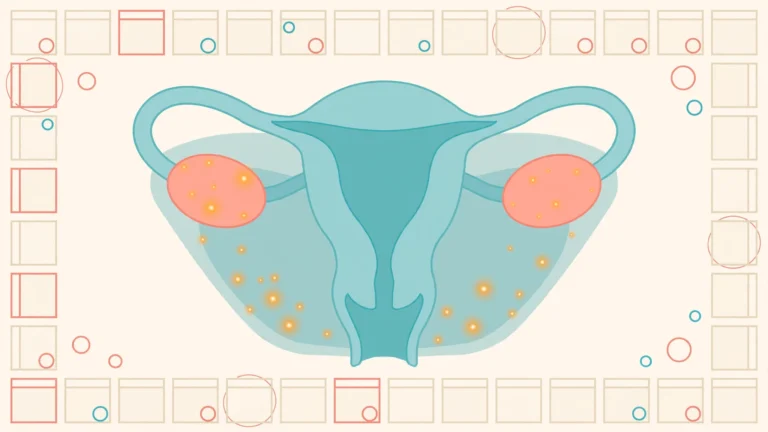
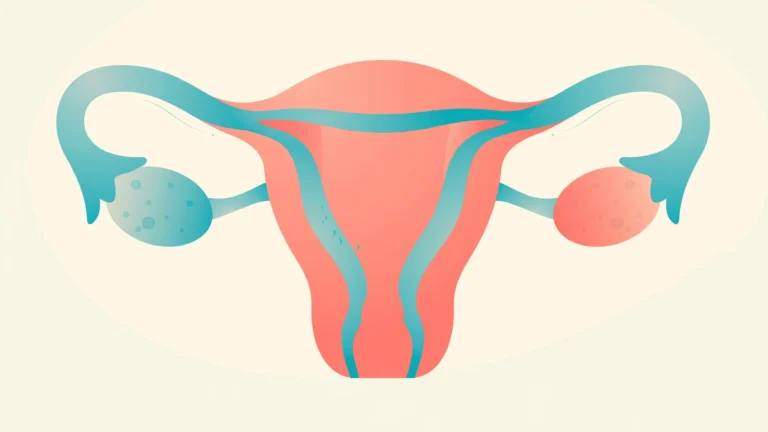
The most thoroughly researched link between gut health and hormones involves estrogen. A collection of gut bacterial genes known as the estrobolome regulates how much estrogen circulates in your body. Here is how the process works: the liver deactivates estrogen by attaching a chemical tag to it, then sends it into the intestine for elimination. In the gut, certain bacteria produce an enzyme called beta-glucuronidase that can remove the tag, reactivating the estrogen so it is reabsorbed into the bloodstream. This recycling loop is called enterohepatic recirculation.
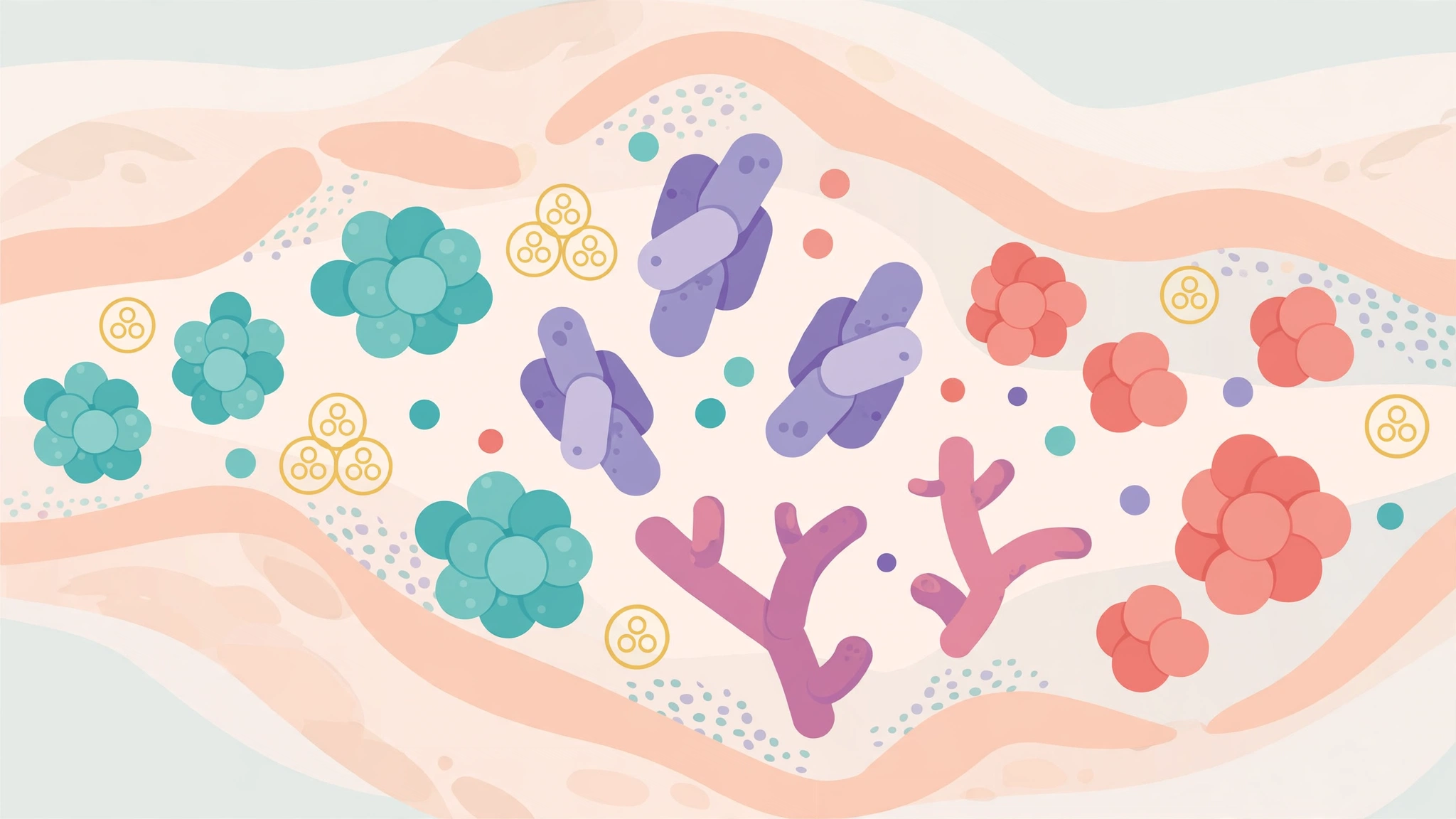
The system works beautifully in a balanced gut. But when microbial balance is disrupted (a state called dysbiosis), the estrobolome can fail in two directions:
- Overactive beta-glucuronidase: Bacteria such as Bacteroides and certain Clostridia multiply and reactivate too much estrogen. The result is excess circulating estrogen — associated with worsened PMS, heavy or irregular periods, and conditions such as endometriosis and fibroids.
- Underactive estrobolome: Loss of microbial diversity means too little estrogen is reabsorbed. Research in postmenopausal women shows that this pattern contributes to further drops in circulating estrogen, with knock-on effects on metabolism, cognition, and bone health.
Beneficial bacteria such as Lactobacillus and Bifidobacterium help keep this enzyme activity balanced, and high-fiber diets have been shown to reduce beta-glucuronidase activity — one reason fiber is consistently linked to healthier estrogen levels in premenopausal women. This mechanism is central to why gynecologists are increasingly interested in gut health and hormones as a single clinical picture, particularly for patients with estrogen-sensitive conditions like PCOS and endometriosis.
The Gut–HPA Axis: Why Chronic Stress Raises Cortisol
Cortisol, the body’s main stress hormone, is governed by the hypothalamic–pituitary–adrenal (HPA) axis, and research confirms the gut microbiome is one of its key modulators. When dysbiosis sets in, gut bacteria release inflammatory signals (cytokines) that disrupt HPA-axis function, producing dysregulated cortisol patterns: either chronically elevated cortisol — linked to anxiety, sleep disruption, abdominal weight gain, and immune suppression — or a blunted cortisol response, linked to fatigue and poor stress recovery.
The connection runs in both directions: chronic stress degrades the microbiome and weakens the intestinal barrier, and that leakiness further disrupts cortisol regulation. Clinical trials have found that certain probiotic strains can help normalize cortisol patterns, which is why researchers increasingly view stress management as a gut intervention. Chronic stress is also a well-documented libido suppressor; if you notice persistent low desire alongside digestive complaints, our guide on the common causes of low libido in women may help you map your symptoms.
Insulin, GLP-1, and the Metabolic Hormones Made in Your Gut
The gut’s influence on metabolic hormones is among the most clinically important parts of this story. When gut bacteria ferment dietary fiber, they produce short-chain fatty acids (SCFAs) such as butyrate. These compounds trigger the release of GLP-1 and peptide YY — satiety hormones that improve insulin sensitivity and regulate appetite — and butyrate itself improves cellular insulin signaling.
Conversely, dysbiosis allows lipopolysaccharides (LPS) — inflammatory fragments of bacterial cell walls — to leak into the bloodstream, activating an inflammatory cascade in fat tissue that drives insulin resistance. Insulin resistance is a core mechanism in PCOS, where research consistently finds a distinct dysbiosis pattern (more Escherichia and Shigella, less microbial diversity) that worsens the hormonal imbalance driving elevated androgens. For women with PCOS, supporting gut health alongside stable blood sugar — fiber diversity, fermented foods — targets the condition at a mechanistic level rather than only at its symptoms.
Your Thyroid Depends on Your Gut
Thyroid health is another area where gut health and hormones intersect. The gut plays a critical role in absorbing the micronutrients essential for thyroid function: iodine for T4 synthesis, selenium and zinc for converting inactive T4 into active T3, and iron for the enzyme that incorporates iodine into thyroid hormones. When dysbiosis impairs absorption of any of these, thyroid function can suffer even with adequate dietary intake.
There is also an immune dimension: most adult thyroid disorders are autoimmune (Hashimoto’s being most common), and because the bulk of the immune system resides in the gut, chronic gut inflammation is implicated in the immune dysregulation that drives thyroid autoimmunity. Clinicians often observe that small intestinal bacterial overgrowth (SIBO) clusters with thyroid dysfunction, which is why gastroenterologists and endocrinologists increasingly coordinate care when gut and thyroid symptoms appear together.
The Cycle Connection: Progesterone and Your Digestive Timeline
Most articles about gut health and hormones describe the gut’s effect on estrogen in detail and then gloss over progesterone. Yet progesterone has a direct, well-documented effect on digestion that millions of women feel every month. In the days before your period — the luteal phase — rising progesterone slows gut motility, which is why bloating and constipation are such common premenstrual complaints. When menstruation begins, the uterus releases prostaglandins that can increase cramping and trigger looser stools, sometimes with diarrhea.
This hormonal cycle of the gut means digestive symptoms that track with your cycle are not “all in your head” — they are an expected physiological pattern. Understanding the timeline helps you distinguish cyclical, hormone-driven gut changes from persistent gut problems that deserve medical investigation:
| Cycle phase | Hormonal change | Typical gut effect |
|---|---|---|
| Follicular (after period) | Estrogen rising | Digestion usually smoothest |
| Ovulation | Estrogen peak | Mild bloating for some women |
| Luteal (pre-period) | Progesterone high | Constipation, bloating, slower motility |
| Menstruation | Hormones drop, prostaglandins released | Cramping, looser stools, urgency |
Because hormonal contraception stabilizes these fluctuations, some women notice their cycle-linked digestive symptoms change when starting or stopping birth control — a topic explored in detail in our article on birth control and sex drive. If gut symptoms occur mainly during the luteal phase and resolve after bleeding starts, the driver is most likely hormonal; if they persist across the whole cycle, the gut itself needs attention.
The Gut–Androgen Link: Testosterone, SHBG, and PCOS
Here is a gap in almost every popular article on gut health and hormones: the discussion almost always centers on estrogen, while testosterone and the androgen story in women goes unmentioned. Yet the gut–androgen link matters enormously, especially for PCOS — the most common female endocrine disorder — where elevated androgens (male-type hormones) drive acne, excess hair growth, and irregular cycles.
The mechanism runs through several routes. First, the same dysbiosis-driven inflammation and insulin resistance described above directly stimulates ovarian androgen production in PCOS. Second, the liver produces sex hormone–binding globulin (SHBG), which binds testosterone in the bloodstream and keeps it inactive; insulin resistance lowers SHBG, leaving more free testosterone circulating. Because gut dysbiosis drives insulin resistance, it indirectly suppresses SHBG and raises free testosterone — a cascade that connects digestive health to visible hormonal symptoms. Third, the estrobolome’s recycling logic applies to androgens too: gut bacteria can reactivate conjugated androgens for reabsorption, influencing total androgen load.
This means that for women with PCOS, supporting gut health and hormones is not just about estrogen balance — it is about the androgen excess that causes many of the most distressing symptoms. Probiotic and prebiotic interventions have shown promise in clinical studies for improving insulin sensitivity and androgen markers in PCOS, though researchers emphasize these should complement, not replace, medical treatment. Mayo Clinic experts note that nourishing the gut microbiome with fiber-rich whole foods supports the microbial diversity these hormonal pathways depend on (Mayo Clinic News Network).
What Doctors Recommend: A Gut–Hormone Action Plan
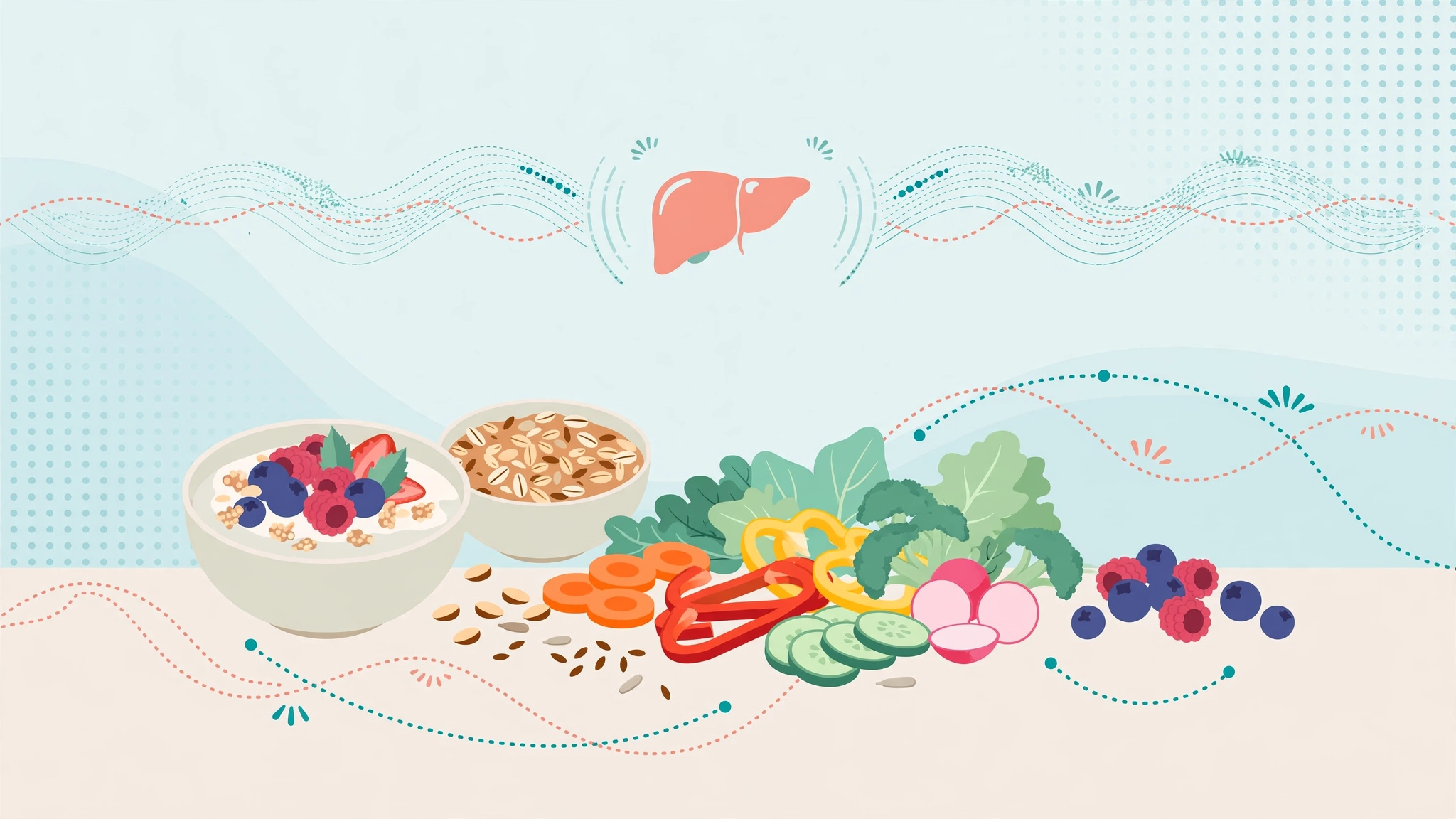
No supplement advertisement will tell you this plainly, so we will: the strongest evidence supports foundational lifestyle strategies, not exotic products. Clinicians who work at the intersection of gut health and hormones typically recommend the following sequence, and Cleveland Clinic’s gut health resources emphasize the same basics — fiber diversity, fermented foods, and limiting ultra-processed foods (Cleveland Clinic):
- Eat 25–30 different plant foods per week. Microbial diversity tracks with plant diversity, and diverse fiber feeds the SCFA-producing bacteria that regulate insulin and estrogen metabolism. Vegetables, fruits, legumes, nuts, seeds, and whole grains all count.
- Add fermented foods daily. A few tablespoons of yogurt, kefir, kimchi, or sauerkraut introduce live beneficial bacteria that support Lactobacillus and Bifidobacterium populations — the same genera that help balance the estrobolome.
- Manage stress deliberately. Because cortisol and the microbiome form a vicious cycle, daily stress-reduction practices (walking, breathing exercises, yoga) are gut interventions, not just mood interventions.
- Prioritize sleep. Gut microbes follow circadian rhythms; chronic short sleep reduces beneficial bacteria and disrupts cortisol and insulin patterns. Aim for 7–9 hours.
- Cut back ultra-processed foods and added sugar. These feed pro-inflammatory microbes and crowd out beneficial flora, disrupting insulin, leptin, and cortisol signaling.
- Use antibiotics only when needed. Antibiotics can deplete the very bacteria that keep the estrobolome balanced. If you need them, discuss probiotic support during and after the course with your doctor.
- Consider a probiotic trial for persistent symptoms. Evidence is strongest for specific strains and specific conditions (for example, certain Lactobacillus and Bifidobacterium strains for IBS-type symptoms and PCOS-related insulin markers). A 4–8 week trial is a reasonable window; if nothing changes, reassess with your doctor rather than stacking products indefinitely.
When to See a Doctor
Self-managed gut care has limits, and hormonal symptoms always deserve proper evaluation. Doctors recommend booking an appointment if you experience persistent bloating, constipation, or diarrhea that does not follow your cycle; unintentional weight changes; irregular, missed, or unusually heavy periods; signs of androgen excess such as new-onset acne or hair growth; or ongoing fatigue, mood changes, or low libido. Depending on your symptoms, your doctor may start with thyroid panels, sex hormone labs, or celiac and inflammation screening — and may refer you to a gastroenterologist or endocrinologist. If gut and hormone symptoms arrived together, mention that explicitly; it changes the workup.
Supporting your gut is one of the most accessible ways to support your hormones — but it works best as a plan you build with your doctor. If hormonal symptoms like low desire or cycle irregularities are affecting your relationship, start with the basics above, explore our related guides, and talk to your doctor about a coordinated gut–hormone evaluation. Small, consistent changes to how you feed your microbiome can pay dividends across digestion, energy, mood, and hormonal balance.
FAQs
How does gut health affect hormones in women?
Gut bacteria regulate estrogen through the estrobolome — bacterial genes whose enzymes control how much estrogen is reactivated and reabsorbed versus excreted. Dysbiosis can cause either estrogen excess or deficiency. The gut also modulates cortisol via the HPA axis, insulin through short-chain fatty acids, thyroid function through nutrient absorption, and androgen balance through inflammation-driven insulin resistance.
Can probiotics help balance female hormones?
Probiotics show promise for specific conditions rather than hormones in general. Trials link certain Lactobacillus and Bifidobacterium strains to improved insulin sensitivity and androgen markers in PCOS, and to healthier cortisol patterns under stress. A 4–8 week trial is reasonable, but probiotics should complement — not replace — medical evaluation, and results vary by strain and individual.
What is the estrobolome?
The estrobolome is the collection of gut bacterial genes capable of metabolizing estrogens, mainly through the enzyme beta-glucuronidase. After the liver deactivates estrogen and sends it to the intestine for elimination, estrobolome bacteria can remove the deactivating tag, reactivating estrogen for reabsorption. Balanced activity maintains estrogen homeostasis; overactivity contributes to estrogen excess, while underactivity can worsen estrogen deficiency, particularly after menopause.
Why do I get bloated before my period?
Rising progesterone during the luteal phase slows gut motility, which commonly causes bloating and constipation in the days before your period. Hormonal shifts also alter the gut microbiome and gut–brain signaling. Supporting your gut with fiber, fermented foods, and hydration throughout the cycle can ease these symptoms, but persistent or severe cyclical digestive symptoms are worth discussing with your doctor.
How long does it take to improve gut health for hormonal balance?
Most people notice digestive improvements within 3–6 weeks of consistent changes — diverse fiber, fermented foods, better sleep, and stress management. Hormonal effects, such as more regular cycles or improved PMS, may take 2–3 full menstrual cycles to become clear, since the microbiome and hormonal feedback loops adapt gradually.
Can poor gut health cause hormonal weight gain?
Indirectly, yes. Dysbiosis can impair the satiety hormones GLP-1 and peptide YY, promote insulin resistance through inflammatory LPS leakage, and disrupt cortisol patterns that drive abdominal fat storage. These pathways make weight regulation harder even without calorie changes. Addressing gut health alongside sleep and stress management is a more complete strategy than dieting alone.
Medical disclaimer: This article is for educational purposes only and does not constitute medical advice. Gut health and hormones interact in complex ways that vary from person to person. Do not use this information to diagnose or treat any condition, and do not start or stop any medication or supplement without consulting a qualified healthcare professional.