Chronic Pelvic Pain and Intimacy: A Practical Couple’s Guide
Pelvic pain during sex can feel deeply isolating. Living with persistent pain in your lower abdomen or pelvis is hard enough on its own. When that pain begins to interfere with closeness, desire, and your intimate relationship, it can feel like losing a part of yourself — and a part of your partnership. If you are navigating chronic pelvic pain intimacy challenges, you are far from alone: an estimated 15 to 20 percent of women experience chronic pelvic pain, and a large share of them report that it disrupts their sexual and emotional lives. This guide explains what doctors know about the connection, offers practical strategies couples can use today, and shows you exactly when and how to get expert help.
What Is Pelvic Pain During Sex?
Chronic pelvic pain is defined by clinicians as persistent pain in the lower abdomen or pelvis that lasts six months or longer. It may be constant or intermittent, sharp or dull, and in many cases the exact cause remains elusive even after testing. According to the Mayo Clinic, chronic pelvic pain is a complex condition that can stem from a single disease, from several overlapping conditions, or from the nervous system itself becoming sensitized over time.
The complexity matters for couples because it means there is rarely one simple fix. Pain that began with a gynecological condition can persist because of tightened pelvic floor muscles, heightened nerve sensitivity, and the emotional weight of long-term discomfort. Understanding this layered picture is the first step toward addressing chronic pelvic pain intimacy concerns with patience rather than blame.
Pelvic Pain During Sex: Why Desire and Comfort Change
Pain in the pelvis changes intimacy through several interconnected channels. Recognizing each one helps couples target their responses instead of simply avoiding closeness altogether.
| Effect | How it shows up | What it can do to a relationship |
|---|---|---|
| Reduced desire | Fatigue, distraction, and the body’s shift toward “protection mode” lower libido | Partner may misread lower desire as lost attraction |
| Painful intercourse (dyspareunia) | Superficial burning or deep aching during or after sex | Avoidance of all physical closeness out of fear |
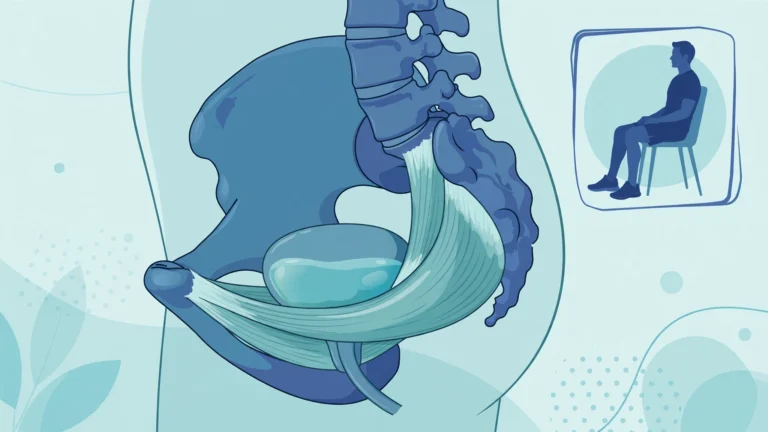
| Pelvic floor guarding | Involuntary tightening of pelvic muscles in anticipation of pain | Increased friction and pain, reinforcing the cycle |
| Arousal difficulty | Reduced natural lubrication and difficulty relaxing | Frustration, feelings of inadequacy |
| Emotional toll | Anxiety, low mood, guilt, grief over a changed sex life | Withdrawal, tension, and communication breakdown |
Psychiatrists and pain researchers describe this as a biopsychosocial loop: pain disrupts sleep and mood, low mood heightens pain sensitivity, and the resulting avoidance strains the relationship — which in turn raises stress. Breaking the loop does not require eliminating the pain first. Couples can often rebuild chronic pelvic pain intimacy by working on the communication, muscle-tension, and expectation parts of the cycle while medical treatment proceeds in parallel.
Medical Causes Doctors Investigate First
When a woman reports pelvic pain affecting her intimate life, clinicians typically evaluate a known set of conditions. Many can coexist, which is why a thorough evaluation may take several visits and sometimes a referral to a specialist. Understanding which of these conditions is shaping your pelvic pain during sex experience helps you ask better questions and find faster relief.
- Endometriosis: tissue similar to the uterine lining growing outside the uterus; a leading cause of deep pain with intercourse.
- Pelvic floor muscle dysfunction: chronically tight or spasming pelvic floor muscles that make penetration painful even without another disease.
- Vulvodynia and vestibulodynia: chronic pain or burning at the vaginal opening, often misdiagnosed as recurring infection.
- Interstitial cystitis (painful bladder syndrome): bladder pain that can worsen with deeper penetration.
- Adenomyosis and fibroids: uterine conditions that can cause deep aching during sex.
- Pelvic adhesions or scarring: from prior infections, endometriosis, or abdominal surgery.
- Irritable bowel syndrome: shares nerve pathways with pelvic organs and can contribute to pain during intimacy.
- Nerve-related pain: including pudendal neuralgia, where irritation of pelvic nerves causes burning or shooting pain.
Note that many women see multiple clinicians before receiving a diagnosis. If you have been told your pain is “just stress” without a proper pelvic examination, consider seeking a second opinion — ideally from a gynecologist, urogynecologist, or pelvic pain specialist.
The Partner’s Side of Chronic Pelvic Pain Intimacy
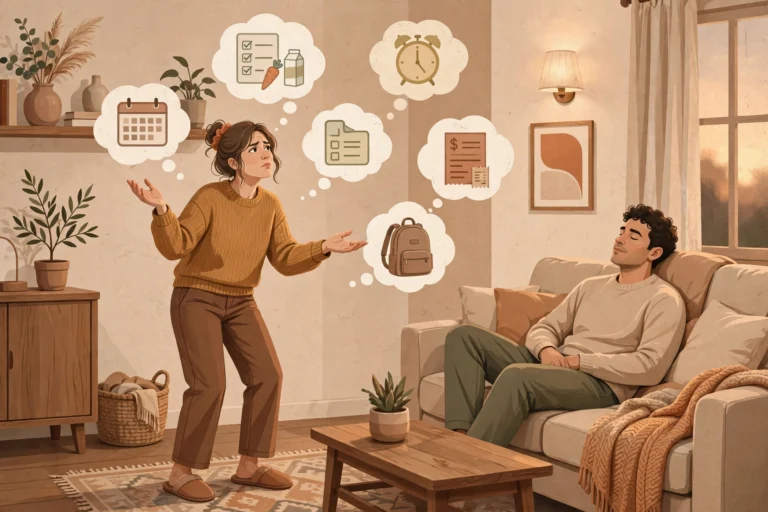
Most articles on this topic address only the person in pain. But intimacy involves two people, and the partner’s experience shapes the outcome just as much. Partners of women with chronic pelvic pain commonly report feeling confused, rejected, helpless, and afraid of causing harm. Some withdraw from all physical affection to avoid “starting something they can’t finish,” which the woman then reads as lost attraction. This mutual misreading is one of the most damaging — and most fixable — dynamics in chronic pelvic pain intimacy.
If you are the partner, these guidelines help:
- Do ask, don’t assume. “How are you feeling today, and what kind of closeness would feel good?” beats guessing.
- Do separate the pain from the person. Her declining sex is a symptom of a condition, not a verdict on you or the relationship.
- Don’t keep score. Tracking rejections breeds resentment; tracking good moments builds them.
- Do keep non-sexual touch alive. Hugs, hand-holding, shoulder massages, and cuddling preserve the physical connection that pain tries to erase.
- Don’t pressure “just trying.” Pressure converts intimacy into a performance test, raising anxiety and muscle tension — the two things most likely to cause pain.
- Do get support yourself. Caregiver fatigue is real. A few sessions with a therapist or a couples counselor familiar with chronic pain can prevent burnout.
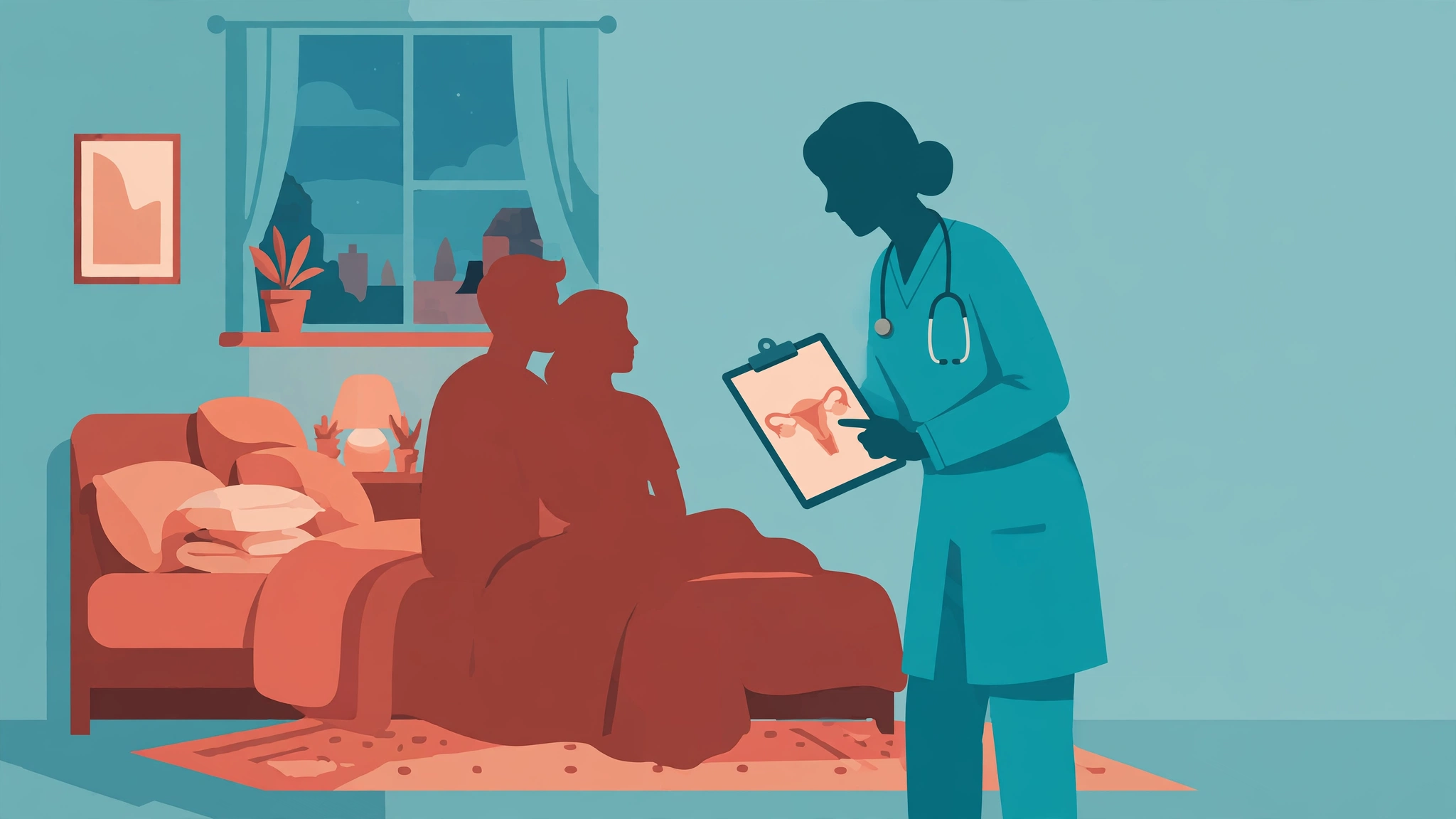
Attending a doctor’s appointment together, when the patient is comfortable with it, can be transformative: hearing a clinician explain the condition often resolves the partner’s fear that something is being hidden from them.
The Green-Light System: A Comfort-First Intimacy Protocol
One structured approach recommended by sexual medicine clinicians is a graduated “traffic light” system that removes guesswork from chronic pelvic pain intimacy. Instead of an all-or-nothing mindset about sex, the couple agrees on clear, pain-based signals:
- Agree on the scale. Green means comfortable and relaxed; yellow means mild discomfort that is stable and tolerable; red means pain — stop immediately, no questions asked.
- Start with sensate focus. For two to three weeks, practice non-genital touching and massage only. The rule: pleasure and closeness, no performance goals, red means stop.
- Map pain-free zones. During sensate focus, note together which kinds of touch and which areas are reliably green. Many couples discover they have more pain-free territory than they assumed.
- Advance only on greens. Introduce genital touch, then other activities, only when the current step stays green across several sessions. A yellow day means staying at the previous step — without disappointment.
- Use a pause word. Agree on a simple word that means “pause right now.” The partner receiving the signal must stop immediately and warmly, with zero visible frustration.
This protocol does two things at once: it gradually retrains the nervous system to stop bracing for pain, and it rebuilds trust that intimacy will not turn into an ordeal. Progress may be slow, but couples who commit to it often report that their emotional closeness improves long before pain-free intercourse returns. It is one of the most reliable paths to rebuilding chronic pelvic pain intimacy.
Practical Tools That Make a Difference
Alongside the communication work, several concrete tools can reduce the physical barriers behind pelvic pain during sex. Discuss each with your clinician before starting, especially if you are using prescribed treatments.
- High-quality lubricants: silicone-based or water-based, fragrance-free and hypoallergenic products reduce friction, which is one of the simplest pain triggers. Many women find that generous lubrication changes the experience significantly.
- Vaginal dilators: graduated dilator sets, used gently and progressively, can reduce the guarding reflex and prepare tissues for penetration. Pelvic floor physical therapists often teach a structured dilator program.
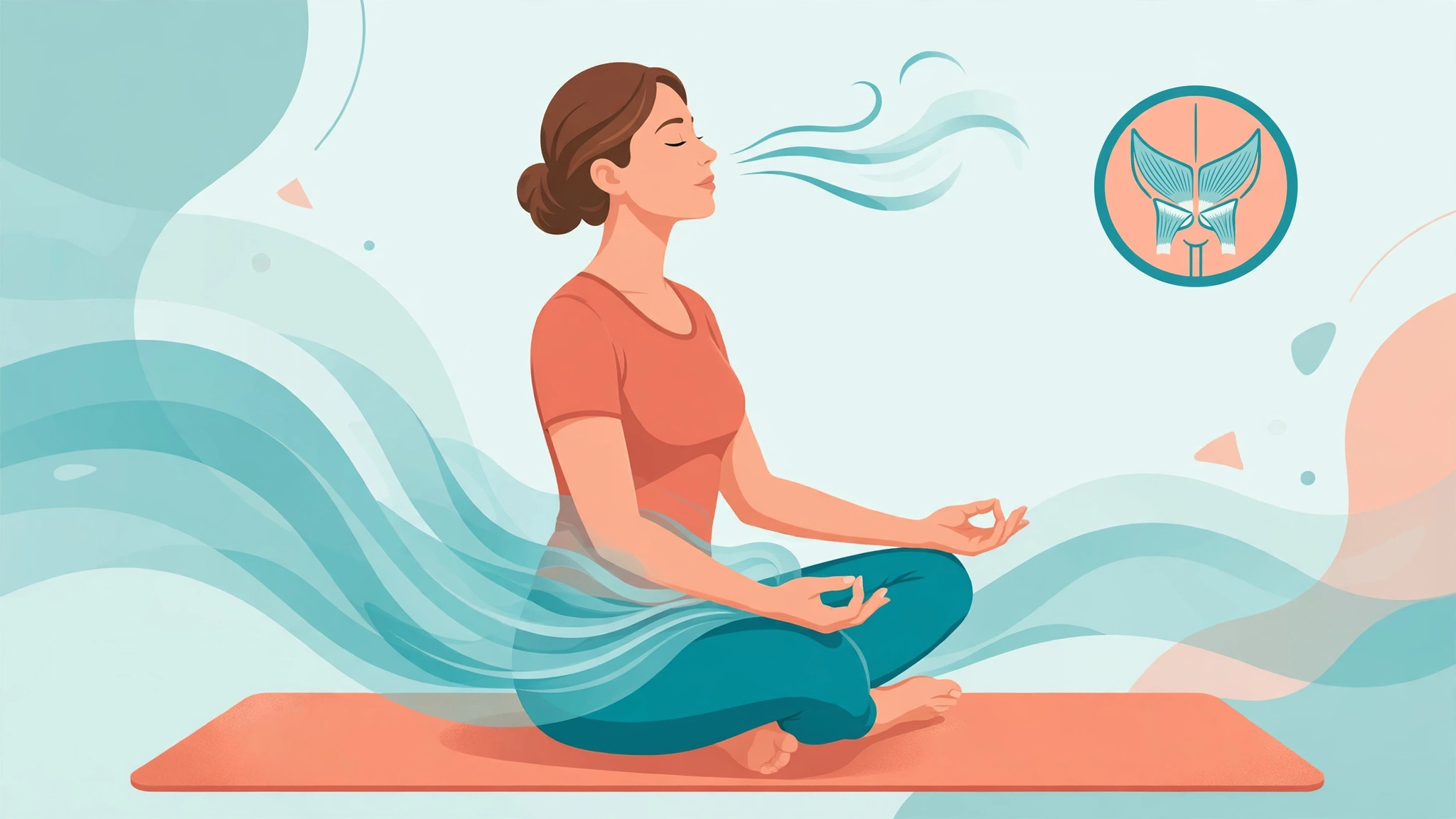
- Warmth and relaxation first: a warm bath, heating pad, or warm compress before intimacy helps relax pelvic muscles. Deep diaphragmatic breathing — imagining the pelvic floor gently widening on each inhale — activates the body’s relaxation response.
- Timing: plan intimacy for times of day when pain is typically lowest and energy highest. Many women do better in the morning or after pain medication has taken effect (as prescribed by their doctor).
- Position experimentation: positions that allow the woman to control depth and pace — such as side-lying or being on top — are frequently more comfortable. There is no “correct” position; the green-light system is the guide.
- Pelvic floor physical therapy: a specialized therapist can assess muscle tightness, teach relaxation techniques, and use manual therapy or biofeedback. Many gynecologists consider this the single most effective non-drug intervention for pain with intercourse. Many couples find it the turning point in their chronic pelvic pain intimacy journey.
Track What Works: An Intimacy Pain Journal
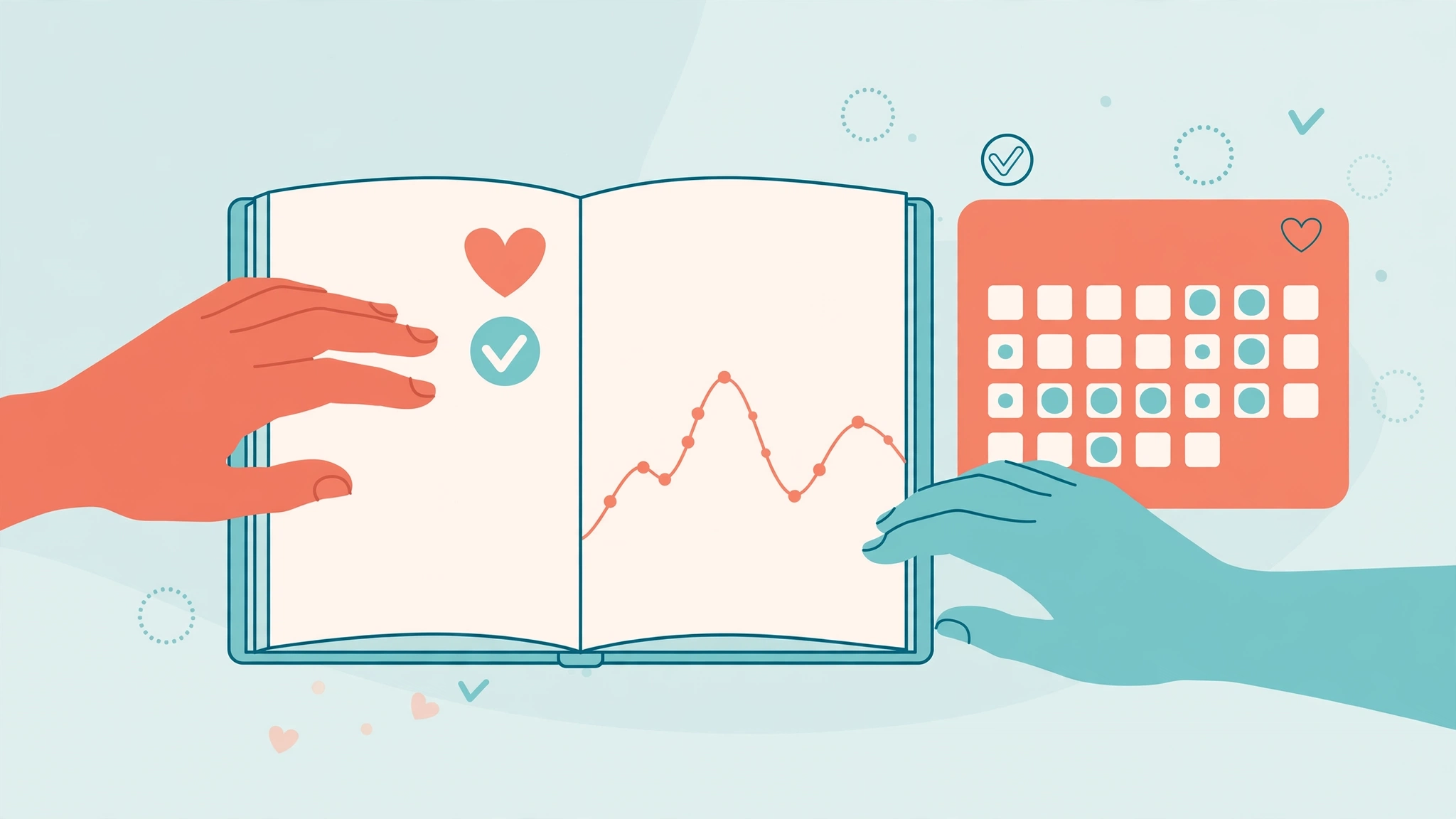
Because chronic pelvic pain fluctuates, memory alone is a poor guide to what helps. For couples navigating chronic pelvic pain intimacy challenges, a simple two-minute journal entry after intimate moments — or after deciding to skip them — gives both you and your doctor far better data. Record:
- Date and time — and where you are in your menstrual cycle.
- Pain level before, during, and after (0–10), and the pain’s location (entry, deep, one-sided).
- What you tried — type of intimacy, lubricant used, position, timing relative to rest or medication.
- Green/yellow/red — your honest comfort rating.
- Context — stress level, sleep quality, recent flares, and any bladder or bowel symptoms that day.
After four to six weeks, patterns usually emerge: perhaps mornings are consistently green, certain positions are always red, or flares reliably follow stressful days. Bring this journal to appointments — clinicians find concrete patterns far more useful than general descriptions, and it often speeds up diagnosis and treatment decisions.
Your Doctor-Visit Checklist and Red Flags
Many women under-report intimacy-related pain because they feel embarrassed or assume nothing can be done. Being candid about chronic pelvic pain intimacy concerns gives your doctor the full picture needed to help. Come prepared, and bring your partner or your journal if that helps. Questions worth asking:
- What conditions could be causing my pain, and what tests can rule them out?
- Should I be referred to a pelvic floor physical therapist?
- Is a sexual medicine specialist or pain psychologist appropriate for my case?
- What are the treatment options — and their side effects — for my likely diagnosis?
- Are there hormonal or topical treatments that could reduce pain with intimacy?
- How should we manage intimacy while treatment is underway?
Seek prompt medical care if you experience any of the following red flags: sudden severe pelvic pain, pain with fever or unusual discharge, vaginal bleeding between periods or after menopause, new bowel or bladder incontinence, or pain that is rapidly worsening despite treatment. As physicians interviewed by the American Medical Association emphasize, pain during sex is common, has many treatable causes, and deserves a full clinical evaluation — not silence.
Low desire often travels alongside chronic pelvic pain. If that is part of your picture, read our guide to common causes of low libido — and when partners want different amounts of sex, our article on navigating mismatched desire offers complementary strategies.
FAQs
Is it safe to be sexually active if I have chronic pelvic pain?
In most cases, yes — with adjustments. Most clinicians agree that couples facing pelvic pain during sex can continue safely with the right approach. Pain itself rarely causes damage, but pushing through significant pain can worsen muscle guarding and anxiety around intimacy. Use the green-light system: stay with activities that feel comfortable, stop for any real pain, and discuss your specific condition with your doctor to confirm there are no restrictions.
Can pelvic floor physical therapy really help with pelvic pain during sex?
Often, yes. Pelvic floor physical therapists assess whether tight or spasming muscles contribute to your pain, then teach relaxation, breathing, and gentle manual techniques. Many clinicians consider it one of the most effective treatments for painful intercourse related to muscle dysfunction. Ask your gynecologist for a referral to a therapist experienced in pelvic pain.
Why does my libido disappear when my pain flares up?
Chronic pain shifts the nervous system into a protective state, diverting energy away from desire and arousal. Fatigue, poor sleep, and the stress of an unresolved condition compound the effect. This is a physiological response to pain — not a loss of love or attraction — and desire frequently improves as pain management and communication improve.
Should we try lubricants or vaginal dilators?
Lubricants are a simple, low-risk step most couples can try right away — choose fragrance-free, hypoallergenic products. Dilators are best started with guidance from a pelvic floor physical therapist, who can teach correct sizing, pacing, and relaxation technique. Both tools address real physical barriers in chronic pelvic pain intimacy rather than asking you to endure discomfort.
How do I tell my partner that intimacy hurts without hurting their feelings?
Talk outside the bedroom, using “I” statements: “I feel pain during sex and it scares me, and I want us to find comfortable ways to be close.” Frame it as a shared project against the pain, not a rejection. Many couples find that a joint doctor’s visit or counseling session helps the partner hear the medical explanation directly.
When should we see a doctor specifically about pain and intimacy?
See your doctor if pain during or after intimacy persists for more than a few weeks, is getting worse, or is accompanied by bleeding, discharge, fever, or new bladder or bowel symptoms. You do not need to wait until you have tried everything on your own — early evaluation by a gynecologist or pelvic pain specialist leads to faster, better-targeted treatment.
This article is for educational purposes only and is not medical advice. Chronic pelvic pain has many possible causes, and only a qualified healthcare professional can diagnose your condition and recommend treatment. If you are experiencing persistent pelvic pain, please consult your doctor, gynecologist, or a pelvic pain specialist.
If pain is affecting your intimate life, take the first step this week: book a clinician appointment, share this guide with your partner, and explore our related guides on rebuilding chronic pelvic pain intimacy together. Small, consistent steps — better communication, a comfort-first approach, and expert care — can restore intimacy even while pain is being treated.