Sexual Compatibility in Couples: What It Really Means
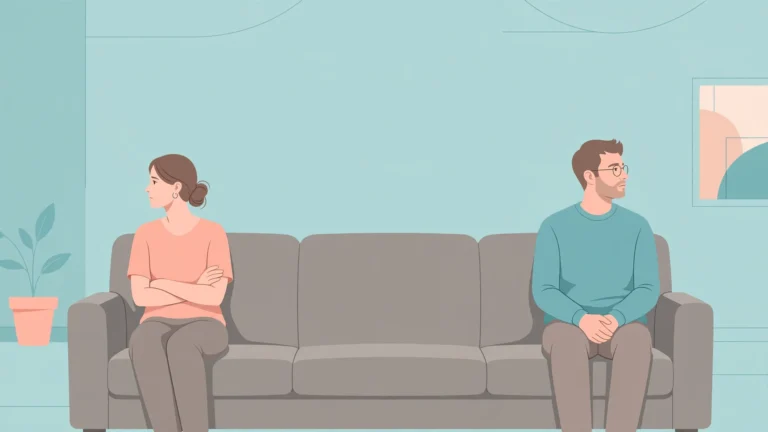
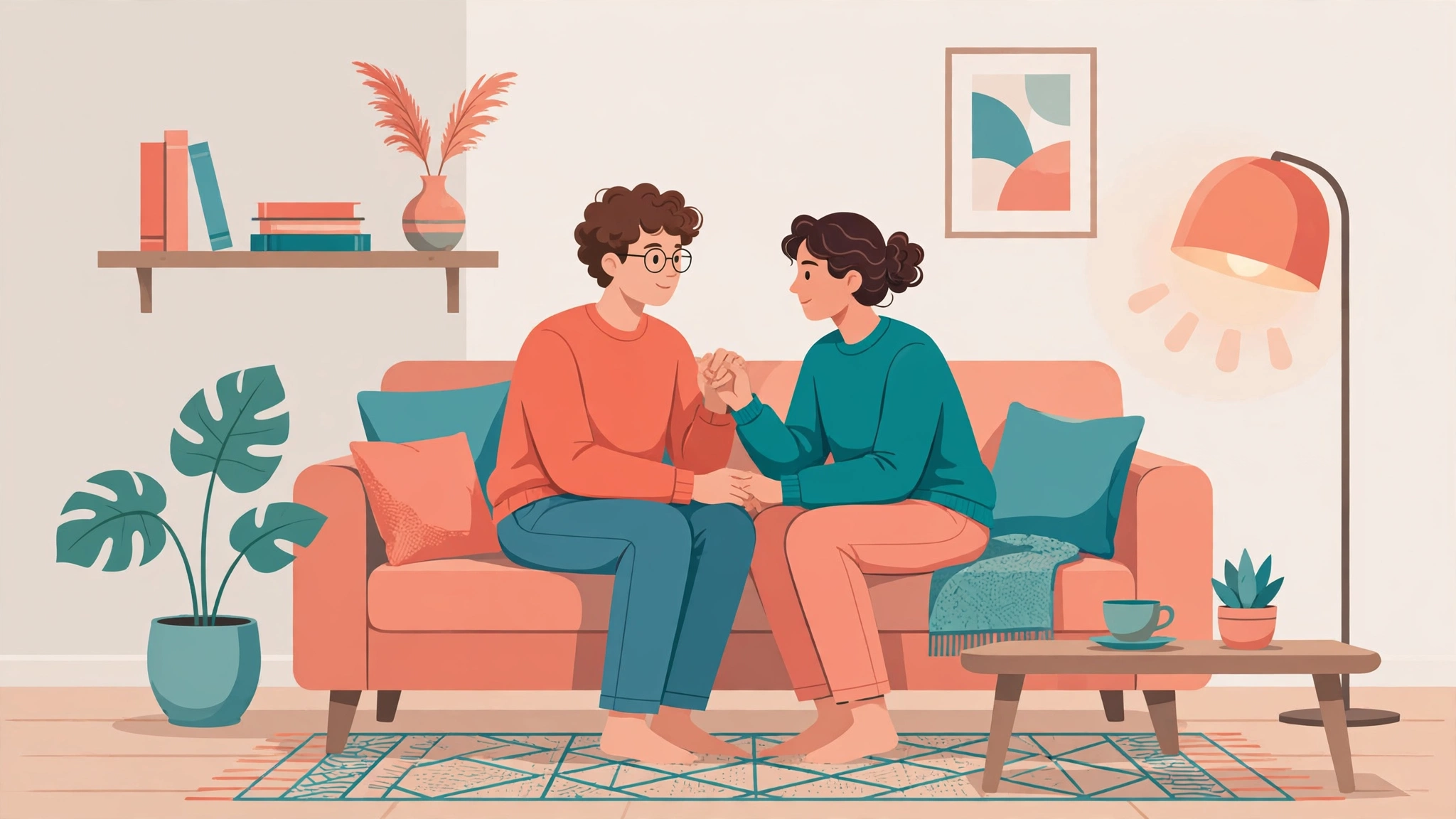
When people talk about sexual compatibility couples advice, they usually picture instant chemistry — the spark that either exists on the first date or never will. Relationship researchers tell a different story. Sexual compatibility is less about fate and more about how well two people understand, communicate, and respond to each other’s sexual needs over time. And the good news is that it can be built, protected, and repaired. Research on sexual compatibility couples shows that understanding each other matters more than matching each other.
This guide breaks down what sexual compatibility really means, the dimensions couples therapists actually assess, and practical steps to improve it — whether you are dating, newly married, or decades into a relationship.
What Is Sexual Compatibility, Really?
Sexual compatibility refers to how well partners’ sexual desires, preferences, boundaries, and expectations align — or, more precisely, how well they navigate the places where those things do not align. Psychologists define it as feeling close in terms of sexual beliefs, preferences, desires, and needs. Importantly, sexual compatibility couples experience is not the same as sexual attraction. You can be intensely attracted to someone and still be incompatible if your needs, values, or communication styles clash.
One of the most reassuring findings in the research: perceived compatibility matters more than any objective match. A well-known study in The Canadian Journal of Human Sexuality found that partners’ belief that they are sexually compatible predicts satisfaction better than their actual similarity of preferences. In other words, compatibility is partly a story couples build together — and stories can be rewritten. This is why the sexual compatibility couples report is rooted in communication skill, not luck.
The 7 Dimensions of Sexual Compatibility Couples Therapists Assess
Clinicians do not grade compatibility on a single score. They look across several dimensions. Consider how you and your partner line up on each — and remember that sexual compatibility couples enjoy is usually built on the weaker dimensions, not declared on the strong ones.
1. What “Sex” Means to Each of You
If one partner defines sex broadly (kissing, touch, massage, oral intimacy all count) and the other defines it narrowly (only intercourse “counts”), friction follows. Compatible couples do not need identical definitions — but they do need to understand each other’s.
2. Desired Frequency and Desire Style
This is the most common trouble spot. Beyond “how often,” couples differ in how desire works. Sex therapist Dr. Emily Nagoski popularized the distinction between spontaneous desire (desire arrives out of the blue) and responsive desire (desire emerges in response to erotic cues and context). Many couples misread responsive desire as low desire, which creates a false incompatibility label. When both partners understand their desire styles, they stop asking “why don’t you want me?” and start designing the context that helps desire show up. Addressing these gaps is one of the fastest ways for sexual compatibility couples to improve satisfaction.
3. Initiation and Refusal
If intimacy only happens when both partners happen to be in the mood simultaneously, it happens rarely. Healthy sexual compatibility couples report includes asking for sex openly — and hearing “not tonight” without shame or punishment. Gentle refusal that preserves closeness is a compatibility skill, not a failure.
4. Turn-Ons and Turn-Offs
Nagoski’s dual control model describes the brain’s sexual “accelerators” (turn-ons) and “brakes” (turn-offs, like stress, insecurity, or unresolved conflict). Two people can have identical accelerators but incompatible brakes — one partner’s stress cycle may shut down desire completely while the other’s does not. Compatibility improves when couples learn each other’s brakes and actively release them, for example by resolving the day’s stress before bed. Couples who make this a habit find that the sexual compatibility couples enjoy becomes easier to sustain.
5. Emotional Safety and Past History
Past negative experiences — shaming messages about sex, previous betrayals, sexual trauma, or even cultural and religious conflicts — shape what feels safe now. Couples who can discuss this history gently often discover that what looked like incompatibility was actually unhealed wounds blocking connection. Sensitive areas may require professional support rather than pressure.
6. Fantasy and Exploration Boundaries
Sexual fantasy is a normal part of human sexuality. Accepting a partner’s fantasy does not require acting on it — it means receiving it without judgment and exploring what the fantasy reveals about their need for closeness, play, or novelty. Disagreements about pornography, flirtatious texting, or trying new things are compatibility questions only when partners cannot discuss them honestly.
7. Aftercare and the Moments After
What happens after sex matters: cuddling, conversation, falling asleep, getting up immediately. Mismatched aftercare expectations (one partner wants to talk, the other wants sleep) create quiet disappointment. Agreeing on this explicitly is one of the simplest compatibility upgrades available.
The Growth Mindset: Compatibility Is Built, Not Found
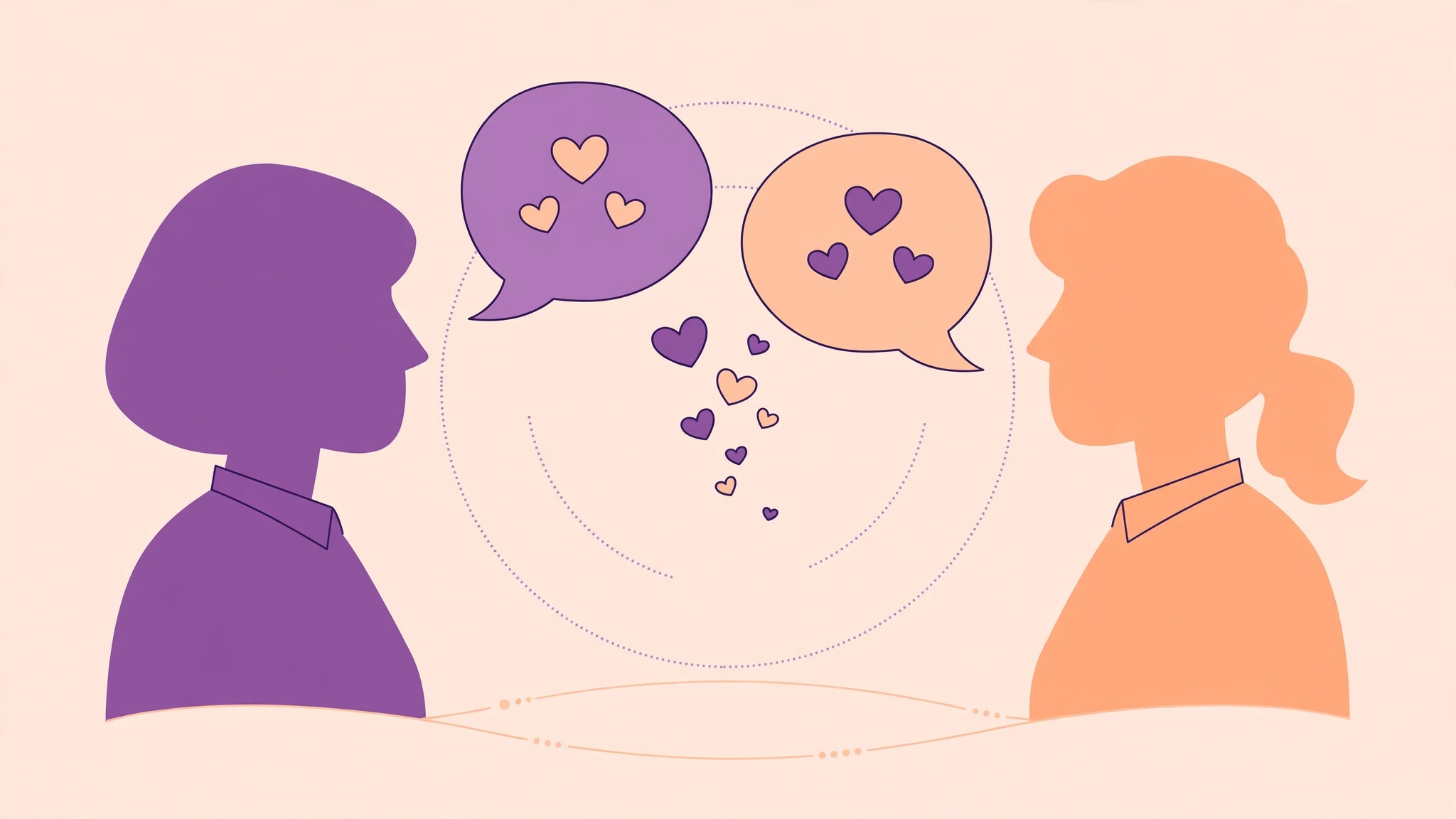
Perhaps the most important concept in modern sexual compatibility couples research is the distinction between sexual destiny beliefs (compatibility is fixed — you either have it or you don’t) and sexual growth beliefs (a sex life can improve through effort and communication). Research by Amy Muise and colleagues, published in The Journal of Sex Research (2024), found that couples holding growth beliefs reported higher sexual satisfaction and handled sexual challenges more constructively than couples holding destiny beliefs.
The practical takeaway: when something does not work in bed, couples with a growth mindset ask, “What can we learn from this?” Couples with a destiny mindset hear it as evidence they are fundamentally mismatched. That single difference predicts whether a rough patch becomes a conversation or a crisis.
For sexual compatibility couples building together, the growth mindset also changes how feedback lands. A partner who suggests trying something new is offering information, not delivering a verdict. Couples who treat feedback as data rather than criticism stay curious instead of defensive — and curiosity is the engine of long-term sexual compatibility.
Psychologist Dr. Nicole McNichols of the University of Washington, writing in Psychology Today, emphasizes that real compatibility is built through empathy, responsiveness, and curiosity — not chemistry or technique. The most satisfied couples share habits like tuning in to their partner’s cues, responding without defensiveness, and keeping a sense of humor about the awkward, unpredictable parts of sex. These habits explain why the sexual compatibility couples build intentionally outlasts chemistry alone.
How Sexual Compatibility Couples Change Across Life Stages
A dimension most guides overlook: compatibility is a moving target, and the sexual compatibility couples maintain must be rebuilt at every stage. The alignment that works at 25 may shift dramatically over decades, and couples who expect this do far better than those who treat change as a verdict.
- Early relationship: Novelty and hormones mask differences. This is the time to build the communication habits that carry you later.
- Postpartum: Exhaustion, hormonal shifts, and breastfeeding commonly reduce desire. Responsive-desire frameworks help here — desire often returns when context (rest, help, pressure-free affection) improves.
- Perimenopause and menopause: Hormonal changes can cause vaginal dryness and shifts in desire. Medical guidance helps, and couples often rediscover non-penetrative intimacy.
- Aging and andropause: Slower arousal and erection changes are normal. Couples who redefine sex beyond a single script stay compatible; those who cling to the old script struggle.
- Illness, medications, and mental health: Antidepressants, blood pressure drugs, chronic pain, and depression all affect sexuality. Compatibility here means treating the medical side seriously and adapting together, not blaming the partner.
The point: compatibility is not a trait you discover once. It is a conversation you keep having as both partners change.
A Practical Conversation Framework (Without Starting a Fight)
Therapists consistently recommend having sexual conversations fully clothed and outside the bedroom, when nobody feels vulnerable or pressured. Here is a simple framework. These steps help sexual compatibility couples practice honest dialogue without defensiveness.
- Start with appreciation, not complaint. “I love how connected we felt last weekend” opens ears; “You never initiate” closes them.
- Use one specific, low-stakes request. Vague complaints (“our sex life is boring”) are paralyzing. Try: “I’d love it if we tried longer kissing before anything else.”
- Ask, then genuinely listen. Prompts like “Tell me more about what you enjoy” or “What would make this feel better for you?” invite honesty. Resist the urge to defend or fix in the moment.
- Separate the act from what it represents. If a request feels uncomfortable, explore what it means to each of you rather than arguing about the act itself. Often the discomfort is about the story attached to it, not the act.
- Close with something concrete. End with one small experiment you both agree to try, and a time to check in. Compatibility grows from repeated small wins.
If you and your partner want a deeper dive on libido differences specifically, see our guide on mismatched libidos in marriage.

Quick Compatibility Self-Audit for Couples
Work through this checklist together — not to score yourselves, but to find your one or two highest-leverage conversations:
| Question | What alignment looks like |
|---|---|
| Can we each name the other’s top three turn-ons? | Curiosity and attention to pleasure |
| Do we agree on what counts as “sex”? | Shared definitions, no scorekeeping |
| Can the lower-desire partner say “not tonight” safely? | Gentle refusal without punishment |
| Do we talk about fantasies without judgment? | Emotional safety around desire |
| Do we know what stresses each other out of the mood? | Brakes understood and addressed |
| Does touch happen without it always leading to sex? | Affection independent of intercourse |
| Can we laugh together when something awkward happens? | Playfulness instead of shame |
| Do we revisit these questions as life changes? | Growth mindset over destiny thinking |
When Professional Help Is the Right Move
Many couples improve sexual compatibility couples challenges on their own with better communication. But therapists recommend professional help when differences persist despite honest effort, when past trauma or betrayal is involved, when one partner feels coerced or unsafe, or when a medical issue (pain, erectile difficulties, hormonal changes) is part of the picture.
A certified sex therapist or couples counselor provides a neutral space to discuss needs, teaches structured communication exercises, and helps distinguish between problems that can be negotiated and needs that are truly non-negotiable. Our guide on when to see a sex therapist walks through the signs in detail.
FAQs
How do I know if my partner and I are sexually compatible?
Look for communication rather than perfection: can you both talk honestly about desires and boundaries, laugh through awkward moments, and navigate differences without shame? Research shows that perceived compatibility — the belief that you understand and can work with each other — predicts satisfaction more strongly than identical preferences.
Is sexual compatibility fixed, or can couples build it?
It can be built — the sexual compatibility couples create through effort endures because it is tested and renewed. Studies on sexual growth versus destiny beliefs show that couples who believe their sex life can improve through effort and communication report higher satisfaction. Compatibility grows through empathy, responsiveness, curiosity, and repeated honest conversations — not from finding a “perfect match.”
What should couples do about different libidos?
First, check whether it is truly a desire gap or a desire-style gap: many “low desire” partners have responsive desire that awakens with the right context. Reduce the brakes (stress, conflict, exhaustion), expand definitions of intimacy, and agree on how to initiate and refuse kindly. Persistent gaps deserve a counselor’s help.
How can we talk about sexual needs without it turning into an argument?
Have the conversation fully clothed and outside the bedroom. Lead with appreciation, make one specific request rather than a general complaint, ask open questions and listen without defending, and end with one small experiment to try. Therapists find this structure dramatically reduces defensiveness.
Can sexual compatibility change over time in a long relationship?
Yes — it almost always does. Childbirth, menopause, aging, illness, medications, and stress all reshape desire and function. Couples who expect these shifts and keep renegotiating stay compatible; couples who treat change as failure do not. For sexual compatibility couples aiming at long-term satisfaction, regular check-ins matter more than any single conversation.
When is sexual incompatibility a reason to seek professional help or reconsider?
Seek a counselor or sex therapist when honest effort has not closed the gap, when trauma or betrayal is involved, when anyone feels pressured or unsafe, or when a medical issue contributes. If a core need is truly non-negotiable and no bridge exists, parting with compassion is healthier than years of resentment.
The bottom line: sexual compatibility couples achieve is not a cosmic spark you find — it is a skill you build together through communication, empathy, and curiosity. Start with one honest conversation, keep your sense of humor, and give the process time. If you get stuck, talking to a counselor is a sign of strength, and you can explore related guides to keep learning together.
Medical disclaimer: This article is for educational purposes only and is not medical advice. Sexual health concerns vary widely between individuals and couples. If you are experiencing persistent difficulties, pain, or distress, please consult a qualified healthcare professional or licensed counselor for personalized guidance.