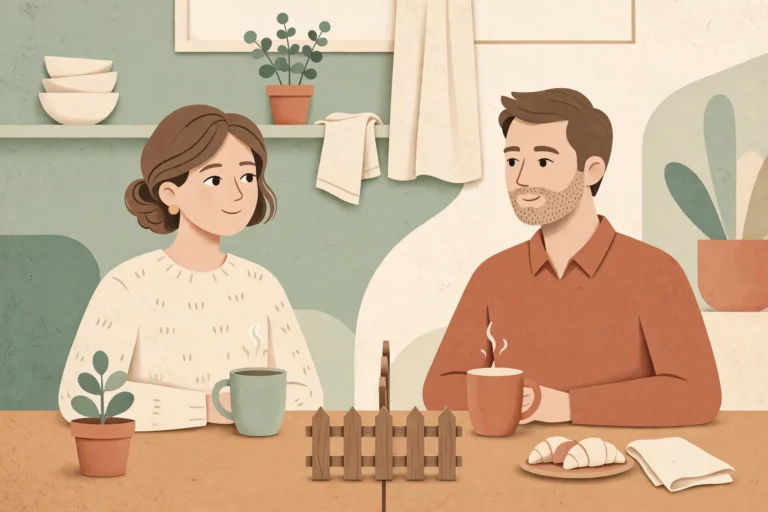
How to Talk to Your Spouse Without Fighting: 9 Communication Secrets That Work
Every couple hits a rough patch where conversations feel more like battles. Maybe you talk past each other, or one of you shuts down while the other gets louder. If that sounds familiar, learning how to communicate better with your spouse can change everything — not just your arguments, but the everyday warmth between you.
The happy couples aren't the ones who never disagree. They're the ones who learned to talk through disagreements without hurting each other. And here's the encouraging part: communication is a skill, not a gift. You can practice it, improve it, and see real results within weeks. These nine research-backed strategies will show you how.
Why Communication Decides the Fate of a Marriage
Marriage researchers have found that it isn't whether couples fight that predicts their future — it's how they fight, and how they talk on ordinary days. Couples who feel heard and understood grow closer, even under stress. Couples who constantly feel attacked or ignored drift apart, even when life is calm.
Poor communication creates a painful cycle: one partner criticizes, the other gets defensive, both stop listening, and nothing gets resolved. Good communication does the opposite — it turns disagreements into teamwork. That is why therapists call communication the single most important skill in a lasting marriage.
How to Communicate Better with Your Spouse: 9 Proven Strategies
1. Listen to Understand, Not to Reply
Most of us listen the way we wait for our turn in traffic — we're just planning what to say next. Real listening means parking your reply and focusing completely on your spouse's words.
Try this: when your spouse is talking, resist the urge to interrupt, correct, or plan your defense. Wait until they finish, then reflect back what you heard. "So the deadline pressure at work has you on edge, and you need some quiet when you get home — is that right?"
This simple reflection does two powerful things: it proves you were truly listening, and it catches misunderstandings before they grow. For a deeper dive, read our guide on active listening vs defensive listening.
2. Replace "You" Statements with "I" Statements
"You never help around the house" puts your spouse on trial. The moment they hear "you never," their brain stops listening and starts building a defense.
"I" statements flip the pattern. Describe how you feel, what happened, and what you need:
- Instead of: "You never listen to me."
- Try: "I feel lonely when I'm telling you about my day and the TV is still on. I need your full attention for a few minutes."
Same concern, completely different reception. Your spouse hears your pain instead of an attack — and people respond to pain with care, not defensiveness.
3. Start Soft, Not Sharp
The way a conversation starts predicts how it will end. Opening with "We need to talk — you messed up again" almost guarantees a fight.
A soft start means raising the topic gently: "I've been thinking about how we're splitting the chores lately. Can we talk about it together for a few minutes?" You're raising the same issue, but with kindness instead of criticism.
Rule of thumb: complain about the situation, not your spouse's character. "The bills are stressing me out" works far better than "You're terrible with money."
4. Watch Your Body Language
Your words are only part of the message. Crossed arms, eye-rolling, heavy sighs, or scrolling your phone while your spouse talks can undo even the kindest words.
When you talk, face each other. Put the phone down. Make eye contact. Keep your posture open and relaxed. These small signals tell your spouse: "You matter to me more than anything else right now."
And pay attention to their body language too. If their voice gets tight or they go quiet, they may be feeling overwhelmed — a good sign to slow down.
5. Validate Before You Fix
When your spouse shares a problem, your instinct may be to jump in with solutions. But most of the time, they don't want a fix — they want to feel understood first.
Validation sounds like: "That sounds really frustrating. No wonder you're upset." You're not agreeing with everything they say — you're acknowledging that their feelings make sense.
Once someone feels heard, they're far more open to solutions. Skip validation, and even the best advice will sound like criticism.
6. Take a Break When You Feel Flooded
When emotions run too high — racing heart, tunnel vision, the urge to say something cruel — your brain is flooded. In that state, no good conversation can happen.
Give yourself permission to pause: "I'm getting too upset to talk about this well. I need twenty minutes to calm down, and then I want to finish this conversation." Then actually come back to it.
Taking a break is not storming out or punishing your spouse with silence. It's a skillful pause — and couples who use it fight less and resolve more.
7. Hold a Weekly Check-In
Don't wait until something is broken to talk. A short weekly check-in keeps small issues from becoming big ones.
Pick a calm, relaxed time — Sunday coffee, a walk, or after dinner. Ask each other simple questions: What's going well this week? What's been hard? Is there anything I can do better?
These conversations build a habit of talking about your relationship when things are fine, which makes it much easier to talk when things are not.
8. Learn to Use Repair Attempts
A repair attempt is anything you do to stop a conversation from going off a cliff — a joke, a gentle touch, "I'm sorry, that came out wrong," or simply "Can we start over?"
Healthy couples make repair attempts constantly during disagreements. The key is that both partners learn to notice them and accept them. If your spouse reaches out mid-argument, take that hand — even if you're still upset. Accepting a repair attempt doesn't mean agreeing; it means choosing the relationship over the argument.
9. Say Something Good Every Day
Couples who communicate well don't just talk about problems — they talk about appreciation. Make it a daily habit to tell your spouse something you admire, thank them for, or enjoy about them.
"I'm proud of how you handled that meeting." "Thank you for making dinner — it was delicious." "I love how you make our daughter laugh."
These small deposits of warmth build a reserve of goodwill. When disagreements come, you'll face them as teammates, not opponents.
A Quick Note on Texting
Tone disappears in text messages. A short "fine" can read as anger, and a delayed reply can feel like rejection. For anything emotional or important, talk face to face or call — don't text. Our guide to texting in relationships explains the digital rules in detail.
4 Communication Habits That Hurt Marriages
Relationship researchers have identified four toxic patterns that predict serious trouble:
1. Criticism — attacking your partner's character ("You're so lazy") instead of addressing the issue.
2. Contempt — mocking, name-calling, or eye-rolling. This is the single most damaging pattern of all.
3. Defensiveness — meeting every complaint with a counter-complaint instead of taking any responsibility.
4. Stonewalling — shutting down completely and refusing to engage.
If you recognize these in your marriage, don't panic — but do take them seriously. Each pattern has an antidote: gentle start-ups instead of criticism, appreciation instead of contempt, owning your part instead of defensiveness, and taking calm breaks instead of stonewalling.
When to Ask for Professional Help
If you've tried these strategies and conversations still end in shouting or silence, couples therapy can help. A good therapist teaches the same skills — listening, validation, repair — but coaches you through them in real time. Seeking help early is a sign of strength, not failure. The Gottman Institute's guide to improving communication offers additional research-backed techniques you can explore.
Key Takeaways
- Communication is a learnable skill — anyone can get better at it.
- Listen to understand, use "I" statements, and start tough talks gently.
- Validate your spouse's feelings before offering solutions.
- Take a break when flooded; never try to resolve things mid-flood.
- Check in weekly, and appreciate each other daily.
Frequently Asked Questions
How long does it take to improve communication in a marriage?
Most couples notice a difference within a few weeks of practicing new habits consistently. Real change — where the new patterns become automatic — usually takes two to three months. Be patient with each other.
What should I do if my spouse won't talk to me?
Don't chase or pressure them — that usually makes shutting down worse. Let them know you're available when they're ready, and focus on staying calm and approachable. If stonewalling is a pattern, a couples therapist can help you both break it.
Can one person fix communication in a marriage?
One person can make a big difference — change is contagious. When you start listening better and raising issues gently, your spouse often responds in kind. But lasting change is easier when both partners work at it.
Is it normal for couples to argue?
Yes — completely normal. Every couple disagrees. What matters is not whether you argue, but whether you argue fairly and repair afterward. The goal is healthy communication, not zero conflict.